

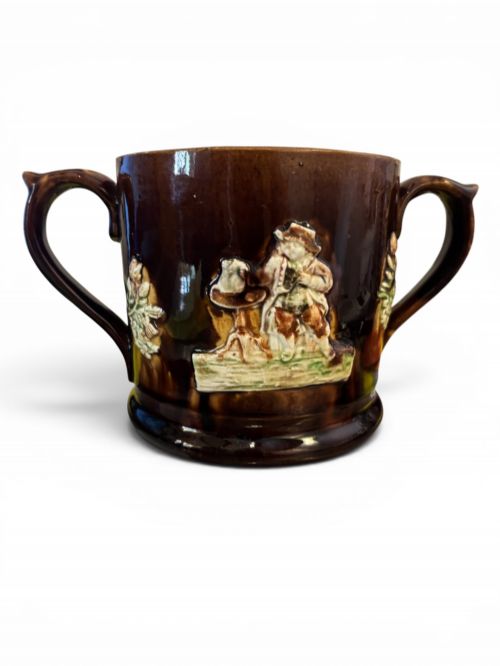


Staffordshire Pottery Cup
These Staffordshire pottery cup examples range from Georgian pearlware to Victorian transferware, offering drinkers and collectors tangible pieces of domestic history.
Staffordshire Pottery Cup
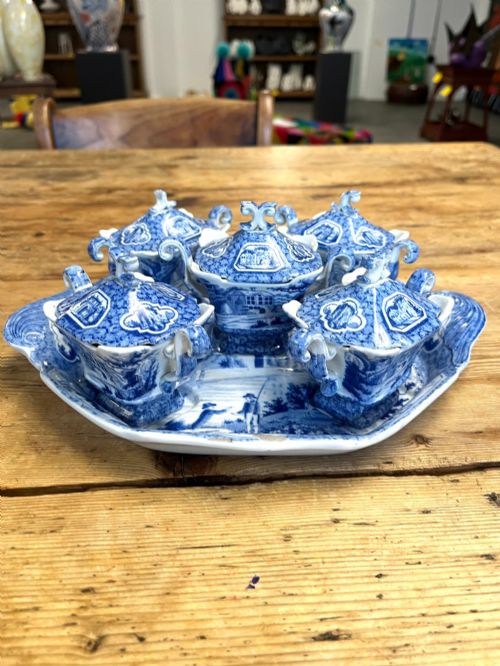
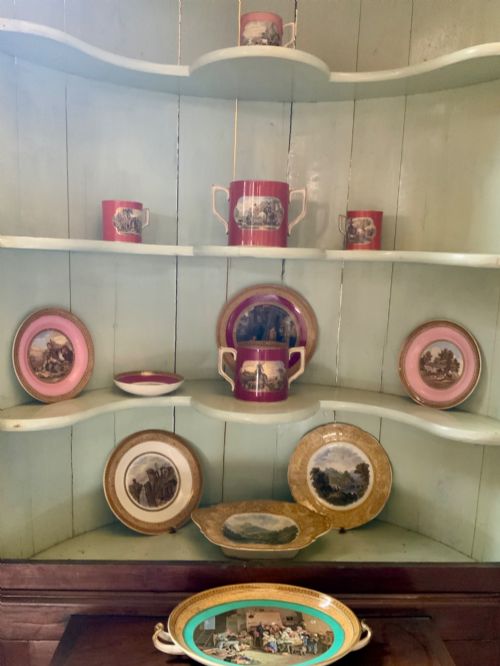
A Staffordshire pottery cup spans diverse forms including mugs and tankards, loving cups, wine cups, and teacups and saucers. These pieces frequently appear in robust earthenware, pearlware, and porcelain, reflecting centuries of English ceramic production.
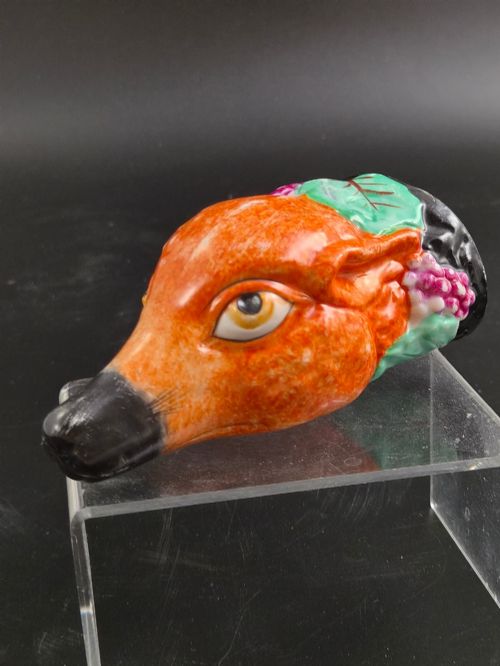
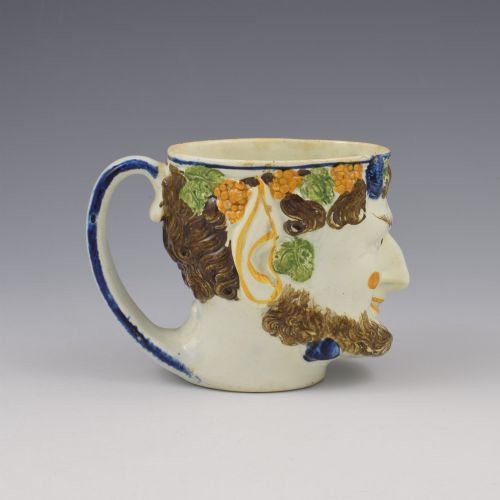
Buyers encounter specialised drinking vessels such as Bacchus and satyr mugs, stirrup cups, and surprise frog mugs featuring internal figures. The range includes items decorated with hunting scenes, poetry, and hand-painted or transfer-printed patterns from the Georgian and Victorian eras.
Materials and construction methods
Potters shaped these vessels using earthenware, pearlware, and ironstone, applying specialised glazes to seal the porous ceramic bodies. Many pieces incorporate vibrant enamel colours or transfer-printed designs in mulberry and black and white.
Makers utilised moulding techniques for figural forms like the Bacchus and satyr mugs, while other drinking vessels feature applied handles and hand-painted details. Touches of gold leaf occasionally highlight the rims and decorative motifs of finer tableware.
Staffordshire Pottery Cup Retail Price Guide 2026
Typical asking prices for staffordshire pottery cup among the pieces listed under this phrase on Sellingantiques today, from the lower quarter to the upper quarter. They describe what is for sale here now, not the wider market.
Listings feature earthenware, pearlware, and porcelain across the 18th, 19th, and Victorian periods.
Factors influencing quality
The complexity of the form dictates value, with multi-handled loving cups and sculptural wine cups demonstrating greater technical ambition than standard mugs. Preservation of original enamels and glaze integrity across the 18th, 19th, and Victorian periods remains central to the standing of each piece.
The Staffordshire Pottery Cup Glossary
- Pearlware
- A refined earthenware developed in the late 18th century featuring a bluish-tinted glaze that pooled in recesses to create a whiter overall appearance.
- Frog mug
- A drinking vessel containing a small ceramic frog concealed inside near the base, designed to surprise the drinker as the liquid drained.
- Transferware
- Pottery decorated by applying a printed design from an engraved copper plate onto the ceramic surface using tissue paper.
- Loving cup
- A large two-handled drinking vessel traditionally passed between guests at feasts and celebrations.
- Ironstone
- A heavy, durable ceramic patented in the 19th century that bridged the gap between earthenware and porcelain.
Staffordshire Pottery Cup: Frequently Asked Questions
What is a frog mug?
A frog mug is a drinking vessel featuring a small ceramic figure of a frog positioned inside the bottom of the tankard.
As the drinker finishes their ale or beverage, the hidden frog appears unexpectedly, often causing amusement among company.
How do I date a Staffordshire cup?
Dating relies on identifying specific ceramic bodies like pearlware, glaze characteristics, and decorative techniques such as transfer printing.
Stylistic cues from the Georgian, Regency, and Victorian periods help narrow the production era of each piece.
What are loving cups used for?
Loving cups served communal drinking functions at weddings, banquets, and celebratory gatherings.
Their two-handled design allowed participants to pass the vessel securely between hands while sharing a drink.
Are these cups safe for drinking?
Most antique cups are collected primarily as decorative ceramics or historical display pieces due to their age and material composition.
Glazes from the 18th and 19th centuries may contain materials unsuited for modern food and beverage consumption.