

Staffordshire Blue White Pottery
Staffordshire blue white pottery brings together rich transfer-printed scenes and figures across earthenware and pearlware forms.
Staffordshire Blue White Pottery
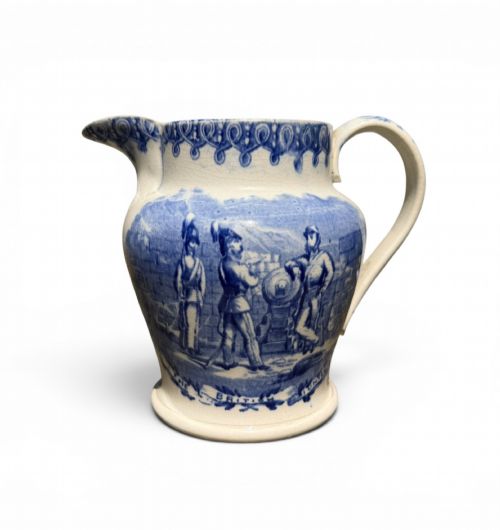
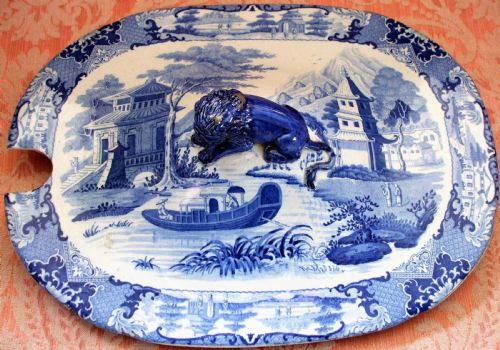
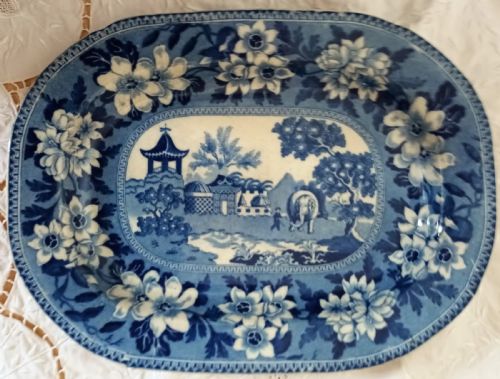
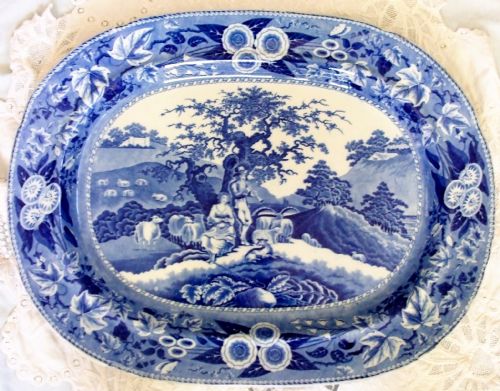
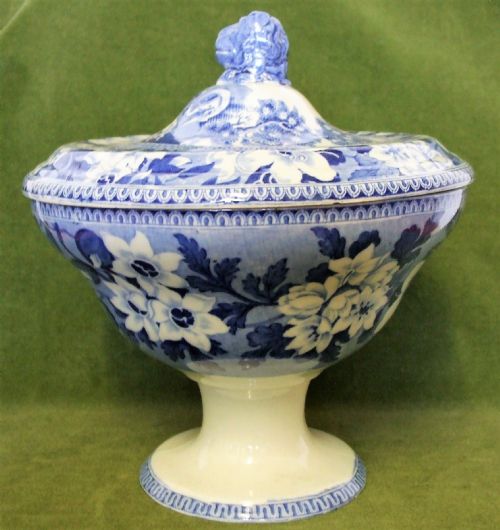
Staffordshire blue white pottery comprises a diverse array of domestic and decorative objects produced primarily during the Georgian, Regency, and Victorian eras. Buyers seeking these items encounter serving platters, tureens, jugs, soup ladles, and decorative figures created by notable potteries.
How they were made
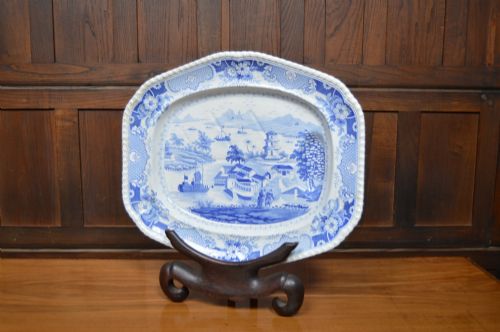
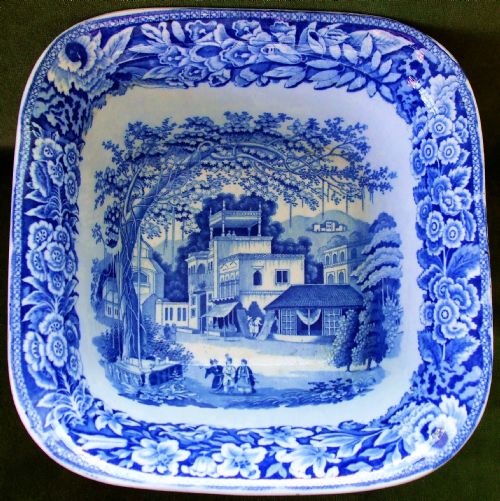
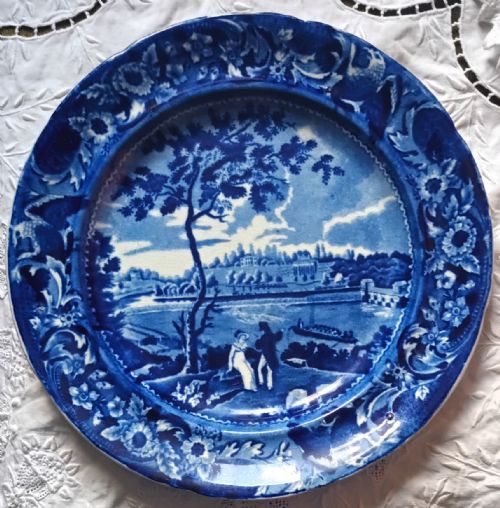
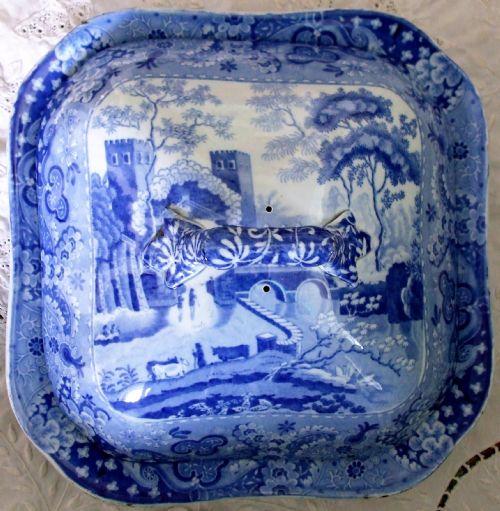
Potters shaped these objects using earthenware, pearlware, and stoneware bodies, applying intricate cobalt transfer printing to transfer detailed copperplate engravings onto the ceramic surface. Lead glaze finishes were subsequently applied to seal the pottery and impart a glossy sheen before final kiln firing.
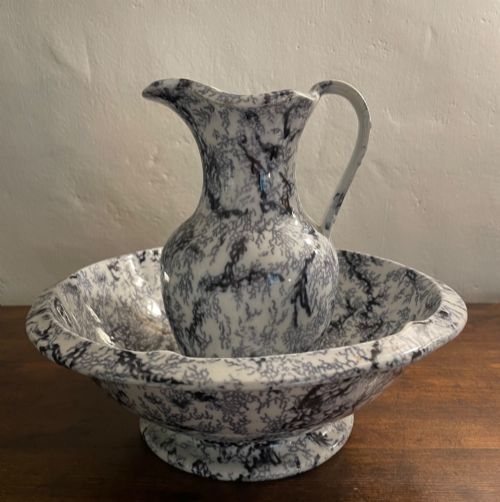
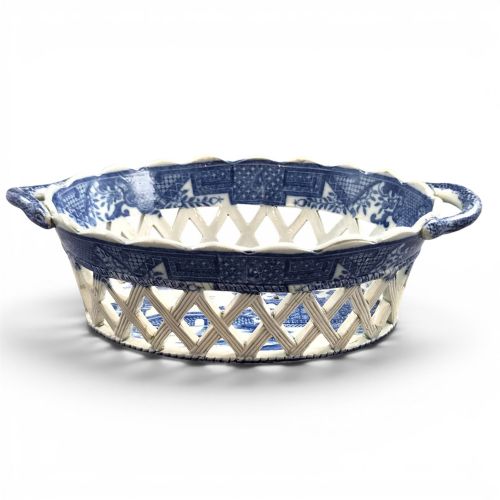
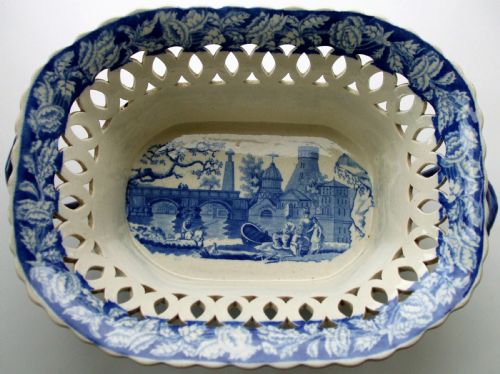
Specialised decorative effects such as flow blue allowed the cobalt pigment to blur slightly into the surrounding glaze during firing, creating a soft, hazy appearance. Enamel highlights and reticulated openwork were occasionally added by hand to specific baskets, vases, and figures.
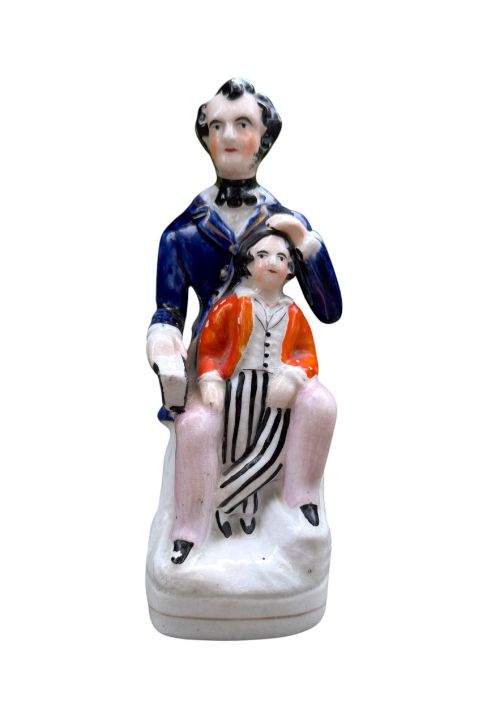
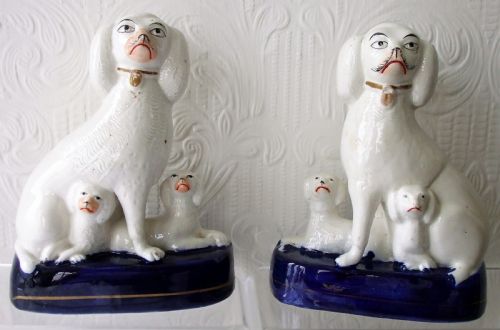
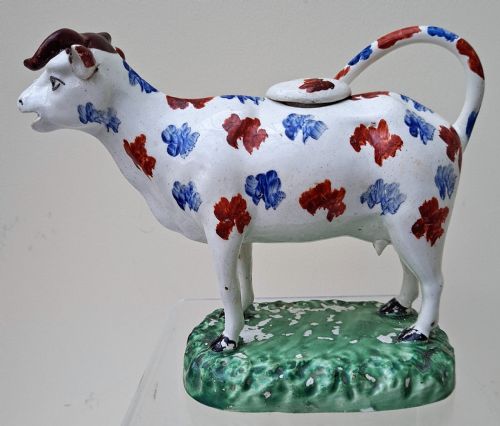
Forms range from practical footbaths and tureens to decorative poodles, cows, and historical figures.
What varies in quality
The clarity and crispness of the transfer-printed design determine the visual success of the piece, with sharper impressions indicating superior copperplate execution. Uneven glaze pooling or blurring of the cobalt pigment distinguishes standard production wares from more meticulously controlled works.
Model definition and hand-painted enamel details separate mass-produced earthenware items from finer portrait figures and animal groups. The complexity of the vessel form, such as pierced reticulated baskets or large handled footbaths, also influences the standard of the piece.
Spode·J.W.R.·John Rogers And Son·J. And R. Clews·J. And R. Riley·Stubbs·Mintons·John Ridgway·William Adam·Adams
The Staffordshire Blue White Pottery Glossary
- Transferware
- Pottery decorated by applying a printed design from a copper engraving onto tissue paper and transferring the ink onto the unglazed or bisque ceramic body.
- Pearlware
- A refined earthenware developed in the late eighteenth century featuring a subtle bluish glaze that pooled in recesses to mask the natural cream body.
- Flow Blue
- A technique where volatile chlorides were introduced into the kiln during firing, causing the cobalt blue transfer print to bleed into the surrounding white glaze.
- Reticulated
- Describes ceramics featuring an openwork lattice pattern cut into the clay body before firing, commonly seen on decorative baskets and chestnut sets.
- Footbath
- A large, deep ceramic vessel designed for washing feet, often repurposed as a decorative planter or wine cooler due to its substantial size and transfer-printed decoration.
Staffordshire Blue White Pottery: Frequently Asked Questions
How do I identify different periods?
Periods are generally distinguished by changes in ceramic bodies, glaze composition, and transfer-print subjects. Earlier Georgian and Regency items frequently utilise pearlware with delicate blue landscapes, whilst later Victorian pieces often showcase heavier earthenware bodies and bolder transfer motifs.
Maker marks stamped or printed on the reverse also help narrow down the date of production. Comparing the style of the border patterns provides further clues regarding the decade of manufacture.
How were footbaths used?
Footbaths served a practical domestic purpose in upper-class households for personal hygiene in bedrooms before modern plumbing became widespread. Servants filled these large ceramic vessels with warm water for the occupants.
Today, collectors frequently repurpose these substantial pieces as decorative planters or wine coolers. Their generous proportions and intricate transfer-printed scenes make them striking interior display items.
What is the difference between earthenware and pearlware?
Pearlware is a refined variety of earthenware developed to mimic the whiteness of Chinese porcelain. It contains a small amount of flint and employs a lead glaze with a subtle bluish tint.
Standard earthenware used for these wares has a warmer, more yellowish body beneath the glaze. This distinction helps differentiate late Georgian pearlware items from standard nineteenth-century production.
How should I care for antique pottery?
Antique pottery requires gentle handling and should be washed by hand in lukewarm water using mild soap when necessary. Avoid soaking pieces with old repairs or crazed glazes, as moisture can penetrate the porous ceramic body.
Keep items away from direct sunlight and sudden temperature changes to protect the glaze and prevent further crazing. Displaying them on stable surfaces ensures these historical objects remain safe from accidental knocks.