

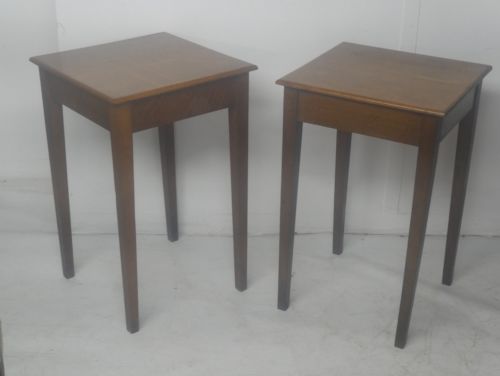

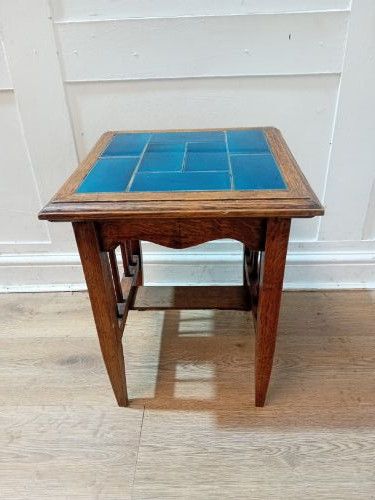


Square Oak Accent Table
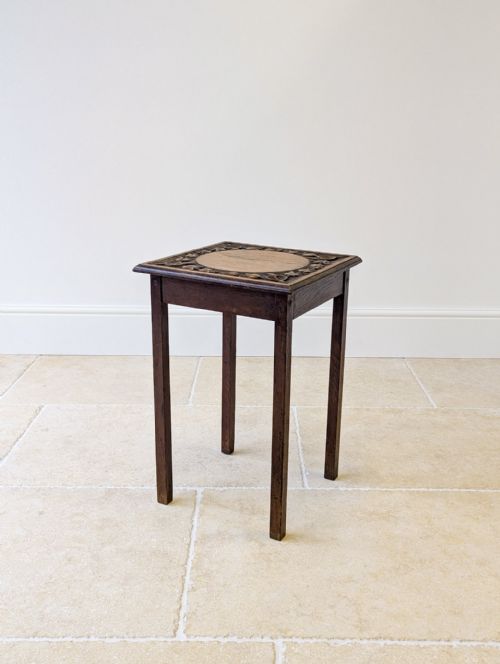
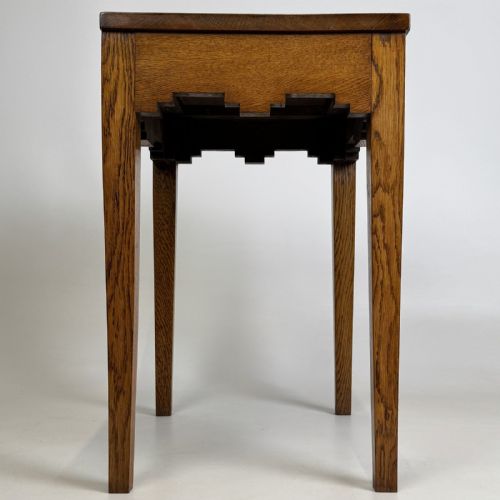
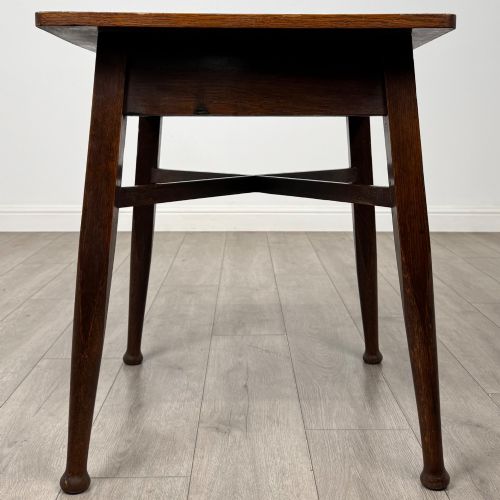
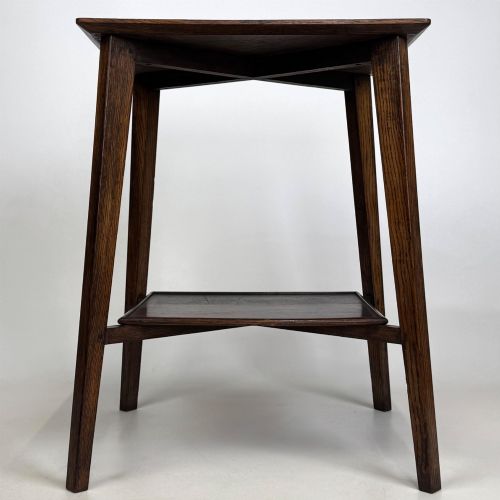
A square oak accent table brings solid timber grain and compact utility to a corner, offering a sturdy surface derived from Edwardian and Arts and Crafts workshops.
Square Oak Accent Table
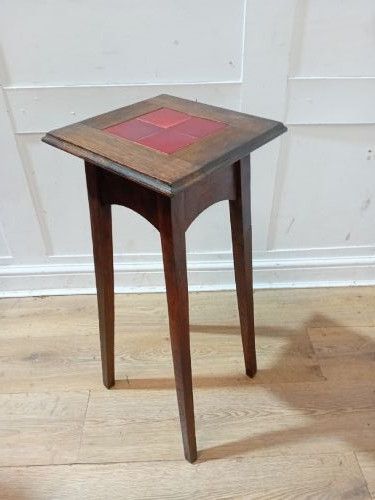
When you search for a square oak accent table, you find pieces intended for resting lamps, plants or books in principal rooms. The most common forms on this page are side tables, occasional tables and plant stands dating from the nineteenth and twentieth centuries.
Makers shaped these items during periods such as the Edwardian era, the Arts and Crafts movement and the Jacobean Revival. You encounter sturdy joint stools and small lamp tables alongside tile top surfaces and plant stands.
Origins span standard domestic production to distinct aesthetic movements, with Scottish country pieces and London workshops appearing among the selection. These tables suit smaller spaces where timber warmth matters more than a grand footprint.
Materials and construction
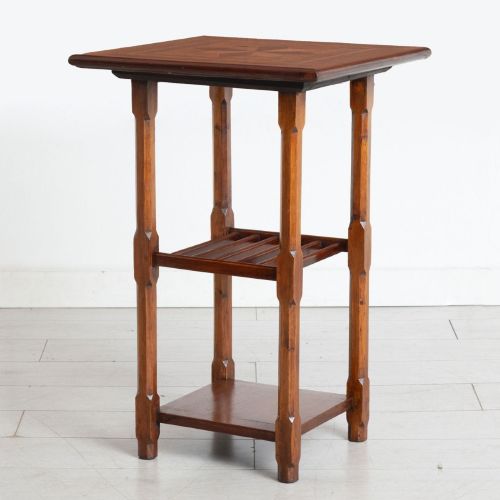
Carpenters constructed these tables predominantly in solid oak, sometimes combining it with beech or incorporating ceramic tiles and specimen wood inlays. Workshops utilised traditional joinery methods to ensure stability across compact forms.
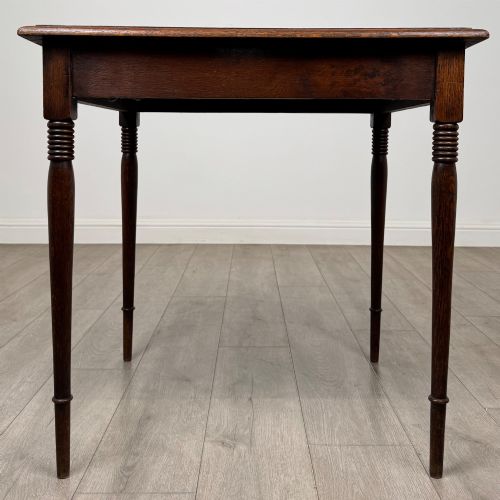
Surface details vary from plain timber grain to carved motifs, ceramic inserts and barley twist legs turned on a lathe. Makers finished the wood to highlight natural figuring and colour.
Square Oak Accent Table Retail Price Guide 2026
Typical asking prices for square oak accent table among the pieces listed under this phrase on Sellingantiques today, from the lower quarter to the upper quarter. They describe what is for sale here now, not the wider market.
Some plant stands double as quiet witnesses to decades of ferns that refused to die.
What separates the tiers
The distinction between ordinary and superior pieces rests on the crispness of the carving, the precision of the joinery and the selection of the timber. Tables featuring integrated ceramic tiles or specialist inlays demand greater skill from the cabinetmaker.
Proportion and structural integrity dictate the standing of a piece, with firm joints and balanced legs marking out better workshop production from basic utility items.
Baillie Scott·Liberty of London
The Square Oak Accent Table Glossary
- Arts and Crafts
- A design movement prioritising honest construction, visible joinery and local materials over mass production. This style influences many oak tables from the late nineteenth and early twentieth centuries.
- Barley twist
- A type of turned furniture leg resembling a spiral rope. It appears frequently on twentieth-century side tables.
- Jardiniere stand
- A tall plant or flower pot holder designed to display greenery indoors. These tall stands often feature a square top and sturdy legs.
- Joint stool
- A sturdy wooden stool constructed with pegged mortise and tenon joints. In oak, these pieces double as low occasional tables.
- Specimen wood
- Timber selected for its unusual grain, colour or variety used in decorative inlays. Such woods add subtle pattern to table tops.
Square Oak Accent Table: Frequently Asked Questions
What rooms suit a square oak accent table?
These compact tables fit beside armchairs, in small hallways or beneath windows where space is tight. Their sturdy build handles daily use for holding lamps or small objects.
They also serve well as plant stands or bedside surfaces in rooms finished with traditional or Arts and Crafts furnishings.
How do I spot an Edwardian oak table?
Edwardian tables often display lighter timber tones and simpler lines than their Victorian predecessors. You may notice subtle carving or tapered legs.
Makers working in this era frequently combined traditional solidity with domestic lightness suitable for smaller urban homes.
What is an Arts and Crafts oak table?
An Arts and Crafts table highlights the natural grain of the timber and shows honest construction methods such as exposed pegs. Decoration is sparse, relying instead on proportion and craftsmanship.
These pieces often date from around eighteen-eighty to nineteen-twenty and carry a heavier, more purposeful silhouette.
How do I care for antique oak?
Keep oak furniture away from direct heat sources and sudden humidity changes to prevent the timber from splitting. Regular dusting with a dry cloth maintains the finish.
Avoid silicone-based polishes, opting instead for traditional wax applied sparingly when the wood appears dry.