

Sporting Art Oil
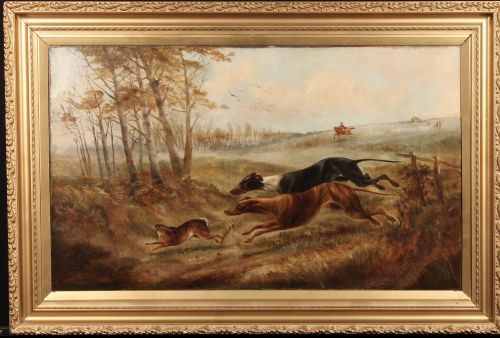
Sporting art oil captures the motion of hounds, horses and field sports across centuries of British canvas.
Sporting Art Oil
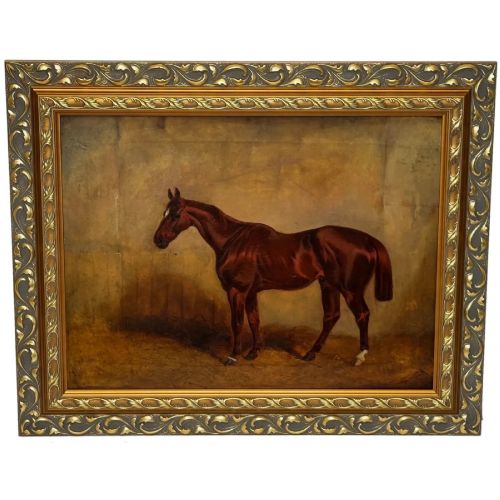
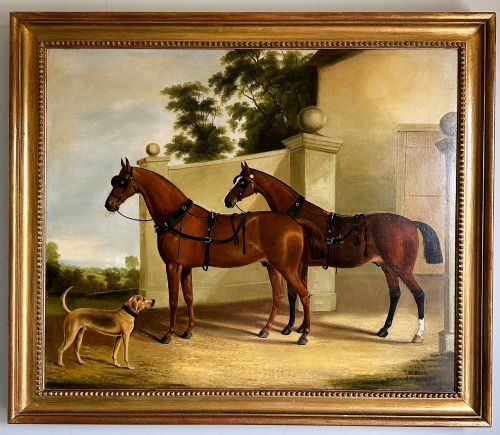
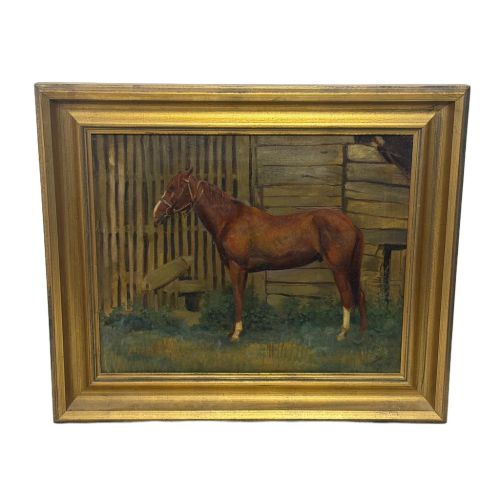
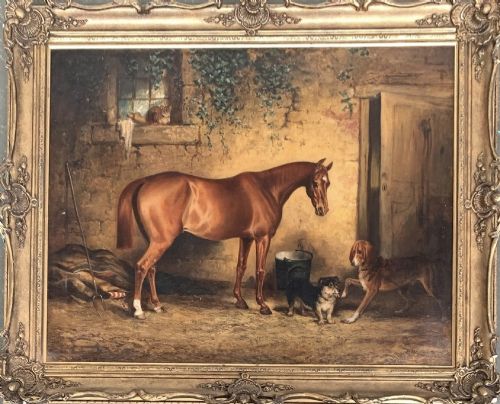
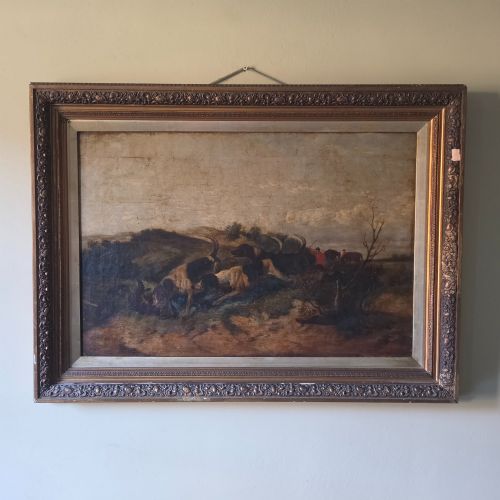
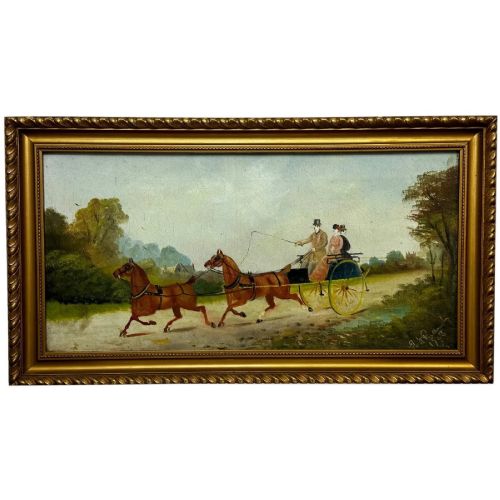
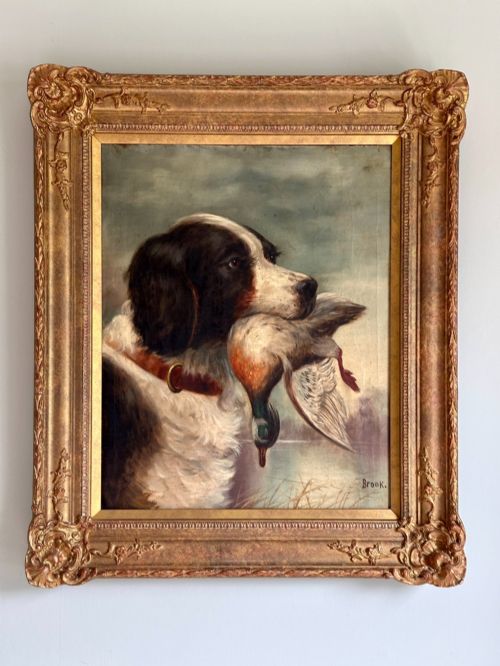
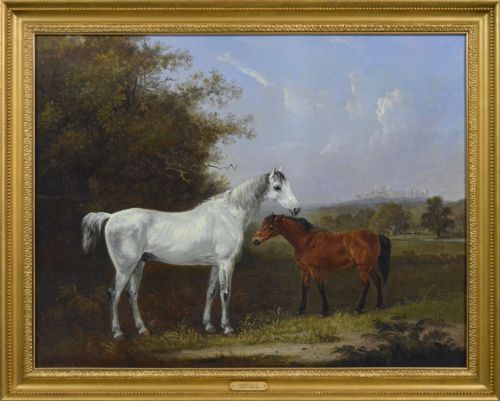
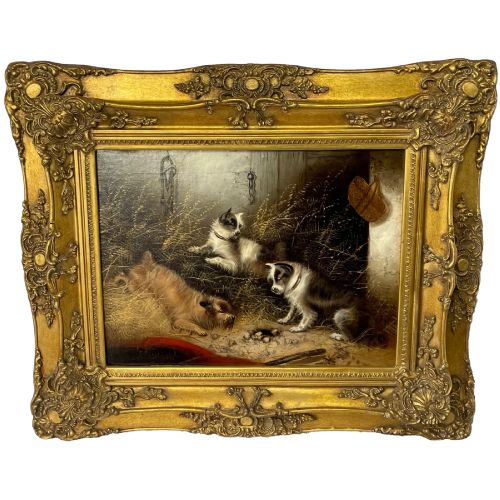
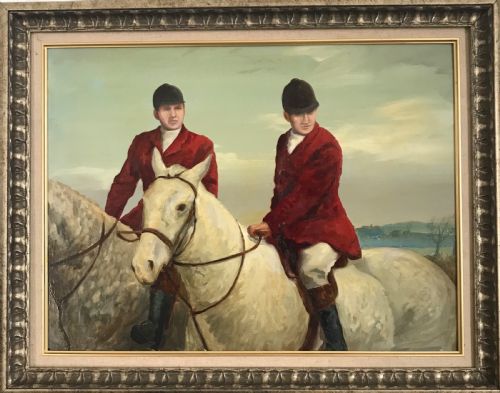
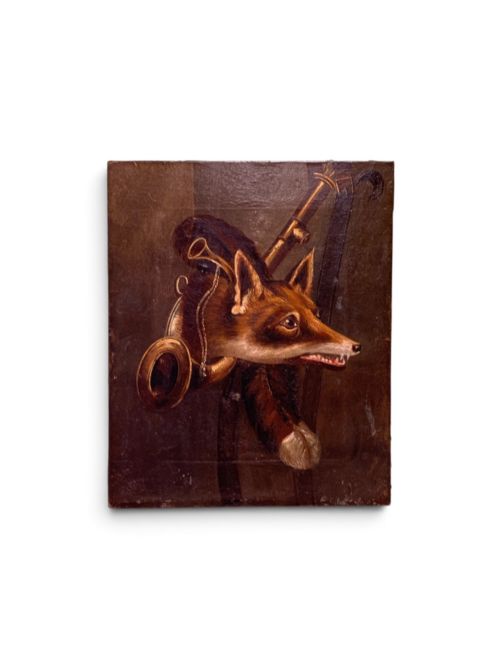
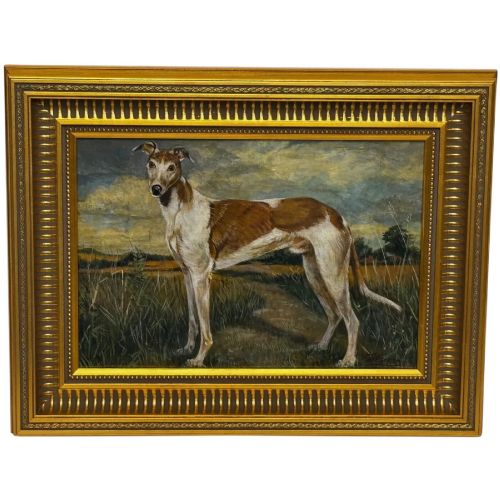
Sporting art oil covers framed paintings executed in oil paint on canvas, spanning the nineteenth century, the Edwardian era and into the mid-twentieth century. Subjects centre firmly on animals and field sports, taking in dogs, horses, hunting scenes, racing pigeons, fishing and coaching.
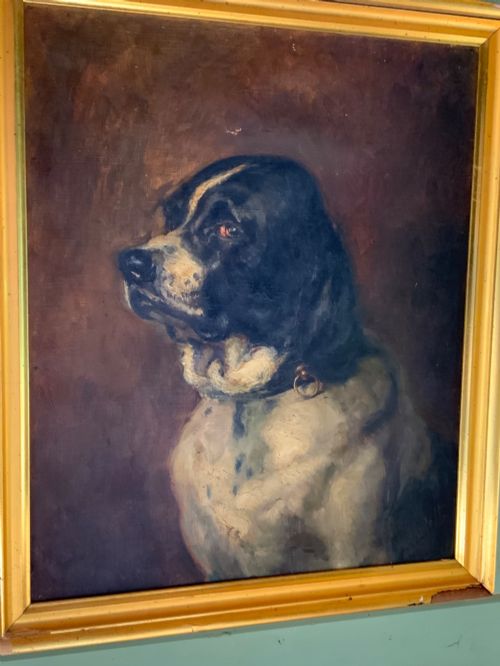
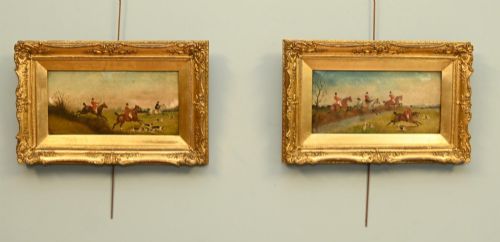
Buyers meet Victorian equine and canine portraits most frequently on this page, often framed in giltwood or gold leaf. These range from intimate studies of individual spaniels and retrievers to large compositions showing galloping hunters and foxhounds in open landscapes.
Materials and construction
Painters applied oil paint to stretched canvas, building texture and depth with layered pigments that captured the sheen of horse coats and the feathering of gun dogs. Wood stretchers provided the rigid internal support for the fabric.
Surviving works sit inside period frames constructed from wood and finished with gold leaf or giltwood mouldings. These frames often carry the original maker or framer stamps from the period of creation.
Listings span the nineteenth century, the Edwardian era, and the nineteen-fifties, utilising oil on canvas and giltwood frames.
Factors of quality
Quality rests upon the anatomical precision of the animals and the vitality of the brushwork in capturing movement. Superior hands render muscle tension and light accurately without stiffness.
The integration of subject and landscape separates standard works from accomplished ones. Strong compositions place the horse or hound naturally within its rural setting rather than pasting an animal onto a static background.
George Armfield·Thomas Smythe·Sir Edwin Henry Landseer·George Wright·William Albert Clarke·Fred Fitzpatrick·Ernest Payne·Edward Priestley·C R Breytle·Philip Rideout·Thomas Walker Bretland·John Emms·John Ferneley Senior·John Frederick Herring Senior·Benjamin Blake·Alfred Munnings·John Arthur Lomax·Albert Clark·Gertrude Halsband
The Sporting Art Oil Glossary
- Canvas
- Woven fabric stretched across a wooden frame to serve as the painting surface for oil pigments.
- Giltwood
- Timber carved and coated with thin gold leaf or metallic paint to form decorative picture frames.
- Equine portrait
- A painting dedicated specifically to recording the likeness, conformation and pedigree of a particular horse.
- Grisette
- A term used in period titles to denote a specific grey mare or horse coat variation.
- Provenance
- The documented history of ownership that traces a painting from its creator to the present collection.
Sporting Art Oil: Frequently Asked Questions
What subjects appear in sporting art oil?
Paintings depict hunting dogs, racehorses, coaching scenes, fishing expeditions and game birds within rural landscapes. The focus remains squarely on animals and the rural traditions associated with them.
Canvases range from single portraits of curly-coated retrievers to sweeping panoramas of hounds and riders crossing open country.
How do I identify a Victorian sporting painting?
Victorian works typically feature rich, dark palettes and heavy giltwood frames that reflect nineteenth-century interior aesthetics. Subject matter often emphasises detailed animal portraits or dramatic hunting narratives.
Signatures, dates, and canvas stamps on the reverse frequently help confirm the period of production.
Where should I hang a framed oil painting?
Hang paintings away from direct sunlight and damp environments to protect the oil pigments and the wooden canvas stretchers. Stable indoor temperatures prevent the canvas and frame from warping over time.
Pairing these works with traditional lighting enhances the gilt frames and the depth of the oil colours.
Are these paintings signed by the artist?
Many works bear artist signatures, monograms or atelier inscriptions directly on the canvas or within the lower margins. Some pieces also carry period framing labels on the reverse.
Unsigned works attributed to specific schools reflect the broader styles of nineteenth-century British animal painters.