



Splayed Feet Dresser
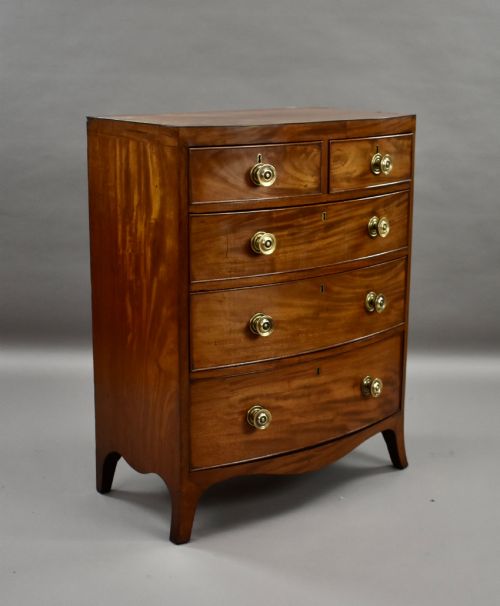
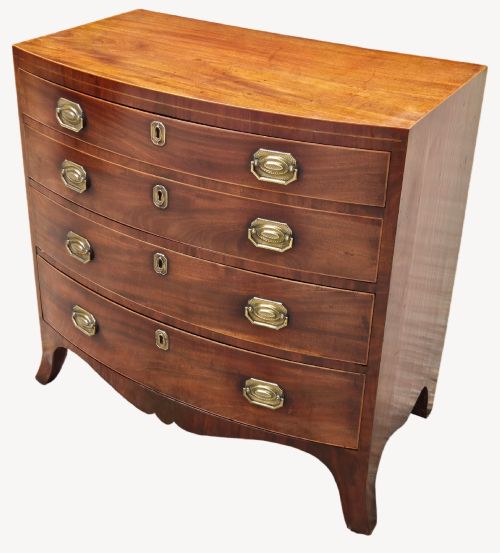
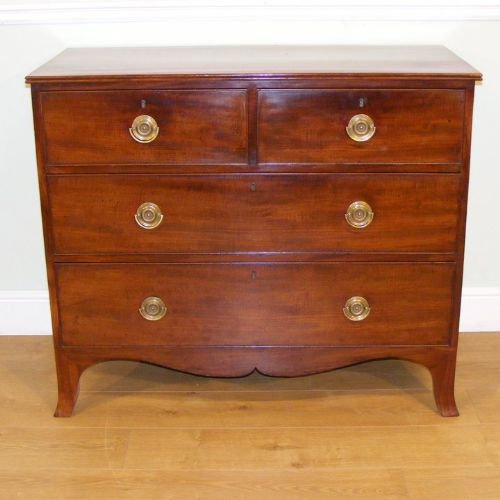
A splayed feet dresser or chest of drawers brings architectural elegance and generous storage to a room through distinctive angled supports.
Splayed Feet Dresser
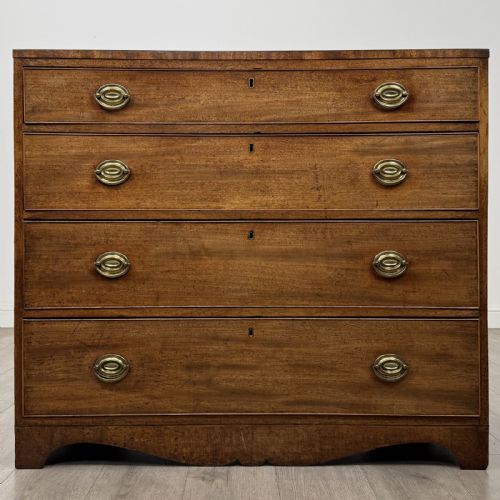
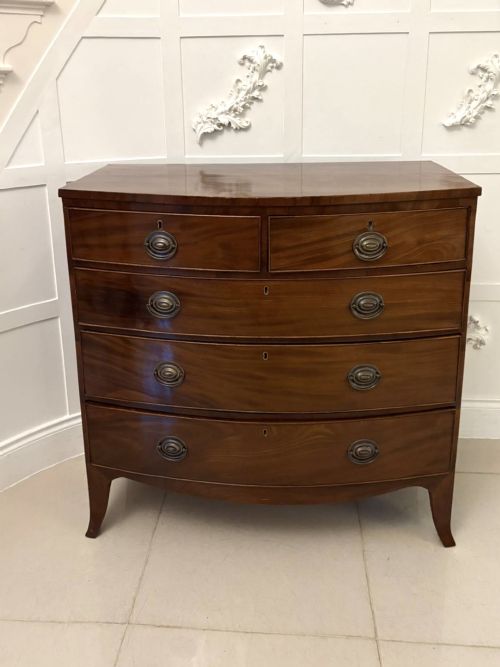
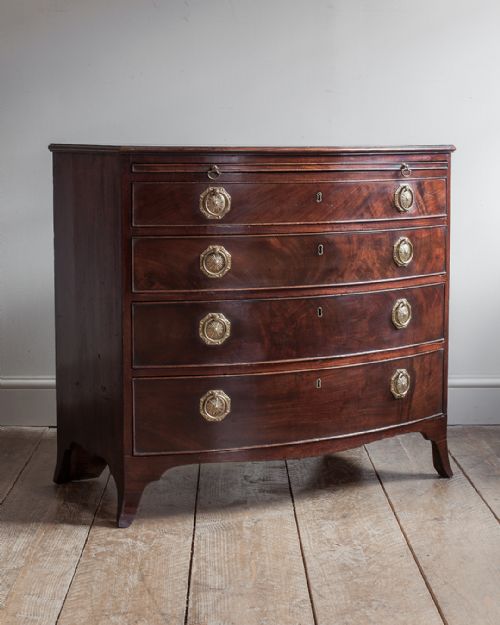
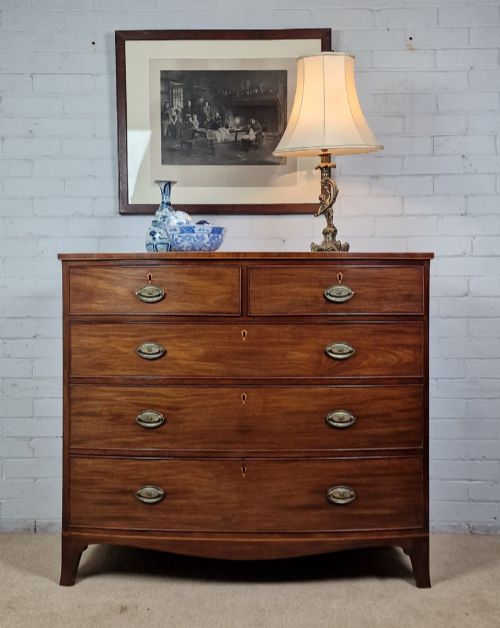
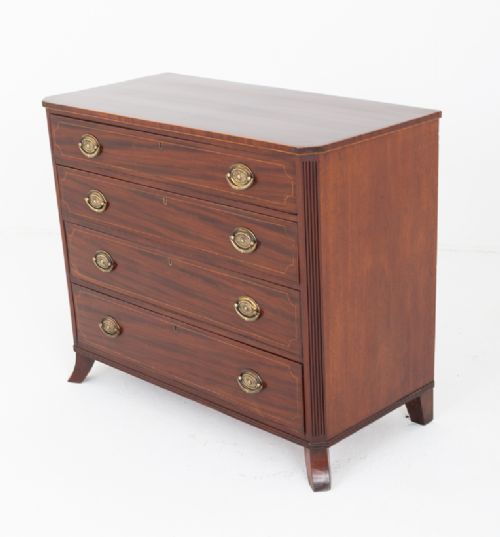
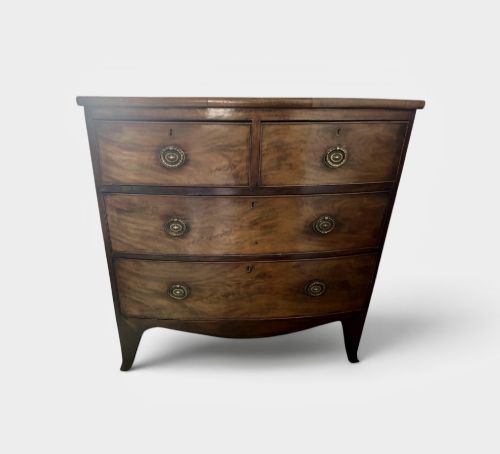
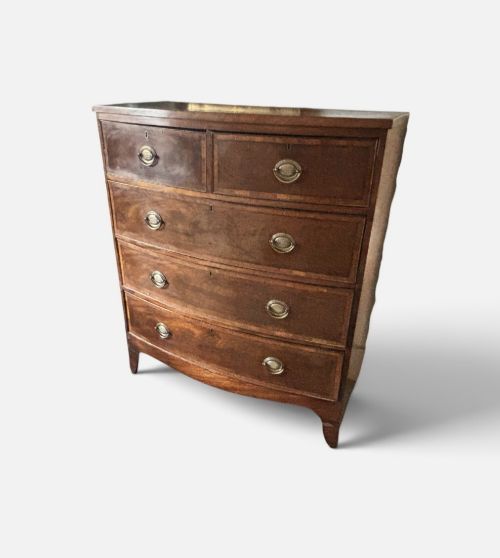
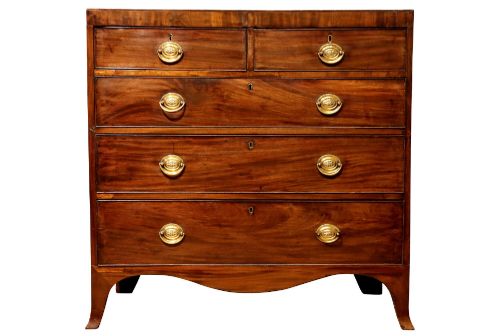
A splayed feet dresser most frequently manifests in the evidence as a chest of drawers or bow front chest dating from the Georgian, Regency, and Edwardian periods. These domestic storage items provide multiple graduated drawers housed within robust timber carcases.
The form spans various regional workshops and stylistic interpretations, including Hepplewhite and Sheraton designs alongside simpler country iterations. Buyers encounter pieces configured with straight fronts, bow fronts, or serpentine outlines.
Originating predominantly from the eighteenth and nineteenth centuries, these items serve as practical bedroom or hallway furniture while displaying period cabinetmaking skills.
How they were made
Cabinetmakers utilised solid timbers such as mahogany, oak, and flame mahogany for the primary carcases, often selecting figured veneers to create decorative drawer fronts. Secondary woods provided internal framing and drawer linings.
Inlay and stringing details incorporated boxwood, satinwood, and bone to delineate borders and escutcheons. Brass hardware, including drop handles and ring pulls, completed the functional elements of the facade.
Splayed Feet Dresser Retail Price Guide 2026
Typical asking prices for splayed feet dresser among the pieces listed under this phrase on Sellingantiques today, from the lower quarter to the upper quarter. They describe what is for sale here now, not the wider market.
Materials recorded across the inventory include solid mahogany, oak, brass hardware, satinwood, and bone accents.
What varies in quality
The selection of timber grain heavily dictates visual merit, with highly figured flame mahogany and balanced satinwood crossbanding marking superior cabinet work. The precision of the inlay work and the integration of the splayed feet into the base moulding show the maker's competence.
Structural integrity depends upon the dovetail joints connecting the drawer construction and the stability of the timber over centuries of environmental change. Original brass hardware and uncompromised internal drawer bottoms elevate the standing of a piece.
The Splayed Feet Dresser Glossary
- Bow front
- A convex curved cabinet front that projects outwards in the centre. This shape became popular during the Georgian and Regency periods.
- Crossbanding
- A strip of veneer applied across the grain of the primary surface to form a contrasting border. It often frames drawer fronts in satinwood or mahogany.
- Splayed feet
- Outward-angled supports raising the carcase from the floor. They provide a lighter visual stance than standard bracket feet.
- Flame mahogany
- Timber cut from the fork of the mahogany tree, producing a distinctive flickering flame pattern. Cabinetmakers reserved this prized veneer for principal drawer facades.
- Serpentine
- A cabinet front featuring a gentle undulating curve with a convex centre flanked by concave sides. This sophisticated contour appears on higher-end eighteenth-century pieces.
Splayed Feet Dresser: Frequently Asked Questions
How do I identify splayed feet?
Splayed feet angle outwards from the base of the furniture rather than dropping straight down or resting on a plinth. They provide a subtle flare that distinguishes them from standard bracket or block feet.
This design feature lifts the carcase visually and appears frequently on chests of drawers from the Georgian and Regency eras.
Where were these chests used?
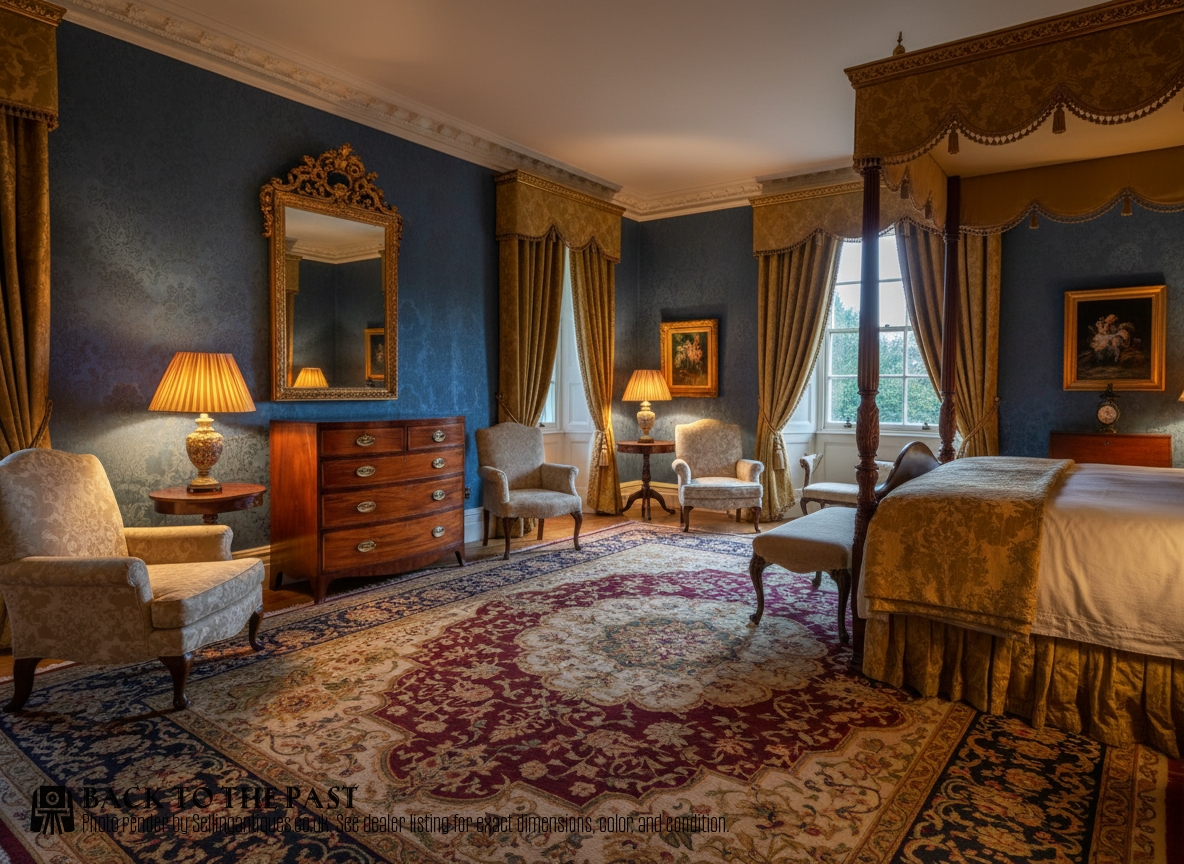
These chests served primarily as bedroom furniture for storing garments, linens, and personal effects. Their generous drawer configurations accommodated the apparel of the period.
Over time, collectors relocated them to hallways, living rooms, and studies to function as display surfaces and accent furniture.
What timber is most common?
Mahogany dominates the surviving inventory, appearing in both solid form and as figured veneers on primary surfaces. Oak also occurs frequently, particularly in earlier or more utilitarian carcase construction.
Additional decorative timbers like satinwood and boxwood provide contrast through inlay and stringing.
How do I date a chest?
Dating relies on observing stylistic markers such as the curve of the bow front, the presence of crossbanding, and the configuration of the feet. Hepplewhite and Sheraton influences point towards the late eighteenth and early nineteenth centuries.
Construction methods, including hand-cut dovetails and timber selection, offer further clues to the period of manufacture.