


Spiral Twist Pedestals
Spiral twist pedestals bring movement and architectural strength to a room, supporting lamps, plants or art objects with distinct vertical presence.
Spiral Twist Pedestals
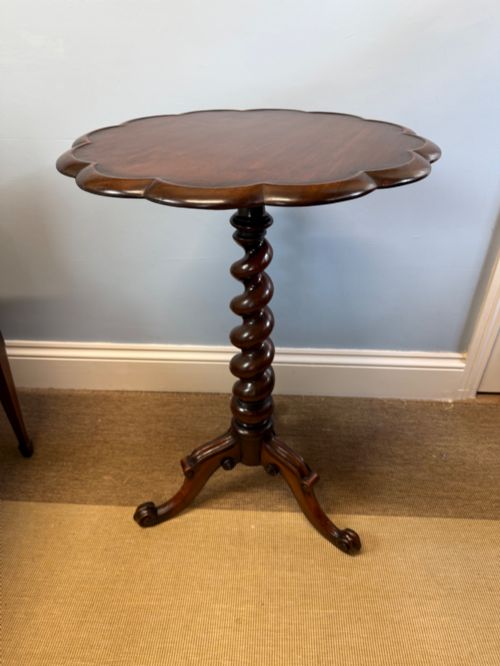
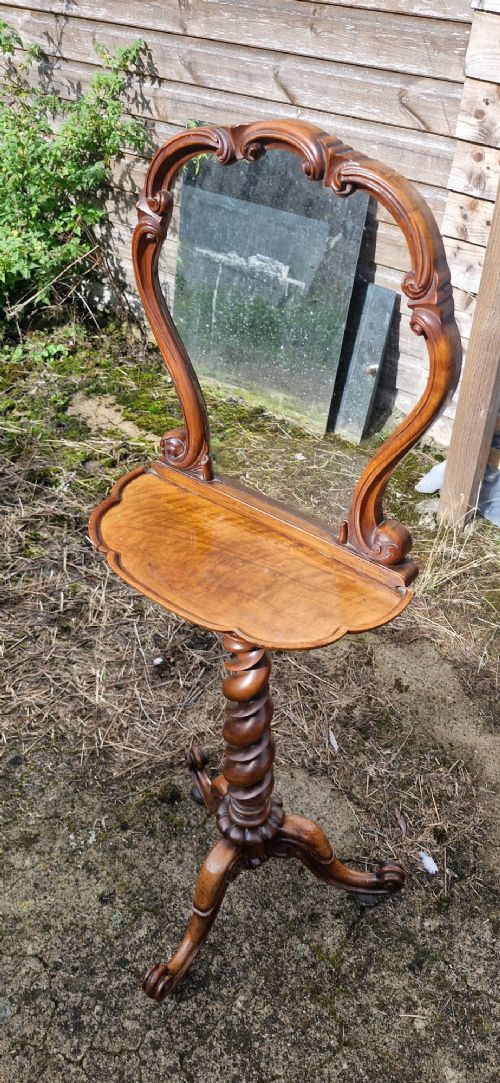
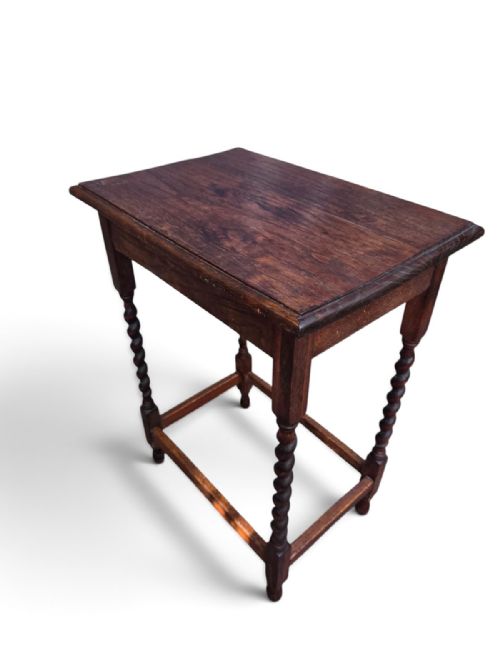
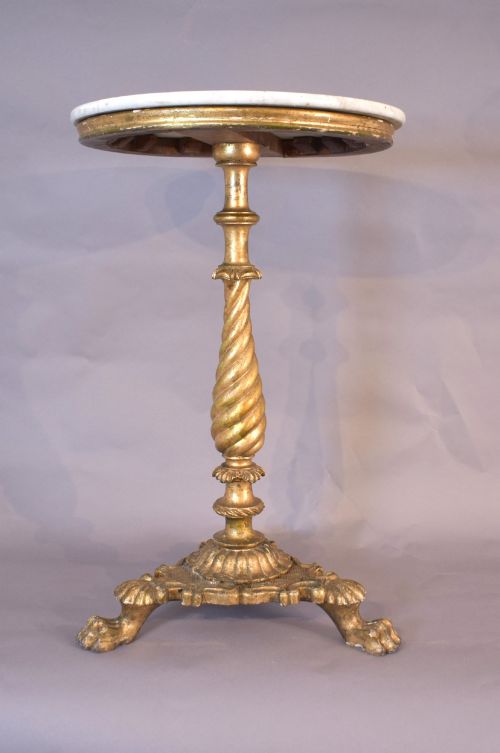
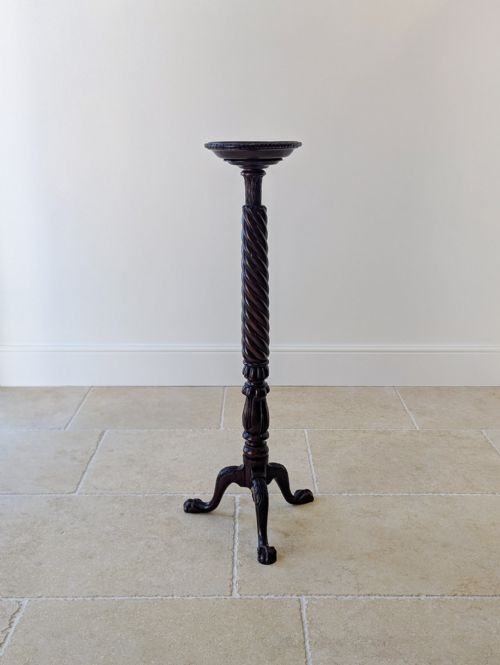
Spiral twist pedestals appear across several centuries, with nineteenth-century Victorian examples and eighteenth-century pieces forming the core of the selection. These pieces function primarily as plant stands, torchères, lamp tables, or independent columns designed to elevate display items.
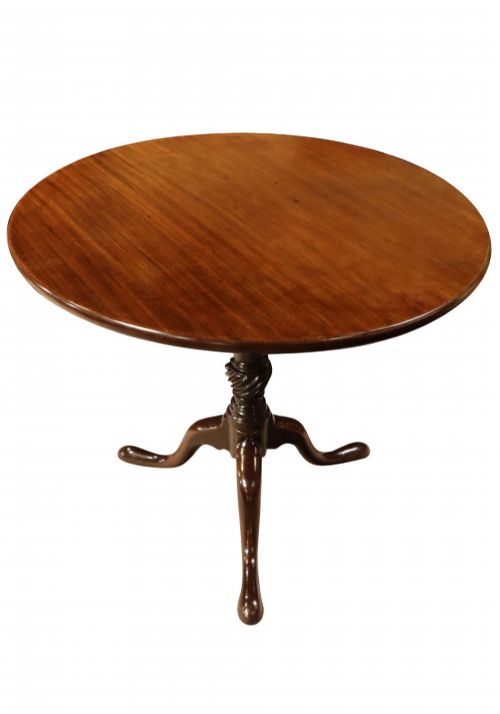
The materials span native and imported timbers alongside stone and marble, reflecting the diverse origins of the surviving stock. Mahogany, walnut, oak, and marble dominate the physical evidence, shaped into tripod occasional tables, torcheres, and tall architectural columns.
Materials and Construction
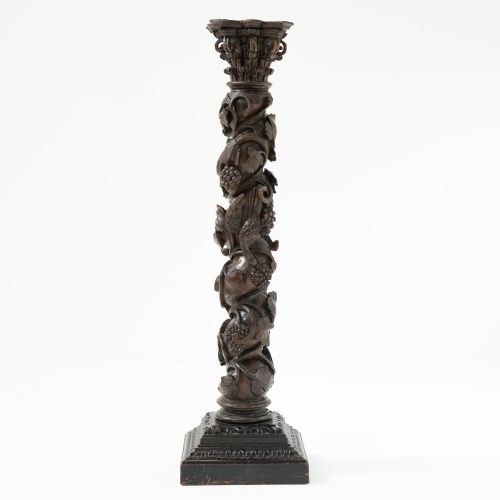
Makers utilised dense hardwoods like mahogany, walnut, and oak to carve the distinctive helical shafts and support heavy tops or statuary. Turning lathes shaped the continuous spirals, while hand-carving defined details on Solomonic columns and tripod bases.
Stone columns incorporate verde antico, green serpentine, and variegated marble sections, often joined to wooden or gilt components. Ebonised finishes, brass fittings, and marquetry surface work appear on selected tables and stands from the Victorian period onwards.
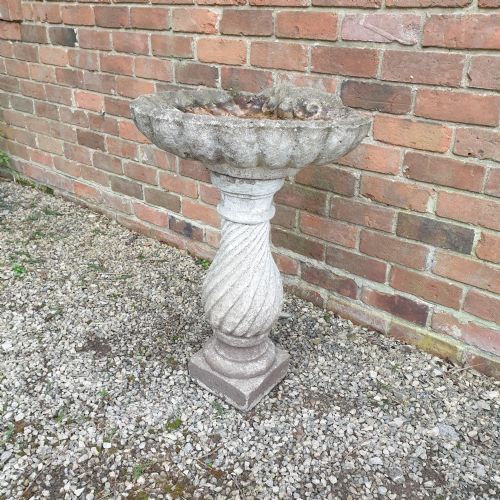
Garden birds find unexpected company in listings that occasionally drift from mahogany tables into carved stone bird baths.
Assessing Quality and Execution
The sharpness and depth of the carved or turned twist indicate the maker's skill, distinguishing crisp hand-cut helices from softer machine work. Timber selection also dictates grade, with figured burr walnut, rich mahogany, and substantial quarter-sawn oak marking out superior examples.
Structural integrity relies on the stability of the central column and the tightness of joints where the shaft meets the tripod legs or circular base. Heavier stone and marble columns demand precise balancing and solid internal pinning to sustain weight safely.
The Spiral Twist Pedestals Glossary
- Solomonic column
- A twisted, helical shaft resembling a vine-wound pillar, originating in classical architecture and revived in seventeenth- and eighteenth-century furniture. This form provides the characteristic movement seen in many antique pedestals.
- Torchere
- A tall, slender stand designed specifically to hold a candelabrum or lamp. In later periods, these served frequently as plant stands or display plinths.
- Tripod base
- A three-legged support structure commonly fitted to occasional tables and lamp stands to ensure stability on uneven floors. This configuration allows slender central columns to carry weight without tipping.
- Verde antico
- A dark green serpentine breccia marble valued for its mottled appearance and classical associations. It appears frequently in nineteenth-century French and English decorative columns.
- Occasional table
- A small, movable table intended for specific, intermittent use such as holding drinks or small decorative items. Many examples feature central turned pillars or twist columns.
Spiral Twist Pedestals: Frequently Asked Questions
What is a spiral twist pedestal used for?
These pieces serve primarily to elevate lamps, floral arrangements, sculptures, and decorative objects within a room. Their vertical height draws the eye upward and makes efficient use of floor space.
Historically, specific forms like torchères and plant stands were built to showcase prized botanical specimens or provide task lighting before electricity became widespread.
How do I date an antique twist pedestal?
Dating relies on timber choice, tool marks, and stylistic revival markers typical of Georgian, Victorian, or Edwardian cabinetmaking. Secondary woods and construction joints often reveal the manufacturing era.
Heavier, highly polished rosewood and walnut typically point to Victorian production, whereas eighteenth-century pieces often display hand-carved solid oak or mahogany surfaces with distinct patination.
Are marble columns stable enough for heavy items?
Stone and marble columns possess substantial weight that naturally anchors them against accidental knocks. However, their centre of gravity depends heavily on the width of the base.
When placing precious or heavy objects on top, ensure the column rests on an even, solid floor surface to prevent any risk of tilting.
What is the difference between a torchere and a plant stand?
Torchères historically carried candles or lamps, featuring smaller tops designed for focused illumination. Plant stands often incorporated waterproof liners, stone tops, or wider platforms to accommodate ceramic jardinieres and damp pots.
In modern usage, the terms frequently overlap as collectors adapt both forms for general display purposes.