

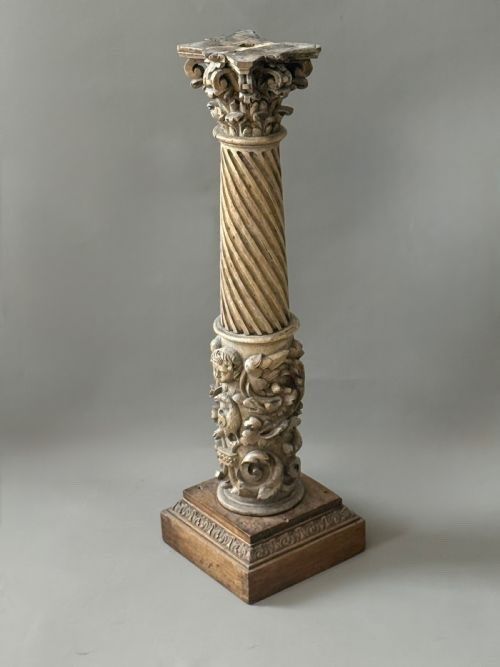


Spiral Carved Pedestal
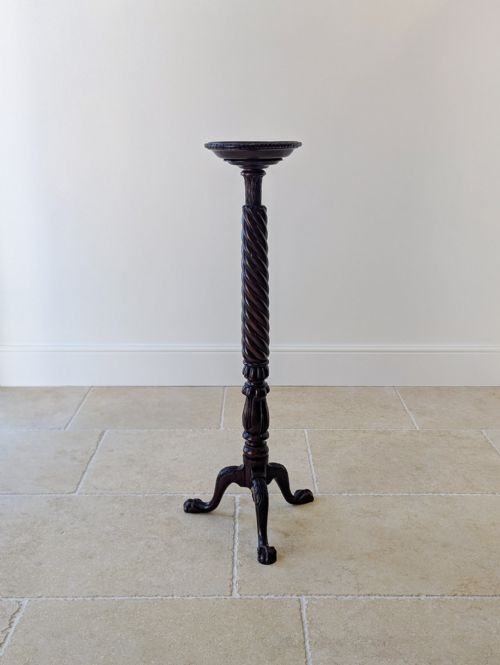
A spiral carved pedestal is a sculptural support piece that elevates objects or illuminates corners, bringing rich texture and classical proportion to an interior.
Spiral Carved Pedestal
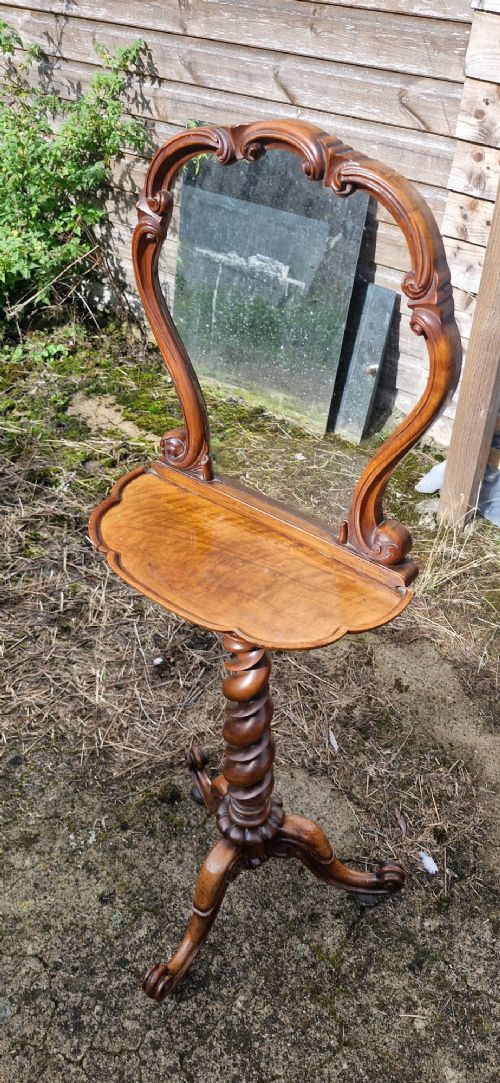
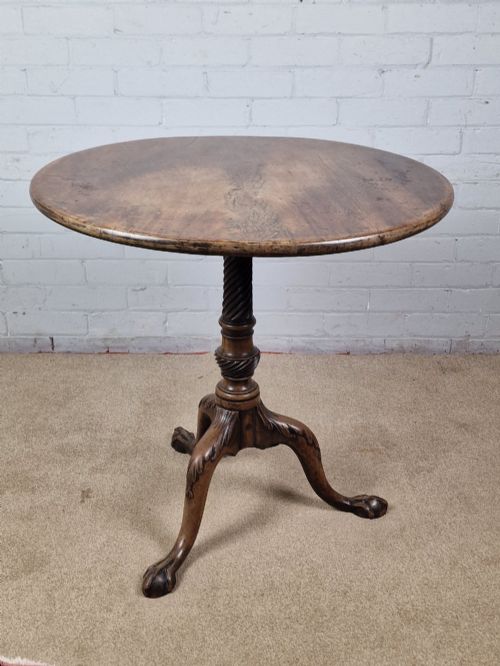
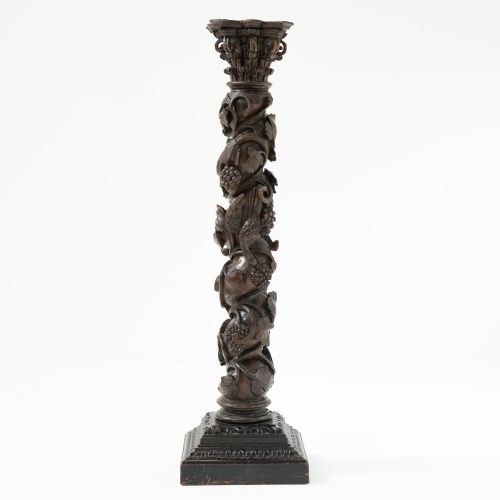
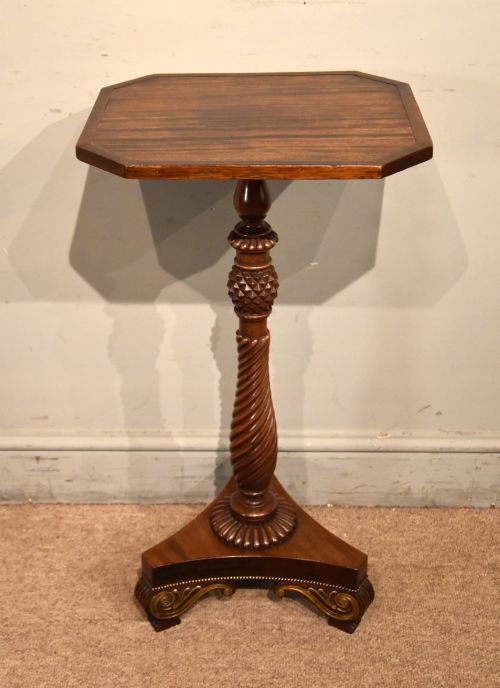
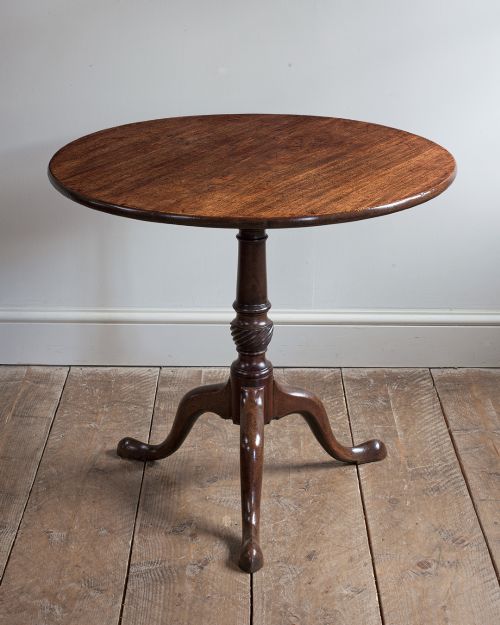
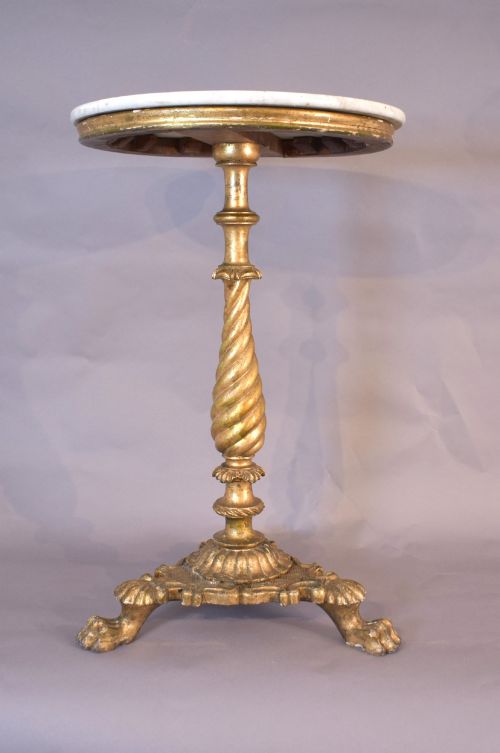
A spiral carved pedestal takes the form of a column, torchère, plant stand or pillar, designed to raise lamps, urns or art pieces above floor level. The pieces found here span centuries of craftsmanship, stretching from earlier oak examples to nineteenth-century mahogany and walnut iterations.
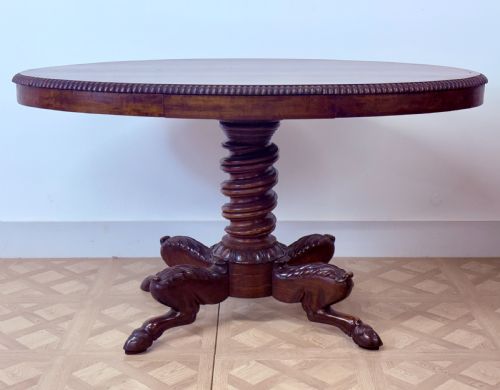
Most items meeting this search on the page belong to the Victorian and Georgian eras, appearing alongside occasional tables, tripods and display columns. Makers utilised various woods and marbles to construct these supports, resulting in substantial monumental pillars as well as slender lamp tables.
Materials and Construction Techniques
Makers shaped these supports primarily from dense hardwoods like mahogany, walnut and oak, often turning the timber on a lathe to achieve the characteristic twist. Cabinetmakers applied hand-carving techniques to refine the spiral lobes, sometimes enriching the surfaces with boxwood stringing or gesso details.
Stonemasons and marble-workers produced classical columns using verd antico, green serpentine and variegated marbles, mounted on timber or gilt bases for stability. These heavier stone and wood components required precise joinery to ensure the completed pedestal could support heavy urns or decorative bronzes.
Secret drawers lurk within some nineteenth-century walnut tables, ready to guard tiny lost treasures.
Assessing Craftsmanship and Proportion
Quality rests in the crispness of the twist and the integrity of the timber, where hand-carved spiral columns display depth and fluidity that machine-cut turns lack. Superior examples maintain balanced proportions between the capital, the spiralling shaft and the heavy tripod or plinth base.
The choice of material heavily dictates the standing of the piece, with figured burr walnut, rich mahogany and genuine serpentine marble marking out finer workshops. Structural soundness matters greatly in tall stands, where original weight distribution prevents tipping.
The Spiral Carved Pedestal Glossary
- Torchere
- A tall, slender stand designed specifically to hold a lamp, candlestick or small decorative object. These pieces frequently feature carved columns and tripod legs.
- Solomonic
- A term describing a spiral column or twisted shaft resembling the pillars of Solomon's Temple. It is commonly seen in seventeenth and eighteenth-century carving.
- Tripod table
- A small table or stand supported by three legs branching from a central pillar. This configuration provides steady footing on uneven floors.
- Teapoy
- A small occasional table or box originally used to store and serve tea. Victorian examples often incorporate decorative pedestals and internal compartments.
- Gesso
- A plaster-like material applied to wood surfaces and carved or gilded. It provides a smooth base for decorative finishes on gilt-wood stands.
Spiral Carved Pedestal: Frequently Asked Questions
What were pedestals originally used for?
These pieces served to elevate lamps, sculptures, urns and floral arrangements to eye level within formal rooms. They allowed homeowners to display decorative arts effectively in corners or beside seating.
Over time, variations like the teapoy or spirits table combined the display function with storage compartments for domestic hospitality.
How do I spot a Victorian pedestal?
Victorian examples frequently utilise dark mahogany or walnut, featuring robust turned spiral pillars and tripod bases. They often show heavier ornamentation and revival styles influenced by earlier periods.
Makers of this era embraced machine assistance alongside hand carving, resulting in sharply defined twists and practical lamp tables.
Are these stands stable enough for daily use?
Solid timber construction and heavy marble bases provide natural stability for everyday placement in a home. Tripod legs distribute weight evenly, though tall torchères benefit from placement out of heavy traffic paths.
Checking the tightness of the central joint ensures the column remains secure on its base.
How do I distinguish marble columns from wood?
Stone columns utilise materials such as verd antico and green serpentine, offering cool temperatures to the touch and natural veining patterns. Wooden alternatives rely on painted finishes, gesso or polished timber grains like burr walnut and mahogany.
Lifting or tapping the material immediately clarifies whether the column is carved from solid stone or turned timber.