



Spindle Side Table
A spindle side table offers practical surface space rooted in periods from the eighteenth century to the twentieth.
Spindle Side Table
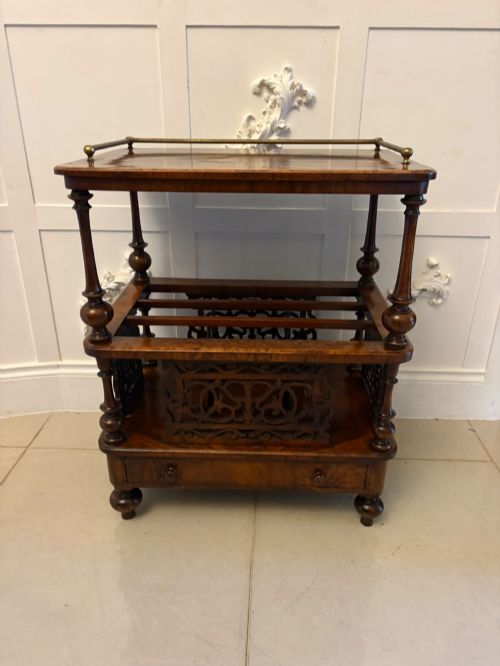
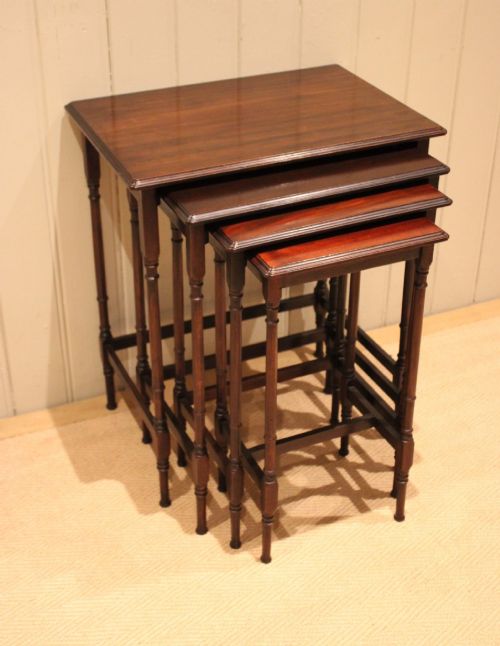
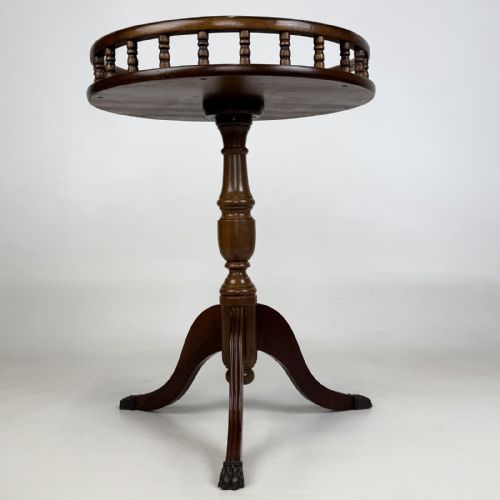
A spindle side table brings together compact occasional furniture designed for everyday placement beside chairs or against walls. When searching for a spindle side table, buyers encounter forms ranging from circular lamp tables and square centre tables to nests of four tables and multitiered etageres.
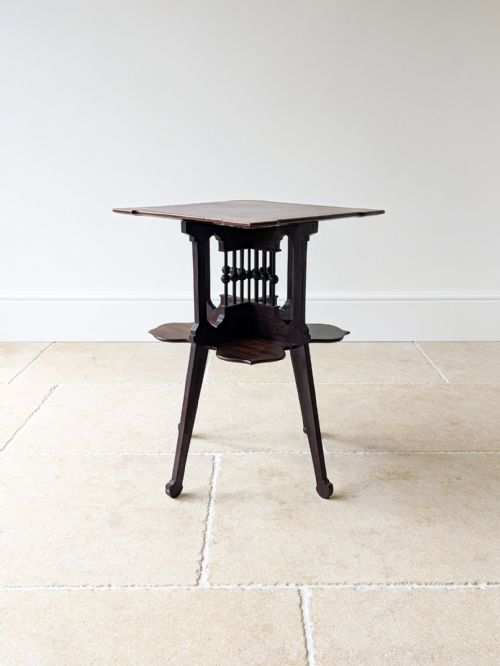
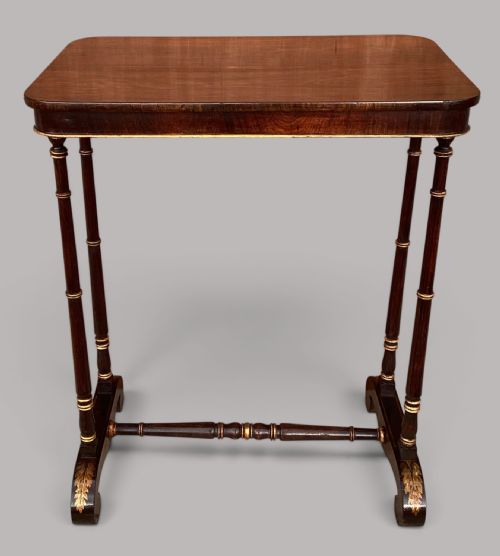
The periods represented span from the eighteenth century through the Victorian and Edwardian eras up to the nineteen-twenties. Common styles include Aesthetic Movement, George III, Regency, and Arts and Crafts.
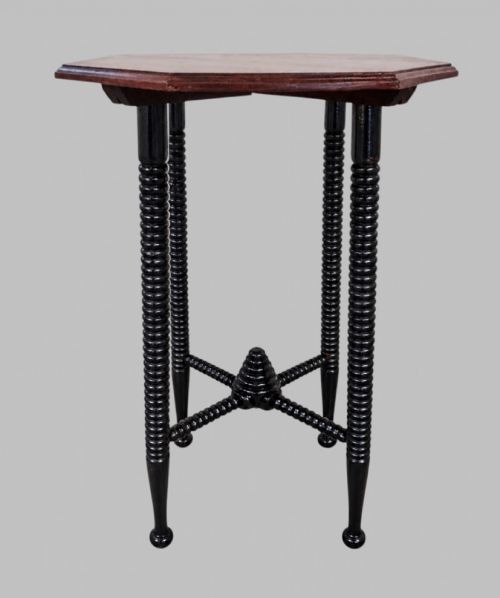
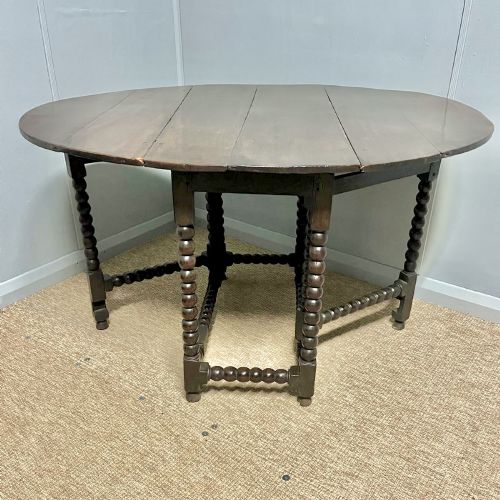
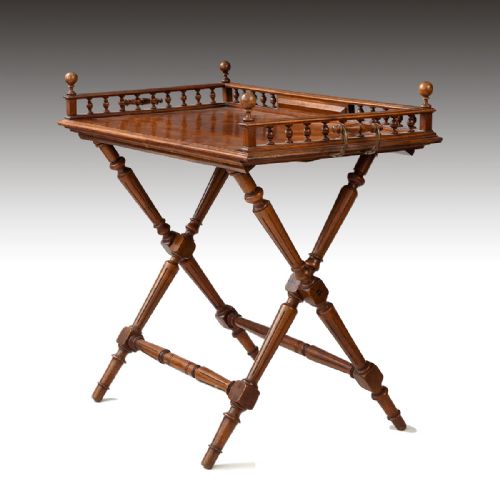
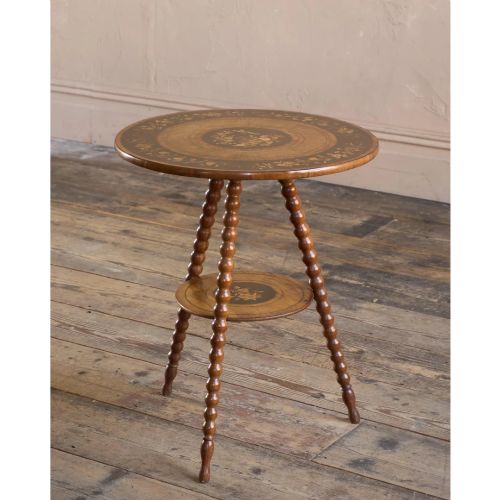
Materials vary widely across these pieces, featuring mahogany, walnut, rosewood, oak, and ebonised wood alongside brass and ceramic elements. Forms also include wine tables, butlers trays on stands, and occasional tables with bobbin legs or turned spindle bases.
How they were made
Cabinet makers utilised solid timbers such as mahogany, walnut, oak, and rosewood, frequently applying veneer surfaces to tabletops and structural elements. Ebonised wood finishes provide a dark, uniform appearance seen in numerous nineteenth-century examples.
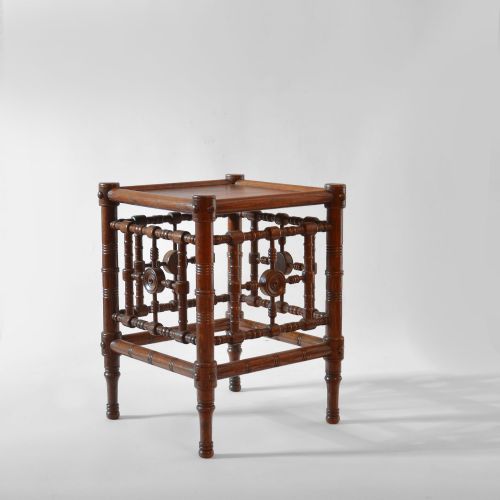
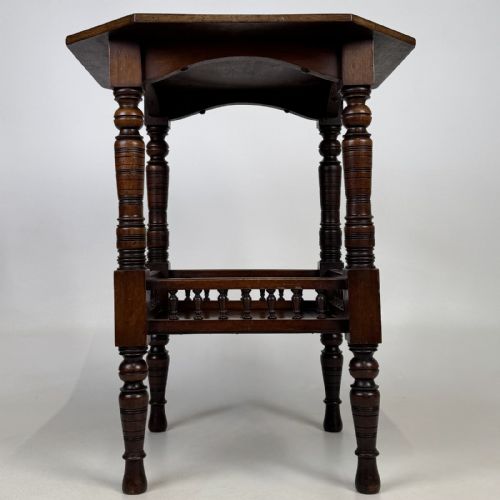
Turning techniques created the distinctive bobbin and spindle legs characteristic of many pieces, often paired with brass fittings, ceramic details, or inlay work. Construction methods also encompass marquetry decoration, galleried edges, and tiered shelving supports.
Spindle Side Table Retail Price Guide 2026
Typical asking prices for spindle side table among the pieces listed under this phrase on Sellingantiques today, from the lower quarter to the upper quarter. They describe what is for sale here now, not the wider market.
Periods range from the eighteenth-century George III era through Victorian and Edwardian times.
What varies in quality
The selection of timber grain and the precision of the turning work on legs and spindles differentiate examples. Highly figured walnut or mahogany veneers and crisp inlay demonstrate superior execution by the maker.
Structural integrity relies on the soundness of joints, whether supporting a revolving top, a nest of tables, or a multitiered etagere. Details such as galleried rims and brass mounts reflect the original ambition of the piece.
The Spindle Side Table Glossary
- Spindle
- A turned wooden rod, often slender and cylindrical, used repetitively as a structural or decorative support beneath a tabletop or shelf.
- Etagere
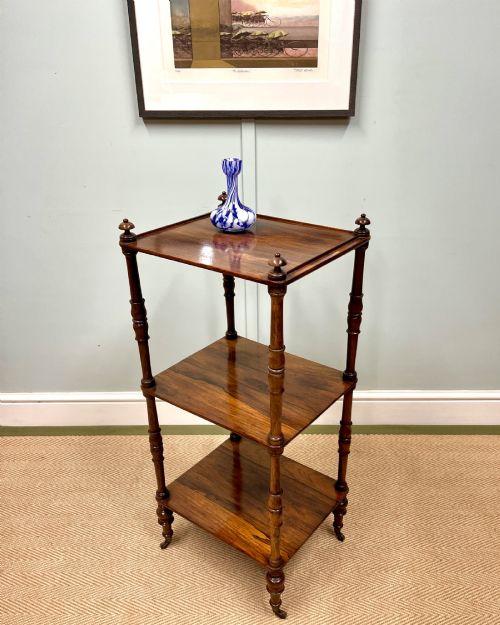
- A piece of furniture consisting of a set of open shelves for displaying small objects, appearing in walnut and mahogany forms.
- Aesthetic Movement
- A late nineteenth-century design style emphasising visual qualities over narrative subject matter, frequently seen in ebonised or oak tables.
- Marquetry
- The art and craft of applying pieces of veneer to a structure to form decorative patterns, visible on select Edwardian tables.
- Butlers Tray
- A portable wooden tray with hinged or shaped sides, designed to sit upon a folding stand as a functional surface.
Spindle Side Table: Frequently Asked Questions
Where do I put a spindle side table?
These tables fit easily beside seating arrangements in a living room or serve as lamp tables in a hallway. Their compact footprints allow them to occupy corners or narrow spaces without crowding the room.
Multi-tiered versions and nests of tables provide adaptable surface areas that adjust according to daily requirements. They function effectively wherever a modest resting place for books, drinks, or lighting is needed.
How do I identify an Aesthetic Movement table?
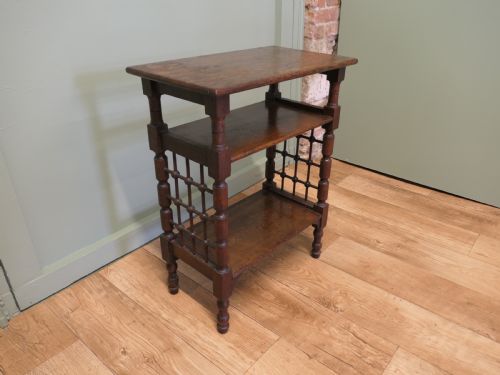
Aesthetic Movement tables typically feature ebonised wood surfaces, clean geometric lines, and structural elements inspired by Japanese or Gothic design. They often incorporate lower shelves or square tops dating from the late nineteenth century.
Makers working in this style focused on simplicity of form and decorative surface contrast rather than traditional period revival motifs. Their dark finishes and spindle details distinguish them from standard Victorian occasional furniture.
What is the difference between a side table and an etagere?
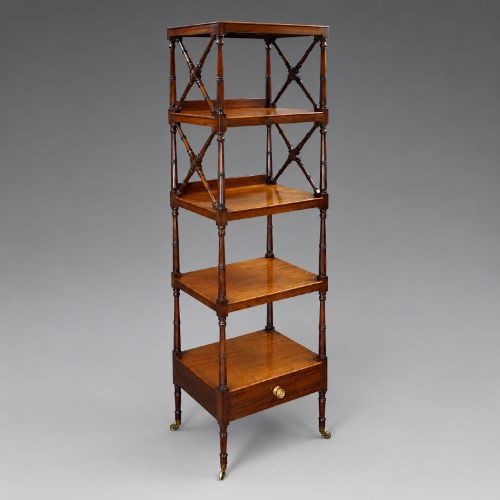
A side table provides a single primary surface supported by legs, pedestals, or a spindle base for general placement. An etagere incorporates multiple open tiers or shelves arranged vertically to hold objects at different heights.
While both serve functional roles in interior placement, the etagere emphasises tiered display space. Examples in the evidence utilise turned legs and walnut or mahogany construction across multiple levels.
How do nest of tables work?
A nest of tables consists of a set of graduated tables designed to slide neatly beneath one another when not in use. This arrangement provides multiple surfaces that deploy independently for entertaining or daily tasks.
Quarterly nests or sets of four tables utilise matching timbers such as mahogany to maintain a cohesive appearance. They offer space-saving versatility while retaining the decorative character of freestanding occasional tables.