
Specimen Cabinet Drawers
Specimen cabinet drawers are compact banks of shallow compartments designed for sorting natural history items, medical samples and small treasures.
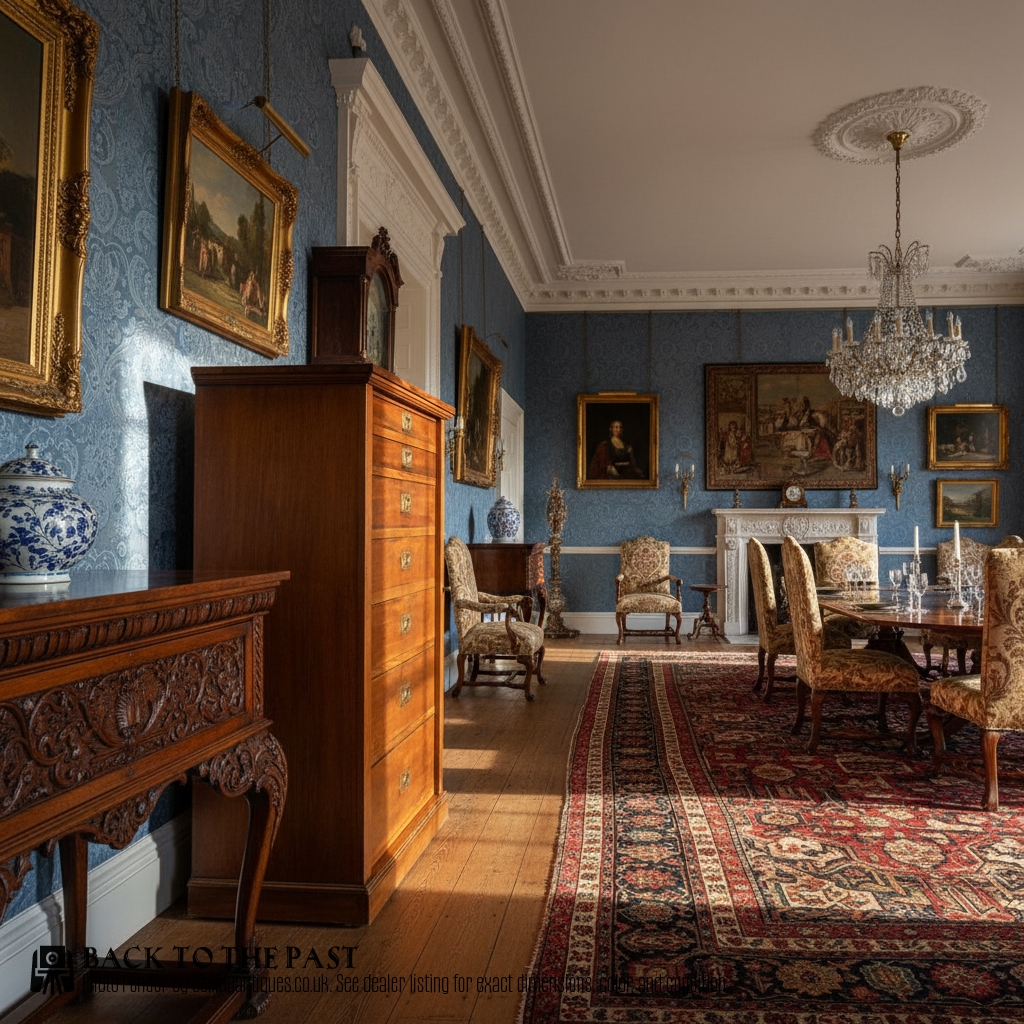
Specimen Cabinet Drawers
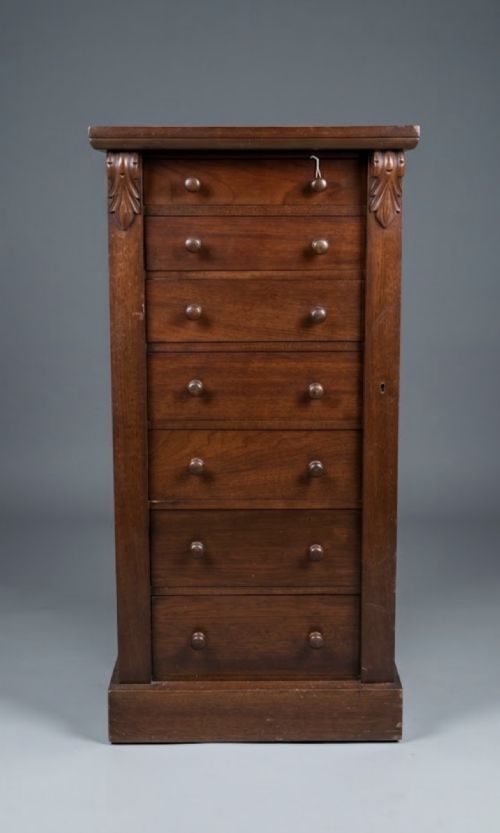
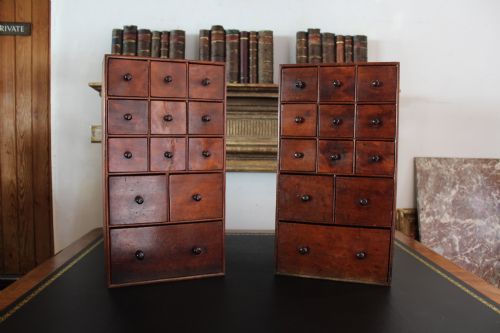
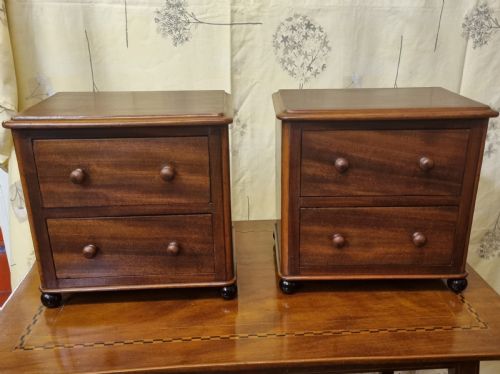
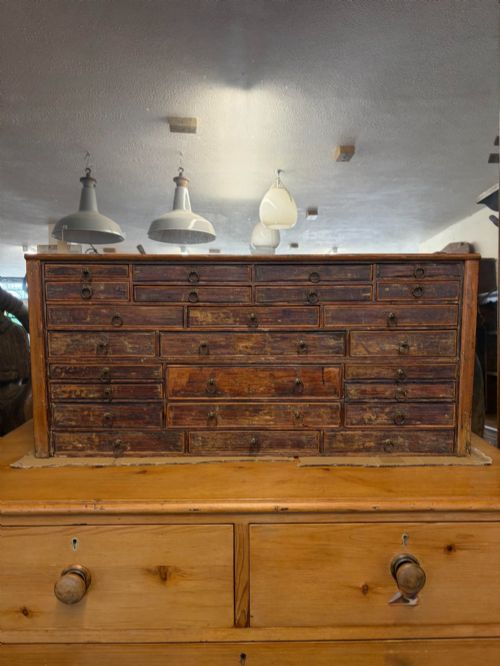
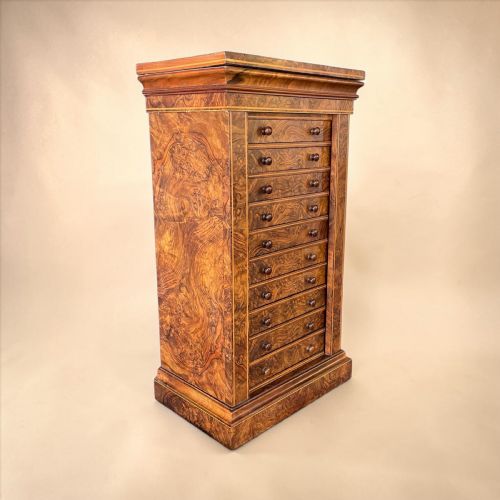
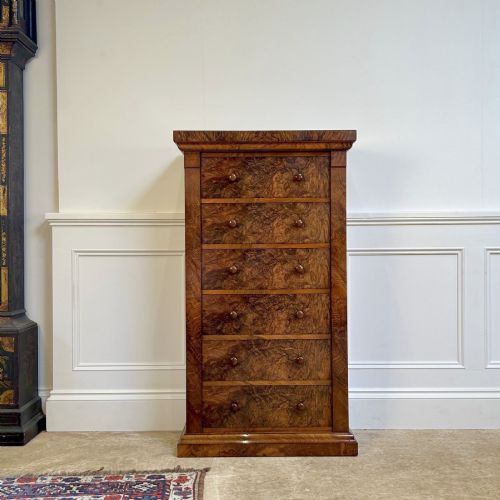
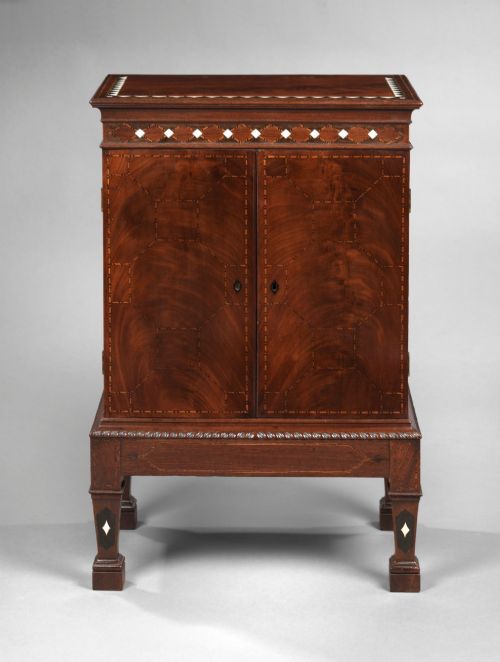
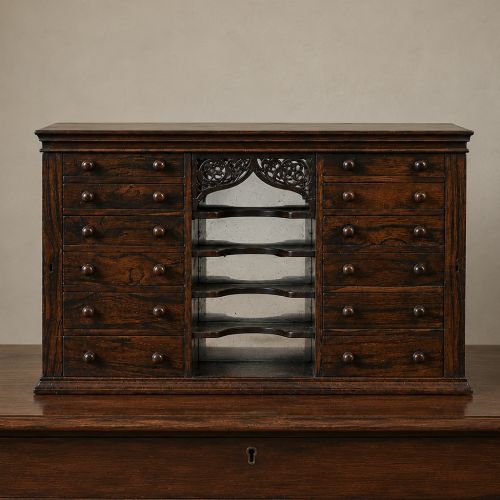
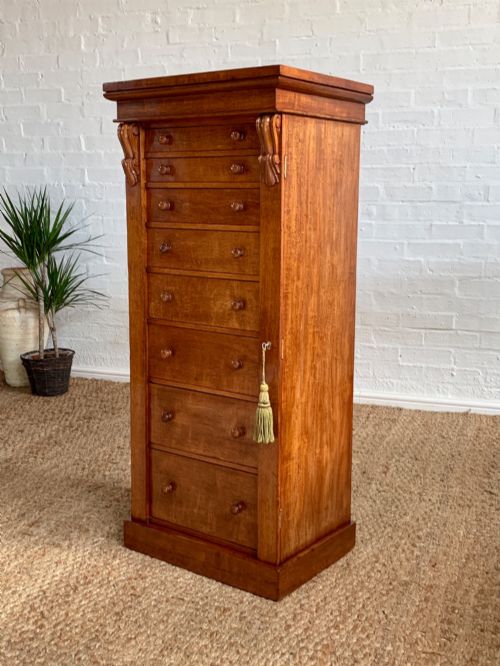
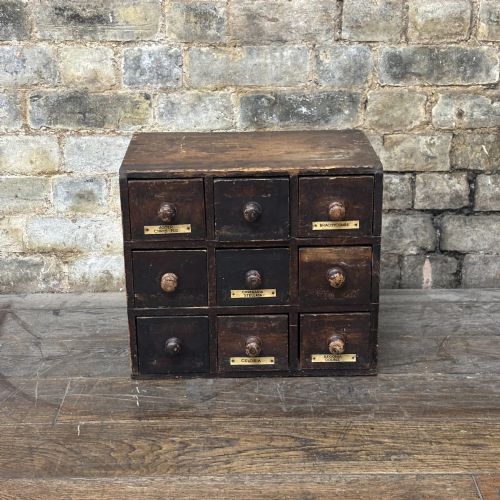
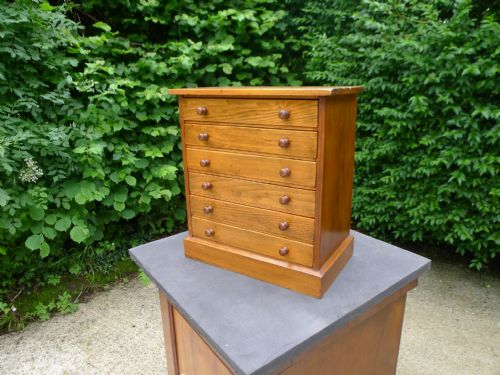
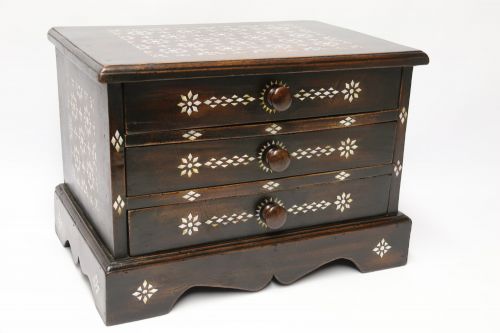
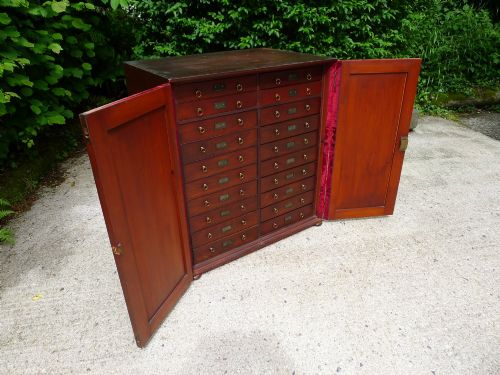
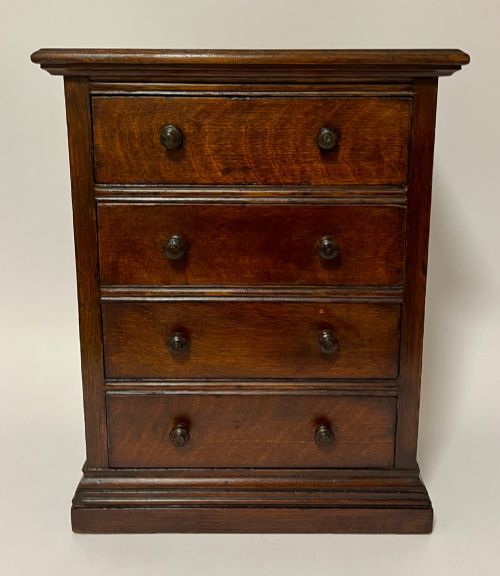
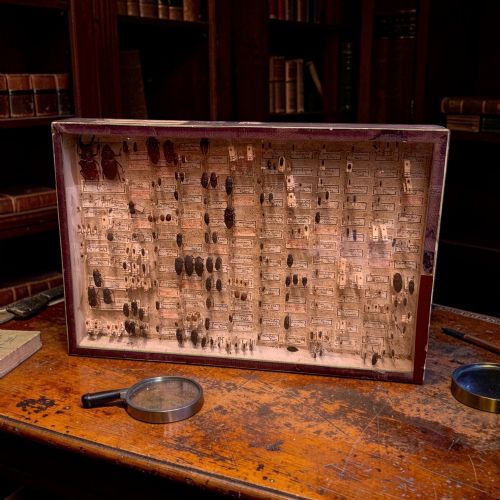
Specimen cabinet drawers appear as multi-drawer chests, tabletop units, and tall banks originating mainly from the Victorian and Edwardian eras. These pieces include apothecary chests, entomology cases, and Wellington chests intended for organised storage.
Buyers commonly encounter mahogany, oak, and pine constructions housing numerous small wooden trays. Many examples reflect utilitarian workshop origins alongside domestic collector furniture.
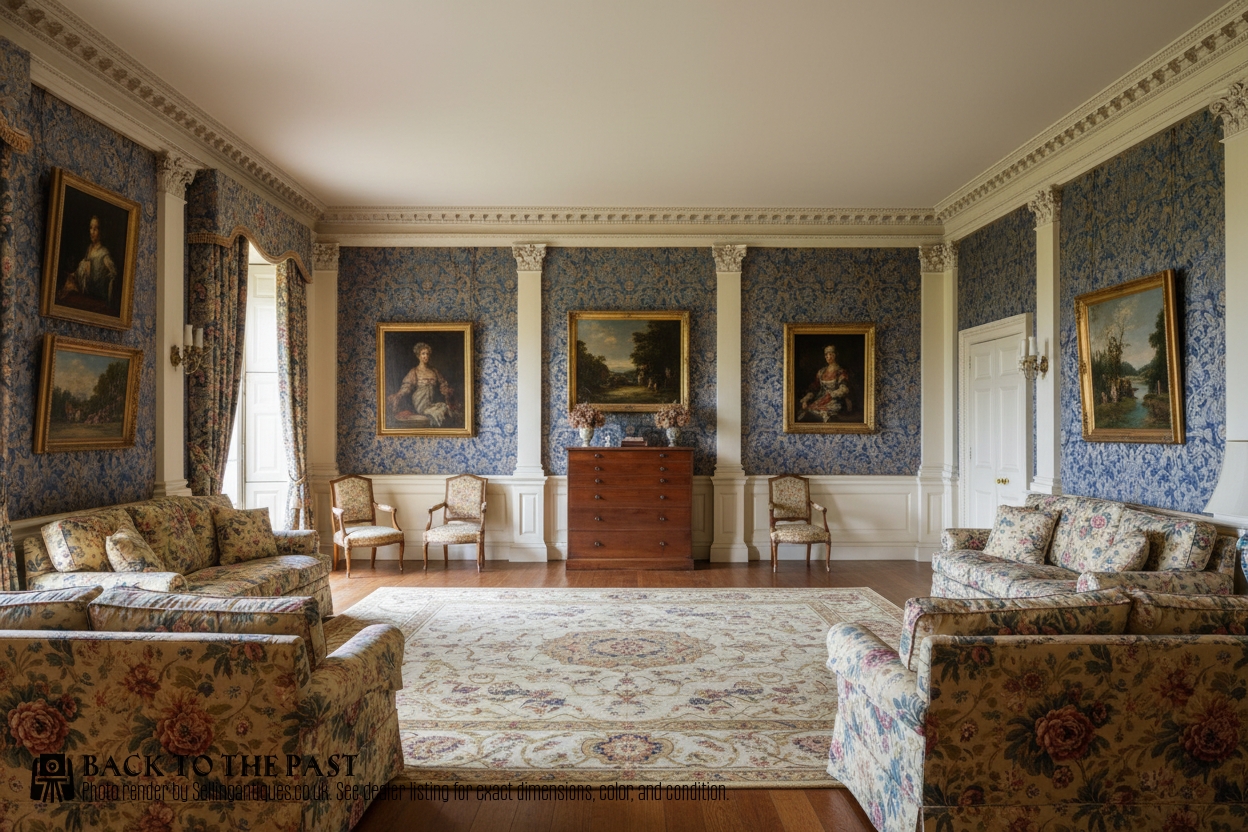
How they were made
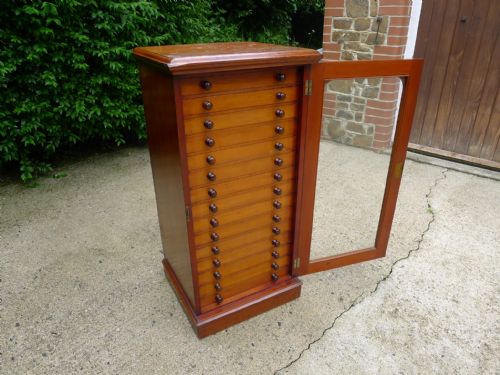
Cabinetmakers utilised hardwoods such as mahogany, walnut, and oak alongside pine and deal for internal framing. Brass fittings, turned knobs, and occasionally glass doors or panels completed the housing for sensitive contents.
Construction methods focused on tight-fitting joints to protect contents from dust and light. Drawers often incorporated fine dovetails and specialised internal dividers suited to specific scientific or commercial uses.
The inventory includes specialised forms such as chemist chests, seed drawers, microscope slide cabinets, and miniature apprentice pieces.
What varies in quality
Quality rests in the precision of the drawer fit and the selection of timber, such as figured mahogany or burr walnut. Superior examples display refined secondary woods, original brass hardware, and specialised internal configurations.
Maker attribution and scale influence the standing of a piece. Large multi-drawer banks from noted workshops contrast with simpler provincial pine or deal storage units.
Luxmore's of Ilfracombe·Messrs Watkins & Doncaster·Brady of Edmonton·D Napier & Sons
The Specimen Cabinet Drawers Glossary
- Wellington chest
- A tall, slender chest of drawers secured by a hinged locking side stile that fastens over the drawer edges. This form originated in the nineteenth century and often houses specimen collections.
- Apothecary chest
- A multi-drawer cabinet originally utilised by chemists and pharmacists for storing medical ingredients and herbs. These pieces feature numerous small drawers, sometimes retaining original labels.
- Entomology case
- A specialised cabinet or drawer set built specifically for housing insect specimens. They incorporate tight seals and shallow depths to protect delicate collections.
- Deal
- A soft timber cut from fir or pine trees, commonly utilised for secondary framing and utilitarian cabinet carcases. It provides a pale, plain surface often stained or painted.
- Dovetail
- A joint formed by interlocking wedge-shaped fingers, utilised in drawer construction for strength and durability. Fine, numerous pins indicate skilled craftsmanship.
Specimen Cabinet Drawers: Frequently Asked Questions
What were specimen drawers originally used for?
These drawers served scientists, naturalists, and apothecaries for storing insects, geological samples, botanical specimens, and medical ingredients safely. The shallow depth prevented items from sliding or sustaining damage during sorting.
Collectors also utilised smaller tabletop chests and Wellington units in private studies to organise small valuables and documents.
How do I date a set of specimen drawers?
Dating relies on timber selection, construction techniques, and brass hardware styles across the Georgian, Victorian, and Edwardian periods. Mahogany and oak dominate earlier pieces, while pine and deal often appear in later utilitarian workshop furniture.
Makers' marks, brass lock stamps, and specific drawer configurations help narrow down the decade of production.
Can I use these drawers for modern storage?
The shallow compartments suit the organisation of modern stationery, jewellery, craft supplies, and small collections. Their compact footprints allow placement on desks, tabletops, or as standalone floor cabinets.
Care should be taken to check drawer dimensions to ensure compatibility with modern items.
Are these cabinets typically made of solid wood?
Most period examples utilise solid hardwoods such as mahogany, walnut, and oak for visible surfaces and drawer frames. Secondary timbers like pine or deal frequently appear in drawer linings and carcase backs.
Inlays and veneers, including burr walnut and satin birch, decorate finer nineteenth-century examples.