





South West Persian Textile
A south west persian textile brings the nomadic weaving traditions of the Fars province directly into your home.
South West Persian Textile
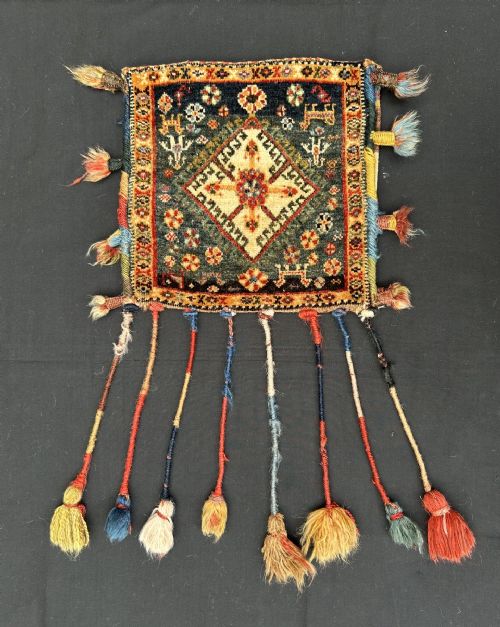
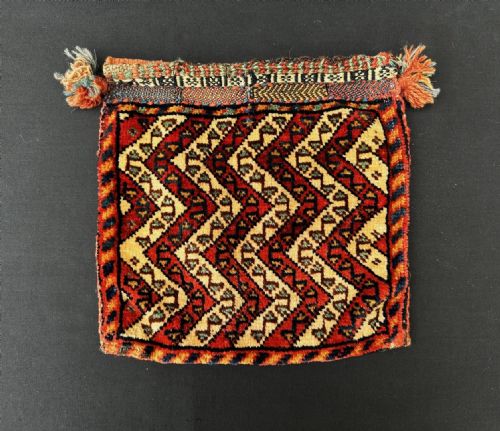
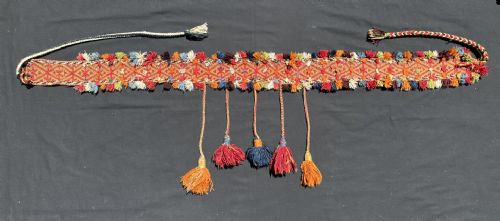
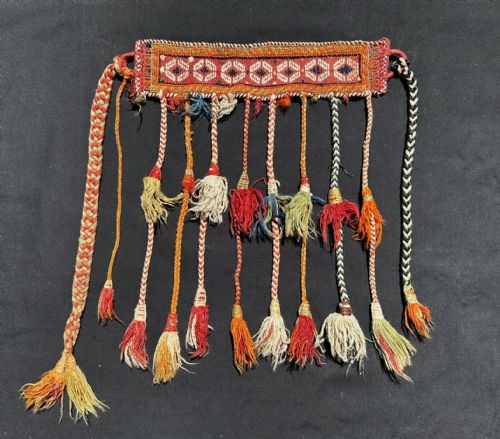
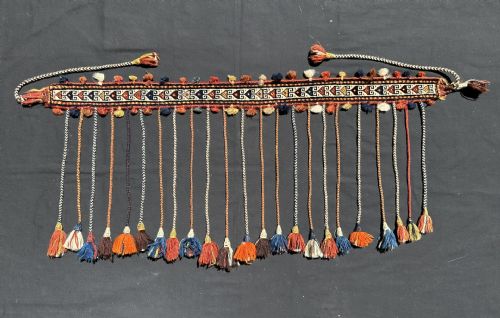
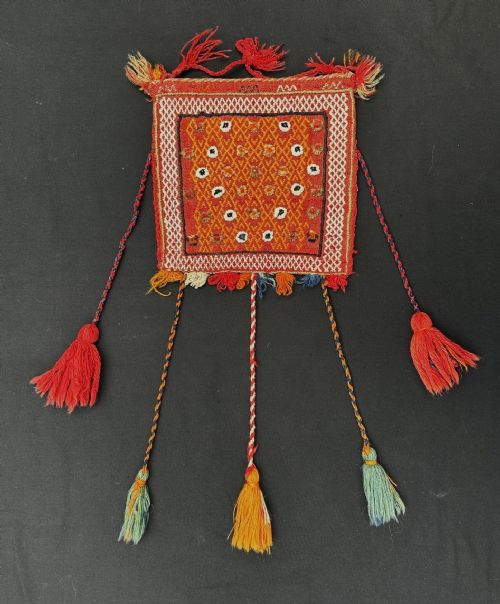
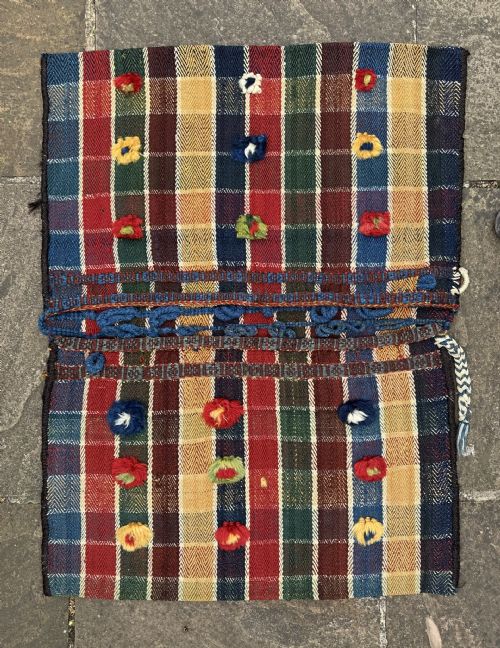
A south west persian textile comprises nomadic weavings created by tribes of the Qashqa'i Confederacy and related groups in the Fars province. These items serve both practical and decorative functions within tribal life, ranging from animal trappings and horse blankets to storage bags and vanity pieces.
You are most likely to encounter utilitarian forms such as saddle-bag faces, salt-bags, and utility bags produced between the late nineteenth century and the early decades of the twentieth century. These objects represent the daily artistic output of groups such as the Bolvardi, Kashkuli Tayefeh, Darrehshuri, and Shekarlu sub-tribes.
The objects display distinct regional characteristics rooted in nomadic culture, often featuring hand-knotted pile or flat-woven structures. Each piece reflects the functional requirements of pastoral life alongside traditional tribal visual patterns.
What varies in quality
Quality rests upon the fineness of the knotting and the handling of the wool. Tighter structures and well-prepared hand-spun wool create greater durability and sharper definition in the motifs.
The depth and variation of natural dyes influence the visual success of a piece. Skilled use of colour creates rich surfaces that develop character over time, while structural integrity across the edges and foundations determines the overall preservation of the textile.
Nomadic weavers created specialised containers just for water-pipes and spoons, ensuring that even smoking gear travelled in proper style.
The South West Persian Textile Glossary
- Qashqa'i Confederacy
- A major association of nomadic and semi-nomadic Turkic-speaking tribes based in the Fars province of south-west Persia. They are responsible for a large proportion of the tribal weavings found in this region.
- Tayefeh
- A term denoting a clan, sub-tribe, or specific lineage group within the broader tribal confederacy. Identifying the tayefeh helps pinpoint the origin of a weaving.
- Saddle-bag face
- The decorative front panel of a larger pack animal bag, preserved after the plain back and sides have worn away. These panels showcase the primary ornamental weaving of the object.
- Moj
- A traditional type of flat-woven tribal textile or coverlet produced in south-west Persia. These pieces utilise distinctive geometric layouts and weave structures.
- Natural dyes
- Colourants extracted from plants, insects, and minerals rather than synthetic chemical sources. They impart the characteristic soft tones seen in older tribal weavings.
South West Persian Textile: Frequently Asked Questions
What is a south west persian textile?
A south west persian textile is a nomadic weaving originating from the Fars province, produced primarily by the Qashqa'i Confederacy and associated tribal groups.
These pieces include functional items such as saddle-bags, salt-bags, animal trappings, and horse blankets created for everyday use in pastoral life.
How were these bags used?
Nomadic families utilised these bags for storage, transport on pack animals, and personal organisation inside tents. Specific forms held salt, water-pipes, vanity items, or infant cradles during migration.
Over time, many functional bags lost their plain wool or leather backs, leaving only the decorative face for display.
How do I date these pieces?
Dating relies on stylistic analysis, material evaluation, and structural characteristics typical of late nineteenth and early twentieth-century production.
The presence of hand-spun wool and traditional natural dyes generally points towards the earlier decades represented in this selection.
How do I live with them?
These textiles adapt well to domestic interiors as wall hangings, small floor coverings, or decorative accents on furniture. Their durable wool construction suits areas with moderate foot traffic or display on vertical surfaces.
Protecting them from prolonged direct sunlight preserves the natural dyes used in the wool.