







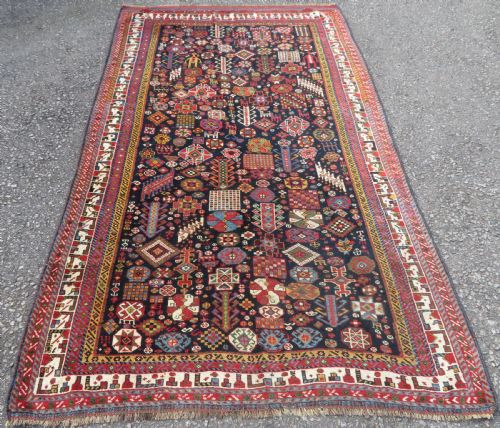
South Persia Carpet
A south persia carpet brings the rich geometric patterns and nomadic artistry of tribes like the Qashqai and Afshar straight into a modern interior.
South Persia Carpet
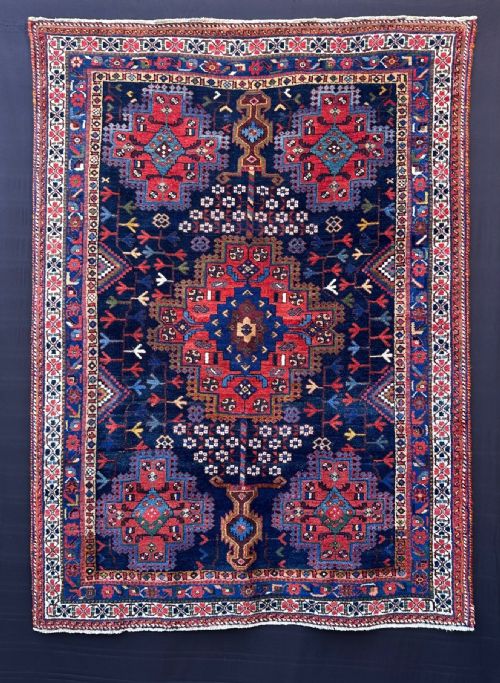
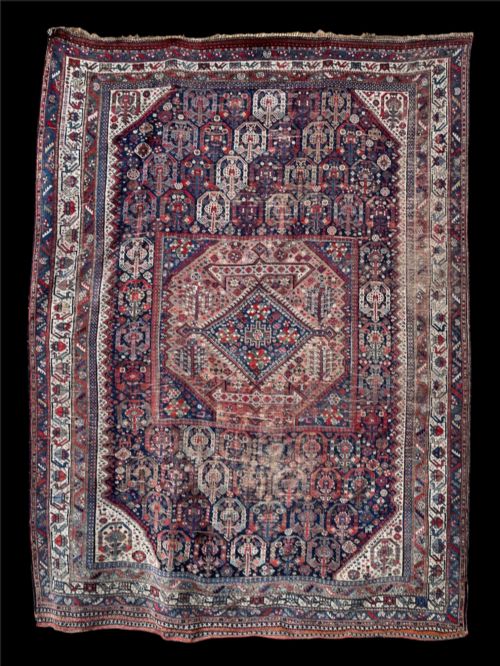
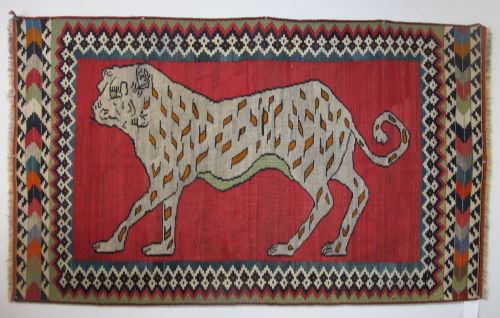
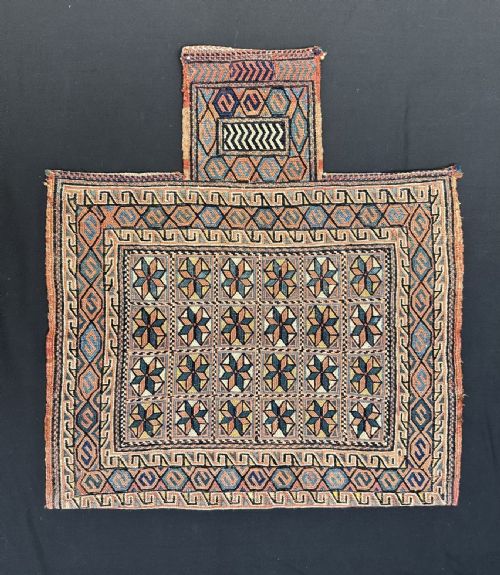
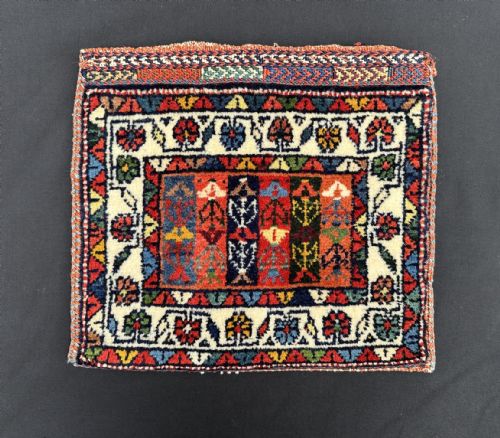
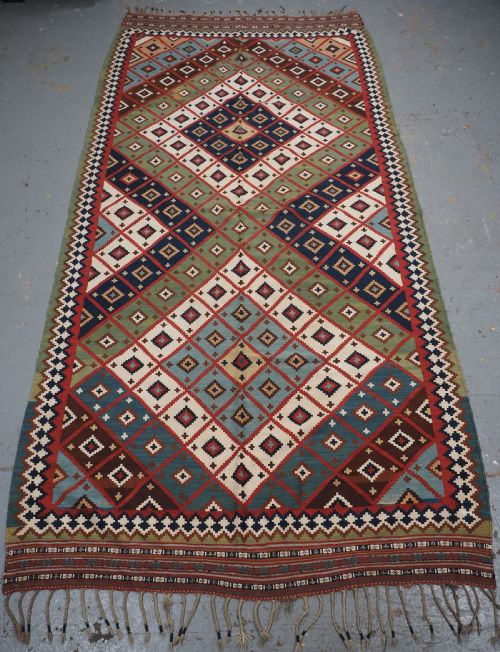
When searching for a south persia carpet, buyers encounter a diverse range of tribal weaving traditions originating from regions such as Fars and Kerman. These pieces span from the nineteenth century into the early twentieth century, taking the form of main carpets, area rugs, runners, and smaller utility items like salt-bags and kilims.
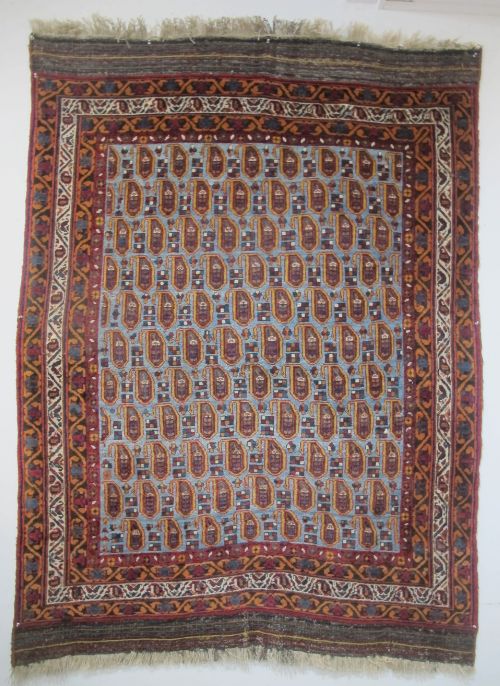
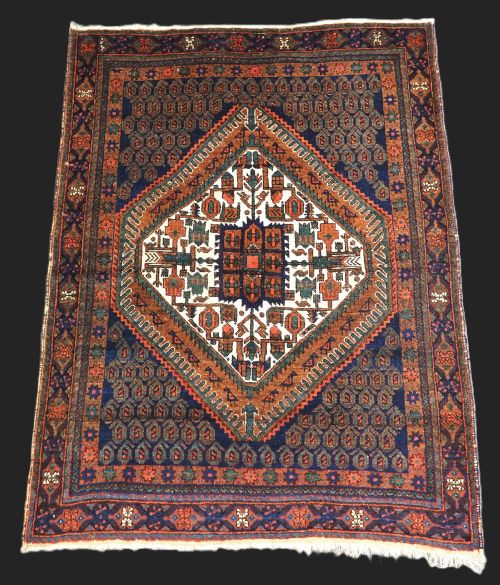
The most common examples on this page are tribal rugs woven by the Afshar, Khamseh confederacy, and Qashqai peoples. Their designs often incorporate traditional motifs, centre medallions, boteh patterns, and figurative elements such as lions, peacocks, or chickens.
Materials and construction
The construction of these textiles relies primarily on wool piles set against cotton foundations, utilising traditional weaving techniques passed down through generations. Artisans employed natural dyes to achieve deep and enduring colour palettes that patinate gracefully over time.
Flatwoven kilims and soumaks represent alternative construction methods within the regional repertoire, foregoing the knotted pile in favour of intricate interlocking weft techniques.
South Persia Carpet Retail Price Guide 2026
Typical asking prices for south persia carpet among the pieces listed under this phrase on Sellingantiques today, from the lower quarter to the upper quarter. They describe what is for sale here now, not the wider market.
Several Khamseh tribal rugs delight observers by incorporating rows of pecking chickens directly into their traditional geometric layouts.
Factors that distinguish quality
The distinction between standard and exceptional examples rests upon the precision of the knotting and the complexity of the tribal design. Tightly woven foundations and well-balanced compositions indicate superior craftsmanship from the weaver.
The vibrancy and depth of the natural dyes significantly influence the visual impact of a piece. Examples that retain rich, saturated colour palettes alongside strong structural integrity stand apart within the range.
The South Persia Carpet Glossary
- Afshar
- A nomadic and settled tribe originating from the Kerman province of south Persia known for producing geometric rugs with small medallions and boteh motifs.
- Khamseh Confederacy
- A coalition of five distinct tribes in south-west Persia whose weavers are celebrated for distinctive patterns including chicken and bird motifs.
- Qashqai
- A prominent confederacy of Turkic-speaking nomadic tribes in the Fars province renowned for highly decorative tribal rugs and kilims.
- Soumak
- A flatweave technique where supplementary weft threads wrap around the warp threads, creating a durable structure with a braided appearance on the face.
- Boteh
- An almond-shaped or paisley motif representing a floral spray or cypress tree, frequently utilised across various south Persian tribal designs.
South Persia Carpet: Frequently Asked Questions
How were these carpets originally used?
Nomadic and village weavers produced these textiles for practical domestic purposes, including floor coverings within tribal tents and houses. Smaller items like salt-bags and vanity-bags served daily storage functions for nomadic life.
Over time, these utilitarian objects gained recognition for their artistic merit, transitioning from functional items to decorative pieces collected for interiors.
How do I tell different tribal designs apart?
Identifying the specific tribe relies heavily on observing recurring motifs and structural characteristics within the weave. Afshar pieces often feature structured geometric layouts associated with the Neiriz region.
Khamseh and Qashqai rugs frequently incorporate distinct field patterns, such as the characteristic chicken designs of the Khamseh or the bold medallion systems of the Qashqai.
How do I live with an antique tribal rug?
Integrating these textiles into a modern interior involves placing them in areas with moderate foot traffic to preserve the wool pile. Using an appropriate underlay helps secure the rug and provides extra cushioning.
Routine gentle care and avoiding direct exposure to harsh sunlight will maintain the natural dyes and protect the wool fibres over the years.
What periods do these pieces date from?
The selection encompasses textiles primarily originating from the nineteenth century up to the early decades of the twentieth century. Dating is determined through stylistic analysis, wool characteristics, and structural evidence.
Pieces from the eighteen-eighties and eighteen-nineties frequently display the characteristic natural dye palettes typical of the era before synthetic alternatives became widespread.