



Solid Wood Refectory Table
A solid wood refectory table brings historic presence and honest construction into a room, offering a sturdy centrepiece built to gather people.
Solid Wood Refectory Table
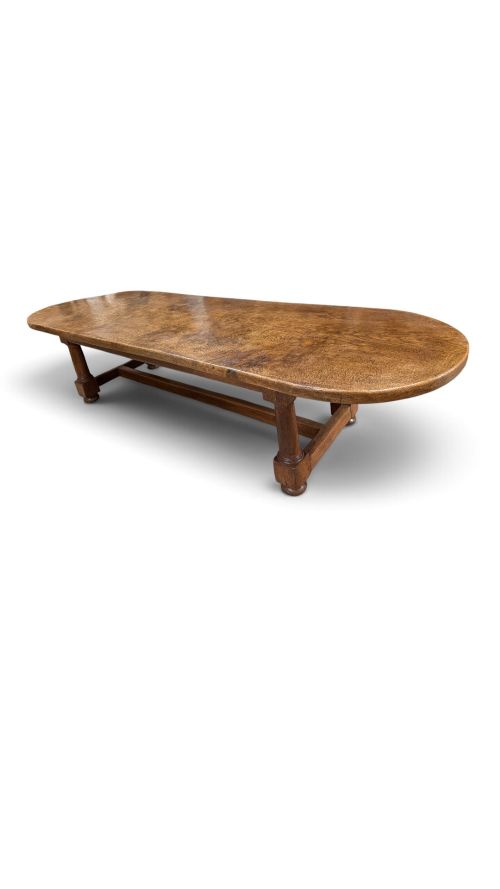
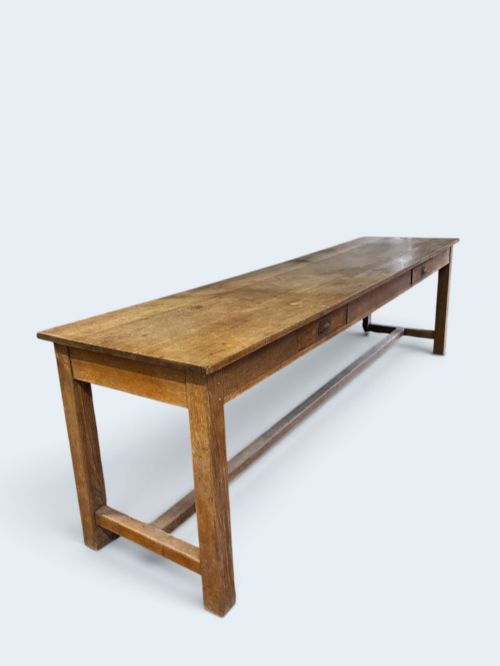
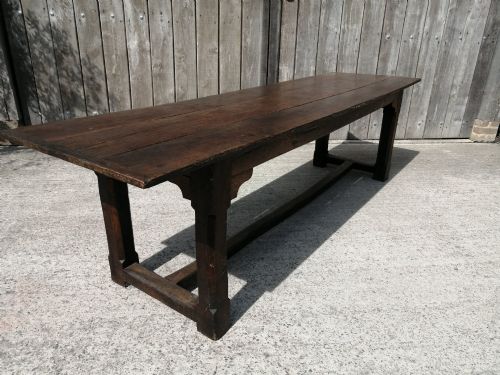
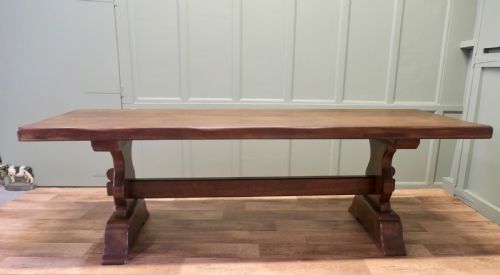
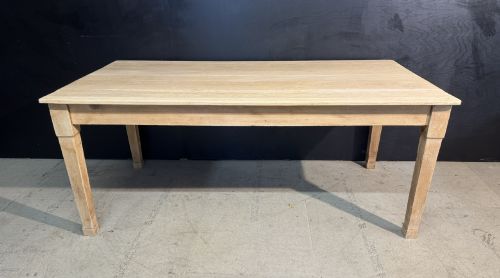
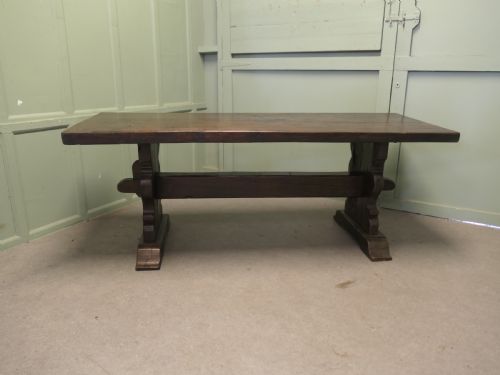
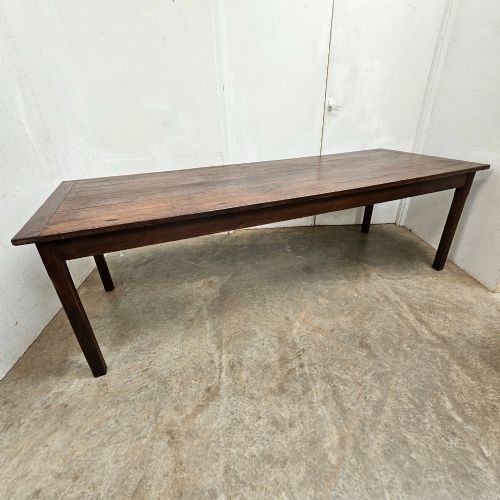
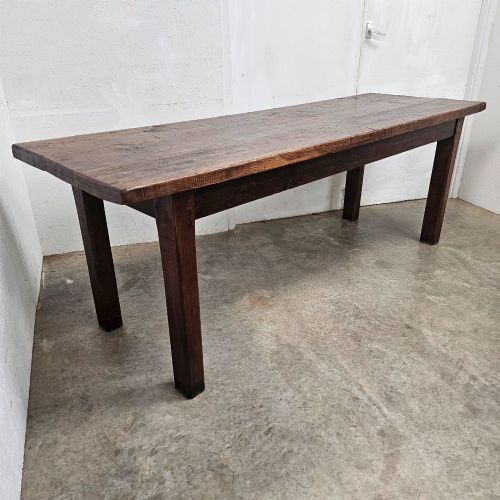
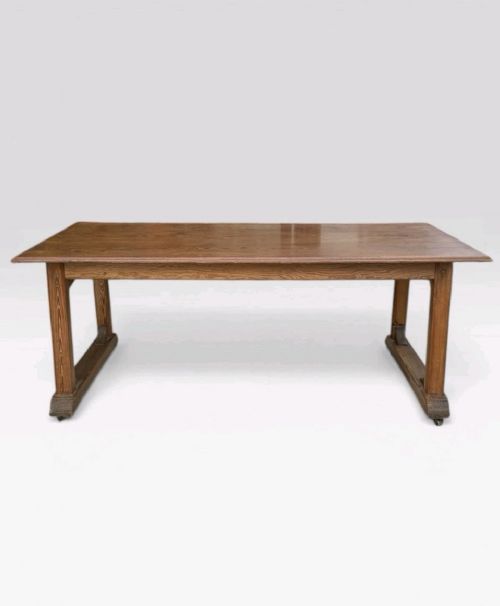
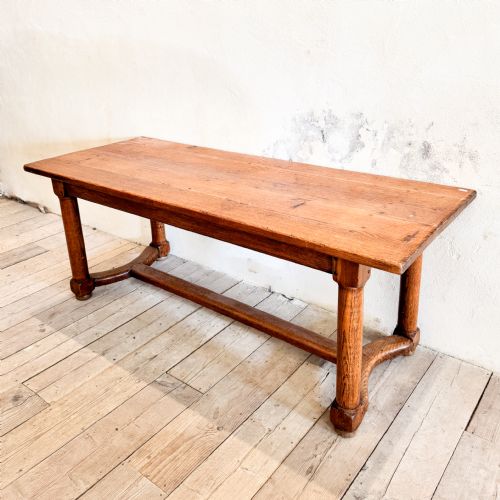
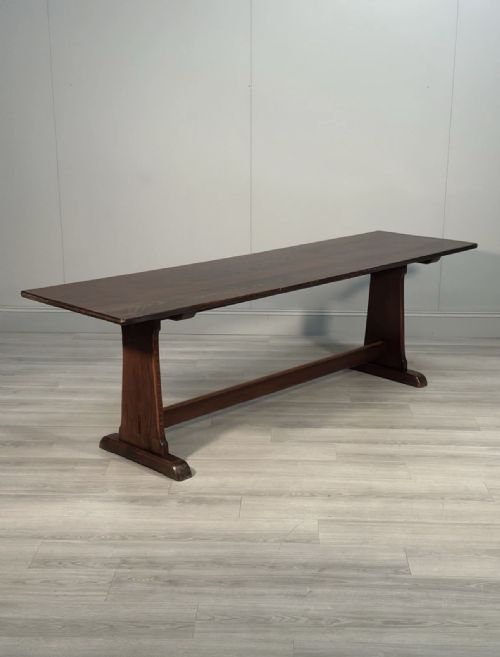
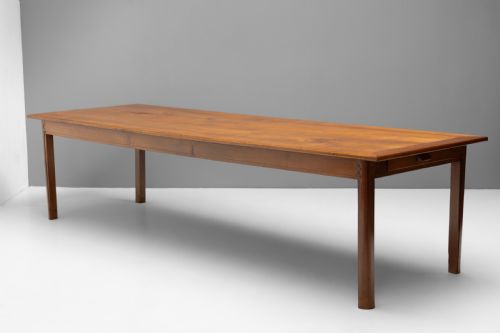
A solid wood refectory table is a long, substantial surface designed originally for communal dining, now serving as a practical and historic focal point in modern homes. The examples seen here span centuries and regions, ranging from early English and French country pieces to later Arts and Crafts interpretations.
How They Were Made
These tables rely on heavy timbers of oak, walnut, cherry, and elm, joined with traditional methods that prioritize structural longevity over speed. Single plank tops and thick boards demonstrate the reliance on mature trees yielding wide, stable sections of wood.
Support comes from robust underframes, stretcher bases, and occasional barrel legs or wrought iron and brass accents. The surfaces show the marks of hand-planing and finishing, developing deep patinas through decades of daily use.
One notable dining table comes complete with carved Green Man faces, watching over every meal with ancient woodland suspicion.
What Varies in Quality
The distinction between ordinary and exceptional pieces lies in the selection of the timber and the integrity of the original construction. Tables utilising single plank tops or dense, figured grain carry greater presence than those assembled from narrower, mismatched boards.
Proportion and underframe design separate standard utilitarian tables from finer examples influenced by specific periods like George I or the Arts and Crafts movement. Original surface patination and minimal structural alteration remain crucial indicators of a piece's historical integrity.
The Solid Wood Refectory Table Glossary
- Refectory table
- A long, narrow dining table traditionally used in monasteries and large halls for communal meals. These pieces are characterised by their considerable length and sturdy underframe stretchers.
- Patina
- The surface sheen and coloration developed by wood and metal over years of handling, exposure, and polishing. A good original patina is a sign of age and gentle care.
- Stretcher
- A horizontal timber connecting the legs of a table to provide lateral stability and strength. In early tables, these often sat low to the floor to keep feet clear of damp rushes.
- Single plank top
- A table surface constructed from one wide piece of timber rather than multiple joined boards. This feature indicates the use of exceptionally mature trees.
Solid Wood Refectory Table: Frequently Asked Questions
How do I style a large refectory table?
Pair the table with a mix of complementary antique chairs or simple benches to maintain an unfussy, historic atmosphere in the room.
Allow the exposed grain and natural finish to remain the primary focus by keeping table dressings minimal during daily use.
Are these tables suitable for everyday family dining?
These pieces were originally built for heavy, daily communal use, making them exceptionally well-suited for modern family life and frequent hosting.
Routine maintenance involves simple cleaning with a damp cloth and occasional waxing to protect the historic timber from spills.
How do I distinguish an 18th-century table from a later reproduction?
Examine the underside and joints for hand-cut joinery marks, peg construction, and the natural wear patterns associated with centuries of use.
Timber shrinkage, hand-planed surfaces, and consistent oxidation across the entire structure help confirm genuine age.
What is the difference between a refectory table and a farmhouse table?
Refectory tables typically feature a narrower, more elongated profile with prominent stretcher bases designed for long halls.
Farmhouse tables often present slightly wider proportions and simpler domestic underframes intended for kitchen and casual dining environments.