



Solid Walnut Desk
A solid walnut desk brings dense grain, deep warmth and heavy timber construction directly into a study.
Solid Walnut Desk
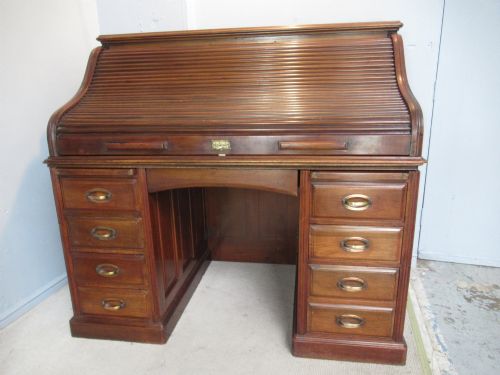
A solid walnut desk is a substantial working surface or writing cabinet constructed primarily from Juglans regia or allied timber species. Buyers searching for a solid walnut desk encounter forms ranging from George II writing bureaux and kneehole desks to Victorian pedestal tables and roll top pieces. These items serve as functional workspaces while displaying rich, dark timber figures that dominate an interior.
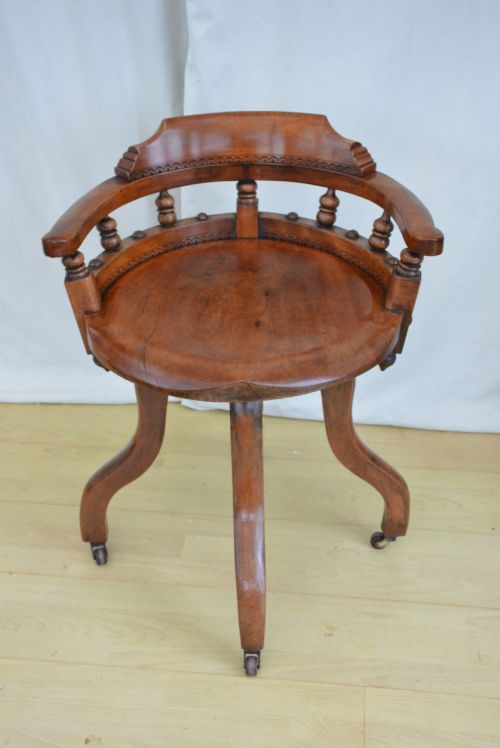
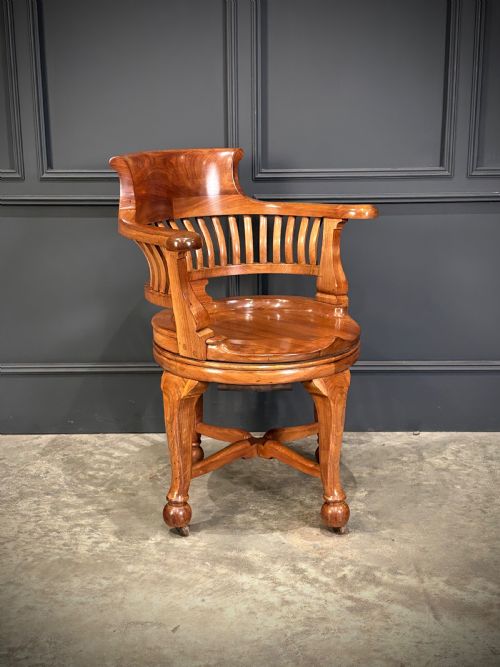
The selection on this page draws heavily from Victorian pedestal designs, Georgian writing pieces, and early twentieth-century office furniture. Alongside traditional twin pedestal forms with multiple drawers, the evidence includes bureau bookcases, revolving desk chairs, and Spanish tables adapted for writing. Each piece demonstrates the heavy timber density and structural ambition expected of hardwood furniture from these periods.
How they were made
Makers constructed solid walnut desks using thick planks of timber alongside secondary woods like mahogany for drawer linings. Joinery typically involved dovetail construction for drawers and sturdy internal framing to support heavy writing tops fitted with leather, baize, or polished wood surfaces. Brass hardware, wrought iron fittings, and functional keys completed the physical structure.
Surface finishing relied on traditional polishing techniques that enhanced the natural patina and deep golden or brown tones of the walnut grain. Cabinetmakers occasionally incorporated burl veneers or carved details on fronts and pedestals while maintaining a solid timber core. Structural longevity depended on stable seasoning of the hardwood and robust internal partitions.
Solid Walnut Desk Retail Price Guide 2026
Typical asking prices for solid walnut desk among the pieces listed under this phrase on Sellingantiques today, from the lower quarter to the upper quarter. They describe what is for sale here now, not the wider market.
Materials documented across the pieces include solid walnut, golden walnut, mahogany drawer linings, leather inserts, and brass hardware.
What varies in quality
Quality in a solid walnut desk rests on timber selection, grain continuity across primary surfaces, and the depth of the original patina. Superior examples display dense, figured walnut figures and careful matching of wood panels across large writing planes and drawer fronts. Lesser pieces show plain timber grain or heavy surface restoration that obscures the natural character of the wood.
Construction rigour separates standard office furniture from exceptional cabinetmaking. Fine desks feature secondary drawer linings in timbers like mahogany, precise dovetailing, and original brass hardware or working locks. The integration of fitted interiors, such as pigeonholes and secret compartments in bureau bookcases, further elevates the stature of a piece.
Maple & Co·Howard & Son's·Edwards & Roberts·James Shoolbred·Gibbard Furniture
The Solid Walnut Desk Glossary
- Pedestal desk
- A heavy freestanding writing table supported by two banks of drawers resting on plinths. These pieces provide substantial storage flanking a central kneehole.
- Bureau
- A sloping writing flap opening to reveal internal compartments above a set of drawers. This form allows a writer to conceal correspondence when not in use.
- Kneehole desk
- A compact writing desk featuring a central recessed space for the legs flanked by columns of drawers. This configuration maximises storage while maintaining a manageable footprint.
- Patina
- The surface sheen and mellowing developed by timber over decades of handling and exposure to light. Good patina indicates age and continuous use.
- Roll top desk
- A cylinder-desk where a slatted wooden tambour pulls down to cover the writing surface and pigeonholes. This mechanical closure secures documents instantly.
Solid Walnut Desk: Frequently Asked Questions
How do I care for a solid walnut desk?
Keep solid walnut furniture away from direct heat sources and strong sunlight to prevent the timber from drying out or splitting. Apply traditional beeswax periodically to nourish the wood and maintain its natural lustre.
Avoid using modern chemical sprays or silicone polishes, which can build up and dull the historic finish. Dust the surface regularly with a soft, dry cloth following the direction of the grain.
What is a kneehole desk?
A kneehole desk is a freestanding writing table featuring a central open space for the user's legs, flanked on both sides by vertical stacks of drawers. This layout offers generous storage capacity without requiring an overly massive footprint in a room.
Originating in earlier centuries, these desks often display fine timber grain across the top surface and the pedestals. They sit comfortably in the centre of a study or against a wall.
How do I distinguish Victorian desks from Georgian ones?
Georgian desks, particularly from the George II and mid-eighteenth-century periods, often feature rich red walnut timbers, fine brass batwing handles, and restrained proportions. Their construction prioritises architectural balance and clean joinery details.
Victorian pieces tend to be heavier, utilising golden or dark walnut, often incorporating elaborate pedestals, turned pulls, and leather-lined writing surfaces. Late Victorian examples frequently embrace roll tops or swivel chairs designed for heavier office use.
Were these desks used in offices?
Many solid walnut desks and swivel chairs served professional working environments from the Victorian era into the early twentieth century. Partners' desks and pedestal forms accommodated administrative paperwork and correspondence.
Office pieces from this period combined utility with impressive domestic styling, featuring numerous drawers and sturdy locking mechanisms. They brought high-status materials into commercial and domestic workspaces alike.