





Solid Silver Serving Bowl
A solid silver serving bowl brings genuine weight and historic silvercraft to the table, offering a centrepiece that turns everyday dining into an occasion.
Solid Silver Serving Bowl
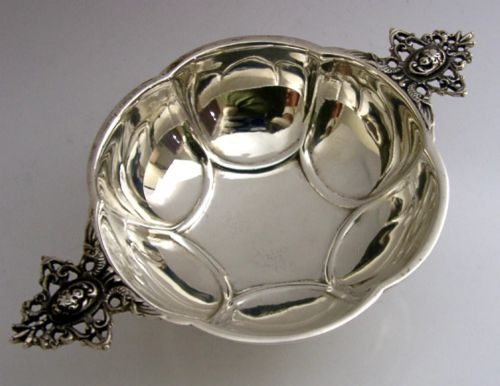
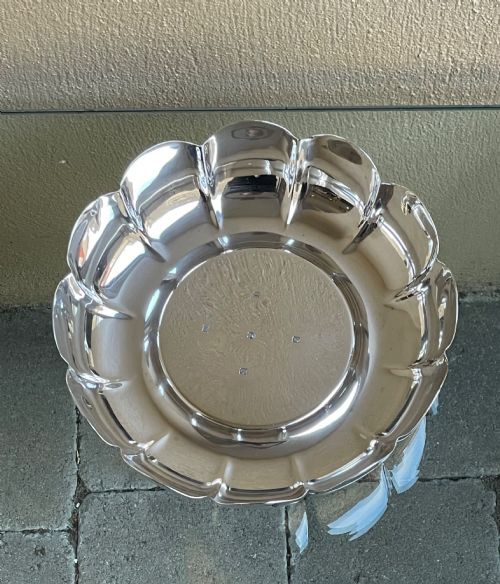
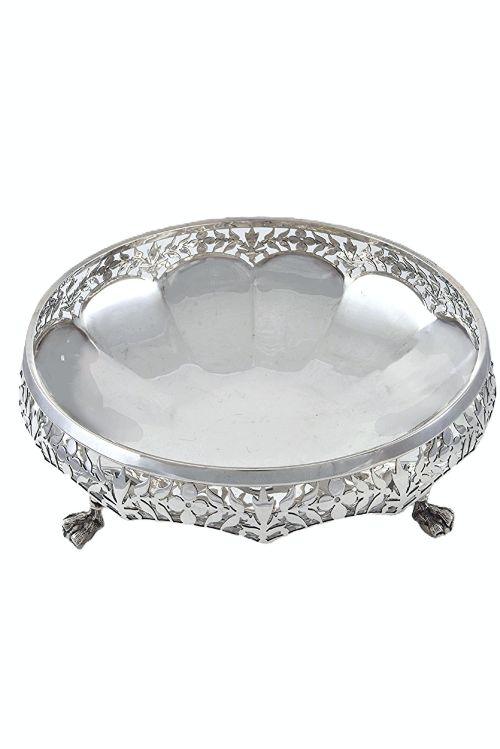
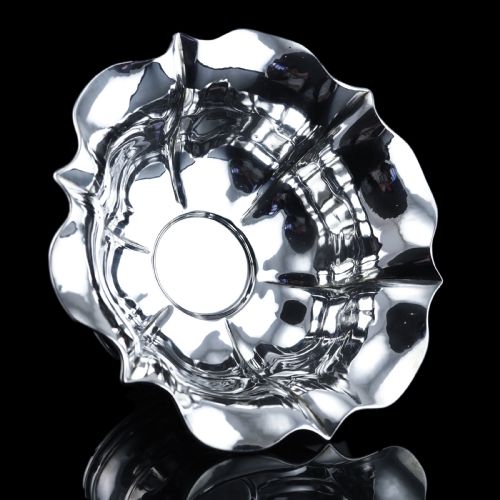
When you search for a solid silver serving bowl, you encounter a variety of forms spanning centuries of domestic metalwork. The selections range from deep Victorian pierced oval dishes to large Edwardian centrepiece bowls and international pieces like Austro-Hungarian flared vessels and Chinese export silver.
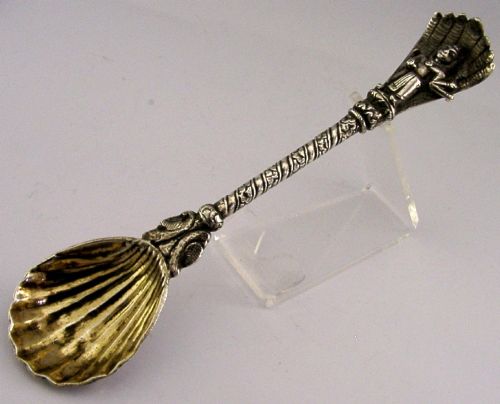
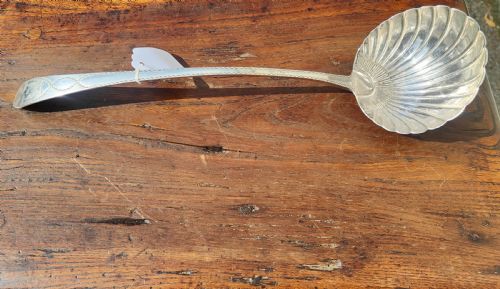
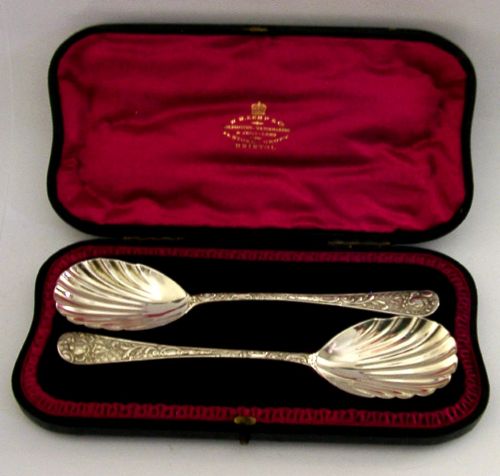
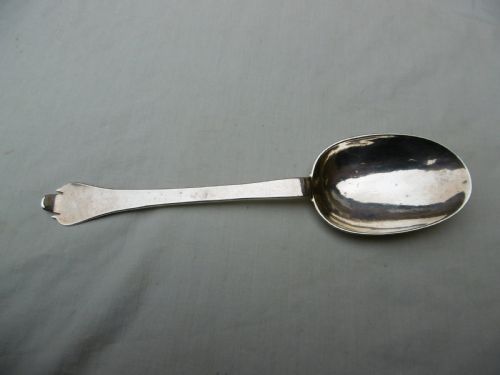
Georgian and Victorian examples set a traditional tone, whilst mid-twentieth-century pieces introduce specialised barware such as Dutch brandy bowls and quaichs. Alongside large bowls, related serving pieces frequently appear, including ladles, berry spoons, sugar tongs and salad servers.
Victorian and Edwardian items dominate the current selection, reflecting the high period of formal dining and domestic hospitality. Buyers find both simple domestic tableware and elaborate presentation pieces stamped with hallmarks from British assays and international workshops.
Assessing Quality
Quality in these items rests upon the crispness of the original chasing, the integrity of pierced work and the weight of the metal relative to the size of the bowl. Master silversmiths achieved balance and proportion that elevate functional serving vessels into sculptural works of art.
The clarity of hallmarks and maker stamps plays a central role in establishing the provenance and standard of the silver. Pieces bearing marks from distinguished makers and recognised assay offices demonstrate superior craftsmanship and enduring structural stability.
Solid Silver Serving Bowl Retail Price Guide 2026
Typical asking prices for solid silver serving bowl among the pieces listed under this phrase on Sellingantiques today, from the lower quarter to the upper quarter. They describe what is for sale here now, not the wider market.
Listings feature items spanning the eighteenth, nineteenth and twentieth centuries, including Georgian, Victorian and Edwardian periods.
Benjamin Prosser·Martin Hall·Elkington & Co·Tiffany & Co·Whiting Co·S Kirk & Son Company·Jackson and Fullerton
The Solid Silver Serving Bowl Glossary
- Hallmark
- Official stamps applied to precious metals indicating the standard of purity, the assay office, and the date letter. These marks allow collectors to trace the exact origin and year of manufacture.
- Quaich
- A traditional two-handled drinking vessel or shallow bowl of Scottish origin. It is frequently utilised for whisky or as a decorative serving piece.
- Pierced
- A technique where metal is cut through to create openwork decorative patterns. This method often appears on Victorian and Edwardian oval dishes to lighten the overall design.
- Gold Wash
- A thin layer of gold applied to the interior surface of a silver bowl. This technique provides a decorative contrast and prevents tarnishing from certain foods.
Solid Silver Serving Bowl: Frequently Asked Questions
How do I clean a solid silver serving bowl?
Use a soft microfiber cloth and a dedicated silver polish, working in gentle, straight lines rather than circles. Avoid harsh chemical dips that can strip the natural patina accumulated over the decades.
Rinse the bowl thoroughly in warm water and dry it immediately with a soft towel to prevent water spots. Proper storage in a tarnish-resistant cloth bag preserves the polished surface between uses.
Can I use these bowls for serving food?
Most solid silver serving bowls are entirely functional and suitable for presenting dry foods, fruits or breads. Items featuring a gold wash interior offer extra protection against acidic contents.
Take care to avoid leaving salty or highly acidic foods in contact with the silver for extended periods. Hand washing is essential, as modern dishwashers can permanently damage the finish.
How do I identify the date of my silver bowl?
Examine the base or rim for a series of small stamped hallmarks, which typically include a maker's mark, a standard mark and a date letter. Assay office symbols, such as a leopard's head for London or a crown for Sheffield, help pinpoint the geographic origin.
Reference marks against established silversmith registries to match the specific letter style and shield shape. These official stamps provide the most reliable method for dating antique silver.