



Solid Silver Platter
A solid silver platter is a substantial serving piece or display dish fashioned from precious metal, prized for both formal dining and historic metalwork collections.
Solid Silver Platter
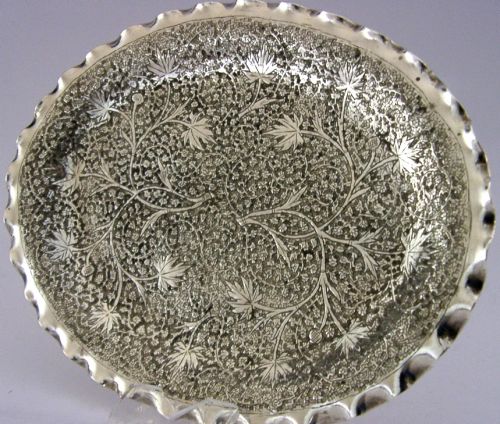
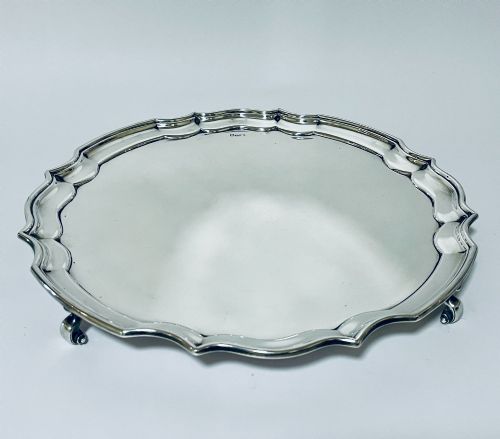
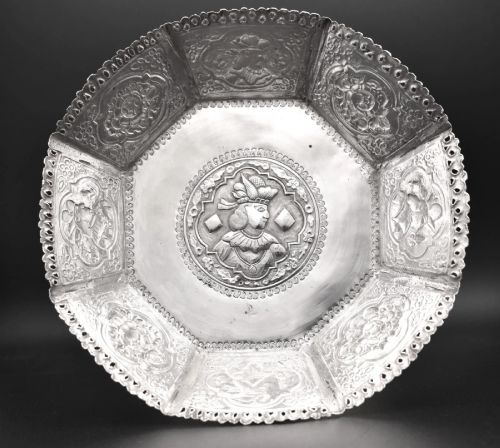
A solid silver platter encompasses formal serving dishes, salvers, trays, and charger sideboard dishes found across several centuries of domestic and ceremonial use. The selection spans Georgian, Victorian, and Edwardian periods alongside distinct international styles such as Anglo-Indian and Chinese export work.
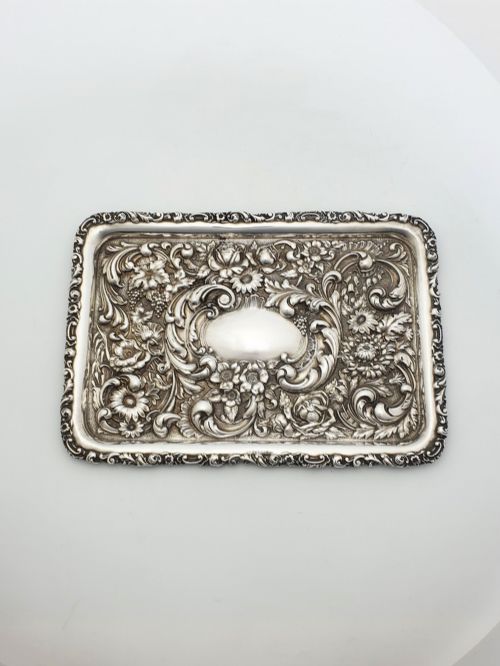
Buyers frequently encounter English sterling silver examples bearing traditional hallmarks alongside heavier continental and colonial pieces. Forms range from plain circular display dishes to heavily decorated serving platters with cast borders and repoussé detailing.
Materials and Techniques
Silversmiths constructed these pieces primarily from sterling silver and 950 solid silver, occasionally employing silver gilt for ceremonial charger dishes. Heavier examples utilise cast borders and applied feet to support the substantial weight of the metal.
Decoration relied heavily on manual techniques, including repoussé work, chasing, and detailed hand engraving. Makers also produced plain surfaces finished with polished highlights to showcase the quality of the raw silver.
Listings feature solid silver items spanning the 18th century, Georgian era, Victorian period, and 1920s Art Deco movement.
Craftsmanship and Weight
Quality separates through the weight of the metal and the precision of the silversmithing, particularly in the crispness of cast borders and hand-chased ornamentation. Master makers achieved superior balance and structural rigidity in large-format trays.
The distinction between standard domestic wares and top-tier pieces often rests on the complexity of the figural scenes, the reputation of the silversmith, and the preservation of clear hallmarks.
Robert Breading·Tiffany and Co·Paul Storr·Hunt and Roskell·George Burrows
The Solid Silver Platter Glossary
- Salver
- A flat plate or tray, typically with feet, used for serving food or drinks. These pieces often feature raised rims and ornate chased decoration.
- Repoussé
- A metalworking technique where the silversmith hammers the design from the reverse side to create a raised pattern in relief on the front.
- Charger
- A large decorative dish or platter placed underneath other courses or displayed on a sideboard. They are frequently heavier than standard serving plates.
- Silver Gilt
- Silver that has been coated with a thin layer of gold on the surface. This finish adds a rich colour and protects the base silver from tarnishing.
- Hallmark
- An official stamp applied to precious metals to indicate standard of purity, place of assay, and year of manufacture. These marks help verify the origin of the piece.
Solid Silver Platter: Frequently Asked Questions
How do I clean a silver platter?
Use a specialised silver polish and a soft cloth to gently remove tarnish without scratching the metal surface. Avoid harsh chemical dips that can strip away antique patination and damage finer chased details.
Store the platter in a dry environment and wrap it in anti-tarnish cloth when not on display to minimise the need for frequent polishing.
What is the difference between a salver and a platter?
Salvers generally feature small support feet and are traditionally used for presenting drinks or letters rather than heavy food service. Platters are designed primarily for presenting meats and large dishes at the dining table.
Many antique pieces cross boundaries, functioning equally well as flat display trays or formal serving vessels depending on their size and rim depth.
Are these platters safe for food use?
Most solid silver platters are chemically safe for serving food, provided they are thoroughly washed with mild soap and warm water before use. However, antique pieces with delicate silver gilt or fragile repoussé work are better reserved for dry presentation.
Acidic foods should not be left on silver surfaces for extended periods to prevent pitting or staining of the metal.
How can I tell the age of my silver?
Examine the stamped hallmarks on the underside or rim, which typically include maker marks, city assay offices, and date letters that correspond to specific historical years. Stylistic clues such as Rococo scrolls or Art Deco geometry also offer strong indicators of the period.
Consulting standard silver reference books helps decode regional hallmarking systems used across England, Ireland, and continental Europe.