


Solid Silver Lidded Jar
These solid silver lidded jar pieces range from Victorian vanity pots to Ottoman tea caddies, offering functional elegance for any collector.
Solid Silver Lidded Jar
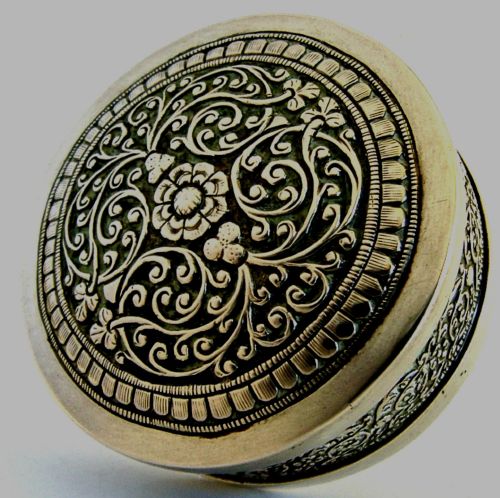
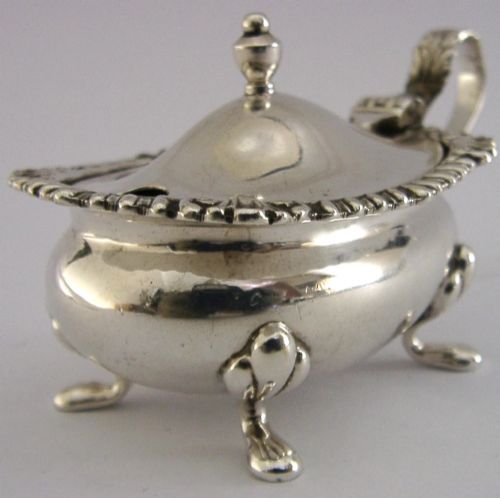
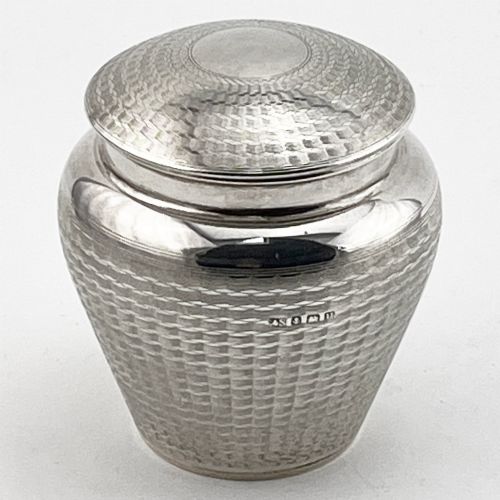
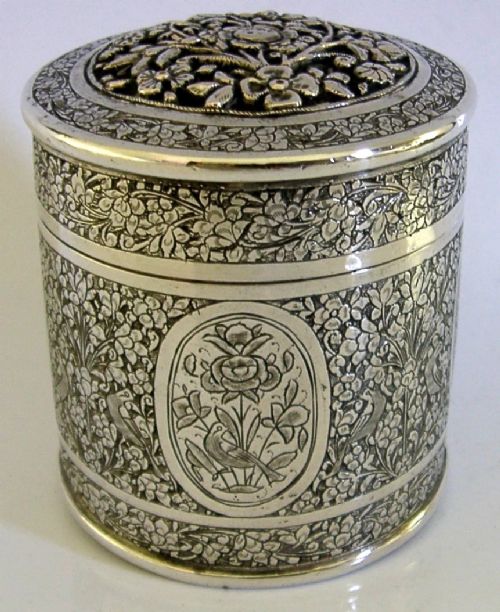
When you search for a solid silver lidded jar, you encounter a diverse group of containers designed for tea, condiments, vanity items, and desk accessories. The selection spans the nineteenth century through the mid-twentieth century, capturing domestic habits across different regions.
The objects take many forms, including tea caddies, mustard pots, preserve pots, scent bottles, and vanity jars. Some incorporate clear cut glass or tortoiseshell bodies paired with heavy silver lids, while others are entirely formed from solid metal.
Origins vary widely across the inventory, featuring English provincial pieces, Dutch empire designs, Ottoman Turkish work, and Anglo-Indian colonial production. This geographical spread ensures buyers find both familiar domestic styles and more unusual international forms.
Materials and construction methods
Makers utilised sterling silver and solid silver alongside cut glass and tortoiseshell to construct these lidded vessels. Metal components were cast, hammered, or shaped to form secure fitting lids and collars.
Glass bodies on vanity jars and preserve pots were heavy and often cut with deep facets to catch the light. Silver elements frequently bear full hallmarks detailing the assay office, date letter, and maker's mark.
Some jars started life holding glue on a Victorian desk before finding a new career holding paperclips.
Distinguishing quality in silver vessels
Weight and gauge of the metal separate heavier, substantial pieces from lighter domestic items. Substantial silver weight imparts a reassuring heft when handled.
The clarity of the cut glass, the precision of the hinge or lid fit, and the crispness of any chased or engraved decoration define the upper tier of production.
Walker & Hall·Asprey
The Solid Silver Lidded Jar Glossary
- Sterling silver
- A silver alloy containing 92.5 percent pure silver by mass, standard for quality British plate and vessels. This standard is guaranteed by assay office marks.
- Hallmark
- An official stamp applied to precious metals indicating standard of purity, place of manufacture, and date. These marks provide definitive historical context for the object.
- Tea caddy
- A small box or jar originally used for storing tea leaves in domestic settings. Many examples feature tight-fitting lids to preserve the aroma of the contents.
- Mustard pot
- A small lidded jar designed to hold prepared mustard on the dining table, frequently lined with blue glass. These often include a small aperture in the lid for a spoon.
Solid Silver Lidded Jar: Frequently Asked Questions
What were solid silver lidded jars used for originally?
These vessels served numerous domestic functions, from storing dry tea leaves and condiments to holding vanity items and perfumes on dressing tables. Their lidded designs kept contents secure and protected from moisture.
Over time, changing household routines shifted how people utilised them, transforming utilitarian kitchen and dressing items into decorative display pieces for modern interiors.
How do I care for antique silver and glass?
Maintenance involves gentle cleaning with appropriate silver polish to prevent tarnish accumulation while preserving the underlying metal surface. Avoid abrasive cloths that might scratch softer elements like tortoiseshell.
Glass components wash easily in warm soapy water, but care must be taken to keep moisture away from any glued joints or vulnerable organic inserts during the cleaning process.
How can I tell the date of a lidded jar?
Dating relies primarily on the presence of official hallmarks stamped into the metal by assay offices. These marks include specific date letters that correspond to the exact year of testing.
Stylistic indicators, such as Art Deco geometric lines or Victorian florid decoration, also provide strong clues when hallmarks are rubbed or absent.
Are all these jars made entirely of silver?
Many examples combine solid silver lids or mounts with bodies fashioned from cut glass or tortoiseshell. This material combination lightened the overall weight and created pleasing contrasts in texture.
Fully solid metal versions also exist, particularly among tea caddies and biscuit boxes intended for heavier daily handling and storage.