

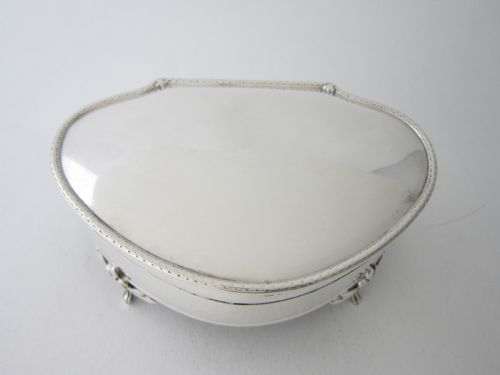


Solid Silver Jewellery Casket
A solid silver jewellery casket secures precious keepsakes behind heavy metal walls, bringing tactile weight and history to a dressing table.
Solid Silver Jewellery Casket
These vessels function primarily as dressing table accessories or desk pieces, serving both a decorative and practical role in domestic spaces. The selection ranges from compact trinket boxes to substantial, heavy containers weighing over two hundred grams, often lined internally to protect delicate contents.
Materials and construction methods
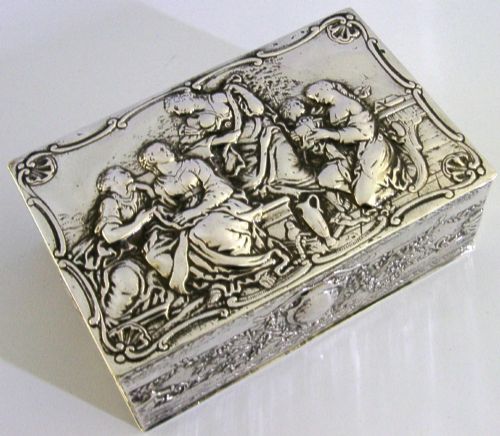
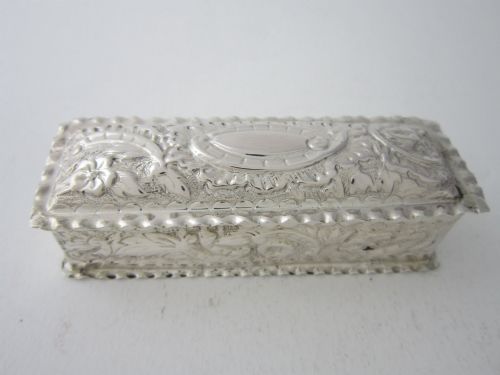
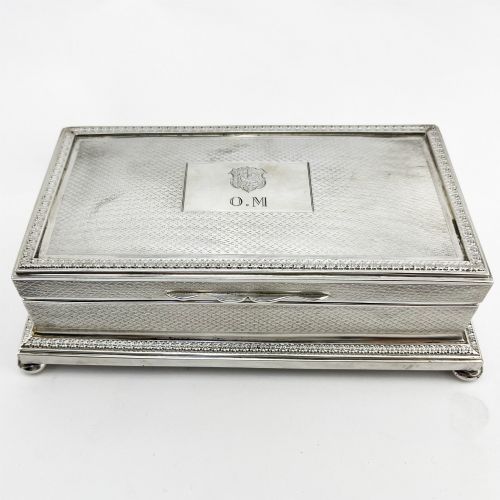
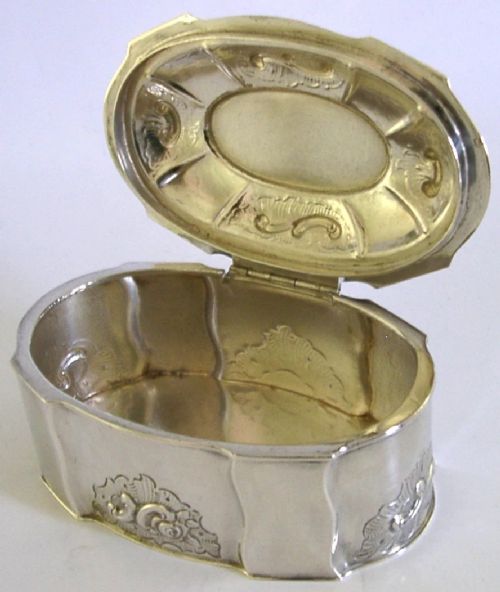
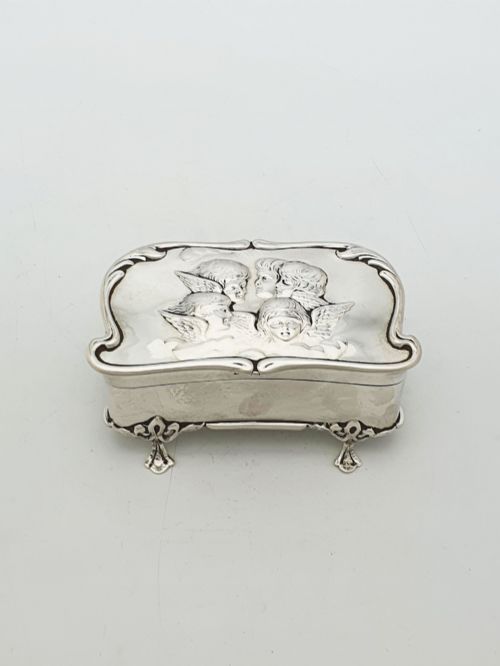
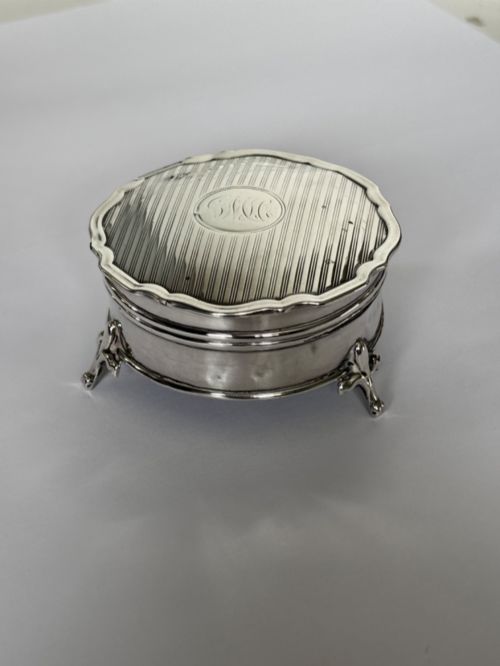
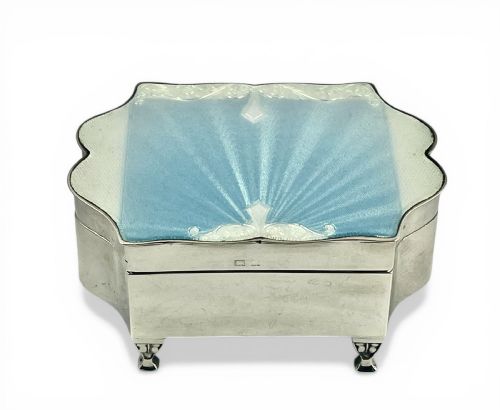
The primary material is sterling or solid silver, occasionally enhanced with silver gilt interiors or vibrant blue enamel panels on the exterior lid. Metalworking techniques include detailed repoussé work, where designs like cherub reliefs are hammered from the reverse, alongside crisp geometric Art Deco stamping.
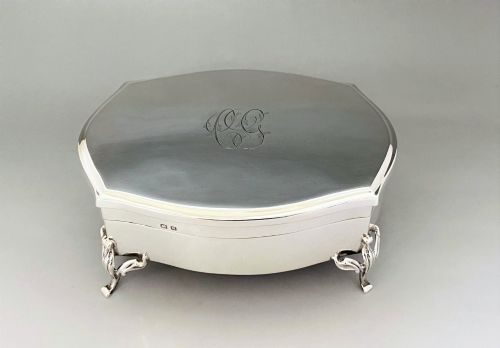
Makers utilised hallmarks stamped directly into the metal to denote origin, assay office, and year of production, providing a reliable record of English provincial work, London output, and continental European manufacturing.
Listings feature items spanning the Victorian era through the 1950s, utilising sterling silver, enamel, and gilt materials.
Assessing craftsmanship and construction
The distinction between standard pieces and exceptional examples rests in the thickness of the metal gauge and the crispness of decorative chasing or relief work. Heavier boxes demonstrate substantial metal substance that resists denting, whereas lighter items employ thinner sheets.
Internal elements also differentiate the pieces, with gilt interiors and intact, original velvet or silk linings elevating a casket's appeal above those with missing or replaced interior fittings. The precision of the hinge mechanism and the tightness of the lid closure further indicate superior manufacturing standards.
Deakin & Francis
The Solid Silver Jewellery Casket Glossary
- Sterling silver
- An alloy containing 92.5 percent silver by mass, with the remainder composed of copper or other metals to increase durability. This standard is frequently denoted by official assay office hallmarks.
- Repoussé
- A metalworking technique where the artisan hammers the metal from the reverse side to form a raised design in relief on the front. This method creates the dimensional figures and patterns seen on ornate boxes.
- Silver gilt
- Silver that has been coated with a thin layer of gold on its surface, usually applied to the interior of a box to provide a rich contrast and protect the metal from tarnishing.
- Hallmark
- A series of official marks stamped on items to certify the purity of the metal, the maker, and the year of production. These stamps offer a dependable way to date British items.
- Gasket
- A term sometimes associated with the sealing edge of a box, though in these antique containers, the focus rests on the precision fit of the silver lid against the base rim.
Solid Silver Jewellery Casket: Frequently Asked Questions
What were solid silver jewellery caskets used for?
These caskets were designed to hold rings, necklaces, and valuable personal trinkets on dressing tables or desks.
They kept delicate items organised and protected from dust while adding a decorative element to domestic interiors.
How do I clean a silver jewellery box?
Careful dusting with a soft, dry cloth maintains the surface without removing historical patina or wearing down delicate relief work.
Harsh chemical dips should be avoided, particularly on pieces with enamel panels or gilt interiors that require gentle maintenance.
How can I tell the date of a silver box?
Assay office hallmarks stamped onto the metal provide definitive letters corresponding to specific years of manufacture.
Stylistic cues such as geometric Art Deco lines or Victorian floral embossing also point towards distinct eras of production.
Are all silver boxes marked as sterling?
British pieces typically display a lion passant alongside assay office marks to confirm the silver standard.
Continental items may feature alternative numerical stamps, such as 800 silver, indicating a different proportion of pure metal.