
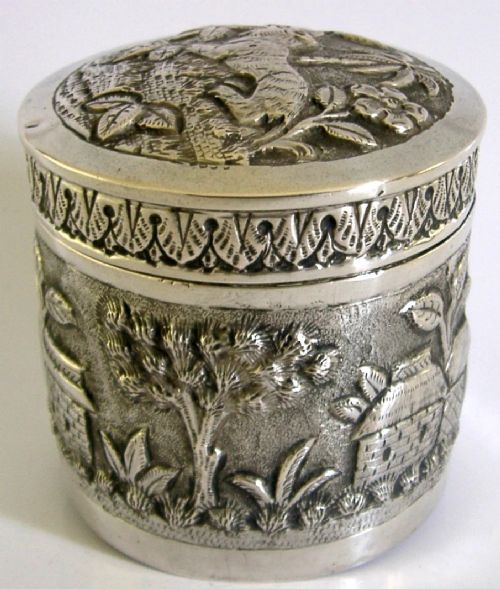

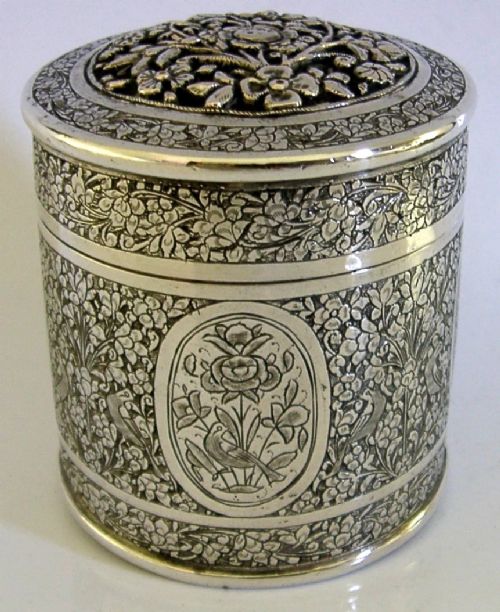


Solid Silver Canister
A solid silver canister brings heft and historic craft to a desk or sideboard, offering heavy metal containers shaped for tea and small dry goods.
Solid Silver Canister
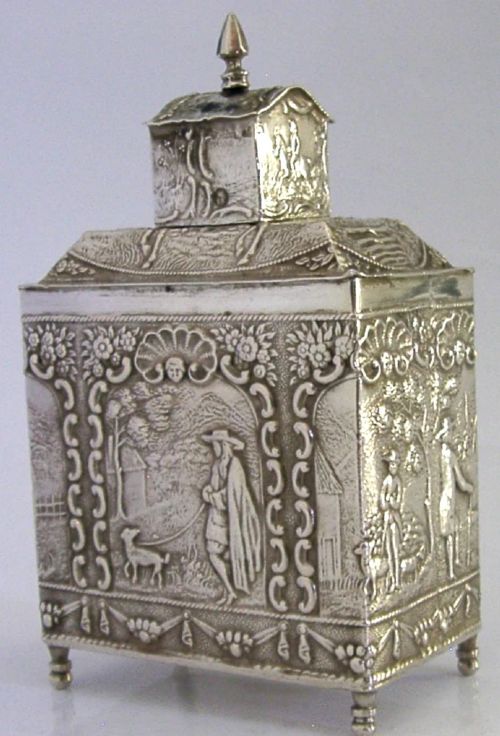
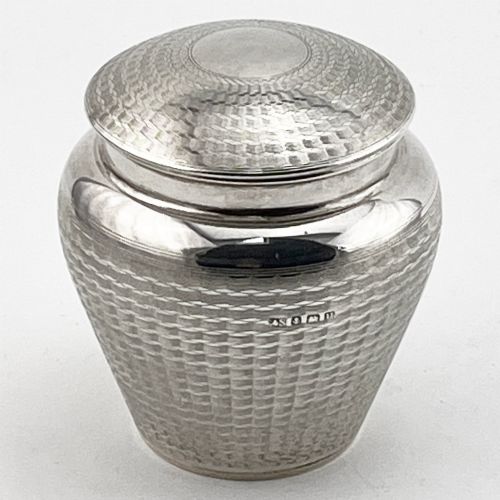
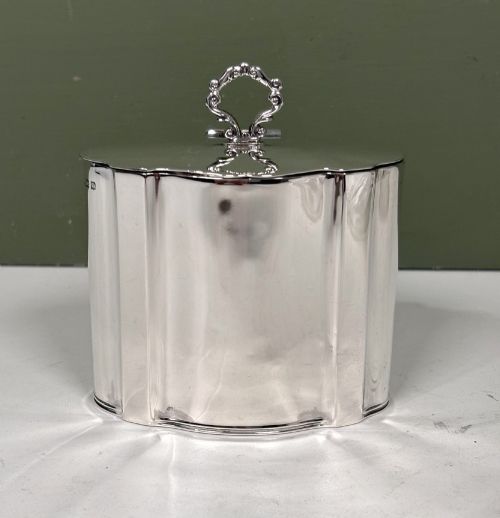
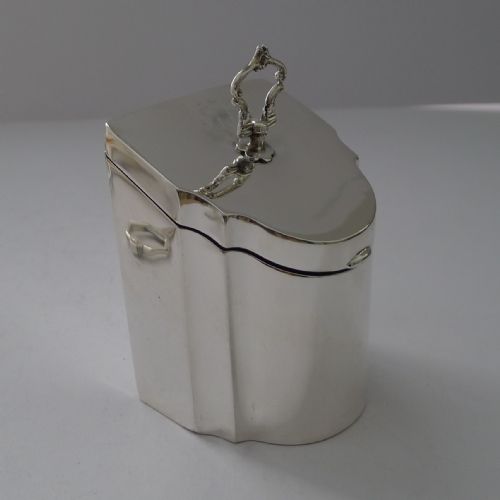
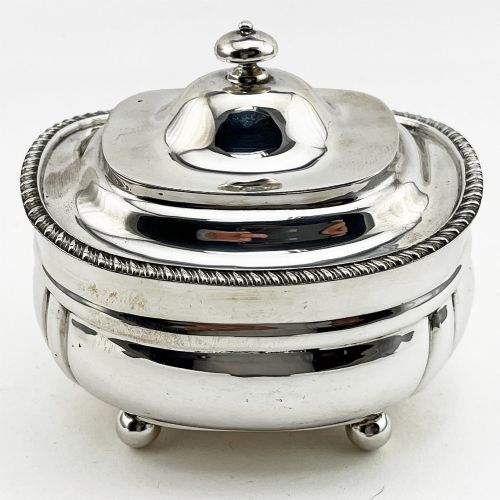
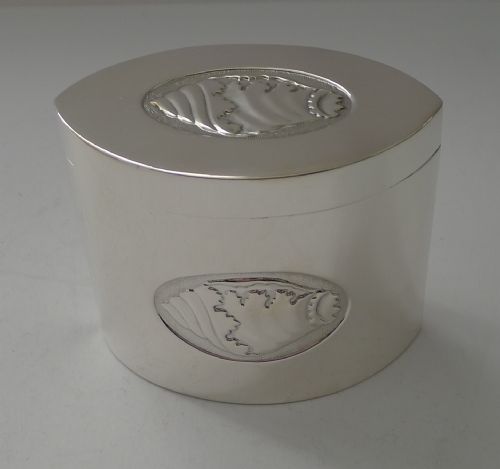
When searching for a solid silver canister, buyers encounter functional lidded boxes spanning Georgian, Victorian and Edwardian periods. These pieces include distinct forms such as traditional tea caddies, knife box shapes, trinket boxes, and novelty designs like paint tins.
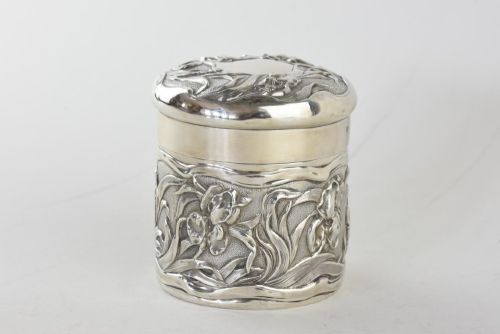
The selection ranges from plain English hallmarked examples to ornate continental items with repousse decoration. Pieces originate from various silversmithing traditions including British assay offices, Dutch workshops, Indian makers, and Ottoman centres.
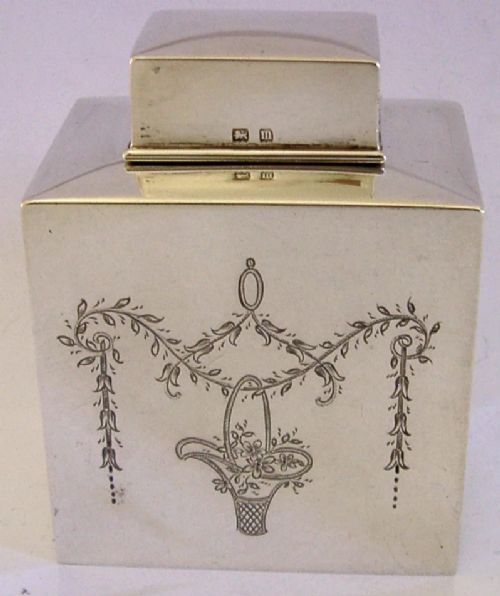
Tea caddies and biscuit boxes form the majority of the available objects. Many retain their original function while others cross over into decorative desktop storage.
Materials and construction
Makers utilised sterling silver and solid silver for the primary body of each container, shaping the metal through hammer work, casting, and repousse chasing. Handles and hinges often integrate securely into the main metal structure.
Selected pieces incorporate secondary materials such as ebonised wood or ebony details for contrast, alongside internal linings or fitted shagreen box cases found in older sets.
One exceptional novelty canister mimics a humble paint tin in solid silver, proving that Edwardian silversmiths enjoyed a quiet joke.
Distinctions in quality
The weight and metal gauge dictate the substantial feel of a piece, with heavier canisters demonstrating greater investment of silver by the maker. Substantial metal thickness prevents denting and ensures durability through daily use.
Execution of decorative techniques marks the difference between standard production and masterwork items. Crisp repousse work, precise hallmarks from recognised assay offices, and tight lid closures separate finer examples from simpler factory pieces.
Goldsmiths and Silversmiths Company·Zimmermann·Asprey and Co·Atkin Brothers·Peter Gillois·Thomas Heming
The Solid Silver Canister Glossary
- Sterling silver
- An alloy containing 92.5 percent silver by mass, with the remainder composed of copper or other metals. This standard guarantees the purity of the metal used in British and international pieces.
- Repousse
- A metalworking technique where the artisan hammers the design from the reverse side to create low relief ornamentation on the surface. This method appears frequently on Victorian and continental European boxes.
- Hallmark
- An official stamp applied to precious metals indicating the standard of purity, the assay office, and the date of manufacture. These marks provide definitive historical attribution for British pieces.
- Tea caddy
- A small container designed to store tea leaves safely away from light and air. Eighteenth and nineteenth-century examples often included internal compartments or locks.
- Assay office
- An official body that tested and stamped precious metals to guarantee their silver content. Cities such as London, Birmingham, and Sheffield operated prominent offices.
Solid Silver Canister: Frequently Asked Questions
What is a solid silver canister used for today?
These containers serve well for storing small items like tea, dried herbs, or trinkets on a desk or dressing table. Their sturdy construction makes them practical for everyday display.
Collectors also use them as decorative accents in living spaces, appreciating their weight and historical design without necessarily putting them to functional kitchen use.
How do I identify the date of a silver canister?
British pieces typically bear clear hallmarks that include a date letter indicating the exact year of assay. Comparing these stamped letters against official assay office tables reveals the year of manufacture.
Items without British marks rely on stylistic evidence such as Art Nouveau curves or Georgian proportions to establish an approximate period of origin.
Are these canisters safe for storing food?
Silver possesses natural antimicrobial properties, making it suitable for dry goods such as loose leaf tea or sugar. Modern users often clean the interior thoroughly before placing consumables inside.
Historic liners or soldered joints should be inspected to ensure the container remains clean and free from old residues.
What distinguishes an Edwardian caddy from a Victorian one?
Victorian canisters often feature heavier, ornate repousse decoration with floral or scroll motifs reflecting mid to late nineteenth-century tastes. These pieces tend to display high metal weight and dramatic surface texture.
Edwardian examples frequently shift towards cleaner Georgian revival lines, smoother surfaces, and lighter neoclassical detailing typical of the early twentieth century.