
Solid Seat Side Chairs
Solid seat side chairs are sturdy timber seats built without upholstery, and you want one for an unfussy, resilient spot in a hallway or kitchen.
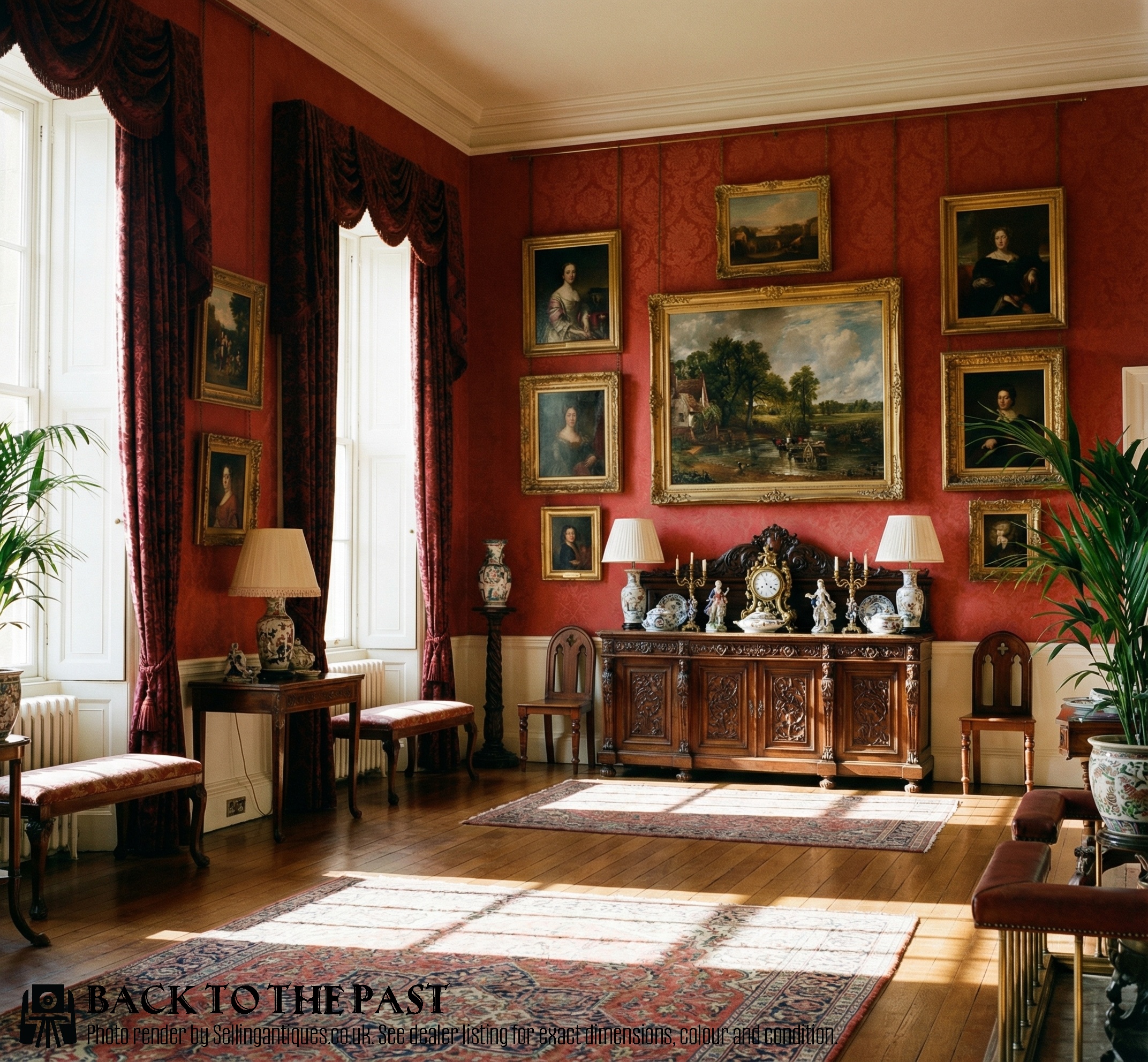
Solid Seat Side Chairs
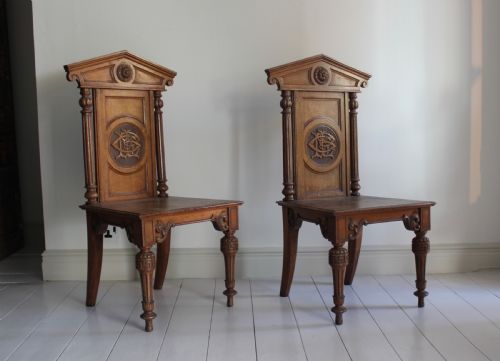
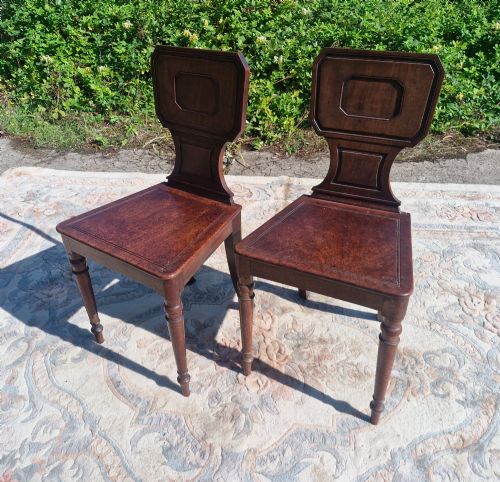
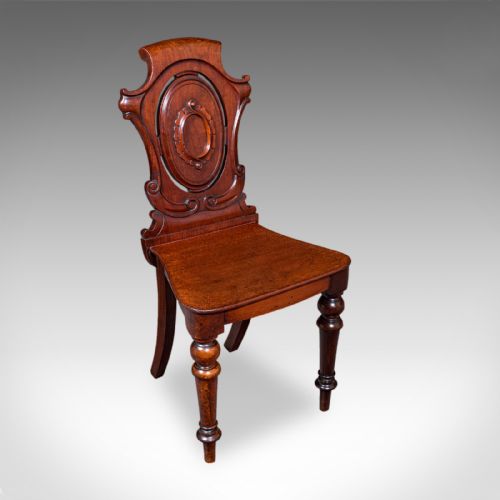
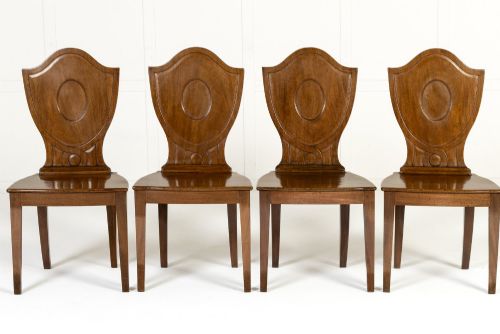
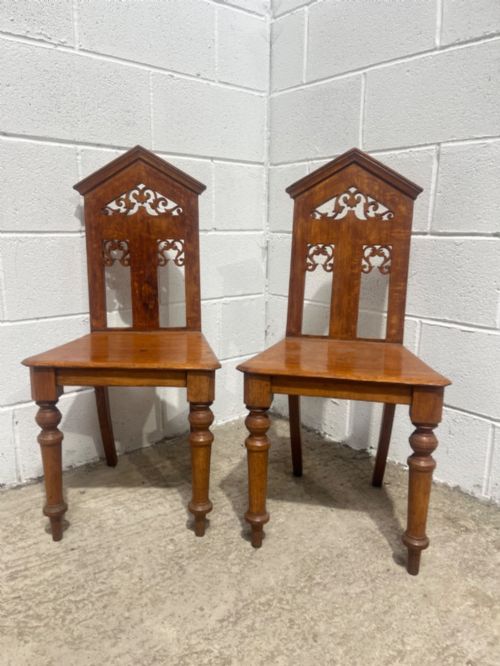
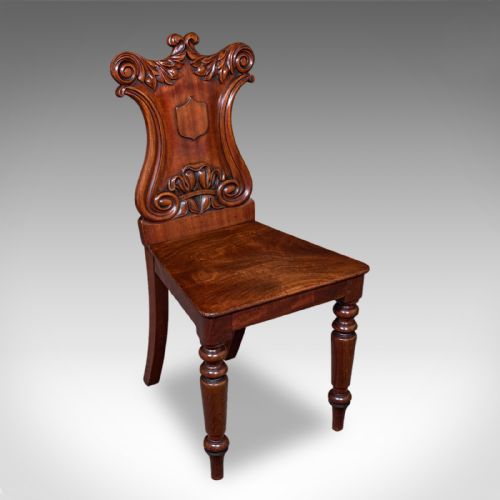
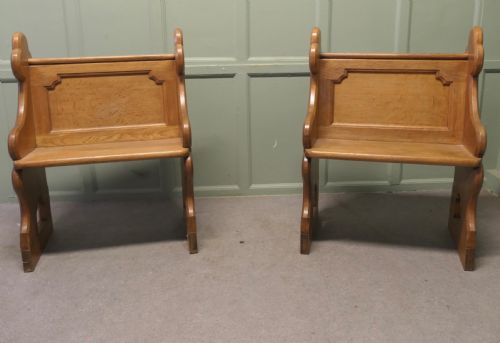
Solid seat side chairs appear across the centuries in durable timbers like oak and mahogany, serving utilitarian and formal rooms alike. You will encounter many hall chairs and kitchen seating from the Victorian era and the nineteenth century.
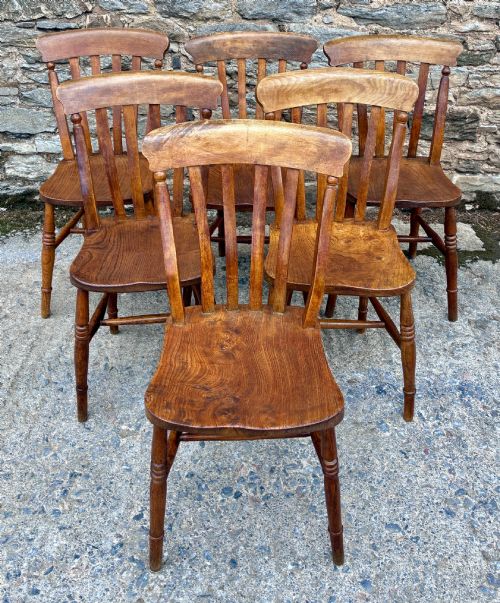
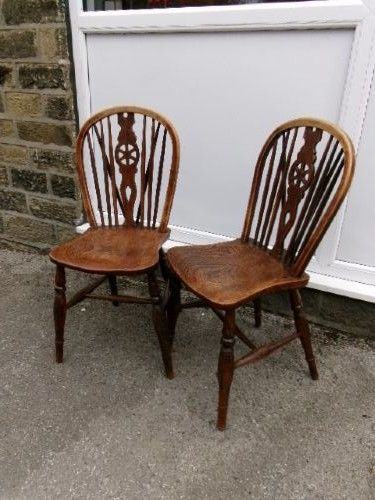
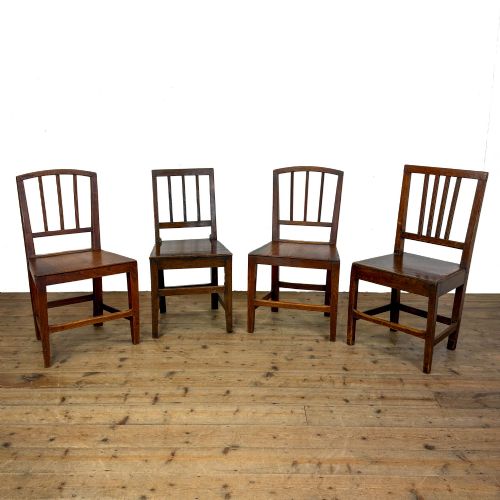
The form spans straightforward country Windsor designs with elm or beech seats alongside carved mahogany and oak reception chairs. These pieces were built to stand firmly against walls or around dining tables without yielding to heavy daily use.
Materials and Construction
Cabinet makers utilised dense hardwoods like mahogany and oak for formal reception and dining pieces, while regional makers turned to elm, beech and pine for vernacular seating. Timber selection dictated whether a chair received crisp heraldic carving or steam-bent spindle work.
Joinery relied on pegged mortise and tenon joints to secure wooden seats directly to frames without padding or springs. Turned legs, solid panel backs and shaped timber shields completed the robust construction.
Quality and Proportion
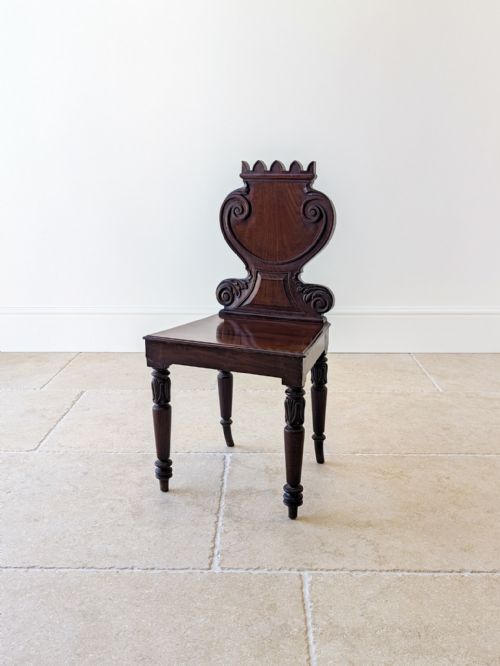
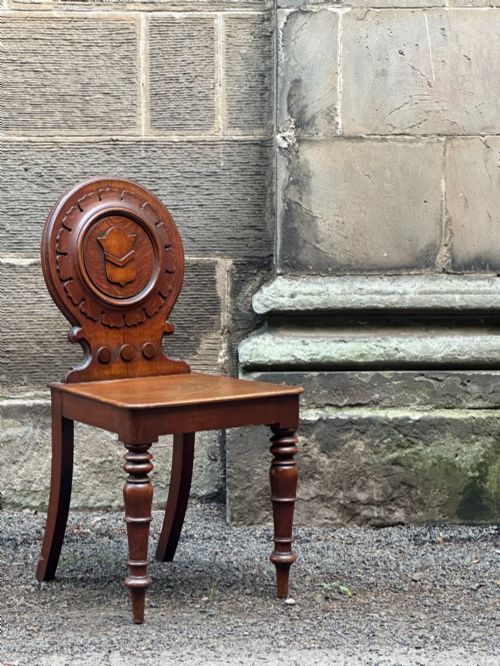
Quality rests in the depth of timber figure and the crispness of carved details such as pelta backs or heraldic shields. Better examples display harmonious proportions and substantial timber thickness in the seat boards.
Lesser pieces show simpler turnings, plain unfigured boards, or replacement timber components that alter the original stance of the chair. Maker stamps and documented workshop origins elevate specific sets above standard utility pieces.
Strahan
The Solid Seat Side Chairs Glossary
- Hall chair
- A stiff wooden seat positioned in an entrance hall, frequently featuring a carved shield back.
- Windsor chair
- A timber seat constructed with spindles inserted into a thick wooden saddle, often featuring a wheelback or lathback design.
- Sgabello
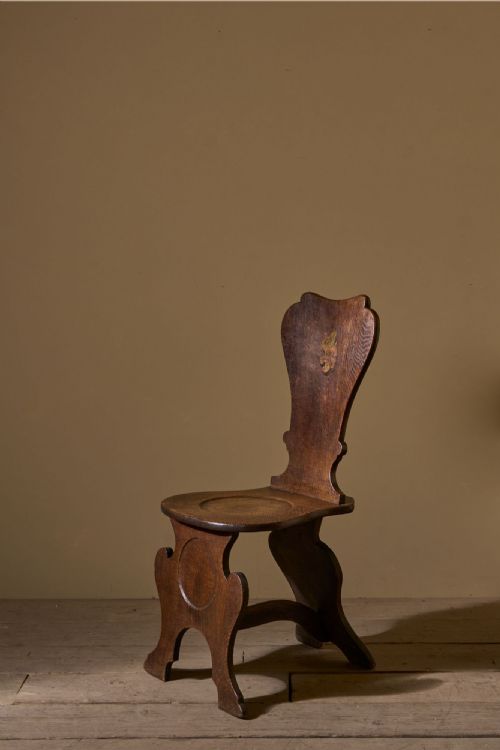
- A Renaissance-style chair with solid trestle supports and a carved back, appearing in later revival periods.
- Harlequin set
- A group of chairs that match in general style and period while displaying subtle individual variations in turning or carving.
- Pelta back
- A chair back shaped in the form of a classical crescent shield.
Solid Seat Side Chairs: Frequently Asked Questions
Where did these chairs stand?
These chairs sat primarily in entrance halls, passages, and dining spaces where visitors gathered briefly. Their unpadded wooden construction meant they resisted dust and heavy outerwear.
In country settings, similar sturdy timber seats gathered around large kitchen tables for daily family meals. They were designed to be moved easily across flagstone and timber floors.
How do I clean timber seats?
Dust the wood regularly with a dry cloth and apply occasional feeds of traditional wax to nourish the grain. Avoid abrasive cleaners that strip the historic finish.
Keep solid timber away from direct heat sources and sudden humidity shifts to prevent the wooden seats from splitting or warping.
Are all hall chairs uncomfortable?
Most hall chairs were built for posture and brief waiting rather than lounging, featuring upright wooden backboards and rigid seats. Their stiff profiles kept visitors alert in formal entryways.
Dining and kitchen variants often incorporated curved comb backs or saddled elm seats that offered a more accommodating contour for longer sitting.
How do I spot a harlequin set?
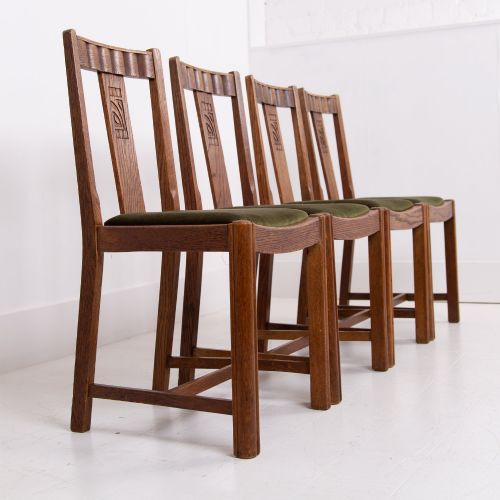
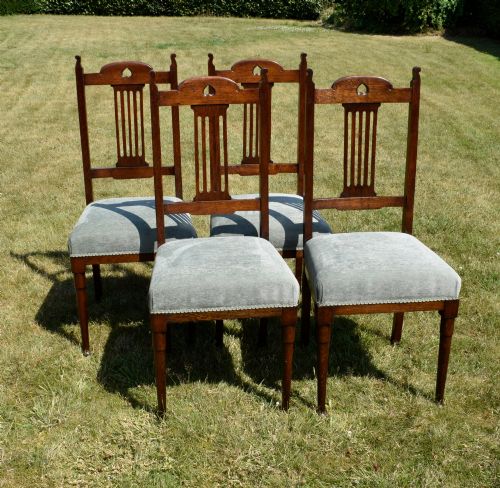
A harlequin set consists of chairs gathered together because they share a common period, timber, and overall silhouette, despite minor differences in their turned legs or carved details.
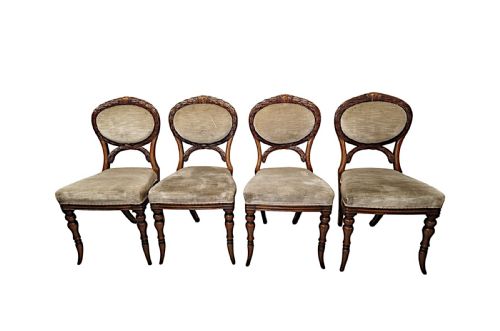
Dining sets were frequently assembled this way over time as owners collected matching pieces to fill a table.