

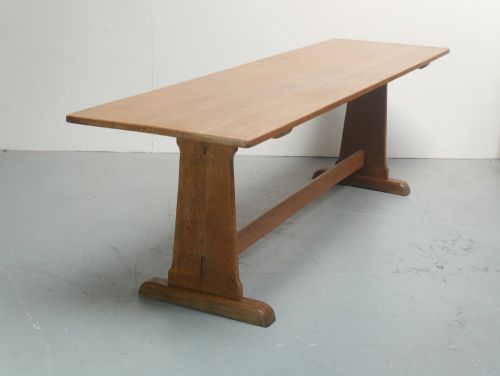


Solid Oak Plank Table
A solid oak plank table anchors a room with hard timber and centuries of honest grain.
Solid Oak Plank Table
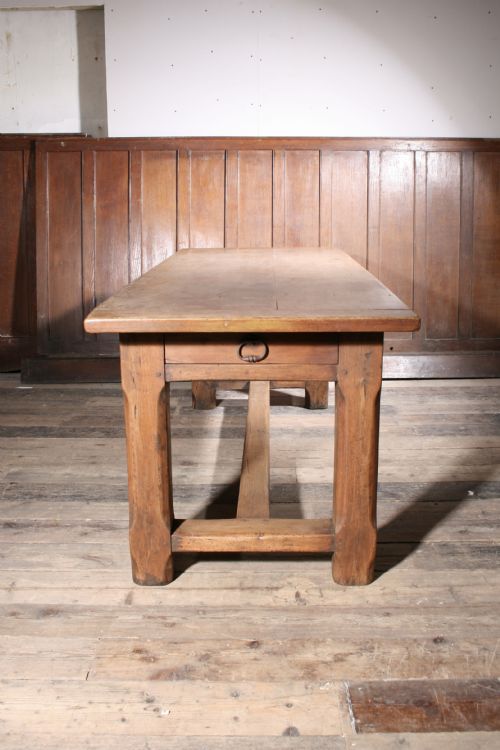
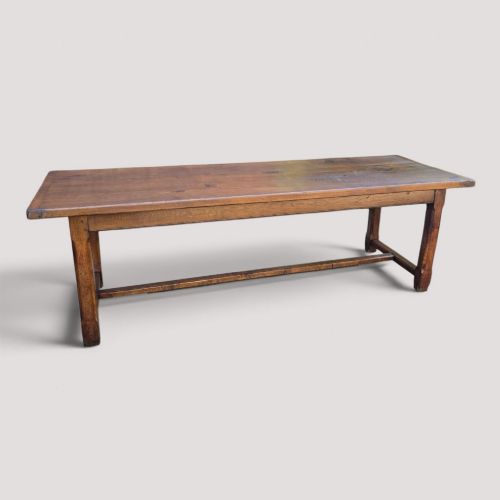
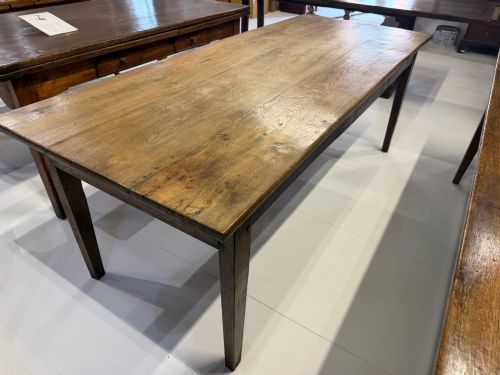
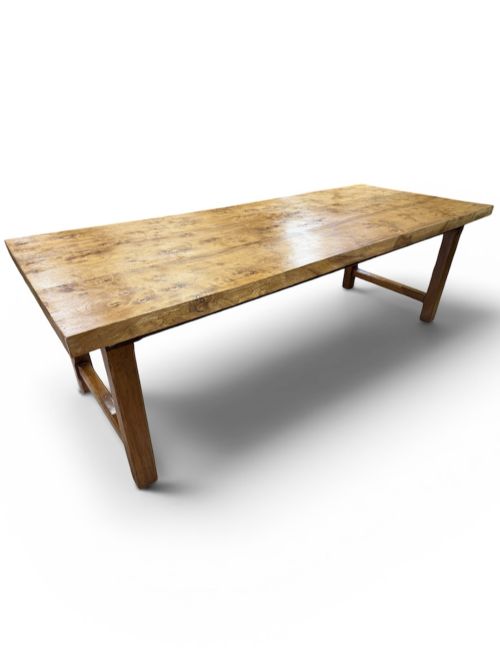
When searching for a solid oak plank table, buyers encounter heavy timber surfaces built to serve dining rooms, kitchens, and libraries. These pieces span centuries of domestic use, ranging from seventeenth-century formats to twentieth-century country interpretations.
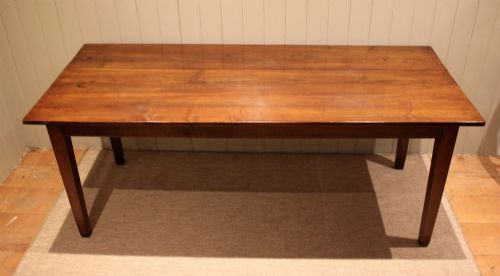
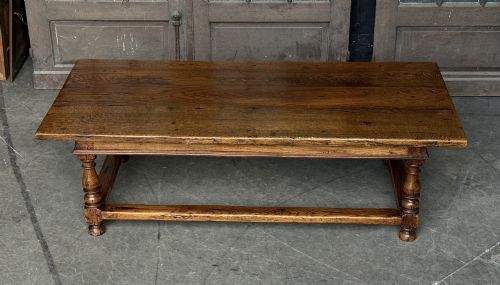
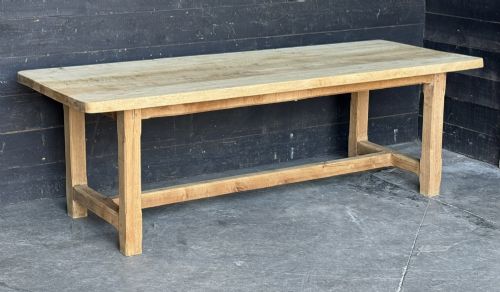
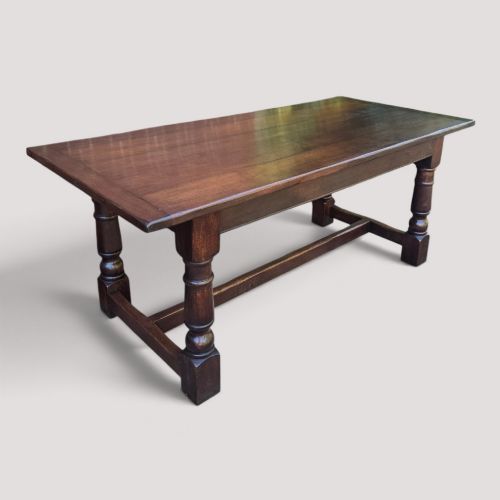
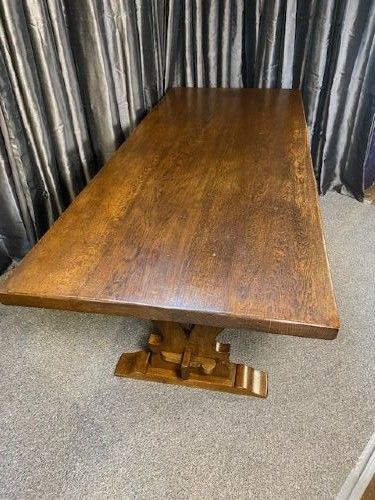
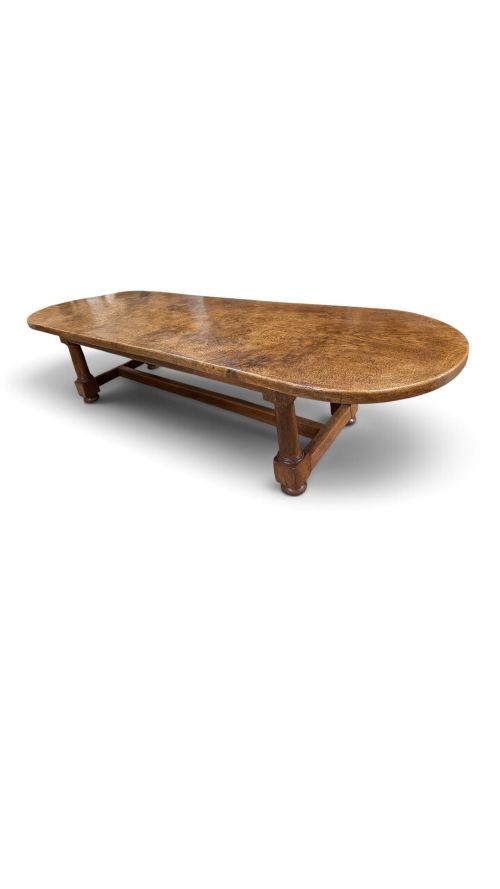
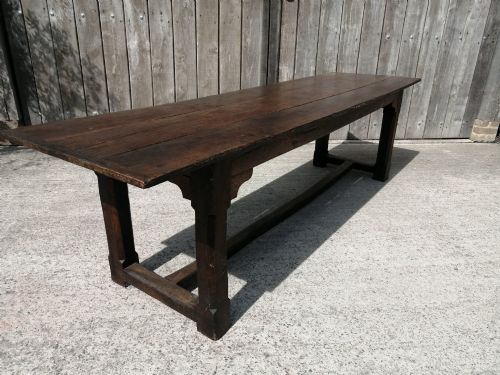
The most common examples on this page are refectory and farmhouse dining tables, alongside smaller coffee tables and work tables. They bring robust construction and thick board tops into everyday interiors.
How they were made
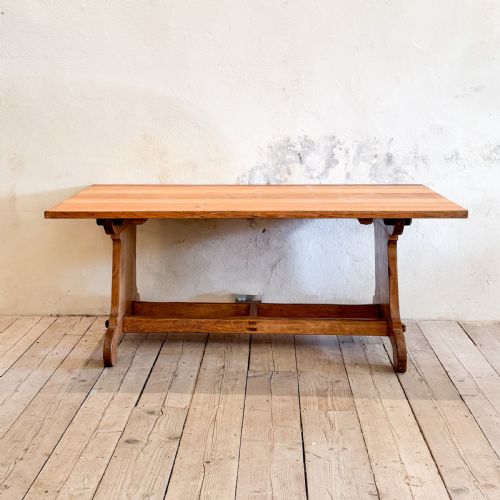
Maker's hands joined thick oak and elm boards using traditional framing methods, pinning planks together to create durable horizontal surfaces. Trestle ends, shaped bases, and sturdy legs support the heavy timber without modern metal fixings.
Woodworkers selected native timber for its strength, allowing natural grain and thick planks to endure decades of daily labour and dining.
Solid Oak Plank Table Retail Price Guide 2026
Typical asking prices for solid oak plank table among the pieces listed under this phrase on Sellingantiques today, from the lower quarter to the upper quarter. They describe what is for sale here now, not the wider market.
Table forms range from long dining refectories and kitchen work tables down to low coffee tables built from thick timber planks.
What varies in quality
The standard of a plank table rests on the thickness of the timber and the integrity of the boards forming the top. Single or double plank configurations demonstrate superior material selection compared to multi-board tops.
Proportion and base construction differentiate simpler utilitarian boards from refined architectural refectories. Original timber patination and honest surface wear define the character of better specimens.
Heals
The Solid Oak Plank Table Glossary
- Plank top
- A surface constructed from wide boards of solid timber joined edge to edge. This method provides a heavy, stable eating or working area.
- Refectory table
- A long narrow dining table traditionally used in monastic dining halls. These forms feature substantial length and supportive trestle or leg assemblies.
- Trestle ends
- Support structures positioned near the ends of a table rather than corners. They distribute weight evenly across large timber tops.
- Gate leg table
- A drop-leaf table where hinged legs swing out to support extended flaps. This design allows the surface area to expand when needed.
Solid Oak Plank Table: Frequently Asked Questions
How do I clean a solid oak plank table?
Wipe timber surfaces with a damp cloth and mild soap, avoiding harsh chemicals that strip natural oils.
Dry the wood thoroughly afterwards to prevent moisture damage to the grain.
Can these tables be used in modern kitchens?
Kitchen and dining spaces accommodate these heavy timber surfaces easily for daily family meals.
Their robust construction handles everyday food preparation and gathering.
How do I identify an eighteenth-century plank table?
Examine the underside for traditional joinery marks, pegged joints, and hand-sawn board edges.
Older oak displays deep patination and shrinkage marks absent in later reproductions.
What is the difference between a refectory and a farmhouse table?
Refectory formats generally present longer, narrower proportions with trestle supports or recessed legs.
Farmhouse variants often utilise four corner legs and heavier underframes suited for rural utility.