


Solid Oak Office Desk
A solid oak office desk brings enduring utility and robust character to a workspace, drawing on decades of traditional craftsmanship.
Solid Oak Office Desk
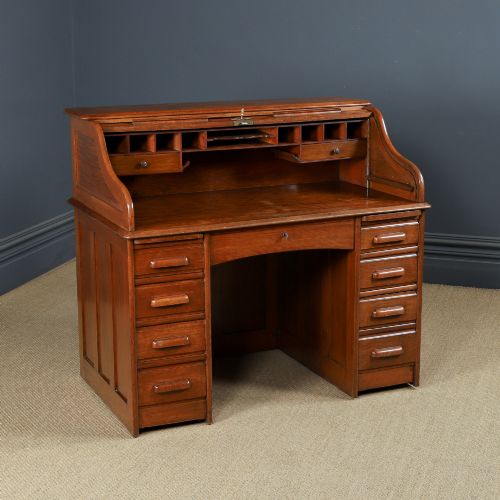
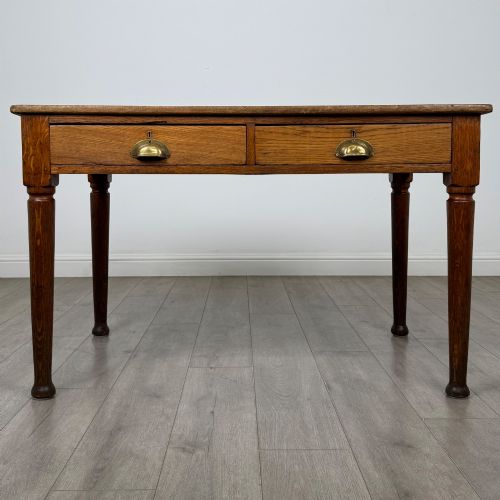
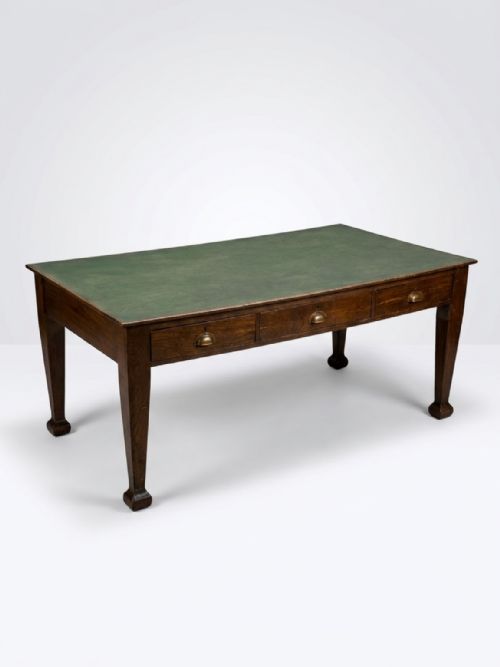
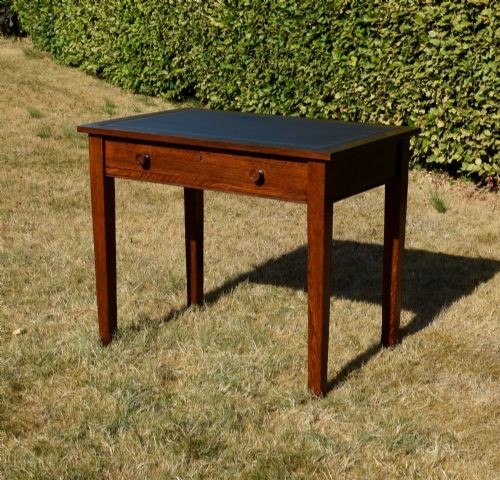
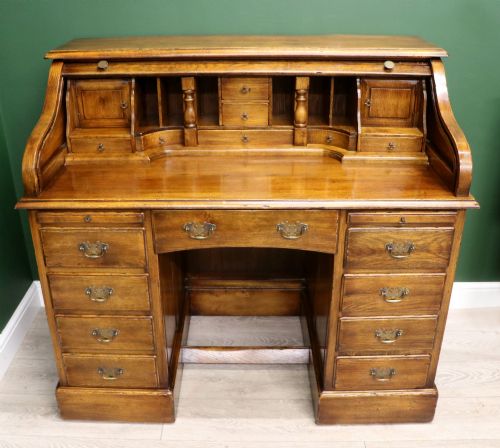
A solid oak office desk represents a functional workspace solution rooted in historical design, spanning late Victorian, Edwardian, and early twentieth-century periods. These pieces include large pedestal desks, roll-top varieties with tambour shutters, and simpler writing tables designed for daily administrative tasks.
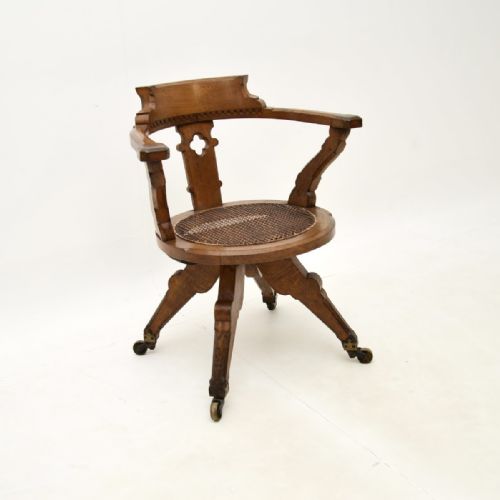
The version most commonly encountered on this page is the Edwardian roll-top or pedestal desk, often accompanied by a matching revolving desk chair. These examples reflect the heavy clerical demands of their era, offering numerous internal pigeonholes, drawers, and writing surfaces.
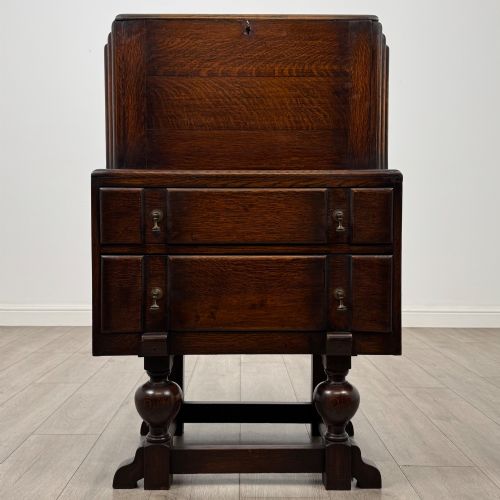
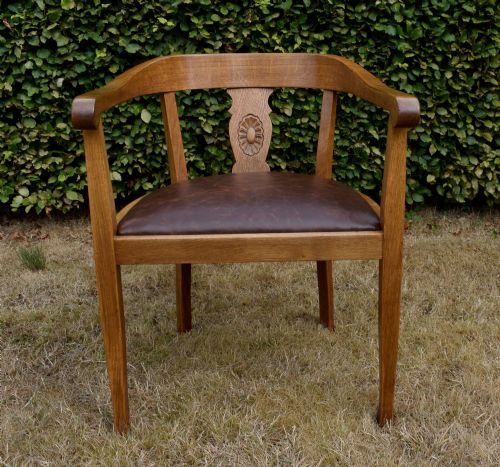
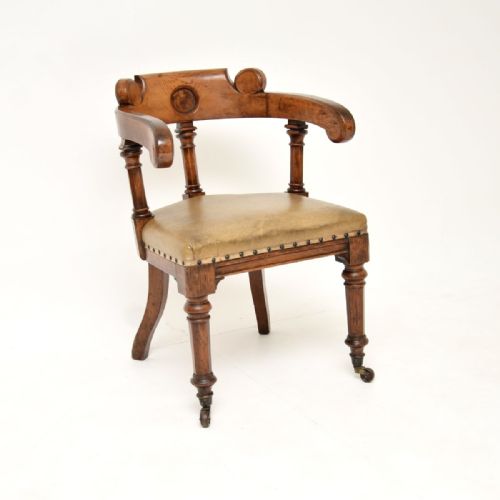
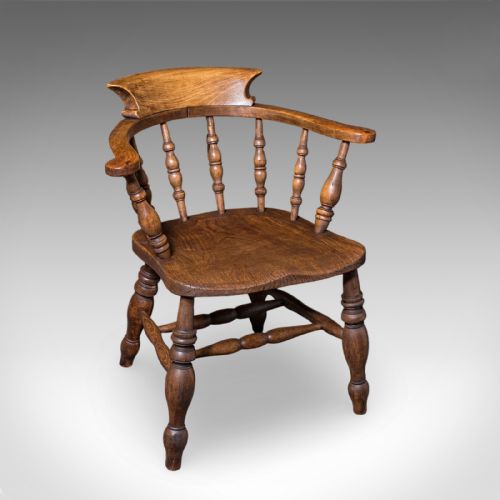
Beyond standard writing tables, the selection incorporates related office furnishings such as filing cabinets, bureaus, and captain's chairs constructed from sturdy timbers. Each item demonstrates the practical requirements of period offices, utilising dense hardwoods to withstand heavy daily use.
Materials and Construction Methods
Makers constructed these workspaces primarily using solid oak frames, occasionally incorporating secondary timbers such as ash, elm, or beech for internal framing and drawer linings. Joinery typically relied on traditional methods like dovetailing for drawers and mortise and tenon joints for structural stability.
Writing surfaces were frequently inset with panels of dyed leather, often tooled with gilt borders around the perimeter. Hardware components such as drawer pulls, hinges, and swivelling mechanisms were cast from brass or iron, adding functional durability to the heavy timber frames.
Many swivel desk chairs retain their original cast-iron mechanisms, creaking softly as they remind users of frantic Victorian counting houses.
Assessing Quality and Execution
The distinction between standard utility items and superior examples lies in the selection of the timber and the complexity of the internal mechanisms. Finer desks display carefully matched grain patterns across the primary surfaces, particularly on large roll-top tambour shutters and central panels.
Engineering of the moving parts also dictates the grade of the piece, where smooth-running tambour slats, balanced swivel actions on desk chairs, and tightly fitted pigeonhole interiors indicate superior workshop execution.
William Angus And Co
The Solid Oak Office Desk Glossary
- Tambour
- A flexible shutter composed of narrow strips of wood glued to canvas, allowing a roll-top desk to conceal the workspace. This mechanism slides smoothly within curved tracks cut into the sides of the desk.
- Pedestal desk
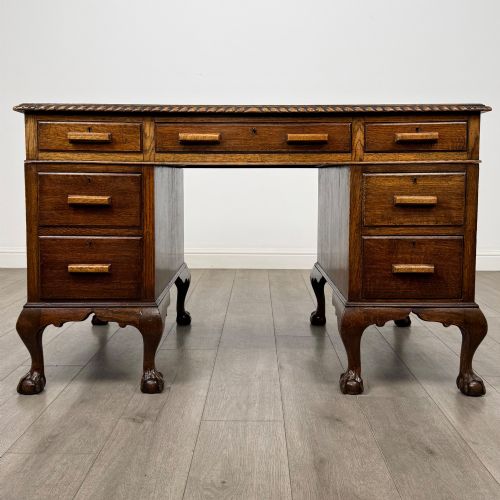
- A heavy freestanding writing table supported by two banks of drawers rather than simple legs. They offer substantial storage capacity and a formal appearance.
- Linenfold
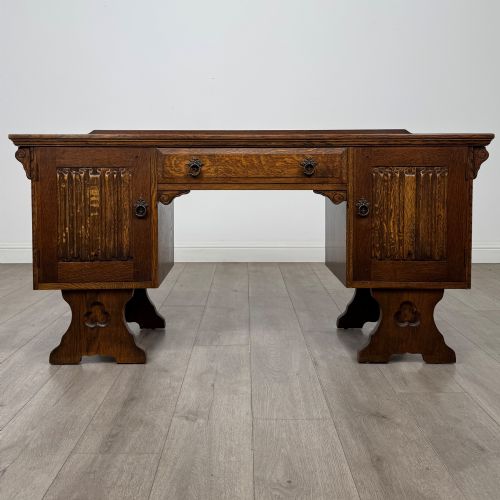
- A style of wood carving that imitates folded linen cloth, frequently seen on Edwardian cabinet doors and panels. It adds decorative texture to otherwise plain wooden surfaces.
- Captain's chair
- A sturdy wooden armchair, often featuring a low back and a rounded steam-bent rail supported by spindles. Later variants incorporated swivel bases and upholstered leather seats for office use.
- Dovetail
- A joint formed by interlocking wedge-shaped fingers, used primarily in drawer construction to resist pulling forces. Its presence denotes traditional cabinet-making standards.
Solid Oak Office Desk: Frequently Asked Questions
What is a roll top desk?
A roll top desk is a pedestal desk featuring a slatted wooden tambour shutter that pulls down to cover the entire writing surface and pigeonholes. This design allowed clerks to lock away paperwork quickly at the end of the working day without clearing the desk.
Most surviving examples date from the Edwardian period and utilise solid oak construction. The internal organisation typically includes numerous small drawers, stationary compartments, and secret slots.
How do I maintain a leather desk top?
Leather writing surfaces require gentle cleaning with a slightly damp cloth to remove dust and debris. Avoid harsh chemical cleaners that can strip the natural dyes and dry out the hide.
Applying a specialist leather balm periodically helps preserve the suppleness of the material and protects the gilt tooling around the edges. Keeping the desk away from direct sunlight prevents the leather from fading or cracking over time.
Are these desks suitable for modern computers?
Many period desks accommodate modern technology, though interior clearance for keyboards and monitor placement varies by model. Writing tables and large pedestal desks generally offer sufficient surface area, whereas roll-top compartments may restrict vertical screen height.
Checking the internal dimensions of the kneehole space ensures that modern office chairs and leg placement remain comfortable during extended use.
How do I date an oak office desk?
Dating relies on observing construction details, timber selection, and prevailing style revivals. Edwardian and late Victorian pieces often exhibit heavier mouldings, brass hardware, and specific joinery techniques.
Makers' labels, stamps inside drawer boxes, and registration marks also provide concrete evidence of the manufacturing era. Comparing the hardware style with known production periods helps narrow down the decade of origin.