
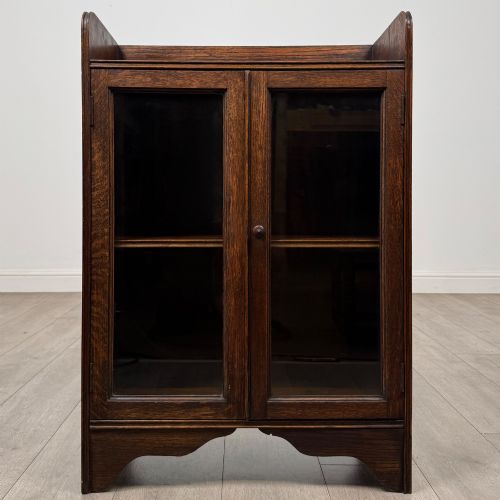
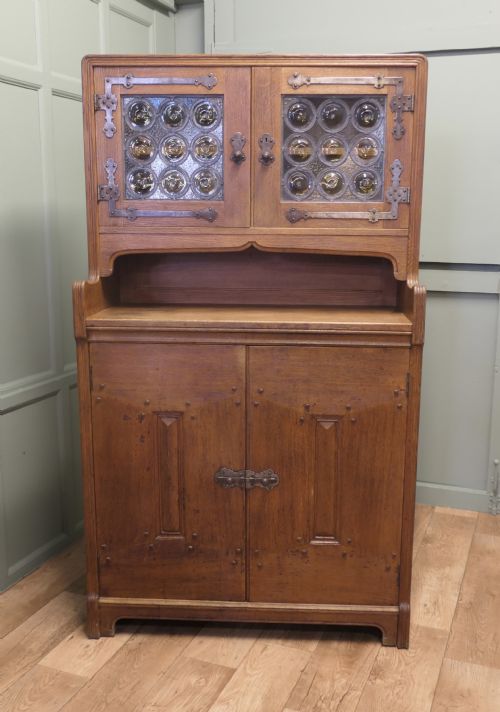
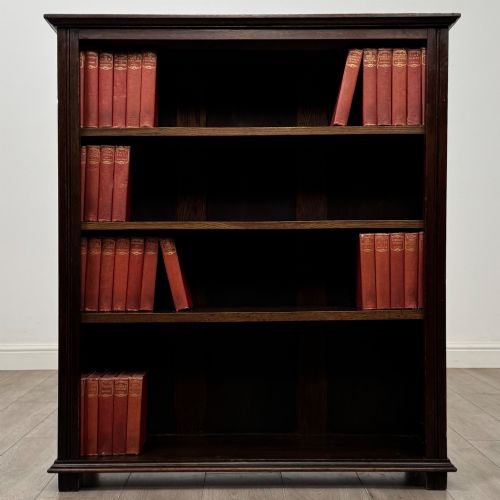
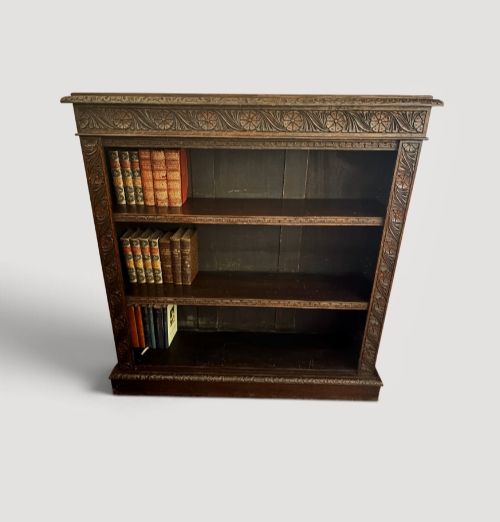

Solid Oak Display Cabinet
A solid oak display cabinet brings substance and honest timber grain to a room, housing collections behind clear glass.
Solid Oak Display Cabinet
A solid oak display cabinet represents durable household storage rooted in the late nineteenth and early twentieth centuries. Pieces matching this search phrase span Victorian, Edwardian, and 1930s periods, drawing on styles such as Arts and Crafts, Art Deco, and Victorian Gothic.
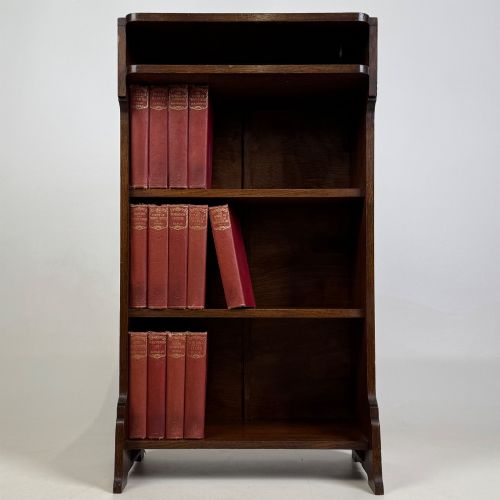
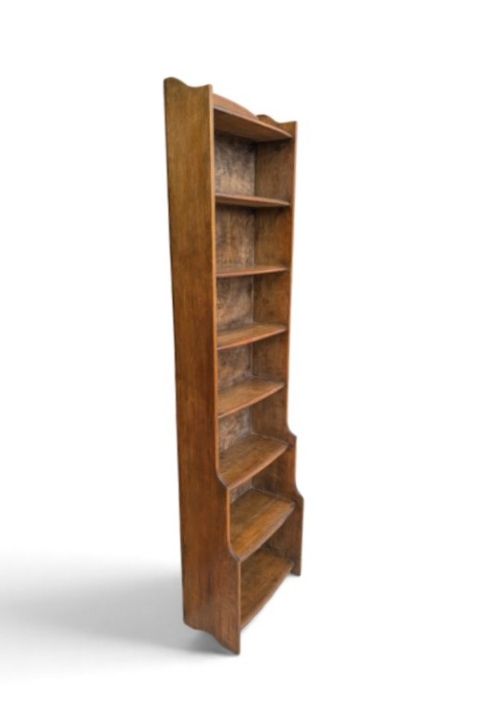
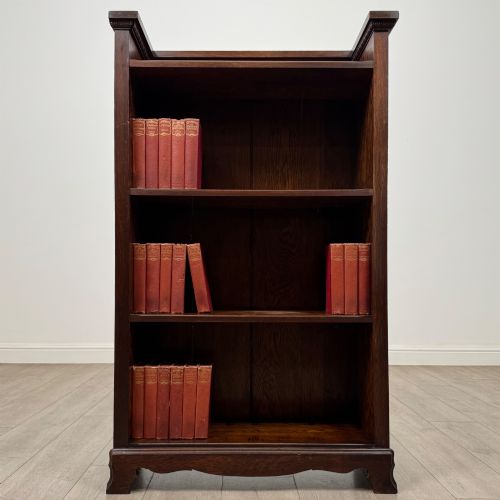
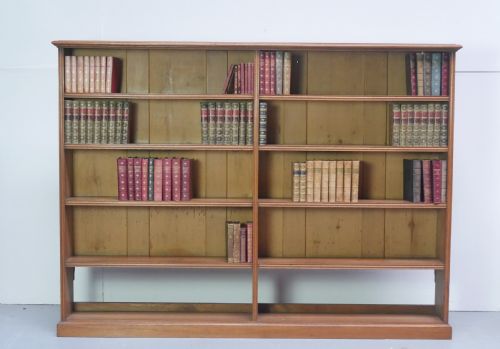
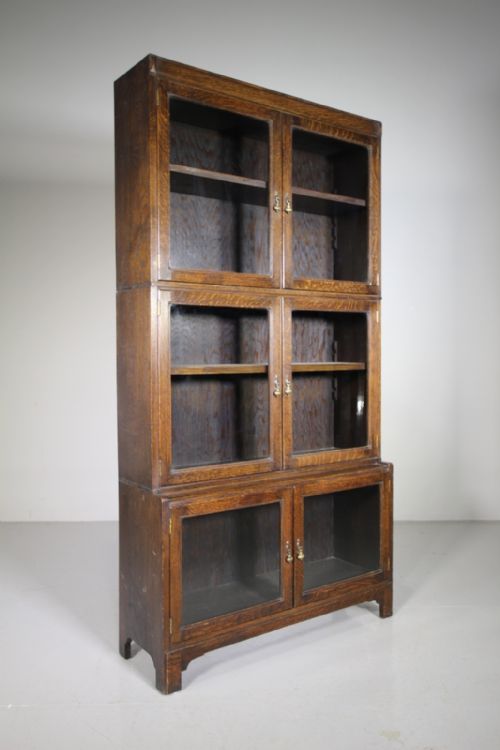
Buyers most frequently encounter glazed bookcases, shop display cabinets, and tall shelved units configured for domestic or commercial use. The inventory includes variants with adjustable shelves, paired doors, and wall-mounted formats suited for smaller footprints.
Origins stretch from English country workshops to notable retail houses, reflecting shifts in interior display from closed storage to visible curation. Formats range from compact table-height cabinets to expansive breakfront bookcases.
How they were made
Construction relies heavily on solid oak timber, paired with glass panels for door inserts and sides to allow light into the interior. Hardware components incorporate brass and iron for hinges, handles, and locking mechanisms.
Surface treatments range from natural golden oak finishes to carved detailing and occasional painted highlights or later sign writing. Joinery techniques secure heavy timber frames, supporting adjustable shelving and substantial glass doors without warping.
Listings span several centuries of cabinet making, with materials including solid oak, brass, iron, and glass across various Edwardian and Victorian forms.
What varies in quality
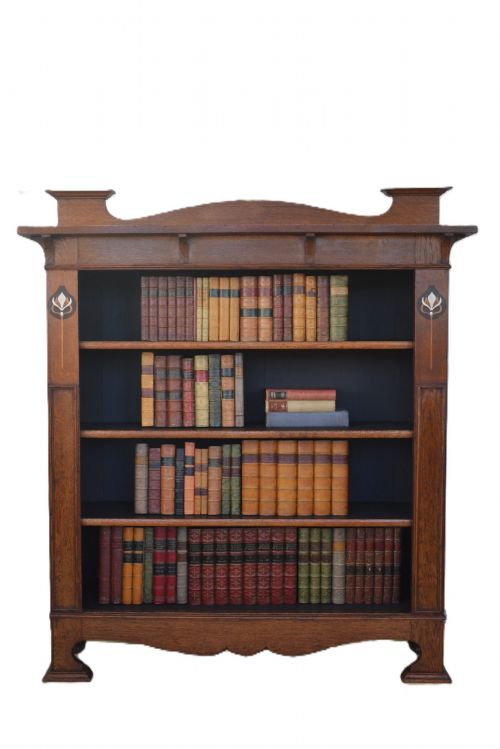
Quality separates standard utility pieces from items produced by notable design houses or featuring intricate hand carving. Superior examples demonstrate refined proportions, specialised timber selection, and integrated stylistic details like Arts and Crafts copper work or Gothic tracery.
The sophistication of the glazing bars, the weight of the brass or iron hardware, and the presence of maker attribution distinguish exceptional cabinets from standard production furniture.
Heal s·Liberty·Waring and Gillow
The Solid Oak Display Cabinet Glossary
- Breakfront
- A cabinet design where the central section projects forward from the flanking wings. This configuration adds architectural depth to large bookcases and sideboards.
- Arts and Crafts
- A design movement emphasising handcraftsmanship, simple forms, and local materials. Pieces from this tradition often display exposed joinery and honest construction.
- Glazed
- Fitted with glass panes to protect contents from dust while maintaining visibility. This treatment defines the core function of display cabinets and bookcases.
- Welsh Dresser
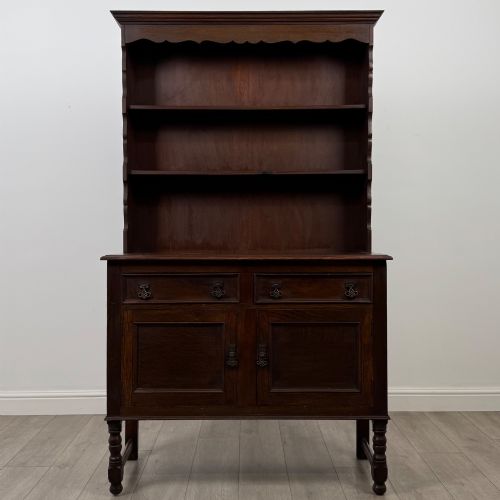
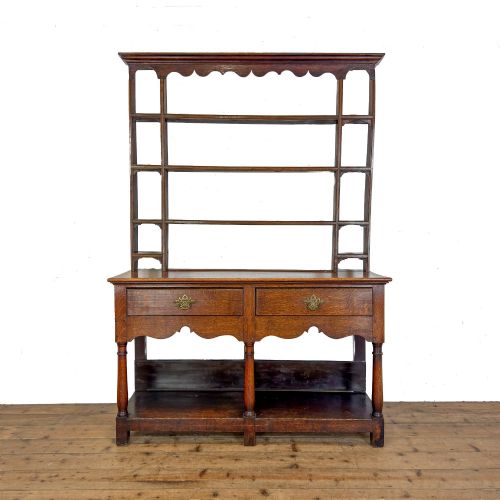
- A traditional kitchen or dining piece combining lower cupboards or drawers with upper display shelving. They provide robust storage alongside surface space.
Solid Oak Display Cabinet: Frequently Asked Questions
How do I date a solid oak cabinet?
Dating relies on architectural styling, hardware design, and construction methods visible in the timber framing.
Victorian and Edwardian pieces often display distinct period carving or simpler golden oak surfaces, while 1930s examples lean towards cleaner modernist lines.
Are shelves usually adjustable?
Many of the recorded bookcases and cabinets feature height-adjustable shelving systems supported by wooden racks or metal pins.
This adaptability allows the interior space to accommodate books or display objects of varying heights.
What is the difference between a bookcase and a display cabinet?
Display cabinets typically incorporate enclosed glass doors designed specifically to showcase collections while protecting them from dust.
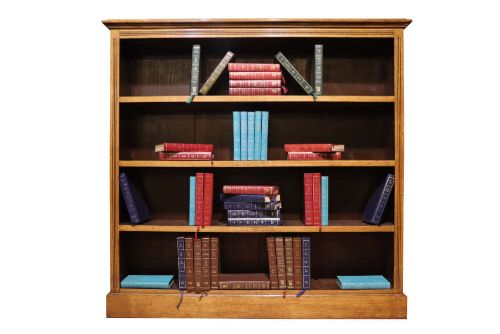
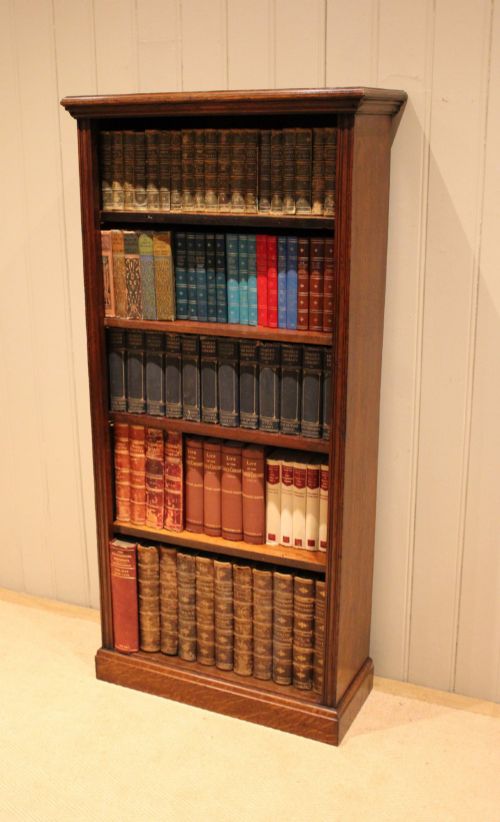
Bookcases often provide open front shelving for accessible book storage, though many surviving examples combine both formats.
How should I care for solid oak furniture?
Solid oak responds best to stable indoor humidity levels away from direct heat sources that might dry the timber.
Routine dusting with a soft cloth preserves the natural grain and finish without requiring heavy chemical polishes.