


Solid Brass Desk Lamp
A solid brass desk lamp brings substantial weight and warm metal tones to a working surface, combining period engineering with enduring utility.
Solid Brass Desk Lamp
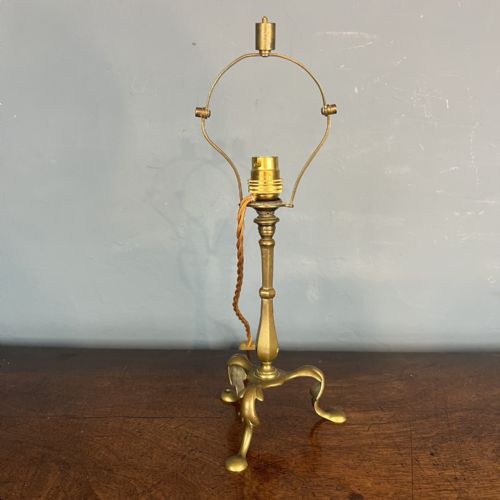
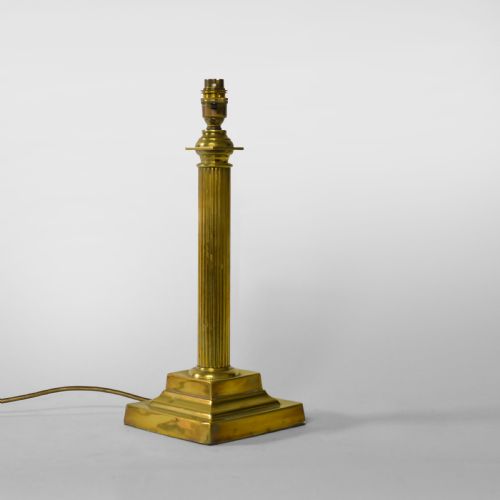
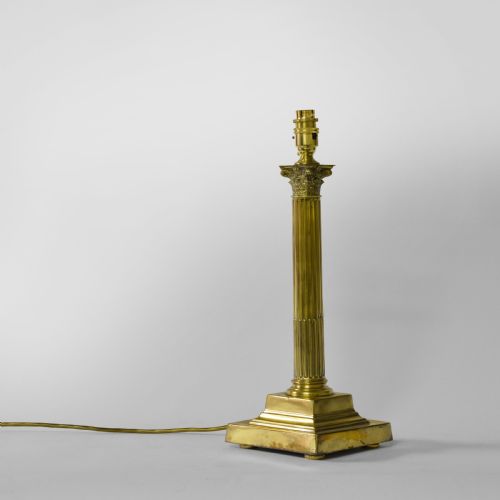
When you search for a solid brass desk lamp, you encounter heavy metal task lighting spanning the Victorian, Edwardian, and Art Deco periods. These items range from sturdy utilitarian bankers lamps to formal classical columns and adjustable library lights.
The most common forms on this page include architectural column lamps, articulated reading lights, and specialised Pullman designs. Many originate from British and French workshops, utilising substantial cast metal components built for daily use on writing desks and tables.
How they were made
These lamps rely primarily on heavy cast and turned brass, sometimes complemented by bronze elements, fabric shades, or opaline glass fittings. Metal sections are shaped through casting and machining, creating robust joints, weighted bases, and threaded collars that endure decades of adjustment.
Period construction often incorporates functional mechanisms such as rise-and-fall weights, articulated arms, and rotating hinges. Wiring systems have typically been updated to meet modern standards while retaining the original metal housings and switches.
Many a Victorian writer worked late into the night beneath a heavy brass column, likely cursing the soot while admiring the decorative acanthus leaves.
What varies in quality
Quality in these pieces depends heavily on the thickness of the brass casting and the precision of the mechanical joints. Finer examples display crisp architectural detailing on columns, smooth articulation without loose pivots, and substantial bases that prevent tipping.
Superior items often bear the marks of known makers and maintain their original patination rather than over-polished surfaces. The integration of high-grade glass shades, such as opaline components, further distinguishes top-tier examples from simpler utilitarian pieces.
Faraday and Sons·Messenger
The Solid Brass Desk Lamp Glossary
- Corinthian column
- A classical architectural column form featuring ornate acanthus leaves on the capital, frequently utilised for Victorian and Edwardian lamp standards.
- Articulated
- Designed with movable joints or pivoting arms that allow the user to direct the beam of light precisely across a desk surface.
- Opaline glass
- A milky, translucent white glass used for lamp shades to diffuse light softly without harsh glare.
- Pullman lamp
- A compact, adjustable lighting fixture originally designed for railway carriages and marine use, prized for its space-saving engineering.
- Obelisk
- A tall, tapering, four-sided shaft ending in a pyramidal top, adopted in desk lamp design during the Edwardian era.
Solid Brass Desk Lamp: Frequently Asked Questions
Were these lamps originally electric?
Many Victorian and early Edwardian examples began as oil or gas lamps before being converted to electricity during the twentieth century. Other models manufactured around 1910 and the 1920s were built specifically for electrical illumination.
Today, most surviving pieces have been rewired to comply with modern electrical safety standards while preserving their original external brass fixtures.
How do I maintain the brass finish?
Maintenance generally requires only occasional dusting with a soft, dry cloth to preserve the natural aged patina. Aggressive metal polishes should be avoided unless a bright, reflective shine is specifically desired.
Leaving the brass unlacquered allows the metal to develop a deeper historical character through handling and exposure to air over time.
Where should I place a heavy brass desk lamp?
These substantial metal lamps suit heavy oak writing desks, libraries, and studies where their weight and height provide stable, focused illumination. Their classical and industrial forms also contrast effectively against modern workspace furniture.
Ensure the surface can support the combined weight of the cast metal base and any extended articulating arms.