



Snow Landscape Art
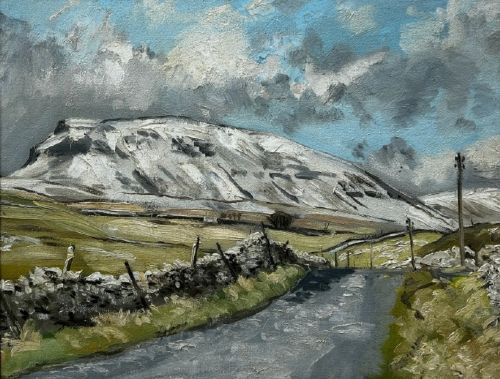
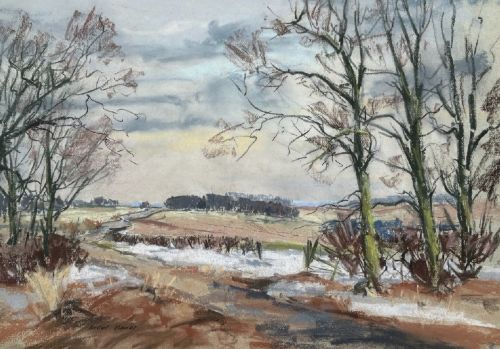
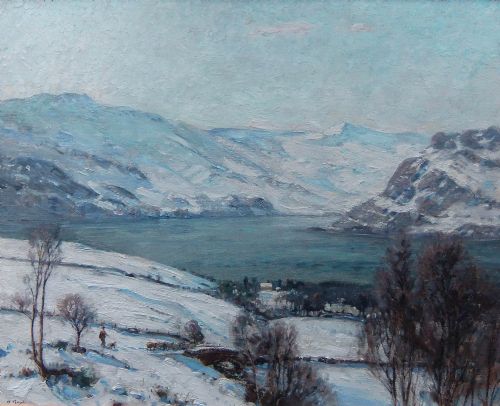
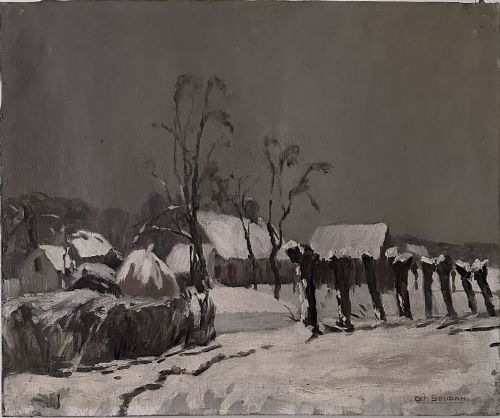
Snow landscape art captures the quiet stillness of winter scenes through historical brushwork, bringing atmospheric frost and muted light directly to your walls.
Snow Landscape Art
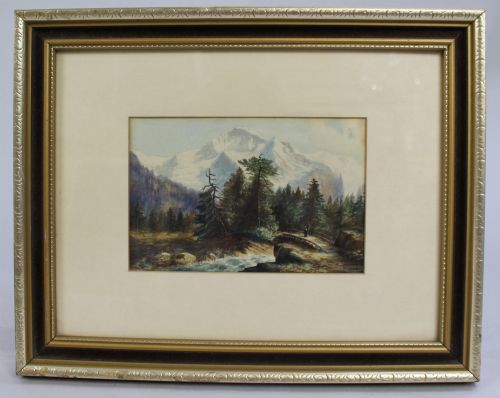
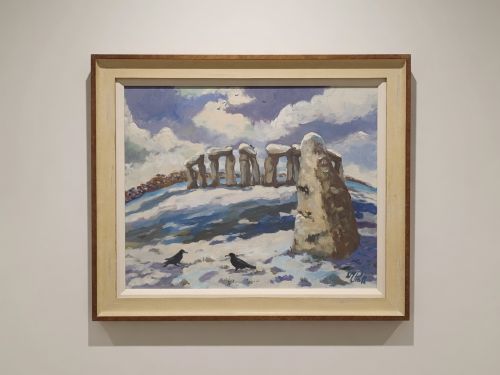
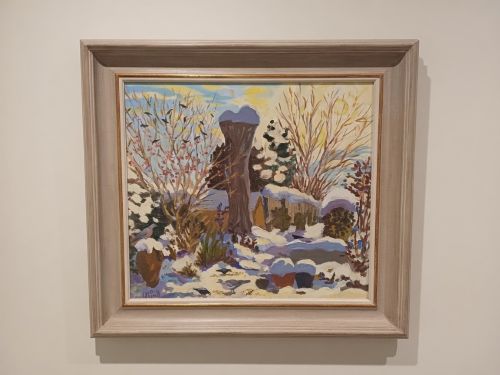
Snow landscape art encompasses framed works depicting winter scenes, frost, and alpine views across multiple decades. Buyers searching this phrase typically encounter framed oils and watercolours spanning from the nineteenth century into the mid-twentieth century.
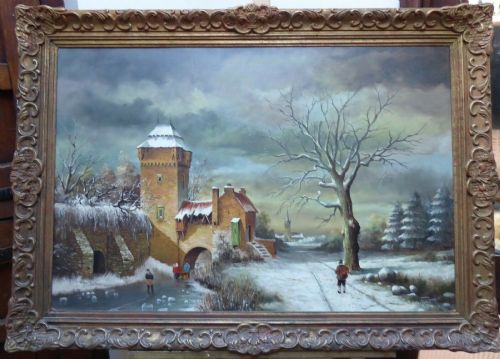
The selection ranges from British countryside views by regional painters to European mountain scenes and Dutch winter village panels. Canvas and paper provide the primary surfaces for these atmospheric compositions.
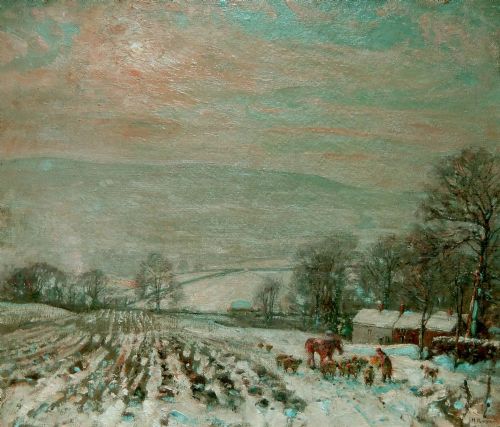
Artists record rural farmsteads, stagecoaches caught in storms, and snow-covered dales using traditional mediums. These pieces reflect movements such as British Impressionism, Victorian realism, and the Dutch School style.
Materials and Techniques
Painters apply oil paint and watercolour pigment onto prepared canvas, wood boards, or heavy paper to capture the crisp light of winter. Ground layers often utilise gesso beneath the primary pigments to enhance luminosity.
Gold leaf occasionally frames or highlights details within the composition, while gouache adds opacity to watercolour works. Brushwork varies from thin, fluid washes on paper to thick, textured impasto on canvas.
Snow Landscape Art Retail Price Guide 2026
Typical asking prices for snow landscape art among the pieces listed under this phrase on Sellingantiques today, from the lower quarter to the upper quarter. They describe what is for sale here now, not the wider market.
Current listings feature watercolours and oil paintings created across the nineteenth and twentieth centuries.
Evaluating Quality
Superior works demonstrate a controlled handling of light and shadow, particularly in the difficult rendering of white snow under overcast or crisp morning skies. The depth of the atmospheric perspective separates accomplished compositions from more formulaic studies.
Condition of the canvas, paper, and original pigments dictates the integrity of the piece over time. Intact frames and stable surfaces preserve the artist's original touch without distracting restoration or fading.
Pieter Cornelis Steenhouwer·Herbert Royle·John Charles Maggs·Ernest Higgins Rigg·George Augustus Williams
The Snow Landscape Art Glossary
- Canvas
- A heavy woven fabric stretched across a wooden frame to serve as a support for oil paintings. It provides a textured surface that holds thick layers of pigment.
- Gouache
- An opaque water-based paint that includes a binding agent, allowing artists to add solid highlights to watercolour pieces. It dries to a matte finish.
- Gesso
- A white primer mixture consisting of a binder mixed with chalk or gypsum, applied to wood or canvas before painting. It creates a smooth, stable foundation for oil colours.
- Impasto
- A technique where paint is laid onto a canvas in very thick areas, usually thick enough that the brush or painting-knife strokes are visible. This adds physical texture and depth to snow drifts.
- Impressionism
- A nineteenth-century art movement characterised by relatively small, thin, yet visible brush strokes and an emphasis on accurate depiction of light. It informs many of the outdoor winter sketches found in this category.
Snow Landscape Art: Frequently Asked Questions
What periods do these paintings come from?
The works span from the nineteenth century through the Edwardian era and into the mid-twentieth century. Artists recorded winter scenes across multiple decades of changing artistic styles.
Paintings from the 1880s and 1900s sit alongside 1920s watercolours and post-war oil compositions.
What mediums were used for these winter scenes?
Painters worked primarily with oil paint on canvas or wood panels, alongside watercolour pigment and gouache on paper. Ground layers often incorporate gesso.
Some pieces feature gold leaf accents or pastel drawings capturing the frost of rural landscapes.
How should I hang and care for these artworks?
Keep framed canvases and watercolours away from direct sunlight and excessive humidity to protect the pigments and paper. Stable indoor temperatures prevent warping in the wood stretchers.
Ensure hanging hardware is secure, as older frames can carry substantial weight.
How do I identify a watercolour from an oil painting?
Watercolours are painted on paper, usually displayed behind glass to protect the pigment from moisture and surface damage. They offer a transparent, luminous quality.
Oil paintings utilise canvas or wood boards, displaying a textured surface of heavier paint layers that do not require glass protection.