


Small Writing Desk Drawers
These small writing desk drawers span Georgian, Victorian, and Edwardian periods, offering compact storage and writing surfaces crafted in mahogany, oak, and walnut.
Small Writing Desk Drawers
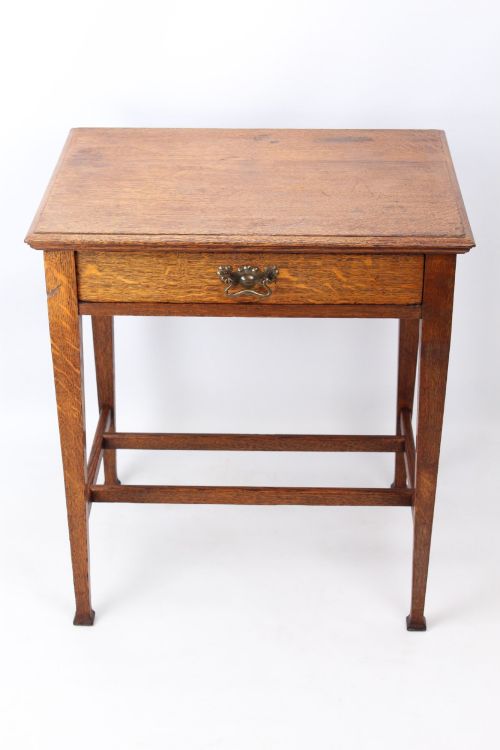
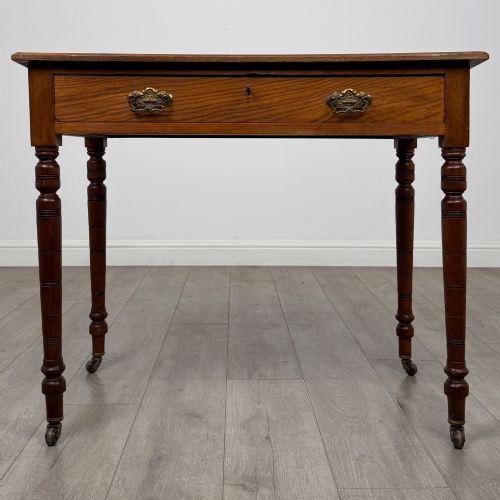
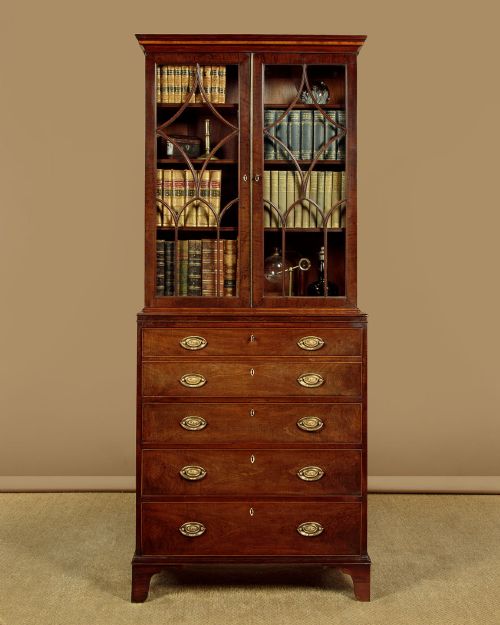
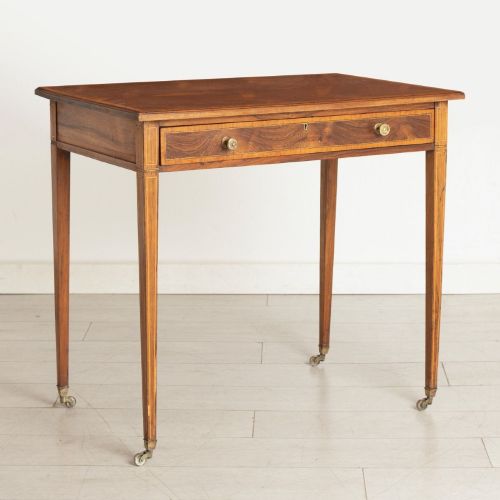
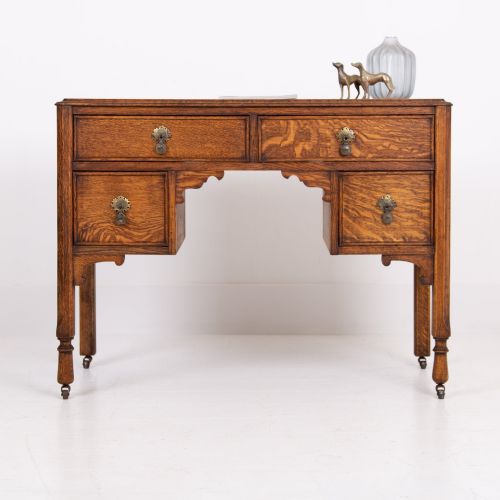
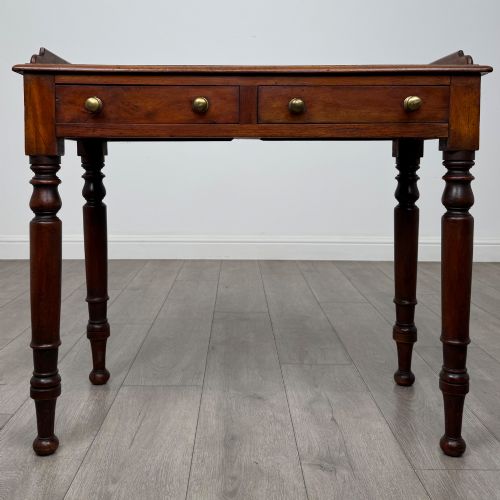
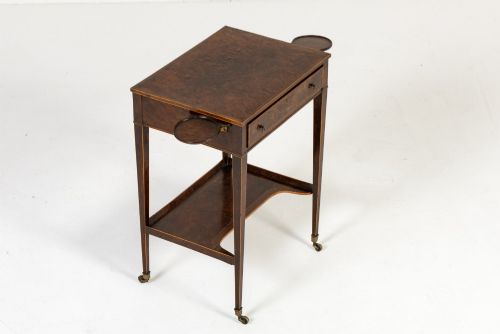
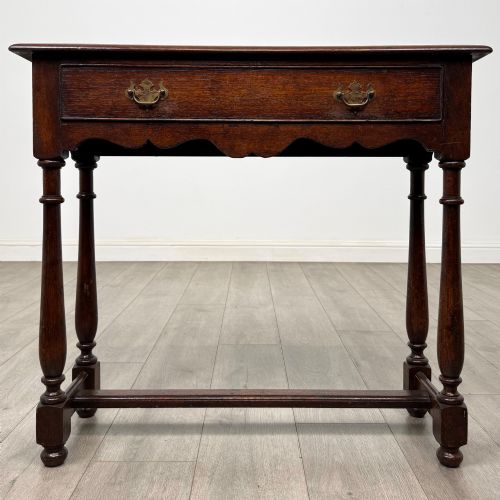
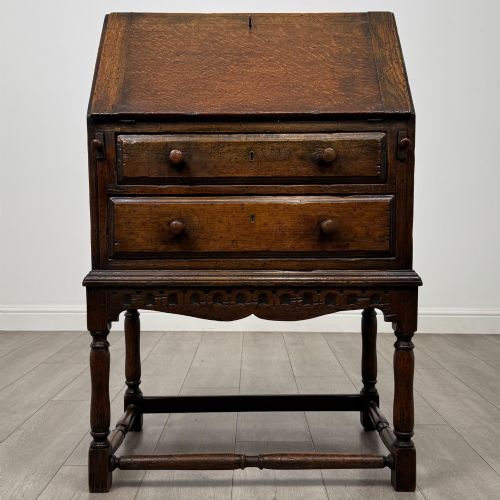
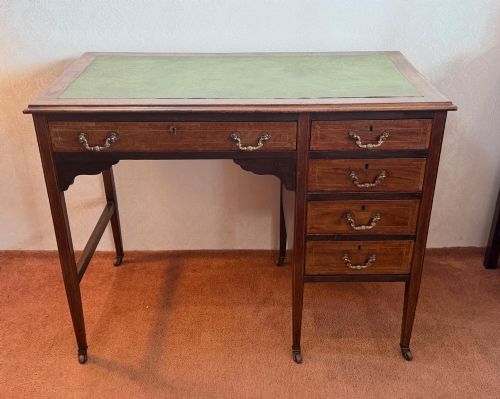
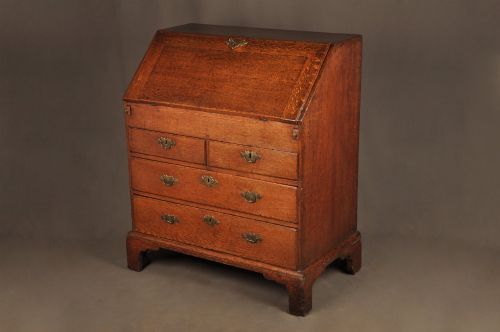
Small writing desk drawers appear across several historic periods, running from early eighteenth-century Georgian lowboys and bureaux through nineteenth-century Victorian writing tables and Davenport desks, up to Edwardian pedestal desks. These items serve compact workspaces or domestic writing needs, appearing as side tables with drawers, kneehole desks, and secretaire bookcases.
The version most commonly met on this page is the nineteenth-century Victorian or Edwardian mahogany side table and small bureau. Buyers frequently encounter oak and walnut examples alongside these mahogany pieces, spanning simpler farmhouse forms to inlaid pedestal formats.
Materials and Technique
Cabinetmakers utilised hardwoods such as mahogany, oak, walnut, and rosewood, often pairing structural timbers with burr walnut, burr yew wood, or satinwood veneers. Drawer linings frequently employ secondary timbers, constructed with traditional jointing methods.
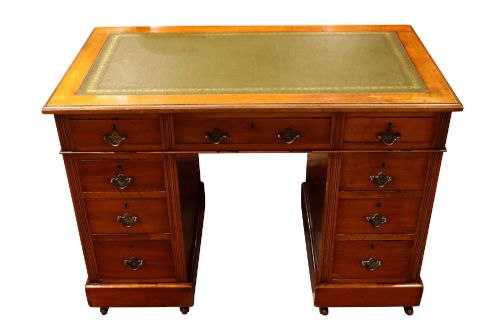
Surface treatments incorporate leather inserts on writing surfaces, brass handles, and occasional marquetry or ebonised detailing. Tables and desks rest on turned supports, pedestal configurations, or bracket feet depending on the period.
Some nineteenth-century writing tables survive with their original matching keys still turning smoothly in the drawer locks.
Assessing Quality
Quality rests in the selection of timber and the fineness of the cabinetwork, visible in the choice of figured mahogany, burr walnut, or satinwood inlay rather than plain secondary woods. Superior pieces display crisp mouldings, carefully fitted drawers, and intact original hardware.
Design integrity separates standard utility furniture from finer workshop productions. Proportion, balance, and restrained decorative elements distinguish high-grade Georgian and Regency examples from later mass-produced alternatives.
Gillows
The Small Writing Desk Drawers Glossary
- Bureau
- A sloping desk that opens to reveal internal compartments and pigeonholes, usually positioned above a chest of drawers. This form provides a concealed writing surface when closed.
- Davenport desk
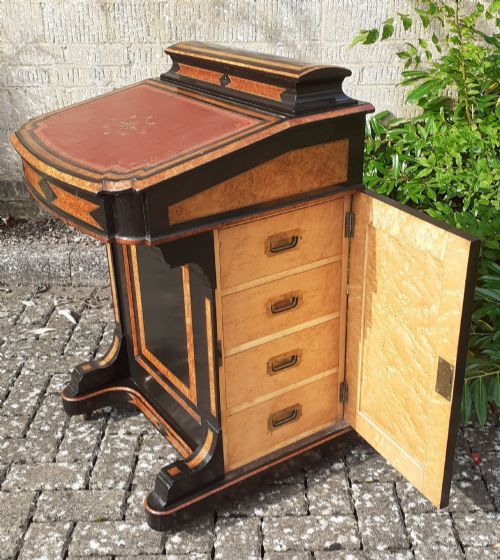
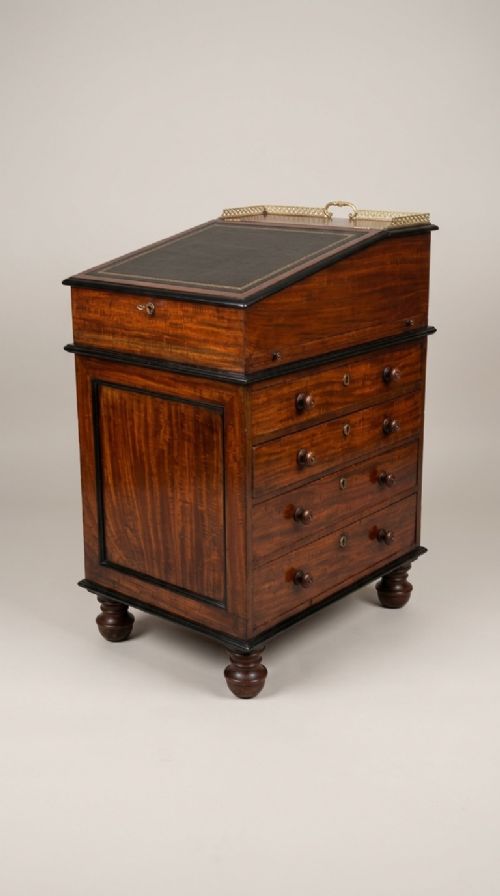
- A compact desk featuring a sloping, leather-lined writing lid and a set of side drawers accessed from a seated position. It gained popularity during the nineteenth century for domestic correspondence.
- Lowboy
- A small seventeenth or eighteenth-century dressing or side table fitted with one or more rows of drawers beneath the top. They typically stand on slender cabriole or straight legs.
- Secretaire
- A piece of furniture containing a pull-down writing drawer or flap that conceals fitted small drawers and pigeonholes. These items combine chest storage with writing utility.
Small Writing Desk Drawers: Frequently Asked Questions
What is a Davenport desk?
A Davenport desk is a compact nineteenth-century writing form featuring a sloping top with a leather writing surface. A bank of small drawers is integrated into one side of the pedestal base.
These pieces combine enclosed storage with a modest footprint, making them suitable for smaller parlours or private chambers where space is restricted.
How do I distinguish a bureau from a desk?
A bureau specifically refers to a piece featuring a sloping front flap that lowers to create a writing surface while exposing internal compartments. A writing table or desk generally offers a flat top, sometimes inset with leather, supported by legs or pedestals.
Bureaux often include graduated drawers beneath the writing flap, whereas standard writing tables rely on frieze drawers directly beneath the table surface.
What periods do these desks cover?
The available selection covers items from the early eighteenth century through the Georgian, Regency, Victorian, and Edwardian eras. Earlier examples display walnut and oak, while mahogany predominates in the nineteenth century.
Edwardian pieces often feature lighter satinwood inlay or golden oak constructions, reflecting evolving domestic interiors around nineteen hundred.
How should I care for leather writing surfaces?
Leather inserts require gentle dusting and occasional treatment with appropriate leather dressings to prevent cracking or drying over time. Avoid placing hot cups or moisture directly onto the antique hide.
Maintaining stable room humidity protects both the leather and the underlying timber framing from shrinkage or warping.