
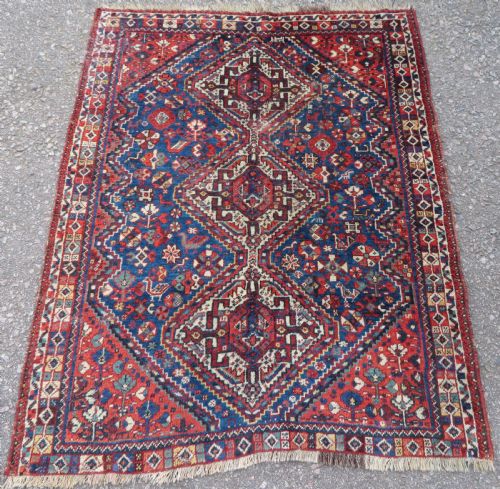
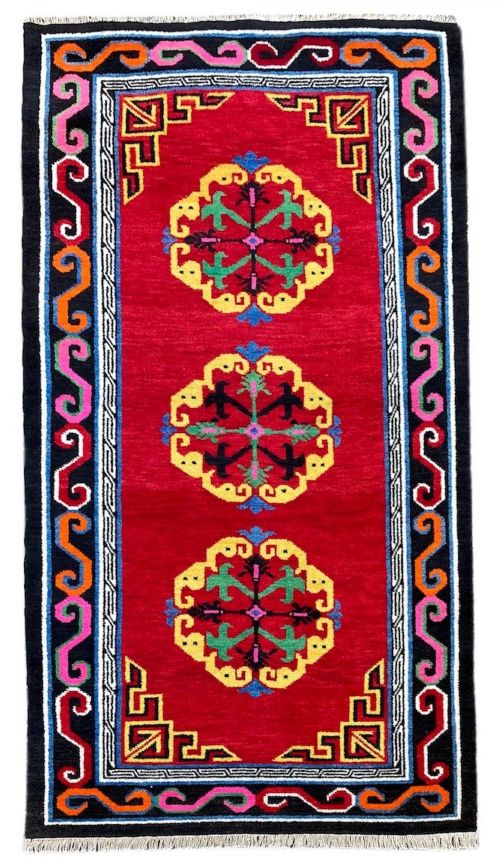
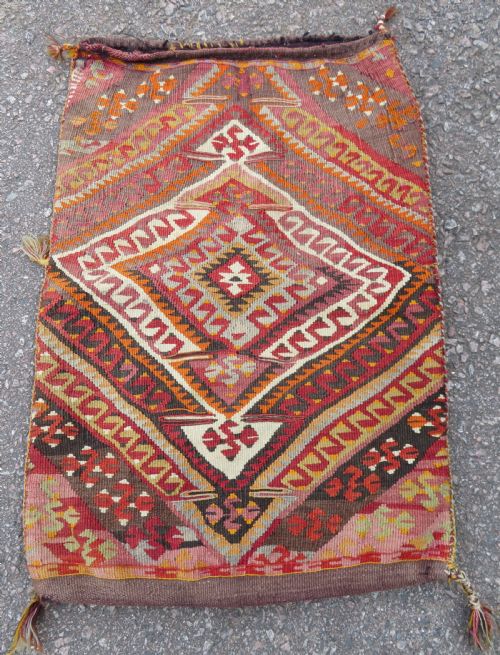
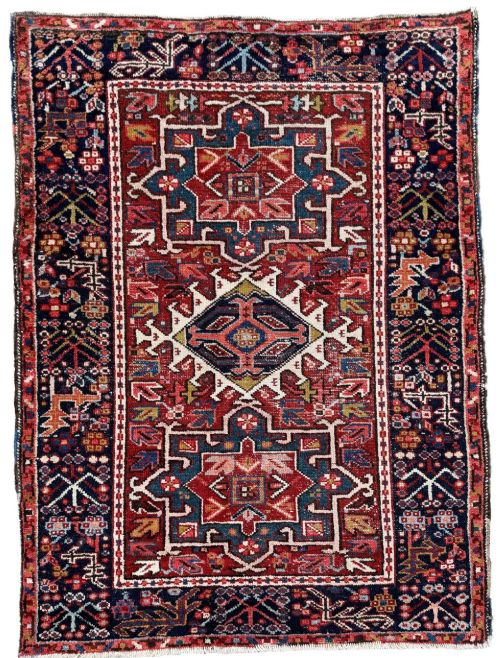

Small Woven Wool Rug
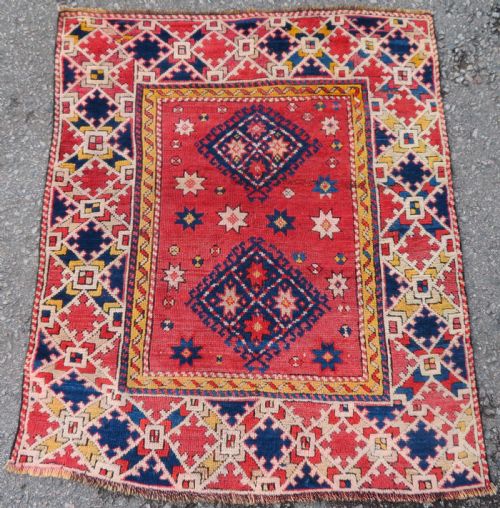
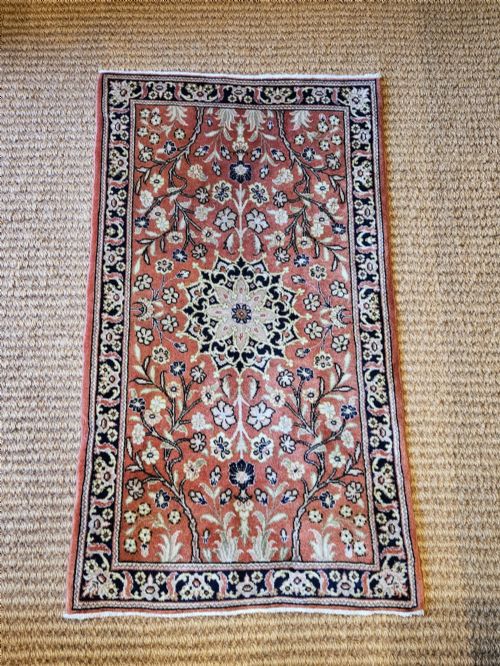
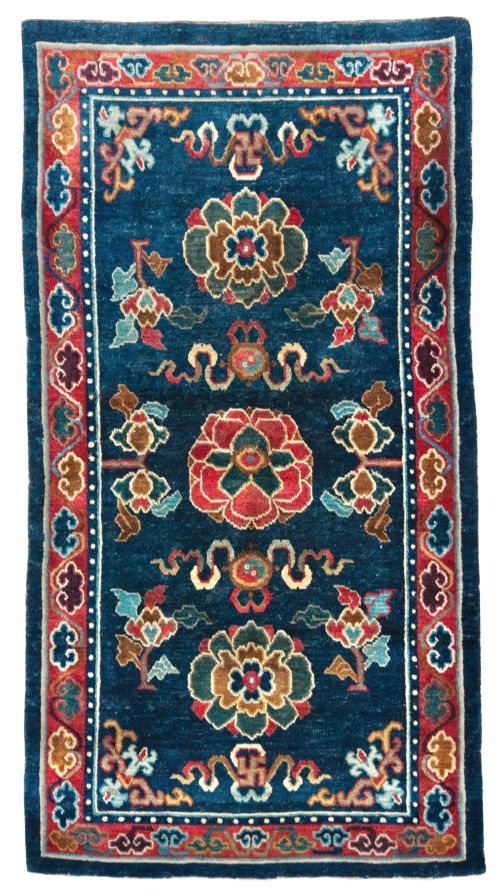
When choosing a small woven wool rug, a buyer acquires a functional piece of tribal textile art originating from Persian, Anatolian, or Central Asian nomadic traditions.
Small Woven Wool Rug
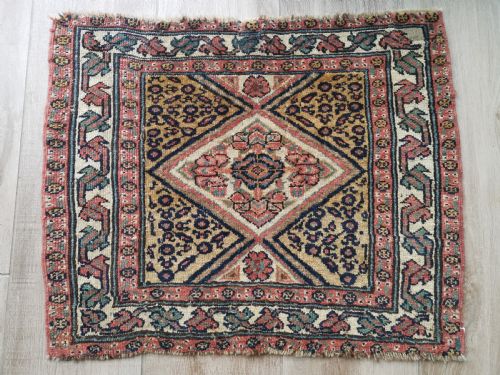
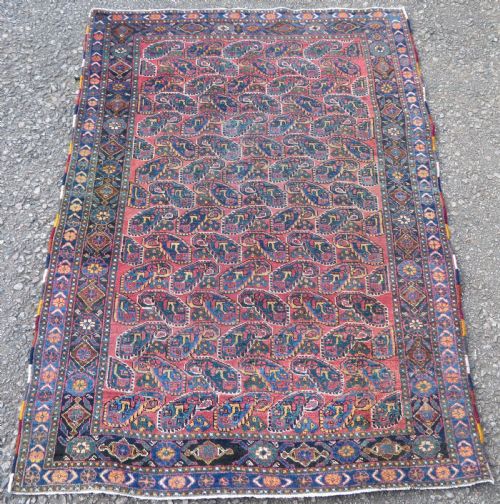
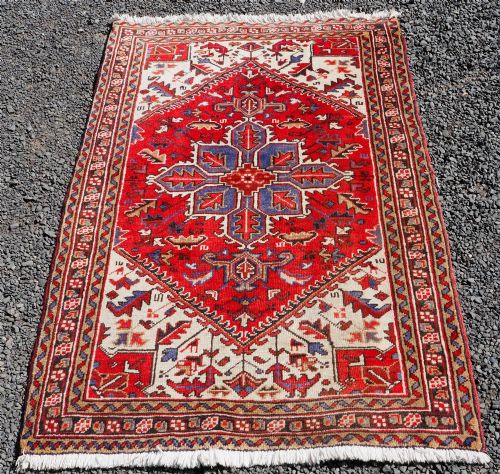
A small woven wool rug encompasses diverse village and nomadic formats, ranging from hearth-sized floor coverings to utilitarian bagfaces, saddle bags, and tent door hangings.
The pieces encountered most frequently on this page originate from tribal traditions across Persia, Anatolia, the Caucasus, and Central Asia, spanning the nineteenth and early twentieth centuries.
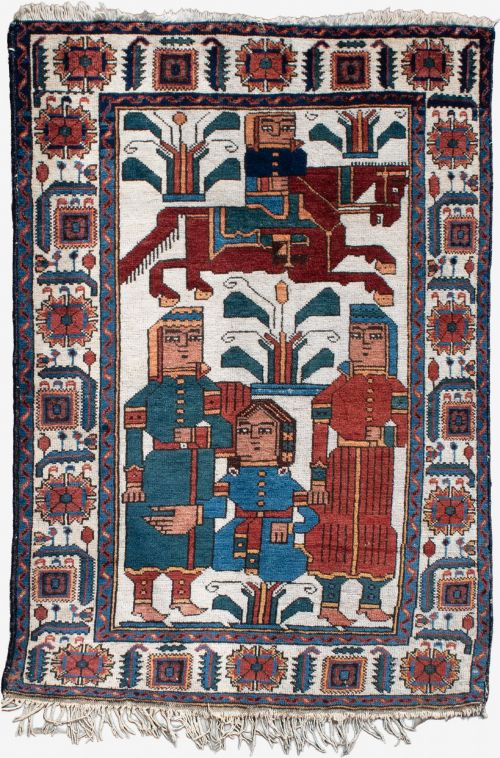
Format variations include square and rectangular proportions designed for specific domestic functions within nomadic camps and village houses, including prayer rugs and storage sacks.
How they were made
Weavers constructed these textiles predominantly using wool pile on wool or cotton foundations, utilising hand-spun yarns dyed with natural colorants.
The structural integrity relies on traditional hand-knotting or flat-weaving techniques specific to distinct tribal groups, such as the Baluch, Afshar, Yomut, and Tekke Turkmen.
Materials documented across the inventory consist purely of wool, cotton, and natural dyes applied to diverse tribal rug and bagface formats.
What varies in quality
Quality differences depend on the density of the weave, the fineness of the wool yarn, and the depth or clarity of the natural dyes employed.
The artistic merit rests upon the precision of tribal motifs, the integrity of the original borders, and the survival of complete structural elements such as original backs and selvedges.
Afshar Tribes·Baluch Tribe·Tekke Turkmen·Yomut Turkmen·Shahsevan Nomads
The Small Woven Wool Rug Glossary
- Torba
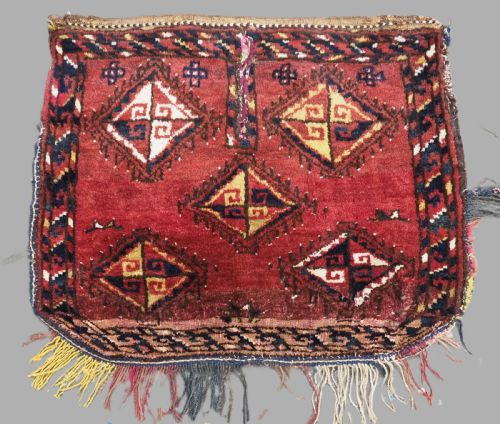
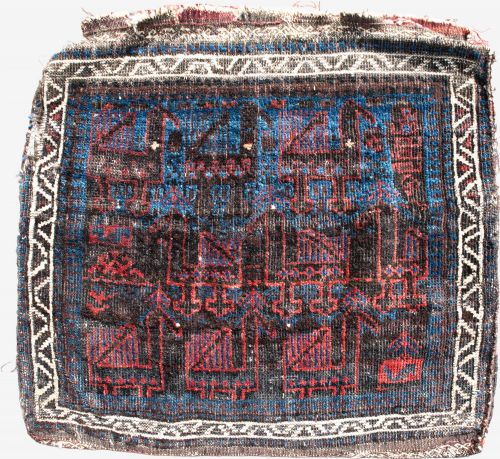
- A small Turkmen storage bag face. These rectangular hangings typically decorated the interior lattice walls of nomadic tents.
- Chanteh
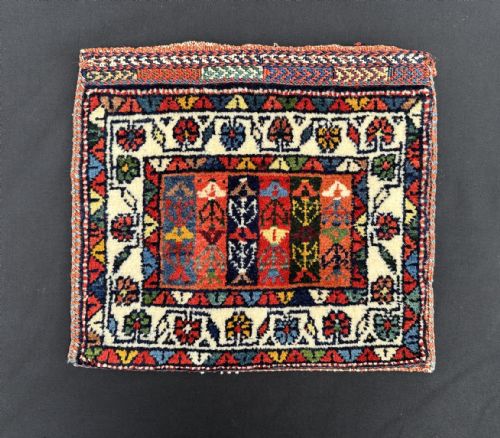
- A small tribal vanity bag or container. Nomads used these compact woven pouches for carrying personal items or documents.
- Gul
- A medallion motif used in Turkmen rug design. Each tribal group utilised distinct repeating octagonal patterns to signify lineage.
- Sofreh
- A spread or cloth used for dining or handling bread. These flat-woven or piled textiles held domestic and ceremonial purposes in village life.
Small Woven Wool Rug: Frequently Asked Questions
How were small tribal bags used originally?
Nomadic families utilised these compact woven pieces for storage inside tents, holding personal belongings, household items, or provisions during seasonal migrations.
Many examples served as specific container faces, such as torbas for wall storage or smaller chantehs carried by individuals.
How do I identify a Turkmen rug?
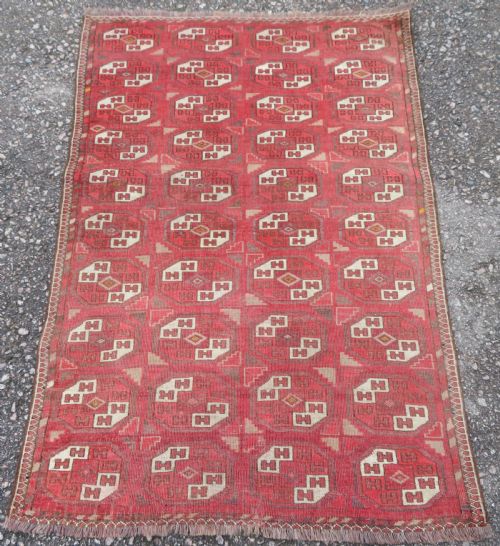
Turkmen pieces generally feature repeating geometric octagonal medallions known as guls, often set against a rich madder red ground.
Specific tribal sub-groups like the Tekke, Yomut, and Saryk display variations in these primary motifs and secondary border designs.
Where were Afshar rugs made?
Afshar textiles originated from the Afshar nomadic and village tribes residing in the Kerman province and surrounding regions of southern Persia.
These pieces frequently incorporate characteristic tribal motifs, balanced rectangular formats, and rich natural dyes.
How do I care for an antique wool rug?
Maintain these textiles through gentle vacuuming without a rotating brush and professional cleaning when necessary to protect the natural wool pile.
Keep them out of direct sunlight to preserve the organic dyes utilised in their original production.