
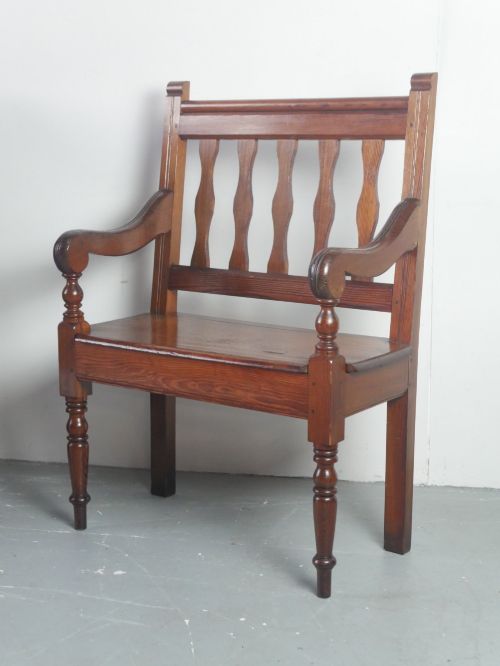
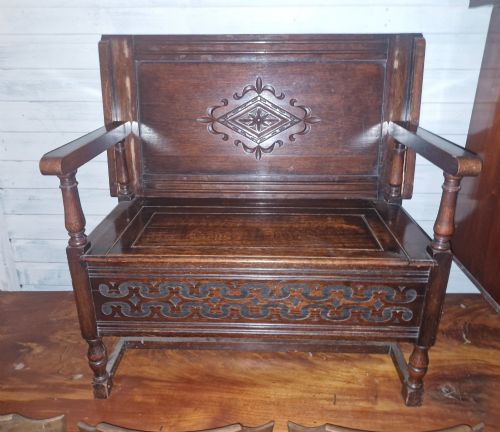
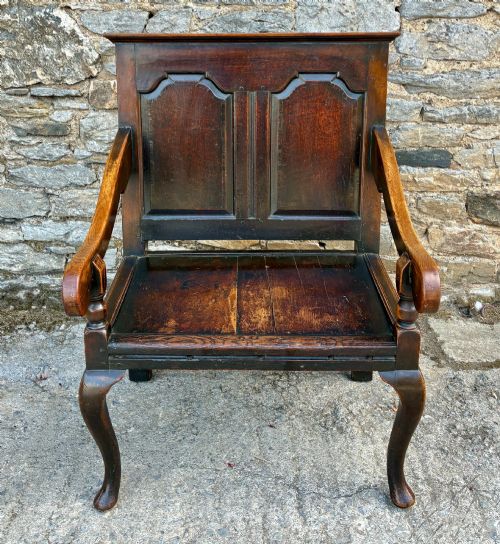
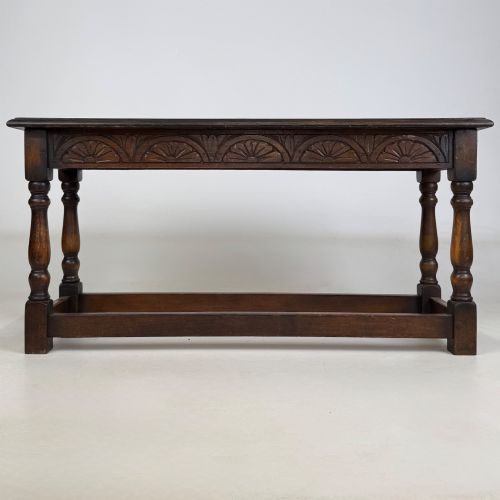



Small Wooden Seat
A small wooden seat offers practical perch space in a narrow hallway or beside a fireside without dominating the room.
Small Wooden Seat
When you search for a small wooden seat, you encounter a varied selection of compact domestic furniture designed for single or dual occupation. The items span centuries of regional craftsmanship, ranging from utilitarian milking stools to formal parlour benches.
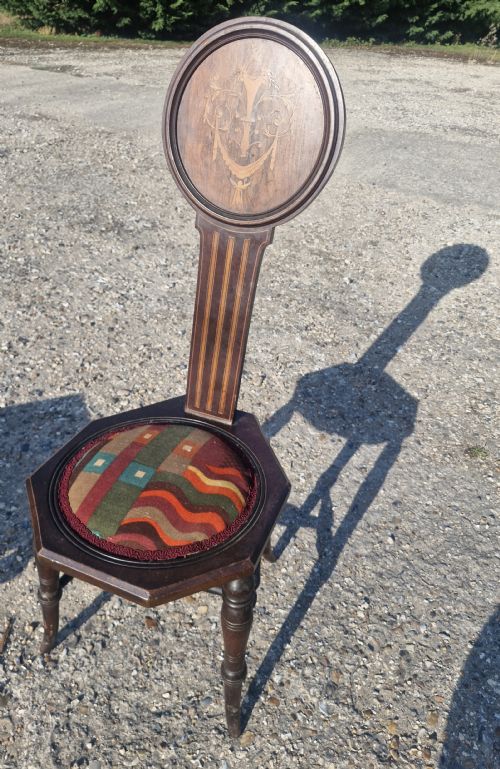
Stools and settles dominate this category, alongside diminutive settees and side chairs fashioned from solid timber. These pieces emerge from periods such as the Georgian era, the Victorian epoch, and the Edwardian years.
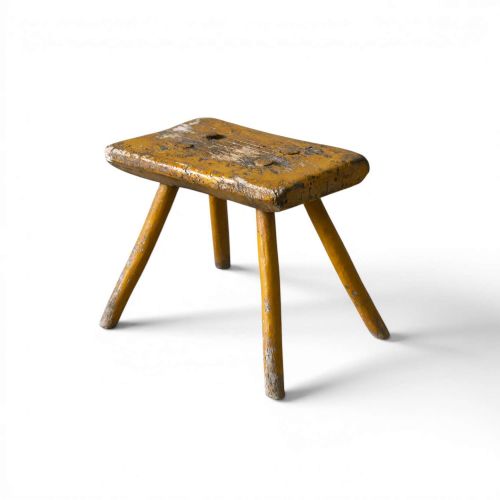
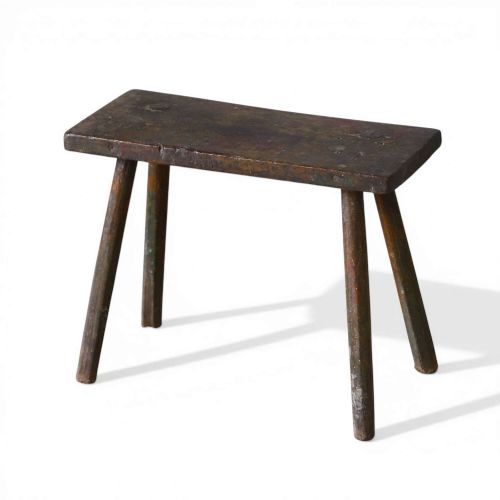
Country workshops produced many of the simpler forms in oak, pine, and beech, while urban makers utilised mahogany and walnut for more refined commission pieces. Buyers frequently encounter regional variations, including Welsh box settles and Eastern European milking stools bearing original paint.
Materials and construction methods
Cabinet makers and vernacular joiners relied primarily on hardwoods like oak, mahogany, and walnut alongside softer timbers such as pine and beech. Timber selection dictated the structural integrity, with dense hardwoods supporting intricate carved details and softer woods serving rural utilitarian needs.
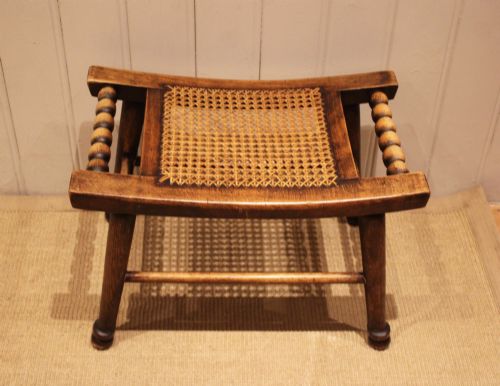
Traditional construction involved mortise and tenon joints, dovetailing for box seats, and turned wooden components. Artisans integrated natural seating materials including rush and cane, or applied surface treatments ranging from simple wax to historic ochre and green paint.
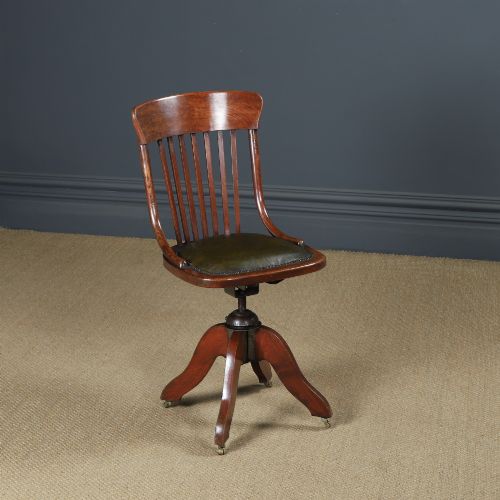
The documented forms encompass milking stools, box settles, hall benches, Sutherland tables, and revolving office chairs.
Assessing craftsmanship and integrity
The distinction between ordinary utility pieces and exceptional items rests in the harmony of proportion and the preservation of original surfaces. Subtle details like hand-carved mouldings, pegged joints, and untouched historic paint finishes elevate certain examples above standard workshop output.
Structural honesty and the retention of primary materials determine the standing of each piece. Minimal timber replacement and crispness in turned legs or carved panels indicate superior original execution by skilled hands.
The Small Wooden Seat Glossary
- Settle
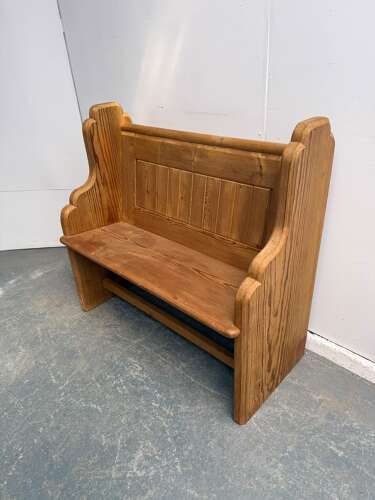
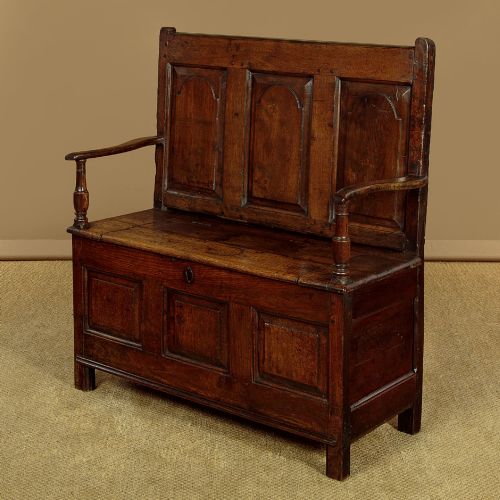
- A wooden bench featuring a high back, solid arms, and frequently a box compartment beneath the hinged seat. This form provided shelter from draughts in traditional domestic interiors.
- Milking stool
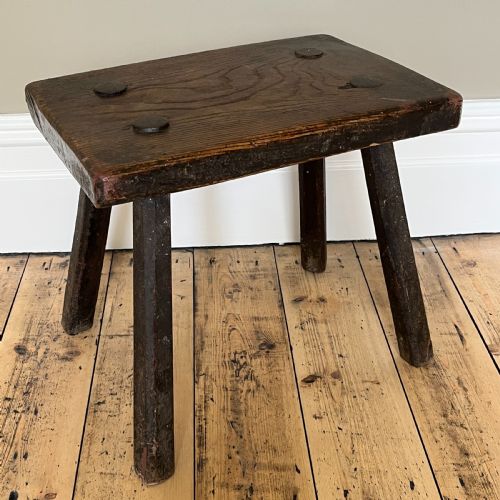
- A low, three-legged stool traditionally utilised by agricultural workers during milking. These examples typically exhibit simple turned or shaved legs inserted into a solid wooden top.
- Box stool
- A seat featuring a hollow compartment beneath the lid for domestic storage. Cabinet makers constructed these versatile items in mahogany and oak during the eighteenth and nineteenth centuries.
- Rush seat
- A seating surface woven from dried marsh grasses twisted around a wooden frame. Craftsmen employed this technique extensively on country chairs and stools.
- Wainscot chair
- An early wooden armchair constructed primarily from panelled oak. These sturdy seats derive their name from the imported oak panels used in vernacular interior joinery.
Small Wooden Seat: Frequently Asked Questions
Where should I place a small wooden seat?
These compact forms suit narrow hallways, bed ends, and compact sitting rooms where full-scale furniture overwhelms the floor plan. Their modest proportions allow them to fit into transitional spaces while providing a functional resting spot.
Pairs or single examples also function effectively beside low tables or within alcoves. Their varied heights accommodate different domestic tasks and interior arrangements.
How do I care for antique timber furniture?
Maintain finished wooden surfaces by applying occasional coats of appropriate beeswax to nourish the grain and protect against excessive dryness. Avoid placing pieces near direct heat sources or in fluctuating humidity.
Clean surfaces gently with a soft, dry cloth rather than modern liquid polishes that can degrade historic finishes over time. Protecting the timber from direct sunlight preserves original patination and colour.
What is the difference between a settle and a bench?
A settle incorporates a solid high back and enclosed sides designed to block cold draughts in older homes. Many examples include a concealed storage box beneath the hinged seat.
Standard benches lack the enclosed high back and solid panel construction typical of traditional settles. Benches offer an open profile suited to lighter domestic use in hallways and dining areas.
How do I identify a country piece from an urban one?
Country pieces frequently employ locally available timbers like pine, fruitwood, and rush, reflecting regional materials and traditions. Construction tends to be robust and utilitarian, prioritising function over decorative refinement.
Urban workshop items often feature imported hardwoods such as mahogany and walnut, accompanied by formal decorative motifs. Cabinet makers in towns utilised advanced joinery techniques and sophisticated veneer work not typically seen in rural output.