

Small Wooden Pedestal
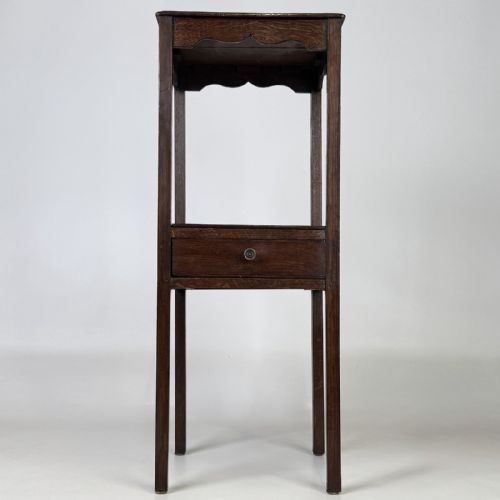
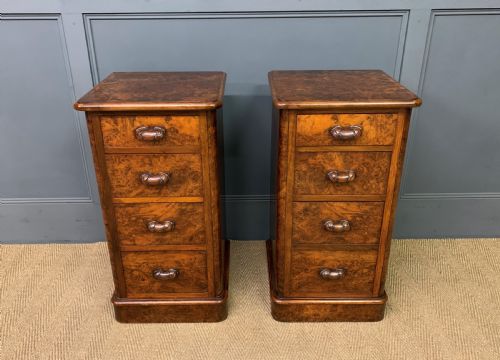
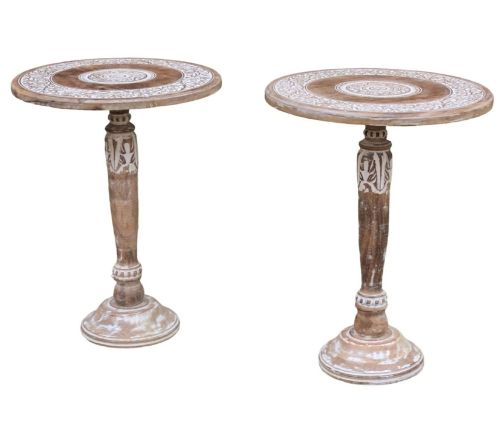
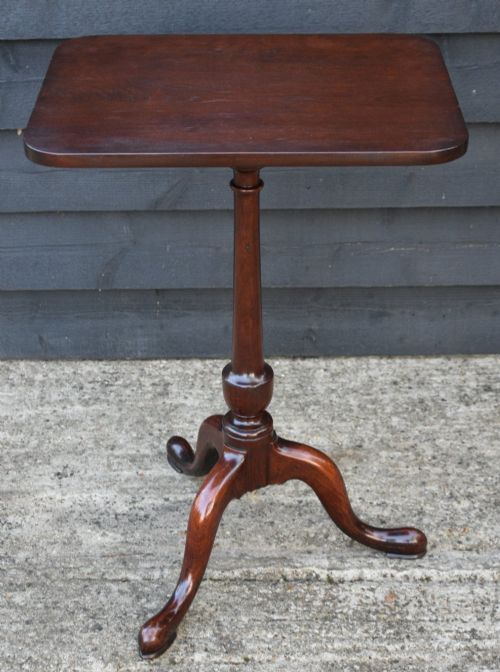
These small wooden pedestal pieces range from Georgian wine tables to Edwardian plant stands, offering compact display surfaces for any room.
Small Wooden Pedestal
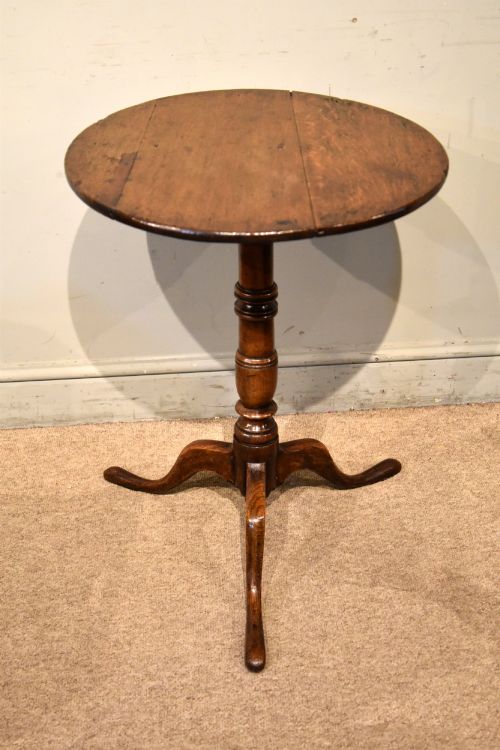
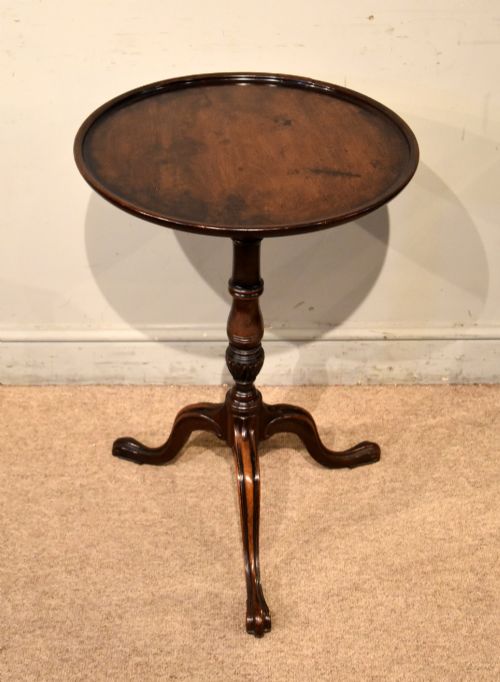
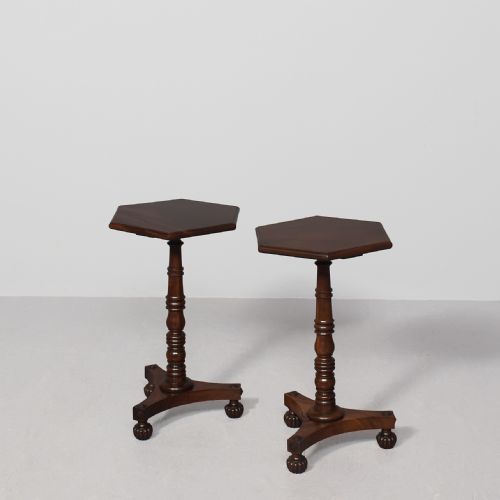
A small wooden pedestal search brings up a variety of compact elevated furniture, most commonly wine tables, occasional tables, and plant stands dating from the Georgian period through to the Edwardian era.
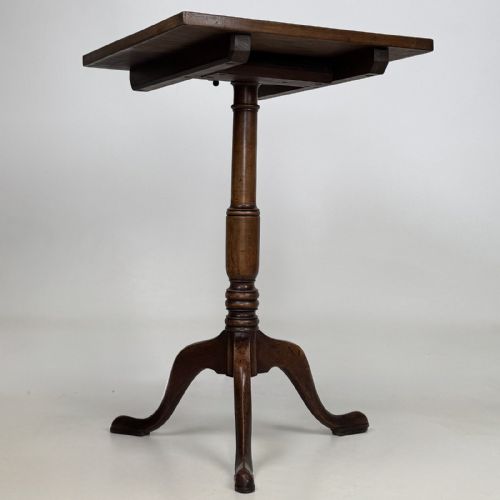
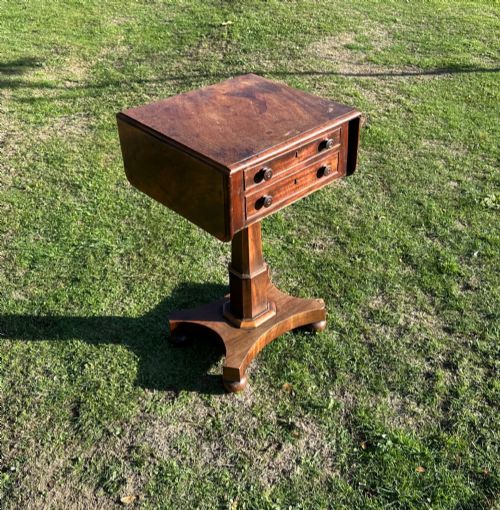
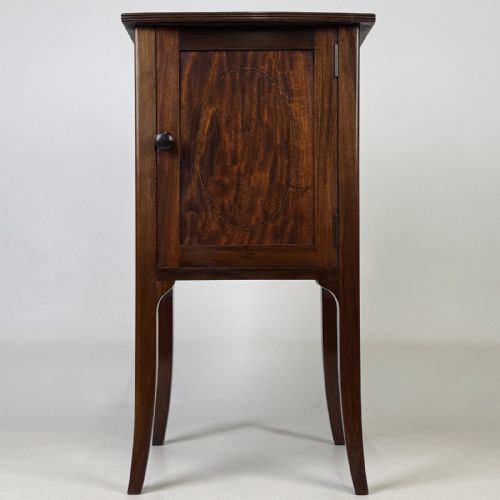
The pieces often feature a central column or tripod leg support, fulfilling roles as bedside cabinets, lamp tables, or candle stands in domestic settings.
Edwardian and Victorian examples dominate the selection, spanning simple oak plant stands to inlaid mahogany occasional tables with tilt-top mechanisms.
Materials and Construction
Cabinet makers utilised a range of timbers including mahogany, oak, walnut, fruitwood, satinwood, and yew, often pairing solid supports with veneered or inlaid tops.
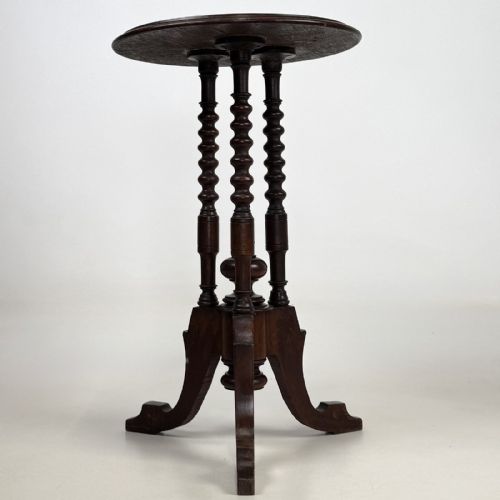
Construction techniques include traditional turning for barley twist columns, tripod base assembly for stability, and delicate string inlay or painted decoration for surface detail.
Small Wooden Pedestal Retail Price Guide 2026
Typical asking prices for small wooden pedestal among the pieces listed under this phrase on Sellingantiques today, from the lower quarter to the upper quarter. They describe what is for sale here now, not the wider market.
Some Edwardian plant stands were built so compactly they practically demand a very tiny potted fern to look properly employed.
Gradations in Quality
Quality rests on the selection of timber figures, such as burr walnut or burr oak, and the precision of the joinery where the central pillar meets the legs and top.
Fine examples show restrained hand-carving, well-fitted tilt-top mechanisms, and thoughtful proportions rather than heavy ornamentation.
Bulstrode Cambridge·Druce and Co London·Baillie Scott
The Small Wooden Pedestal Glossary
- Tilt-top
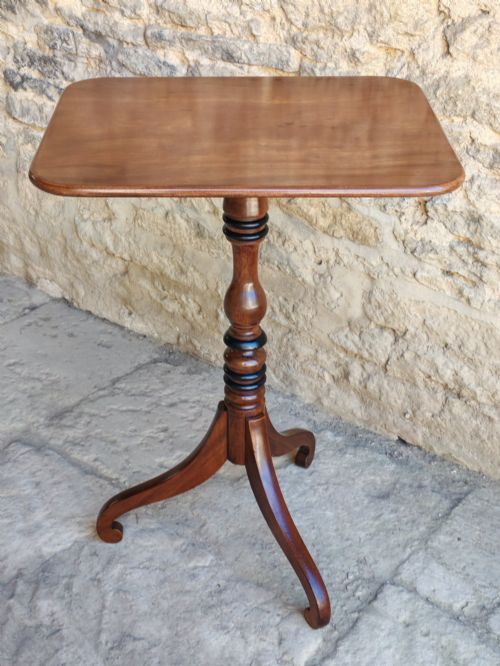
- A tabletop hinged to the pillar so it can pivot vertically when not in use. This mechanism allowed tables to be stored flat against a wall.
- Tripod base
- A support structure comprising three legs radiating from a central column. It ensures stability on uneven floors.
- Wine table
- A small freestanding table designed originally to hold a glass or bottle. These pieces typically stand at chair height with a circular top.
- Plant stand
- A tall, narrow pedestal piece intended to elevate vegetation or decorative objects. They appear frequently in Arts and Crafts designs.
- Barley twist
- A type of turning that resembles a spiral rope. It is seen frequently on the stems of 19th-century tables and stands.
Small Wooden Pedestal: Frequently Asked Questions
What were small wooden pedestal tables used for?
These versatile pieces served specific domestic tasks such as holding a candle, supporting a wine glass during evening gatherings, or displaying a houseplant.
Over time their uses adapted to modern rooms where they function effectively as compact lamp tables or bedside surfaces.
How do I identify a Georgian pedestal table?
Georgian examples often display restrained classical proportions, solid timber construction in mahogany or oak, and simple tripod or pillar bases.
Earlier pieces prioritise functional elegance and straightforward joinery over the heavier ornamentation found in later Victorian revivals.
Where should I place a plant stand?
Plant stands and jardiniere tables suit corners, hallways, or beside windows where natural light supports greenery and highlights the turned woodwork.
Their small footprint allows them to occupy awkward spaces that cannot accommodate standard side tables.
Are tilt-top mechanisms original?
Many 19th-century and Georgian tables retain their original working iron or brass catches beneath the top.
Examining the pivot block reveals whether the hardware matches the age and wear patterns of the surrounding timber.