
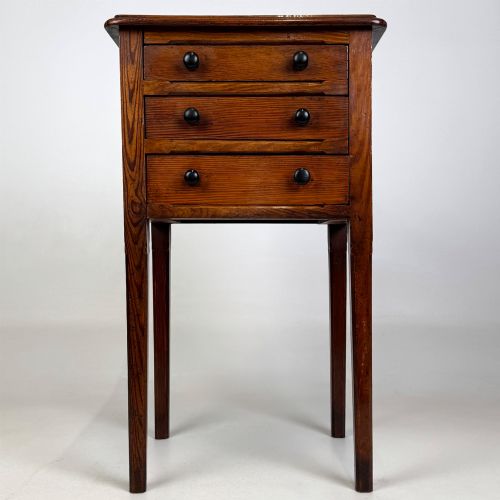
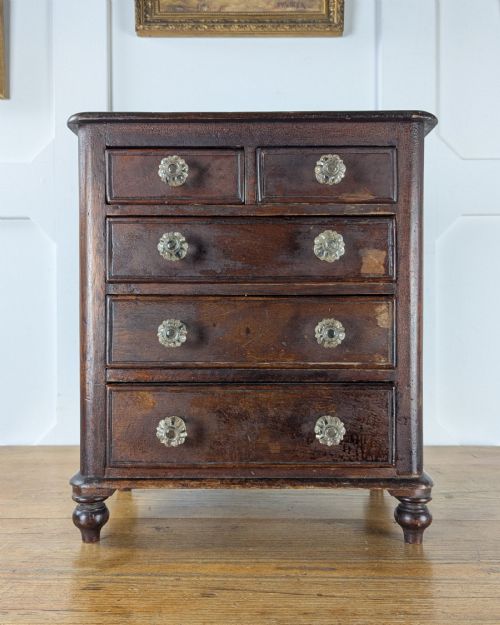
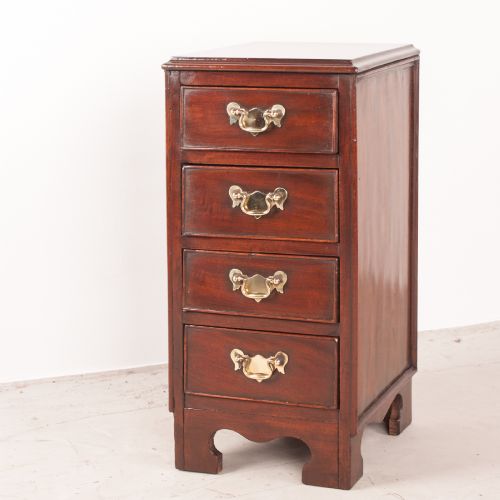
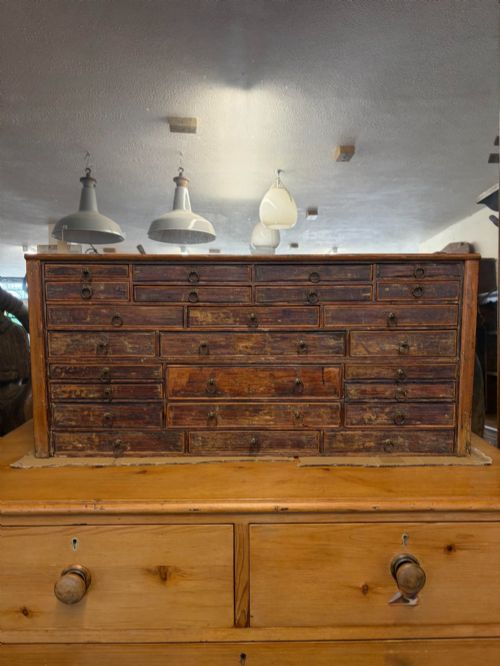
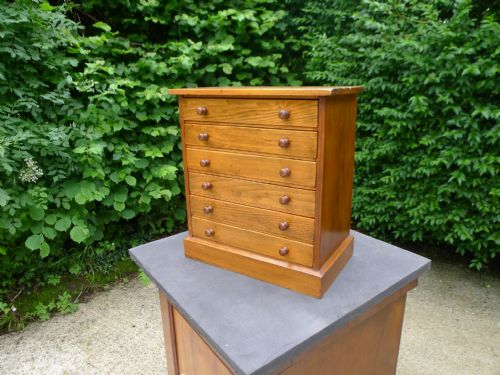
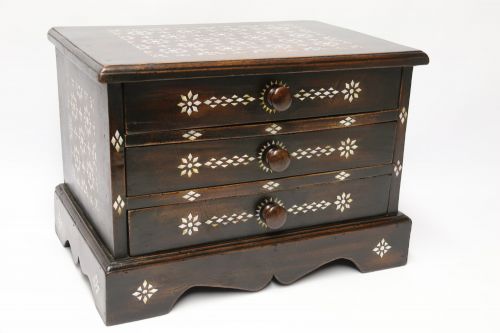
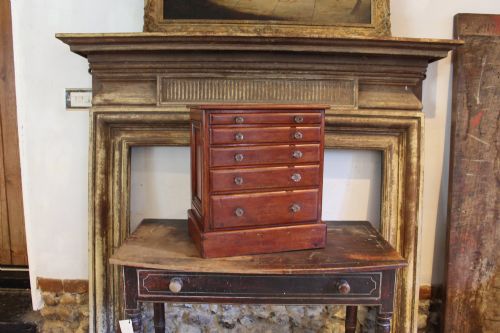
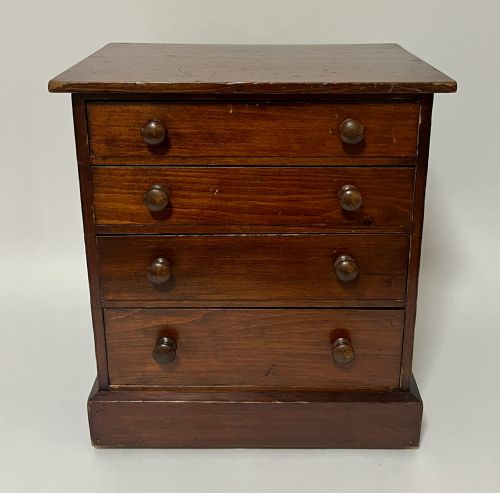
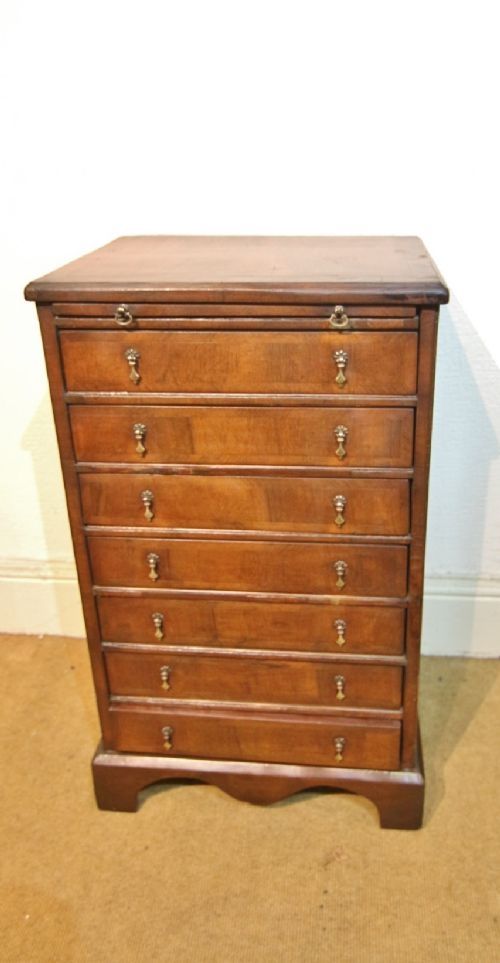

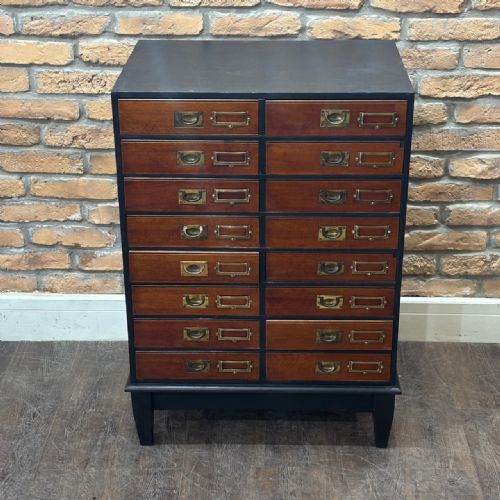
Small Wooden Drawer Unit
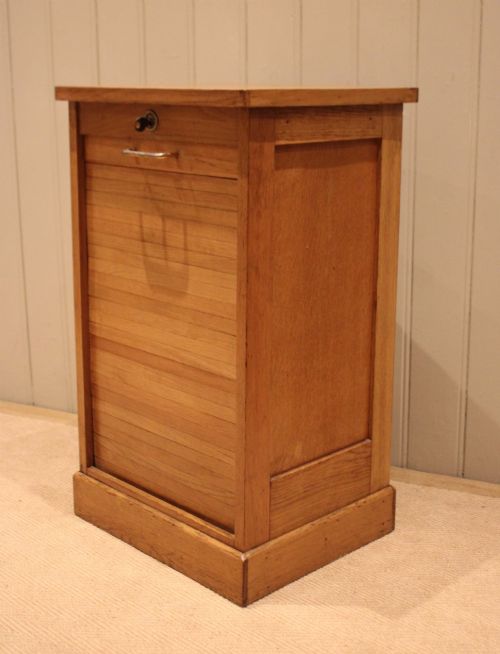
A small wooden drawer unit offers neat storage and practical charm, whether you choose a Victorian apprentice piece, a mahogany trinket chest, or an oak filing cabinet.
Small Wooden Drawer Unit
A small wooden drawer unit provides compact storage for collectors, offices, and dressing rooms. You will find miniature chests, apothecary cabinets, and filing furniture ranging across the nineteenth and twentieth centuries.
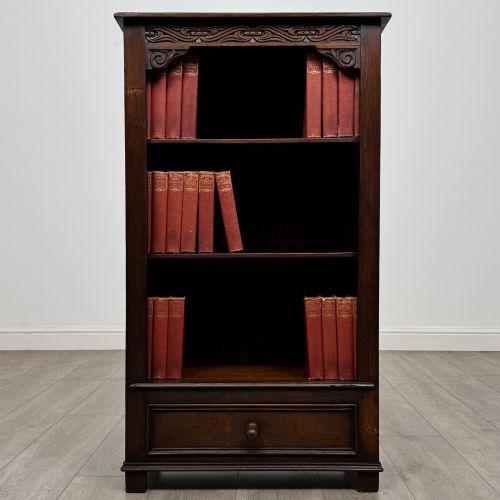
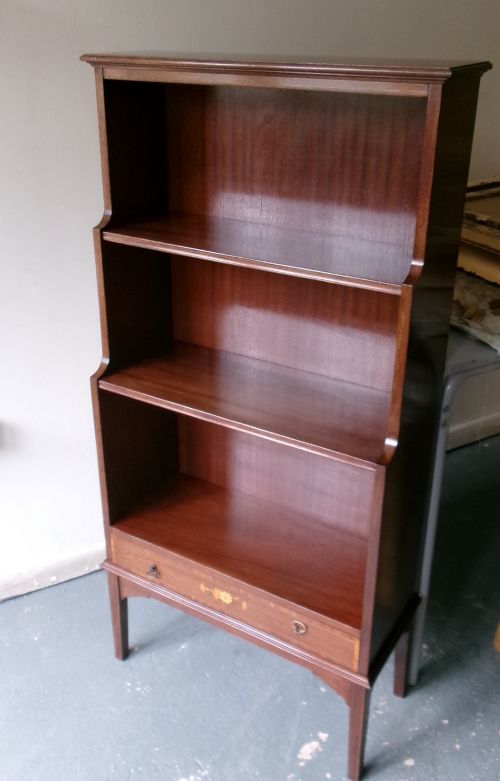
Victorian miniature chests and apprentice pieces sit alongside Edwardian oak bookcases, satin walnut collectors cabinets, and mahogany office units. These functional items combine period character with everyday utility.
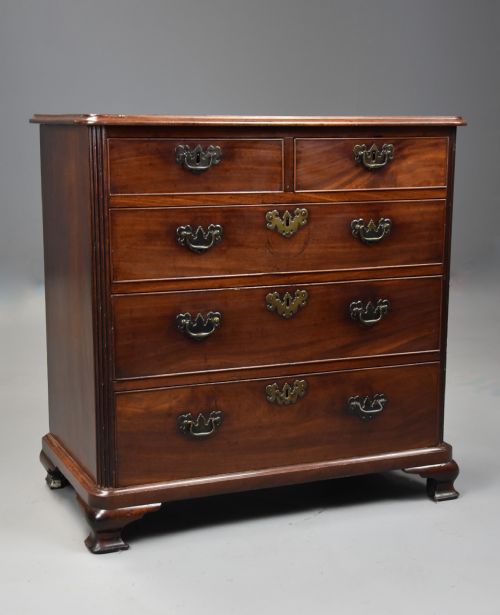
Georgian style and George III proportions appear in finer mahogany and walnut pieces, offering diminutive storage solutions built with traditional craftsmanship. Each form reflects the specific needs of past offices, apothecaries, and homes.
How they were made
Makers utilised solid timbers such as mahogany, oak, pine, pitch pine, and walnut, frequently enhancing surfaces with satinwood inlay or polished finishes. Brass handles, knobs, and bracket feet complete the construction of these robust storage pieces.
Cabinet makers built miniature chests and filing cabinets using traditional joinery tailored to smaller proportions, maintaining structural integrity across multi-drawer banks and medical carrying chests. Polished patinas and careful wood selection define the surviving examples.
Listings span periods from the eighteenth century through the 1930s, featuring mahogany, oak, walnut, pine, and steel.
What varies in quality
The degree of refinement in timber selection and hardware marks the distinction between standard utility storage and finer examples. Rich natural patinas on mahogany or walnut elevate certain pieces above utilitarian pine or deal variants.
Proportion and decorative details such as inlaid banding, turned feet, and period brass hardware distinguish master-made apprentice pieces and George III chests from later mass-produced office filing units.
Luxmore's of Ilfracombe·Amberg
The Small Wooden Drawer Unit Glossary
- Apprentice piece
- A miniature furniture item created to demonstrate a woodworker's skill to a guild. These small chests often mirror full-size designs with remarkable precision.
- Collectors cabinet
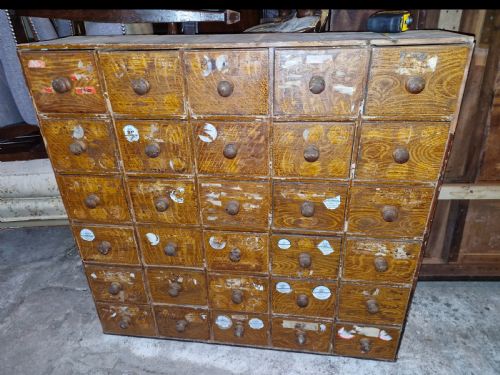
- A specialised multi-drawer unit designed to house specimens, coins, or small valuables. They frequently feature secure doors or glass panels protecting internal tiers.
- Apothecary chest
- A multi-drawer cabinet originally used by pharmacists to store herbs, powders, and medicines. These pieces are prized for their numerous small drawers.
- Patina
- The surface sheen and mellowing that develops on wood over decades of handling and polishing. Good patinas indicate age and careful maintenance.
- Inlay
- A decorative technique where contrasting woods or materials are set into the surface of a piece. Edwardian and Georgian examples often incorporate delicate stringing.
Small Wooden Drawer Unit: Frequently Asked Questions
What is an apprentice chest?
An apprentice chest is a miniature piece of furniture made by a woodworker to prove their skill before joining a guild. These small drawer units replicate full-size chests with great attention to detail.
Collectors prize them for their charm and the high standard of craftsmanship involved in scaling down complex joinery and hardware.
How were apothecary chests used?
Apothecary chests served chemists and physicians as organised storage for dried herbs, medicinal powders, and compounds. The numerous small drawers kept ingredients separated and easily accessible.
Today, these multi-drawer units work well on tabletops or desks for organising small household items, stationery, or craft supplies.
What timber was used most?
Makers relied heavily on hardwoods like mahogany and walnut for finer furniture, while utility pieces utilised pine, deal, and oak. Satinwood and pitch pine also appear frequently in specific regional and period pieces.
The choice of wood generally reflects the intended function of the unit, from elegant dressing table chests to utilitarian office filing cabinets.
How do I date a small chest?
Dating relies on examining construction methods, timber types, and hardware styles. Victorian pieces often feature turned feet and pitch pine, while Georgian examples show refined mahogany proportions.
Drawer construction, such as hand-cut dovetails, and the style of brass handles provide further clues to whether a piece originates from the eighteenth, nineteenth, or twentieth century.