
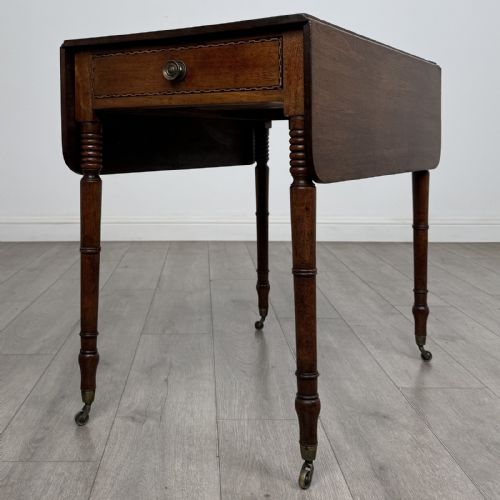
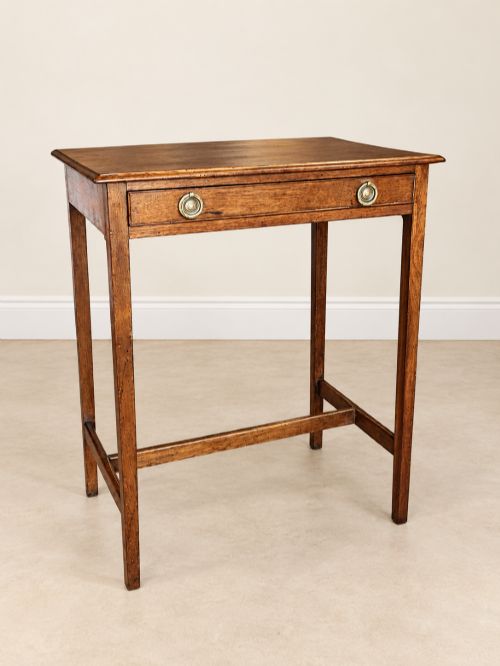
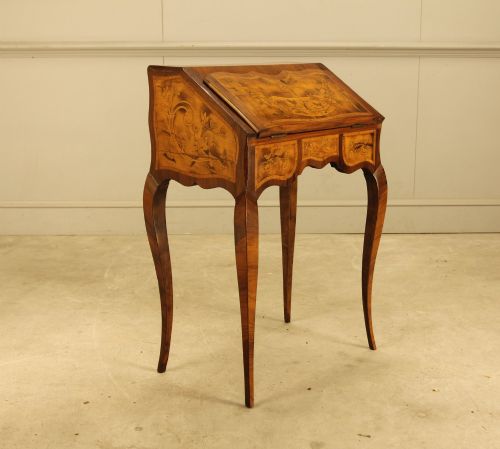
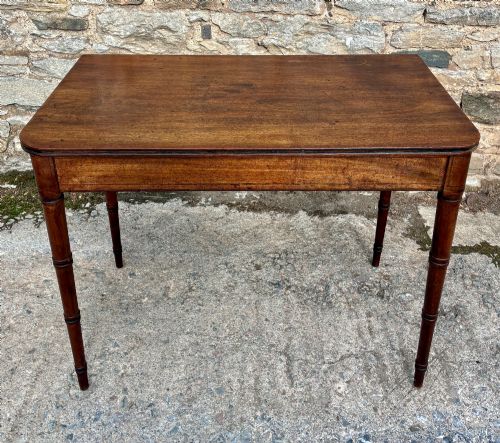

Small Wooden Desk Table
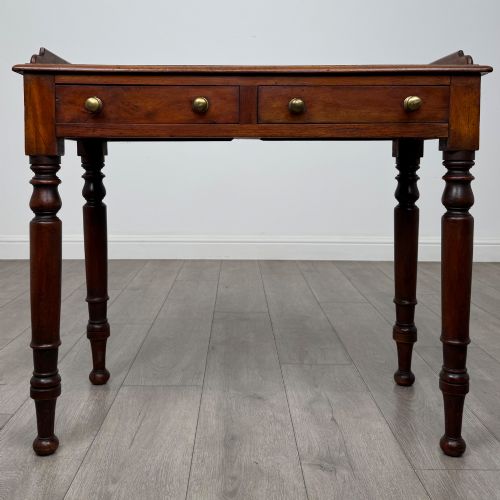
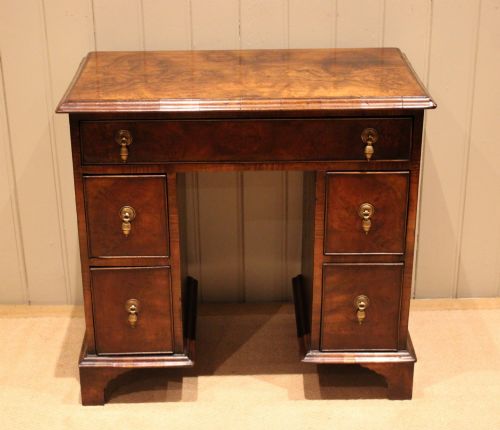
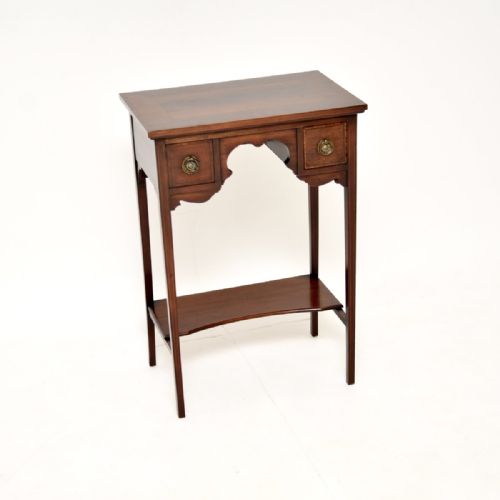
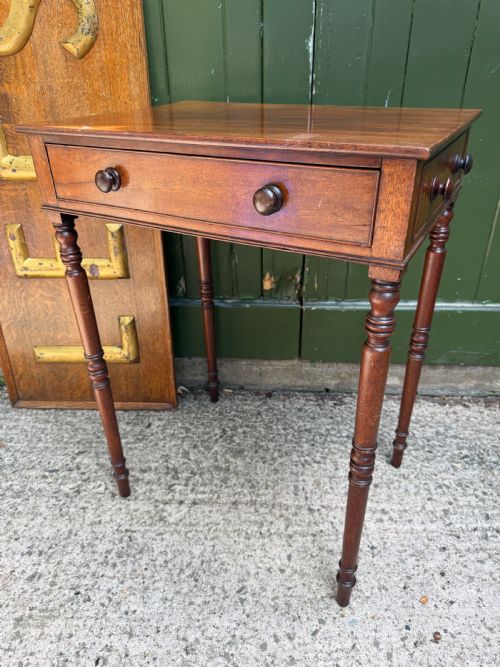
A small wooden desk table combines compact proportions with traditional workspace utility, offering a practical writing surface for restricted spaces.
Small Wooden Desk Table
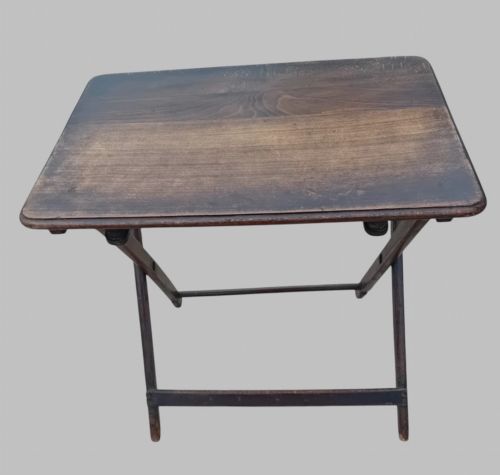
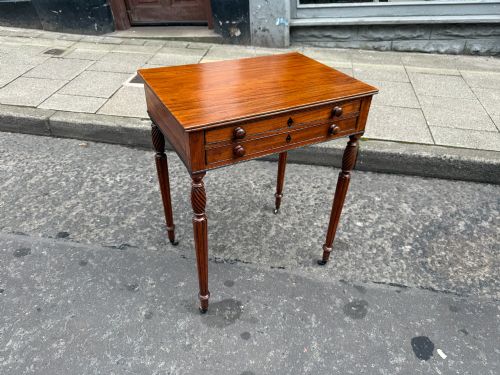
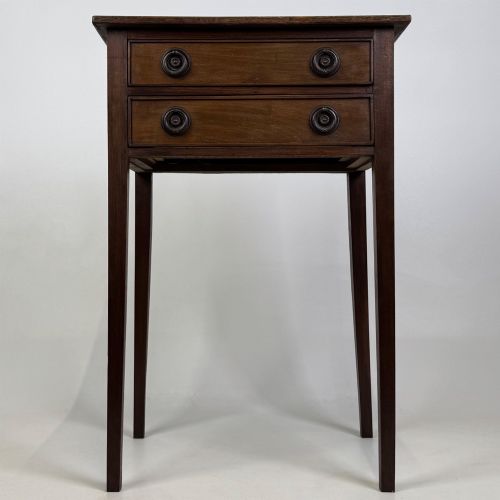
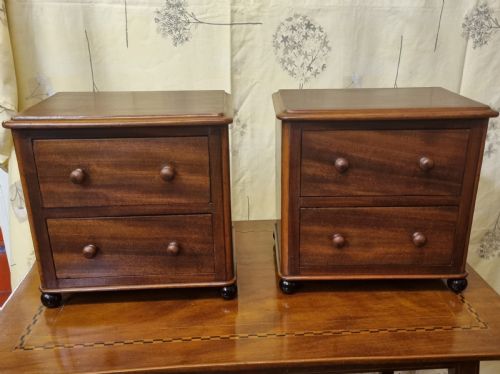
These items serve as functional writing stations or lamp tables, combining timber construction with drawer storage or drop leaves. The prevalent forms prioritise modest footprints suitable for smaller rooms and intimate studies.
Materials and Construction
Construction relies heavily on hardwoods such as mahogany, walnut, and oak, often enhanced with satinwood stringing or marquetry details. Secondary timbers like pine and beech appear in vernacular and folding campaign pieces.
Joinery techniques involve traditional drawer framing, turned legs, and occasional spade feet or brass mounts. Surfaces are frequently finished with fitted leather writing inserts and polished wood grains.
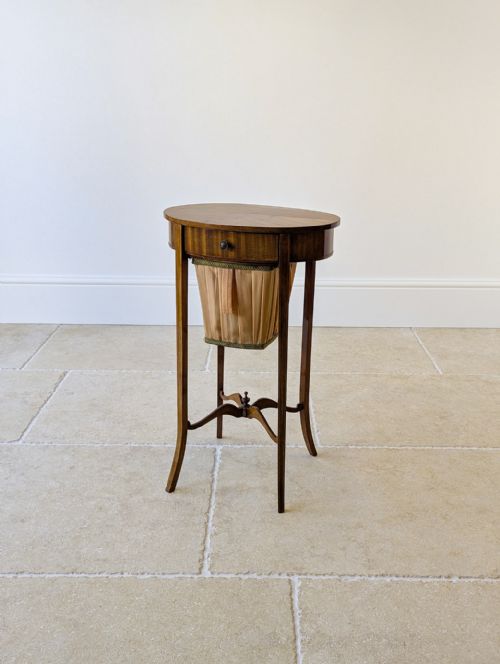
Some items served as candlemaker's tables, while others accommodated child scholars or travelling officers.
Quality and Distinction
Quality rests upon the selection of timber veneers, such as burr walnut or figured mahogany, and the crispness of inlaid details. Finely drawn proportions and integrated interior fittings elevate particular writing desks above standard utility furniture.
Structural integrity, original brass hardware, and the retention of fitted desk interiors distinguish superior specimens from later or heavily restored alternatives.
The Small Wooden Desk Table Glossary
- Pembroke table
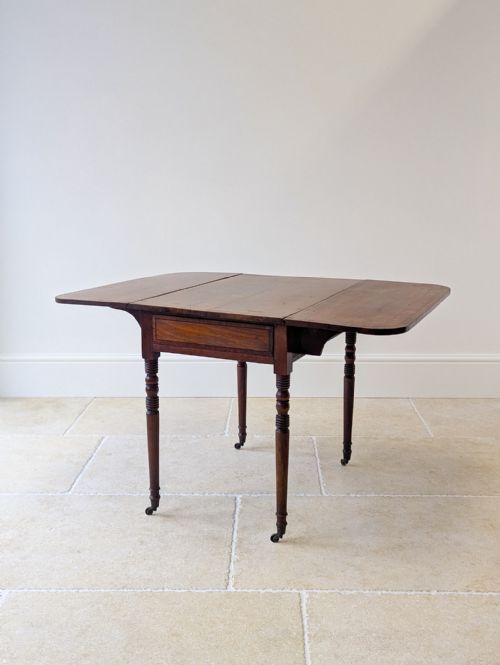
- A small table with hinged drop leaves on either side. These items offer versatile surface expansion for occasional writing or dining.
- Davenport desk
- A compact pedestal desk featuring a sloping writing surface and side drawers. This form became popular during the nineteenth century for ladies' correspondence.
- Bonheur de jour
- A light lady's writing desk featuring a small cabinet or set of shelves on top. The style originated in France and appeared in various aesthetic iterations.
- Lowboy
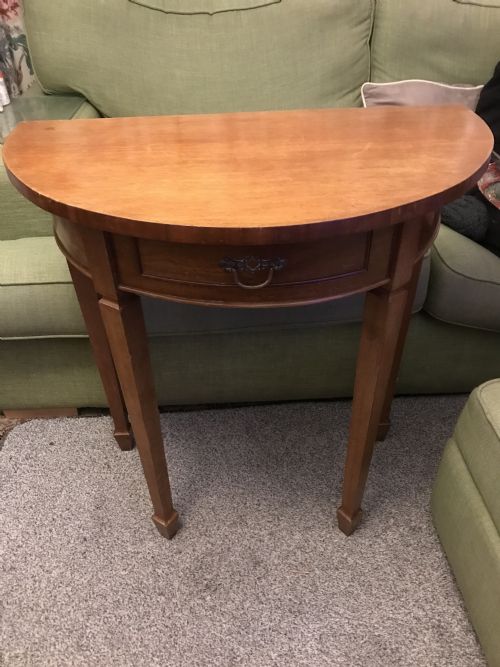
- A small seventeenth or eighteenth-century dressing or side table with one or more drawers. These pieces typically feature slender cabriole or straight legs.
- Marquetry
- Decorative veneer work arranged in geometric or floral patterns. Craftsmen utilise contrasting timbers to create detailed surface ornamentation.
Small Wooden Desk Table: Frequently Asked Questions
What is a small wooden desk table used for?
These pieces provide a compact writing surface for letters, administrative tasks, or laptop use in smaller rooms.
Historically, they functioned as portable writing stations, ladies' work tables, or occasional bedside surfaces within domestic interiors.
How do I identify a Georgian desk?
Georgian desks are typically constructed from dense mahogany or oak, displaying restrained proportions and classic architectural lines.
They often feature hand-cut dovetail drawers and solid brass hardware without the elaborate marquetry seen in later Victorian pieces.
Where should I place a small desk?
These compact tables fit well in bedrooms, hallways, or living room corners where full-sized furniture overwhelms the floor plan.
Their finished backs frequently allow them to sit away from the wall as freestanding centre or lamp tables.
What woods were commonly used?
Mahogany, walnut, and oak form the primary structural timbers across eighteenth and nineteenth-century examples.
Finer decorative work incorporates satinwood veneers, fruitwood, and pine framework for secondary structural elements.