


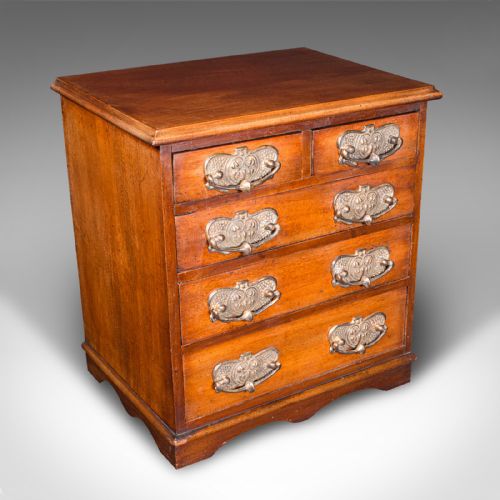


Small Wooden Coin Chest
A small wooden coin chest offers compact, organised storage for miniatures and specimens, pairing period craftsmanship with everyday utility.
Small Wooden Coin Chest
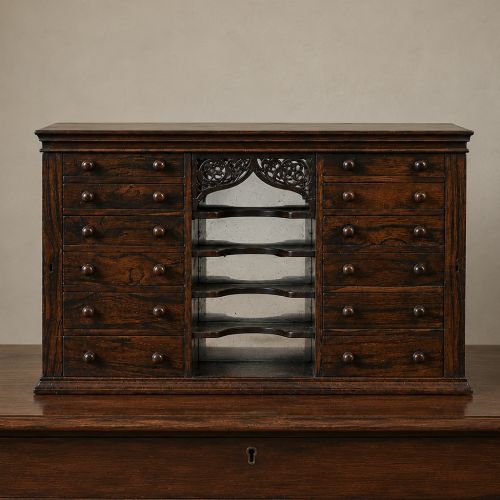
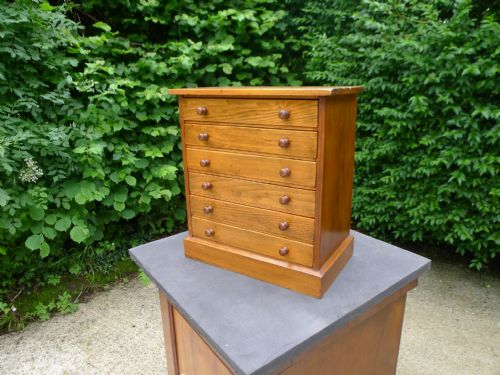
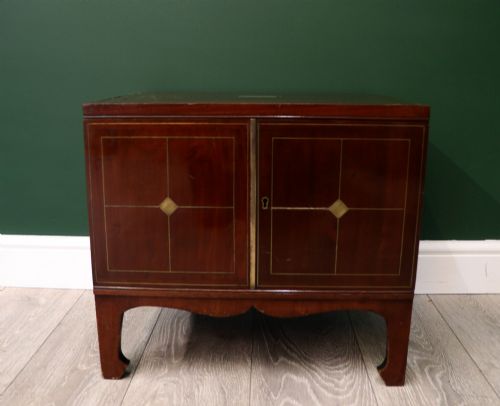
A small wooden coin chest is a compact piece of furniture designed to house collections, appearing in various forms such as collectors cabinets, miniature chests of drawers, and specimen cases. These items emerge across distinct periods spanning the seventeenth century through the Victorian era into the early twentieth century.
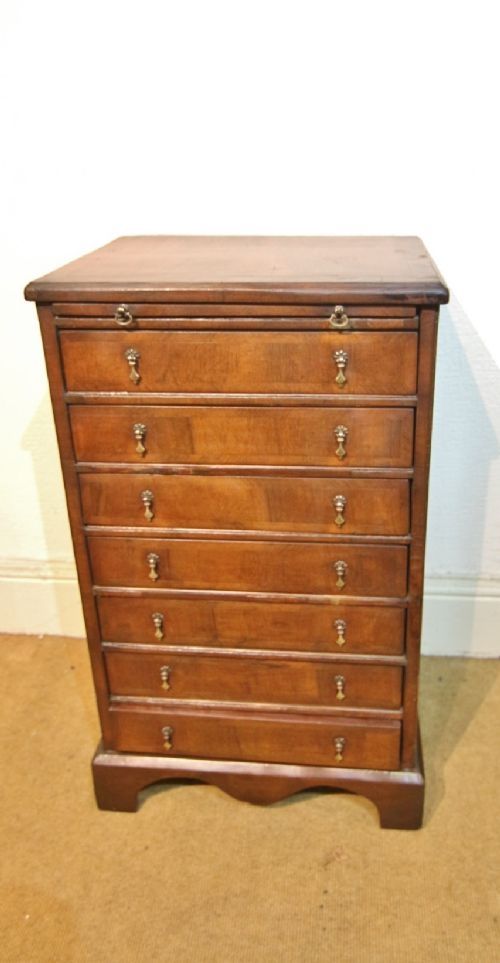
Buyers browsing this selection most frequently encounter mahogany and oak pieces from the Victorian period alongside walnut and rosewood examples. The forms range from campaign style chests with brass drop handles to glass fronted display cabinets and simple drawer banks.
Makers historically tailored these cabinets for desktop use or portable storage, resulting in scaled down chests of drawers and specialised specimen cases. Each piece reflects the functional requirements of past collectors who needed secure and orderly compartments for small objects.
How they were made
Cabinet makers constructed these chests using dense hardwoods such as mahogany, walnut, oak, and rosewood, occasionally incorporating pine or deal for internal framing. Selected timbers provided the structural stability needed for multiple close fitting drawers.
Craftsmen integrated brass hardware, including campaign style flush handles and key escutcheons, alongside glass panels for display doors and mirror glass backs. Joinery techniques ensured smooth drawer operation within miniature frameworks.
Object forms include miniature chests of drawers, specimen cases, campaign style cabinets, and glass fronted display pieces.
What varies in quality
The standard of timber selection and grain matching distinguishes superior chests from simpler utilitarian boxes. Cabinet makers who invested time in choosing figured mahogany or walnut elevated the visual presence of otherwise modest storage pieces.
The precision of internal drawer construction and the integration of quality brass fittings dictate the overall execution. Superior examples feature robust carcase joinery and smoothly operating drawers that maintain structural integrity over centuries.
The Small Wooden Coin Chest Glossary
- Collectors Cabinet
- A small piece of furniture fitted with multiple shallow drawers designed for storing coins, shells, or small specimens. These cabinets often feature locking doors to protect the contents.
- Campaign Style
- Furniture designed for travel, characterised by brass inset handles, reinforced corners, and compact proportions. Such pieces prioritise portability without sacrificing structural rigidity.
- Specimen Case
- A desktop container used by naturalists and collectors to organise small objects and natural history items. They typically incorporate snug fitting drawers to prevent damage during examination.
- Wellington Chest
- A tall, narrow chest of drawers secured by a locking hinged side pilaster that bars access to all drawers simultaneously. This form provides secure storage for valuable items.
- Deal
- An older timber trade term for fir or pine boards used in secondary carcase construction. It offered an accessible material for interior partitions and less visible panels.
Small Wooden Coin Chest: Frequently Asked Questions
What fits inside these chests?
The shallow drawers of these chests suit coins, medals, stamps, and small natural history specimens. Collectors historically relied on these compartmentalised spaces to organise delicate items safely.
Today, the drawers adapt easily to modern collections of small trinkets, jewellery, or curiosities while maintaining an orderly desktop presentation.
How are periods identified?
Identifying the period involves examining the timber species, handle styles, and construction methods used in the carcase. Georgian and Regency pieces often display clean classical lines, while Victorian examples frequently utilise heavier mahogany or walnut.
Secondary woods and dovetailing details further clarify the era of manufacture. Consulting the overall proportion and hardware type provides a reliable guide to age.
Where were they placed?
These chests functioned primarily as desktop accessories or tabletop display units in studies and libraries. Their compact footprint allowed them to sit securely on larger pieces of furniture or dedicated stands.
In domestic settings, they served as accessible storage for personal valuables and collections requiring frequent inspection.
How do I care for the wood?
Maintaining these wooden chests requires stable indoor humidity away from direct heat sources and sunlight. Gentle dusting with a dry cloth preserves the finish of Victorian and older hardwoods.
Occasional application of appropriate furniture wax helps nourish walnut and mahogany surfaces without building up heavy residues.