





Small Wooden Bureau Desk
A small wooden bureau desk brings compact elegance to a study, offering clever concealed storage for modern letters and stationery.
Small Wooden Bureau Desk
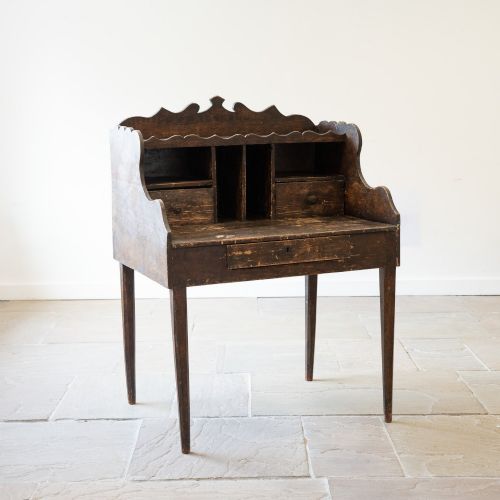
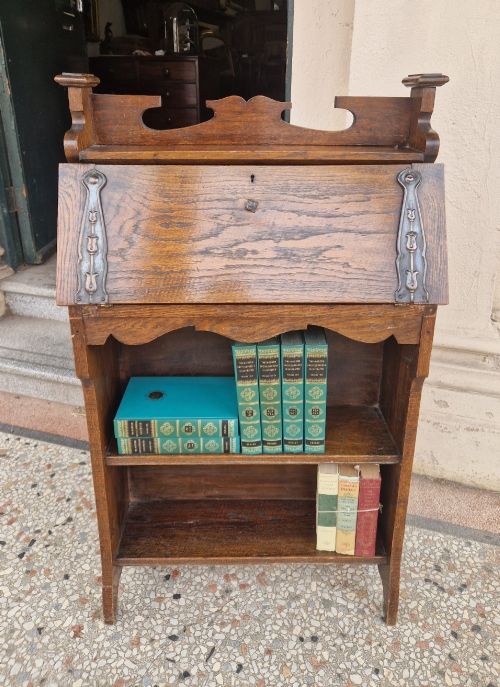
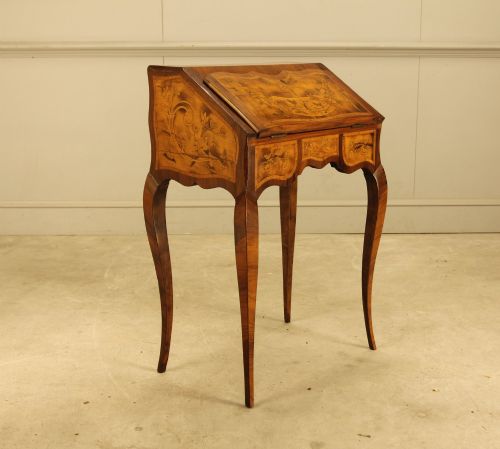
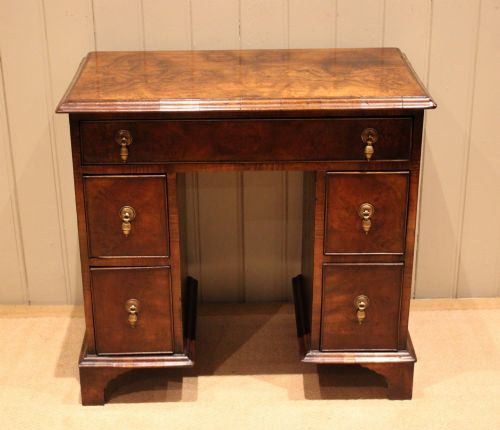
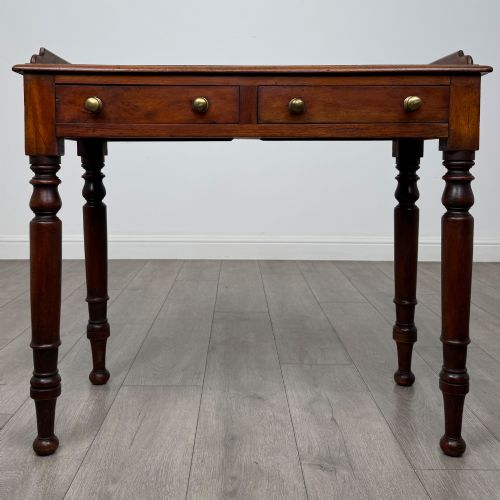
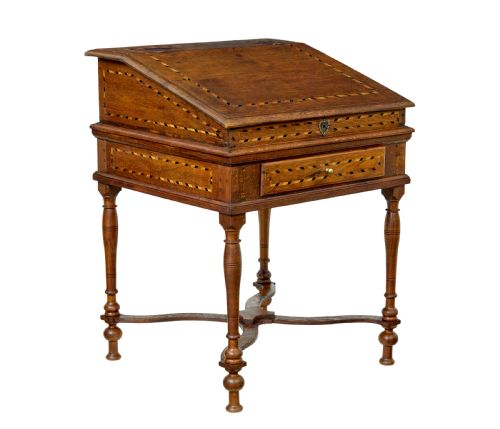
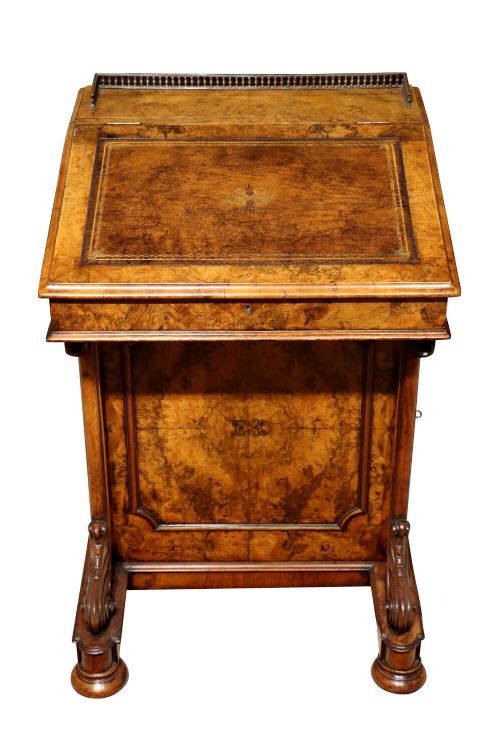
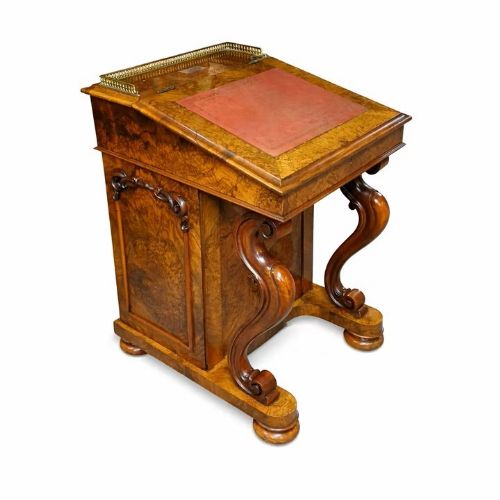
A small wooden bureau desk groups together writing furniture designed for restricted spaces, spanning from Georgian and Regency eras through to the Victorian and Edwardian periods. These compact writing stations appear in various guises across the listings, including traditional bureau bookcases, sloping writing slopes, and compact davenports.
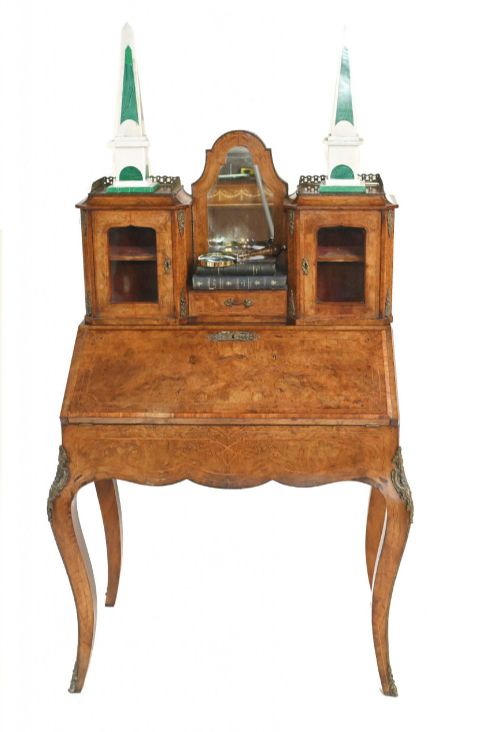
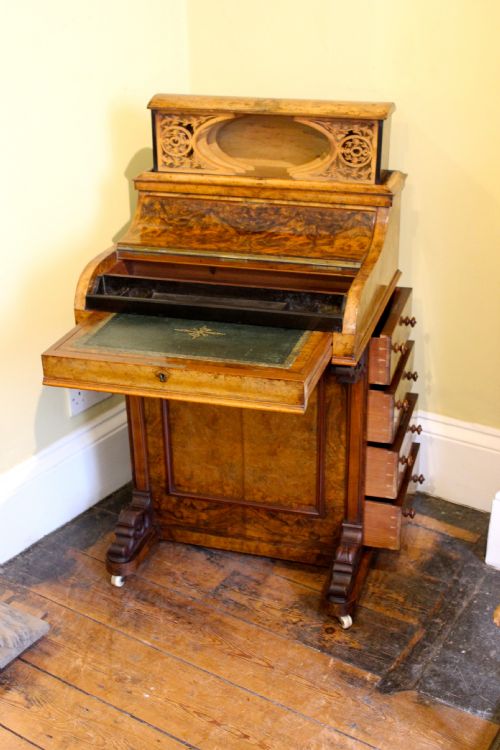
The Victorian pieces dominate the selection, often rendered in burr walnut with fitted satinwood interiors or clever piano top mechanisms. Alongside these, buyers find Arts and Crafts oak bureaux and neat rosewood bonheur du jour tables suited to smaller rooms.
Materials and construction
Cabinet makers utilised dense hardwoods such as mahogany, oak, and walnut, frequently selecting figured burr walnut veneers to create striking surfaces on writing flaps and desk bodies. These timbers provided the structural strength needed for everyday writing tasks while offering a rich canvas for natural grain patterns.
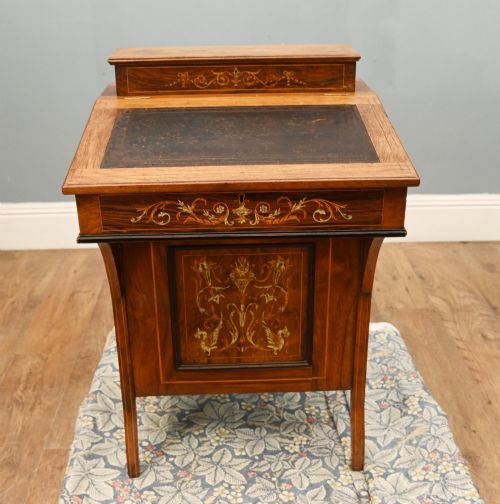
Detailing often included brass fittings, glass panels, and inlaid marquetry or satinwood interiors, demonstrating sophisticated joinery. Writing surfaces frequently incorporated leather inserts to provide a smooth, durable plane for correspondence.
Small Wooden Bureau Desk Retail Price Guide 2026
Typical asking prices for small wooden bureau desk among the pieces listed under this phrase on Sellingantiques today, from the lower quarter to the upper quarter. They describe what is for sale here now, not the wider market.
Distinctions in craftsmanship
Quality rests upon the selection of timber figures, the precision of internal pigeonholes and small drawers, and the integration of mechanical elements like slide fronts or pop-up mechanisms. Superior examples display seamless veneering and coherent proportions that balance decorative ambition with domestic utility.
Finer pieces command attention through harmonious proportions and maker attribution, such as work originating from established workshops. Lesser examples rely on simpler construction without the refined interior fittings or intricate marquetry seen on top-tier items.
Gillows
The Small Wooden Bureau Desk Glossary
- Bureau
- A writing desk with a sloping lid that opens to reveal internal compartments and small drawers. This form provides a traditional surface for correspondence while concealing stationery when closed.
- Davenport
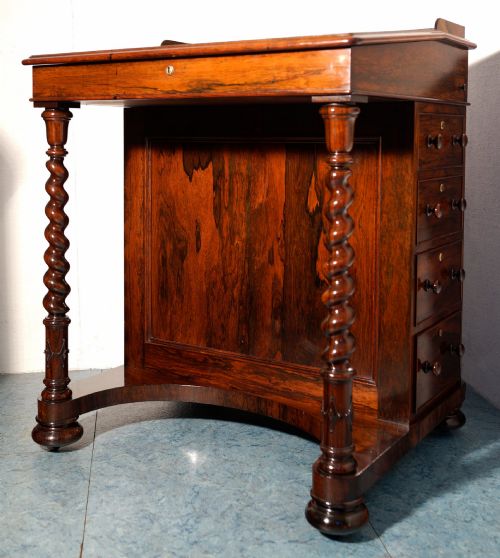
- A compact pedestal desk featuring a sloping top and drawers opening to the side. Originating in the nineteenth century, this form maximises storage within a small footprint.
- Bonheur du jour
- A light lady's writing desk featuring a small cabinet or shelving superstructure above the main writing surface. These delicate tables emerged during the eighteenth century and remained popular through the Edwardian period.
- Writing slope
- A portable or stationary box with an angled lid designed to hold paper and provide an inclined writing plane. Many examples incorporate fitted interior wells for inkwells and pens.
- Marquetry
- Decorative veneer work formed by fitting together contrasting pieces of wood or other materials to create pictorial patterns. This technique enhances the visual depth of cabinet surfaces.
Small Wooden Bureau Desk: Frequently Asked Questions
What is a davenport desk?
A davenport is a compact writing desk with a sloping desktop and drawers that pull out from the side. It combines a small footprint with integrated storage.
Cabinet makers designed these pieces for sitting rooms and boudoirs where space was limited. The sloping lid typically lifts to reveal small compartments for letters and writing implements.
How do I use a bureau desk today?
A bureau desk provides a dedicated spot for writing letters, sorting post, or housing a laptop. The fold-down flap serves as an instant workspace.
When you finish working, simply close the flap to hide away papers and maintain a tidy room. The internal compartments keep stationery and small items neatly organised.
How can I tell Victorian from Georgian pieces?
Georgian pieces generally exhibit clean, restrained lines and favour solid mahogany or walnut construction. Proportions tend to follow classical architectural principles with subtle bracket feet or straight legs.
Victorian items often embrace more elaborate decoration, including burr walnut veneers, marquetry inlay, and complex mechanical interiors. They frequently incorporate darker finishes and more heavily figured timber selections.
Where should I place a small bureau?
These compact desks suit corners, alcoves, or narrow wall spaces where standard tables prove too large. Their finished backs and compact depths allow them to sit comfortably in living rooms or bedrooms.
Position the desk near a natural light source to make the most of the writing surface. Ensure adequate clearance for the fall-front flap or side drawers to open fully.