


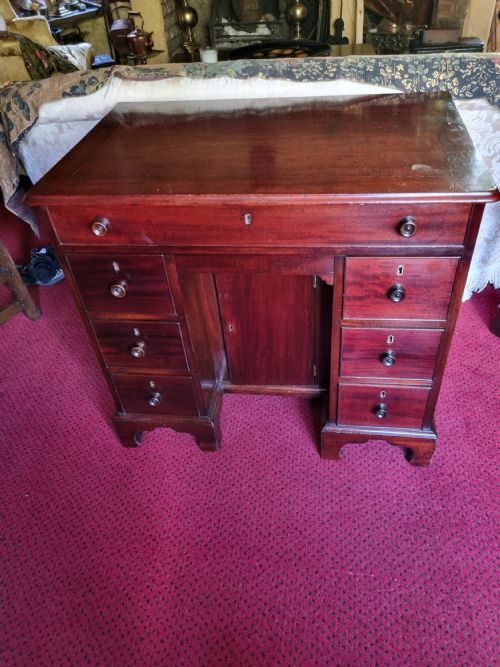


Pedestal Writing Cabinet
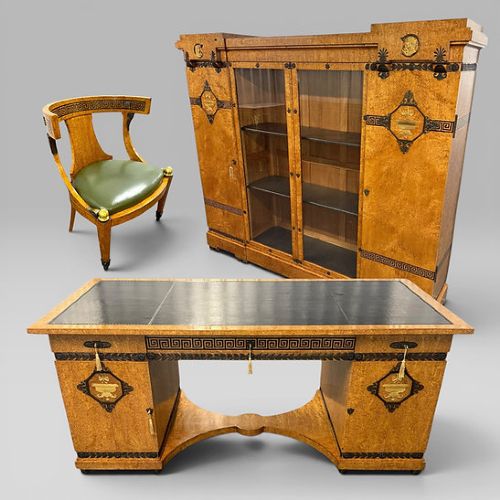
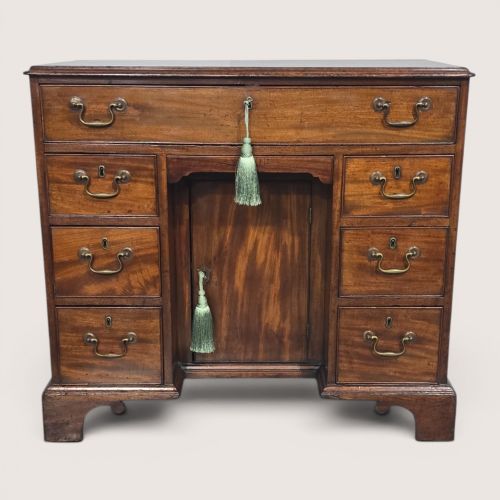
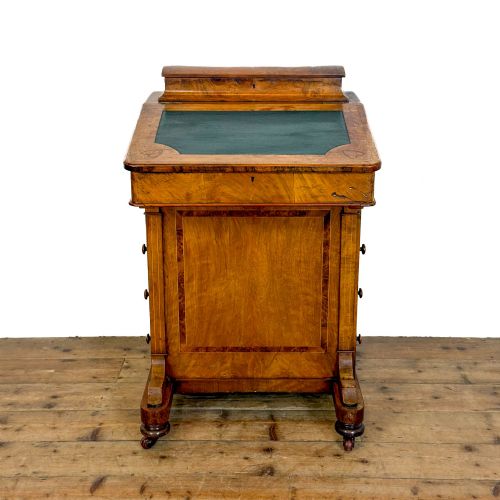
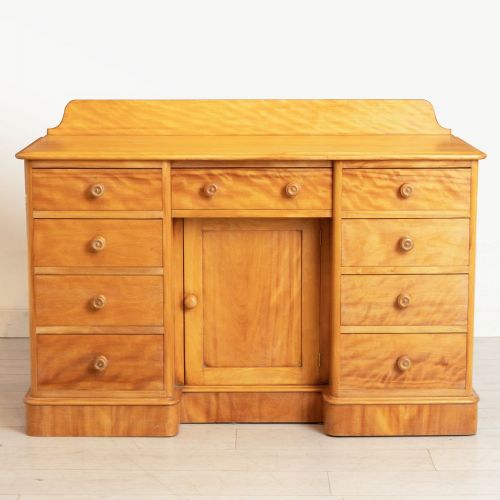
These pedestal writing cabinet examples bring together timber storage and writing surfaces, offering compact architectural forms that suit modern studies.
Pedestal Writing Cabinet
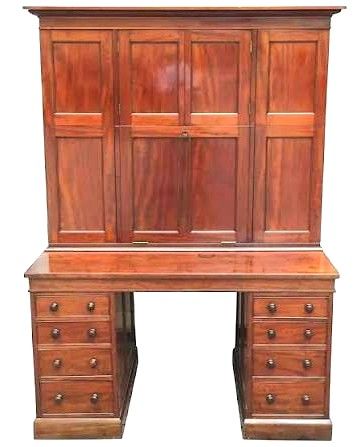
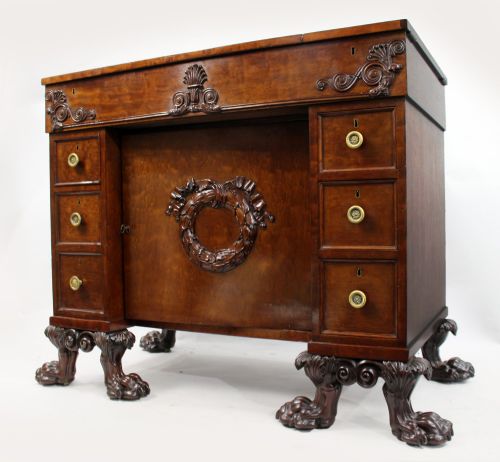
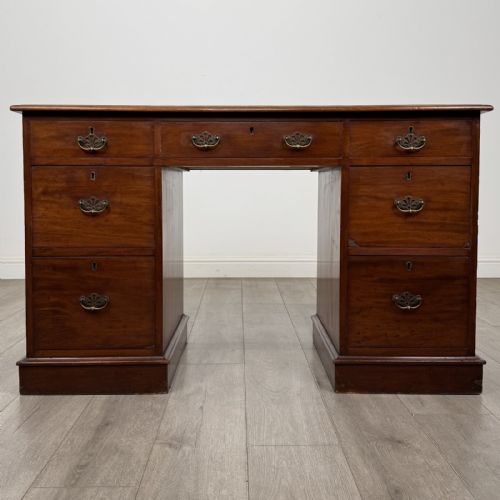
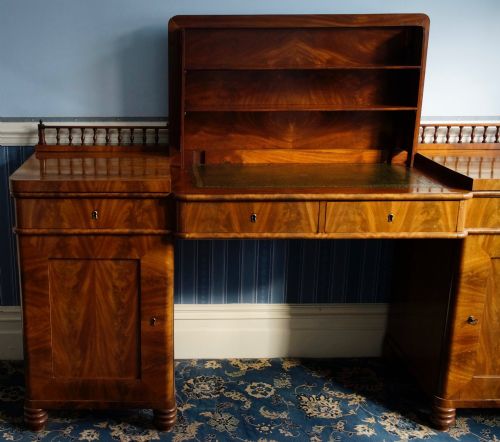
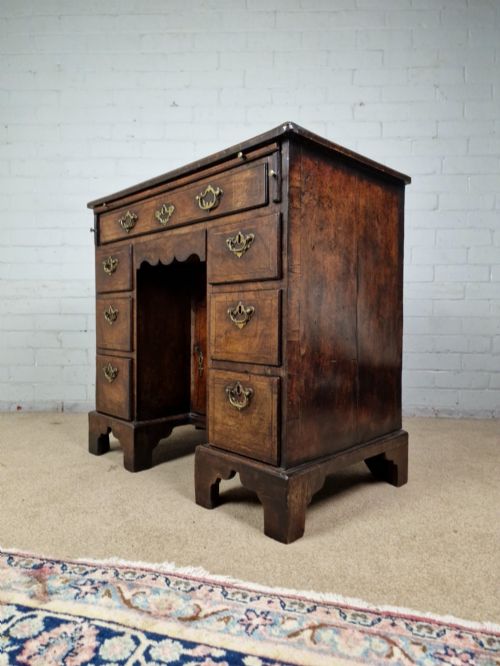
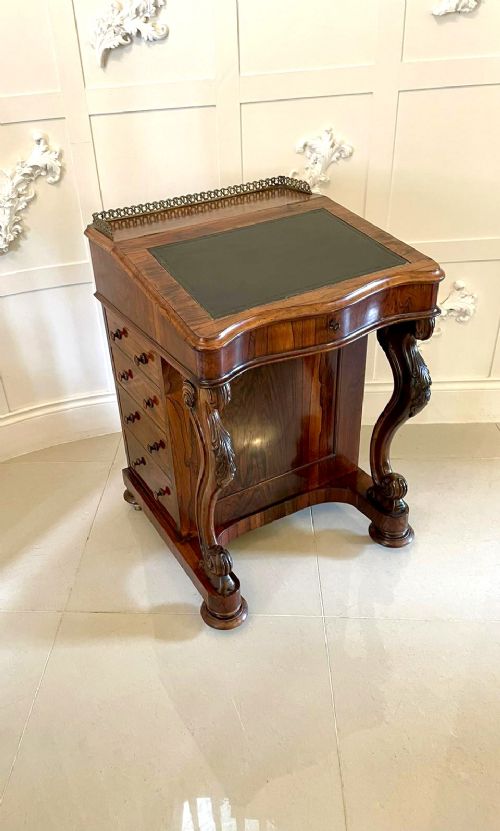
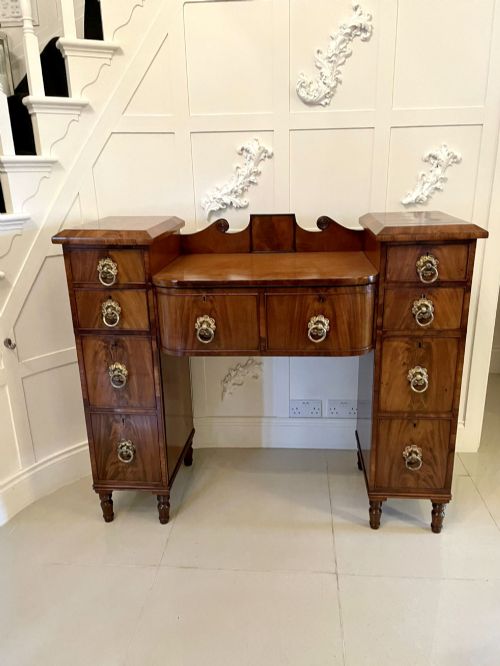
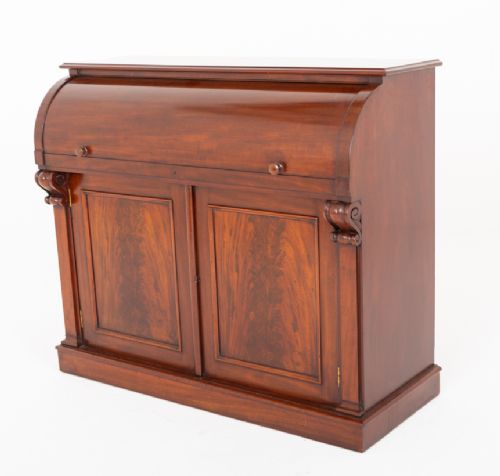
A pedestal writing cabinet gathers various forms such as kneehole desks, Davenport desks, and cylinder desks designed for writing and storage. You will frequently encounter Victorian and Georgian examples constructed from rich timbers.
The selections range from compact Davenport desks with sloping tops to substantial kneehole desks fitted with banks of drawers. These pieces reflect historical periods spanning from the early eighteenth century through to the Edwardian era.
Materials and construction
Cabinet makers utilised dense hardwoods like mahogany, walnut, and rosewood, often applying burr veneers to create figured surfaces. Brass mounts, leather inserts, and intricate carvings provide both structural reinforcement and decorative detail.
Joinery techniques relied on dovetailed drawers and panelled carcases to ensure longevity. Timber selection defined the visual weight, ranging from dark oak and padauk to lighter satin birch and yew wood.
Pedestal Writing Cabinet Retail Price Guide 2026
Typical asking prices for pedestal writing cabinet among the pieces listed under this phrase on Sellingantiques today, from the lower quarter to the upper quarter. They describe what is for sale here now, not the wider market.
Materials recorded across the pieces include brass, mahogany, leather, walnut, burr walnut, rosewood, oak, and hardwood.
Evaluating craftsmanship
Quality rests in the selection of figured veneers and the precision of the cabinet work, such as tightly fitted drawer linings and crisp carving. Finer examples display harmonious proportions and integrated brass hardware that complements the timber grain.
The distinction between standard pieces and those of exhibition quality lies in the subtlety of the secondary woods and the complexity of internal mechanisms like pop-up compartments and sliding tops.
Edwards & Roberts·Gillows of Lancaster·Mercier Freres
The Pedestal Writing Cabinet Glossary
- Davenport
- A small compact writing desk featuring a sloping desktop and a bank of drawers to one side. It originated in the late eighteenth century and gained widespread popularity during the Victorian period.
- Kneehole desk
- A flat-topped desk with a central recess for the sitter's legs, flanked by two pedestals of drawers. Earlier examples frequently date to the Georgian and Queen Anne periods.
- Cylinder desk
- A writing desk fitted with a curving roll-top cylinder that conceals the writing surface and pigeonholes when closed. This form requires precise joinery to operate smoothly.
- Crossbanding
- A decorative border technique where strips of veneer are laid across the grain of the main timber. It frames the primary surface of drawer fronts and tabletops.
- Padauk
- A heavy, durable tropical hardwood with a distinctive reddish hue used in Anglo-Indian furniture production. It resists warping and takes a fine carved finish.
Pedestal Writing Cabinet: Frequently Asked Questions
What is a Davenport desk?
A Davenport is a compact writing desk with a sloping lid and drawers opening to the side.
Cabinet makers designed them for smaller spaces, combining a practical writing slope with enclosed storage underneath.
How do I date a kneehole desk?
Dating relies on timber choices, drawer construction, and overall proportions.
Early eighteenth-century pieces often utilise walnut with herringbone inlay, while nineteenth-century versions typically employ mahogany or burr walnut.
What woods were used?
Primary timbers include mahogany, walnut, rosewood, and oak.
Cabinet makers also used exotic woods like padauk and decorative veneers such as burr walnut and satin birch.
Where should I place one?
Many examples are freestanding with finished backs, allowing placement in the centre of a room.
Smaller forms fit easily into studies, libraries, or living spaces as functional writing surfaces.