
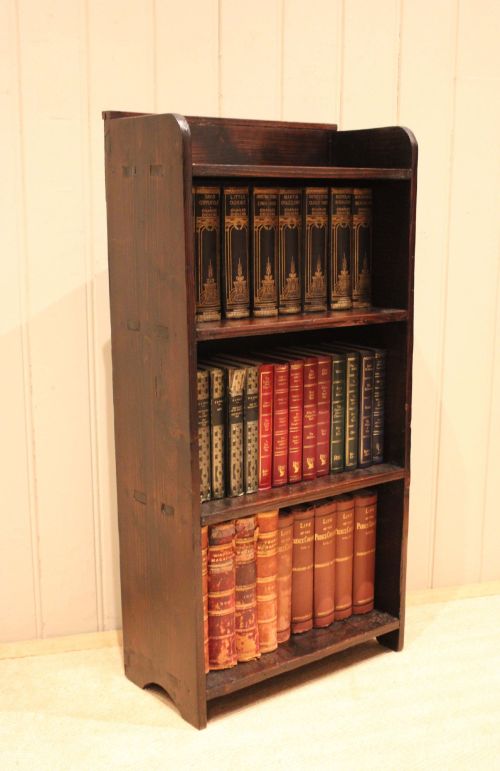
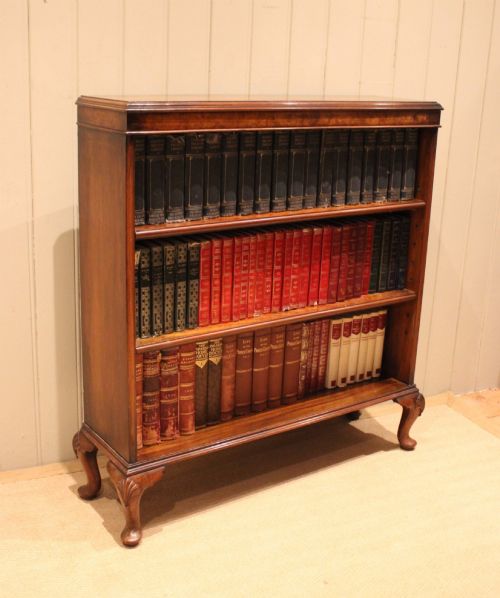
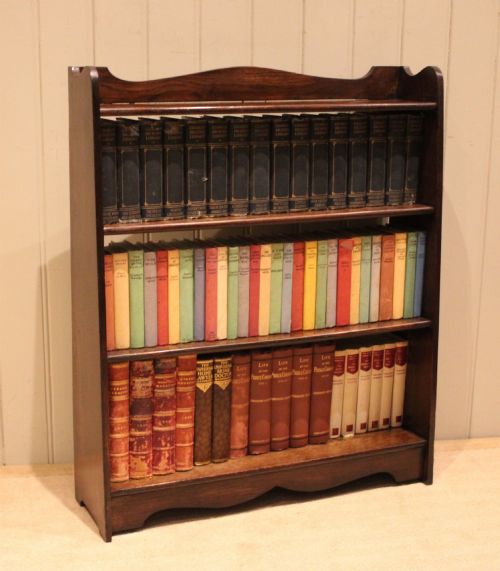
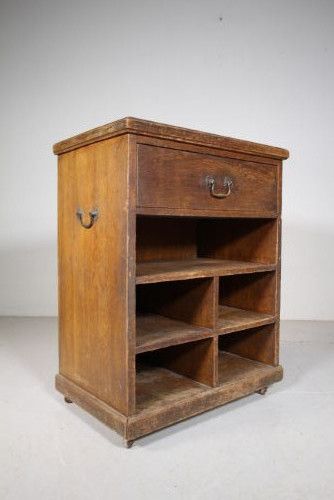
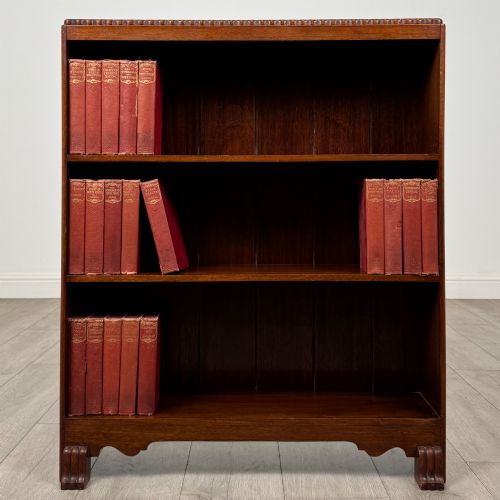
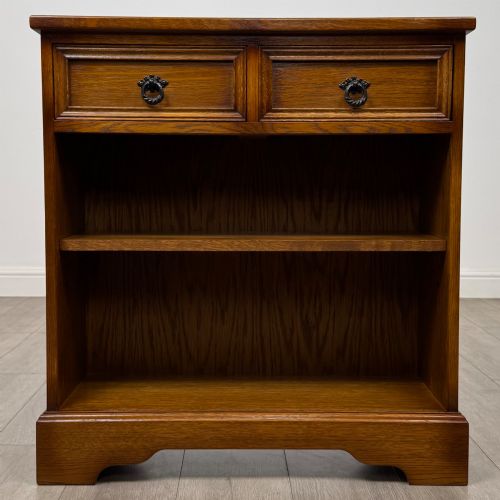
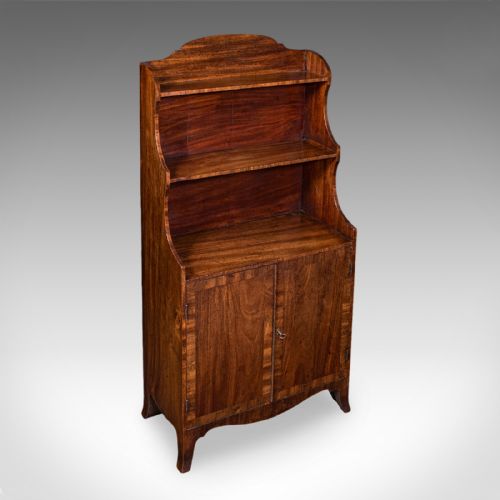
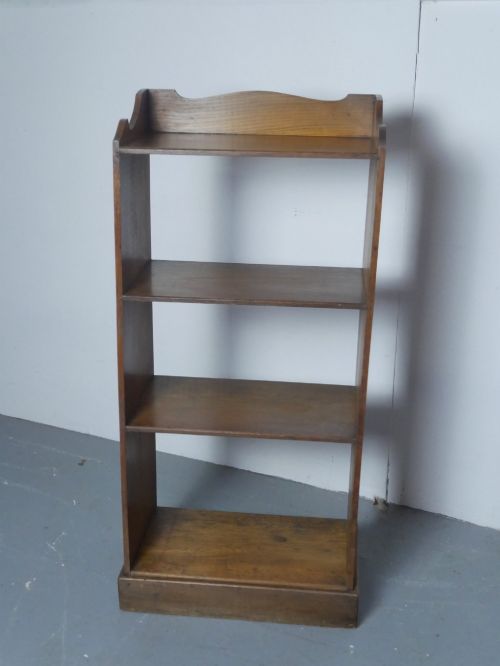
Small Wooden Bookcase
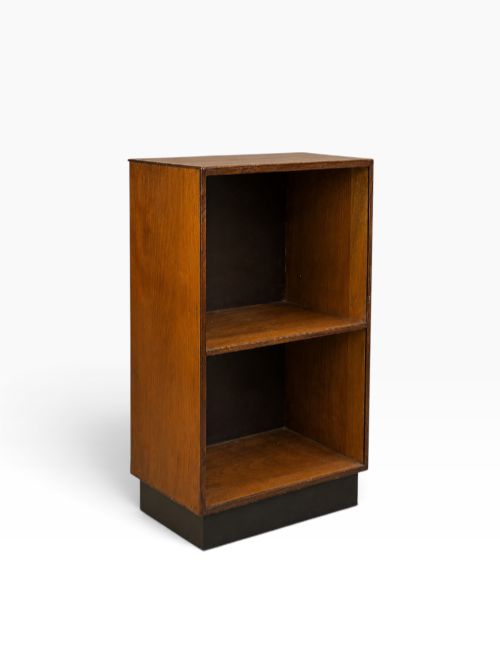
These small wooden bookcase pieces offer compact volume for constrained rooms, pairing practical tier storage with refined timber grain.
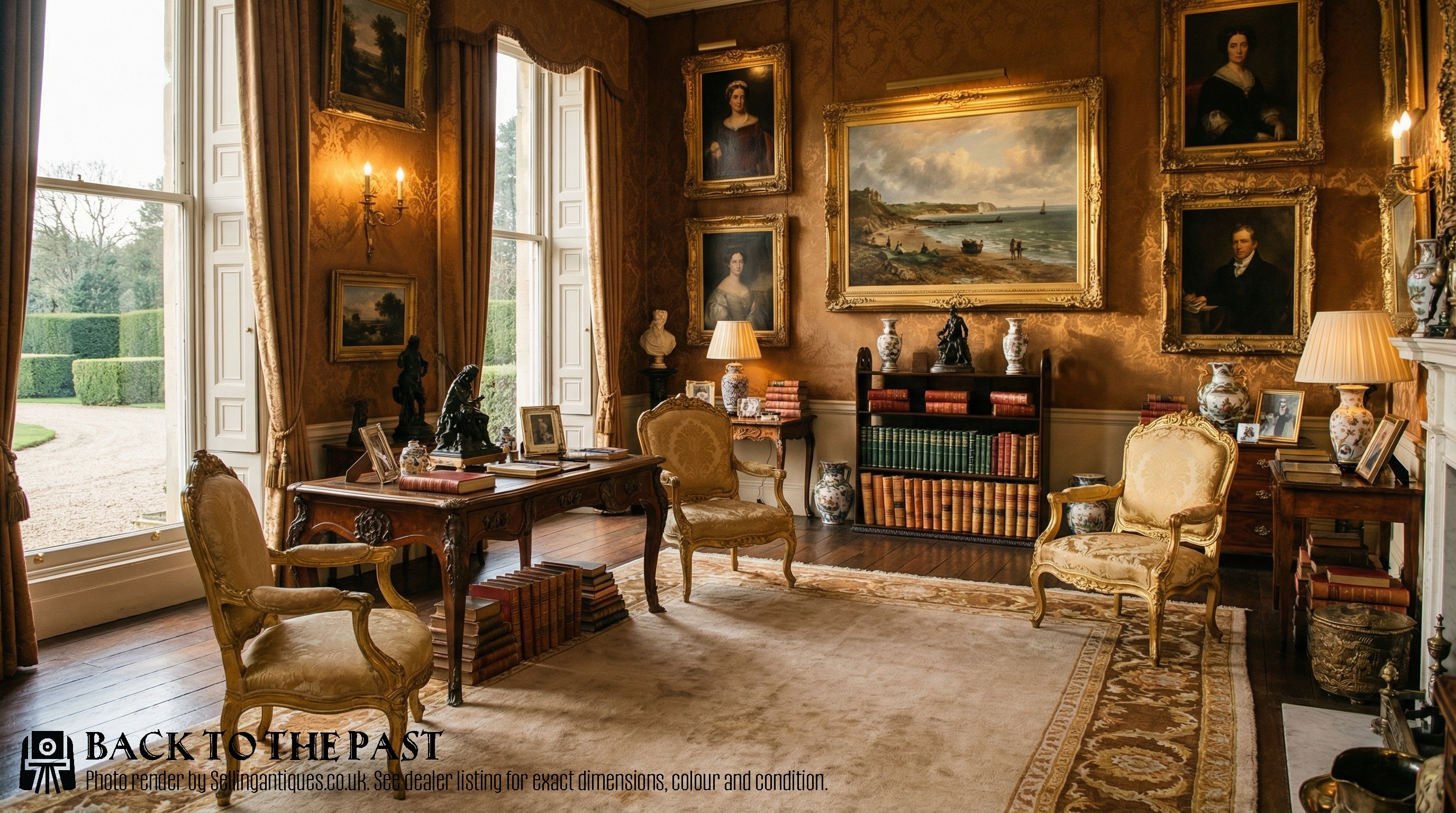
What these small wooden bookcase pieces are
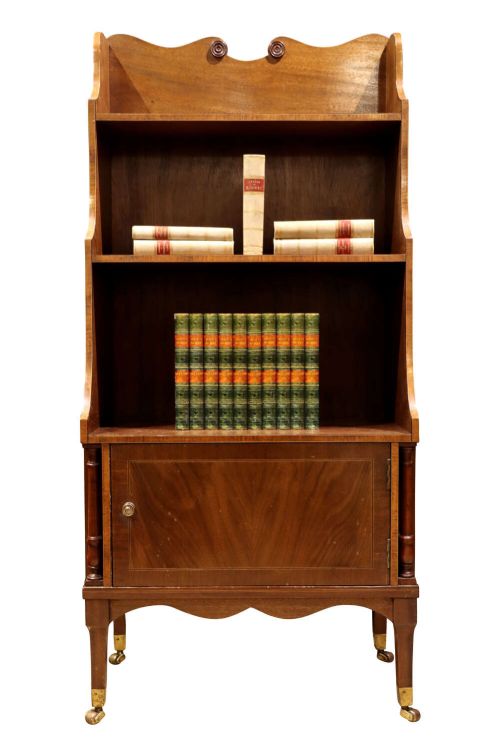
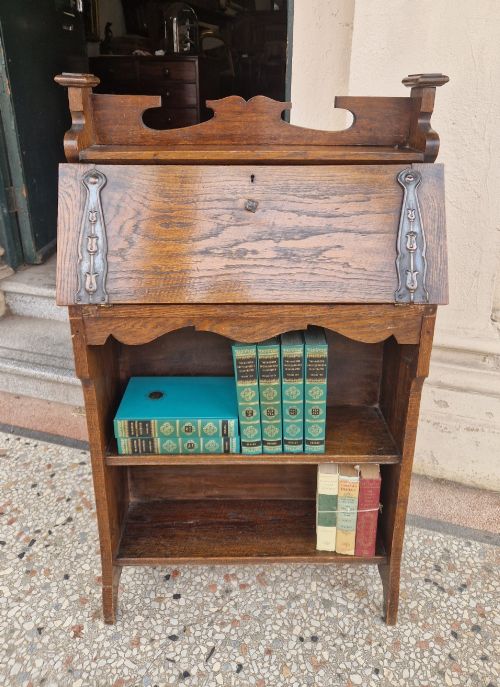
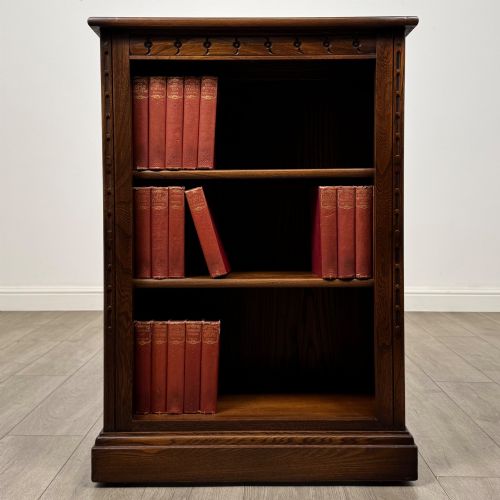
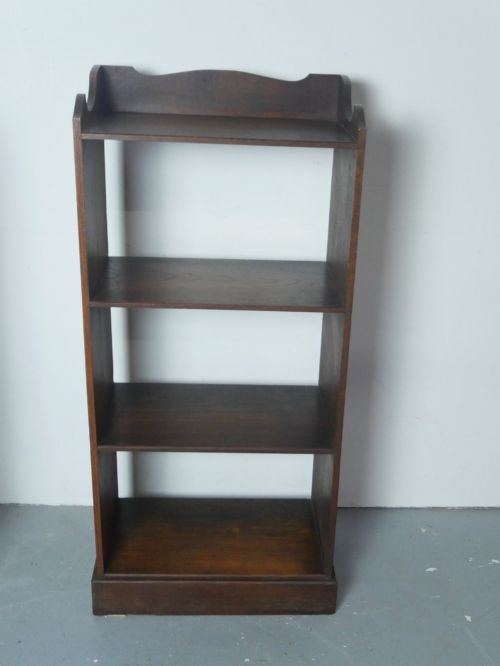
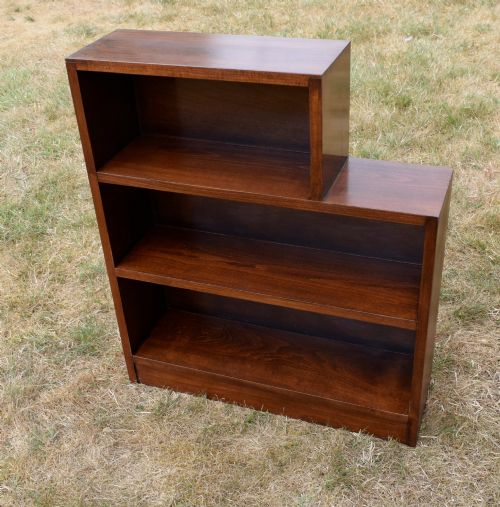
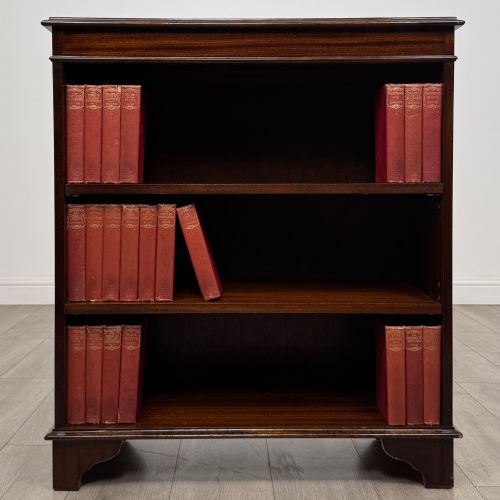
When you search for a small wooden bookcase, you encounter compact open standing furniture designed to hold manageable libraries in limited domestic spaces. The selection on this page centres on nineteenth century and Regency examples, mostly taking the form of open bookcases.
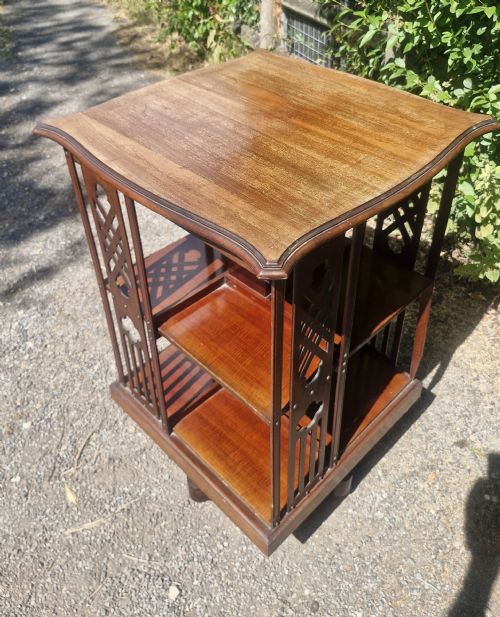
The material palette is strictly timber-led, with rosewood, mahogany, and partridgewood appearing alongside brass details. These pieces include freestanding open bookcases and distinct forms such as an octagonal open free standing bookcase and a mahogany book stand.
How they were made
Joiners built these items using dense cabinet timbers like mahogany and rosewood, often figuring exotic grain patterns to the exterior surfaces. Exotic hardwoods such as partridgewood receive careful turning and joinery to create specific freestanding geometric forms.
Metal elements, specifically brass, provide structural or decorative highlights on these compact stands and open shelves. Cabinetmakers relied on traditional jointing techniques to ensure stability across these open tiers without heavy glazed doors.
Retail Price Guide 2026
Typical UK retail prices for small wooden bookcase, calculated from the Sellingantiques database of over a million retail prices indexed since 2003. This retail price guide relies exclusively on Sellingantiques data; no external sources or auction records are used, so the figures do not describe the wider market.
One exceptional piece takes an octagonal form, using partridgewood so its grain mimics actual bird feathers.
What varies in quality
The grade of timber selection dictates visual merit, moving from plain utility boards to highly figured rosewood and partridgewood veneers. Superior examples display thoughtful proportion in their turnings and uprights, whereas lesser items rely on simpler box construction.
Refinement in edge moulding and the integration of brass components distinguish standard joinery from more ambitious cabinet work. The handling of open shelf edges and plinth details reveals the maker's discipline within these smaller dimensions.
The Small Wooden Bookcase Glossary
- Rosewood
- A dense, heavily figured tropical timber prized for dark purplish-brown grain patterns. It forms the primary surface of several nineteenth century pieces.
- Partridgewood
- An exotic hardwood exhibiting mottled speckling resembling bird plumage. It is utilised on distinct freestanding octagonal library items.
- Regency
- A decorative period spanning the early nineteenth century defined by classical restraint and refined proportions. Pieces from this era show particular attention to architectural lines.
- Open bookcase
- A shelving unit without doors, allowing immediate access to stored volumes. This form dominates the current inventory across nineteenth century items.
Frequently Asked Questions
Where should I place a small wooden bookcase?
These compact pieces fit comfortably in alcoves, hallways, or beside seating areas where full-height shelving proves impractical.
Their open tiers allow for easy retrieval of volumes while maintaining a low visual profile in smaller reception rooms.
Are these bookcases freestanding?
The inventory comprises freestanding designs, including open standing units and specific octagonal formats.
This independence from wall mounting lets you position them freely within the floor plan of a room.
What woods were used for these bookcases?
Makers utilised dense hardwoods such as mahogany, rosewood, and partridgewood for durability and rich surface figure.
Brass also appears as a complementary material on these nineteenth century and Regency examples.
How do I distinguish Regency pieces?
Regency items date from the early nineteenth century and typically display restrained classical lines and precise cabinet proportions.
They sit alongside broader nineteenth century variants in the current selection.