


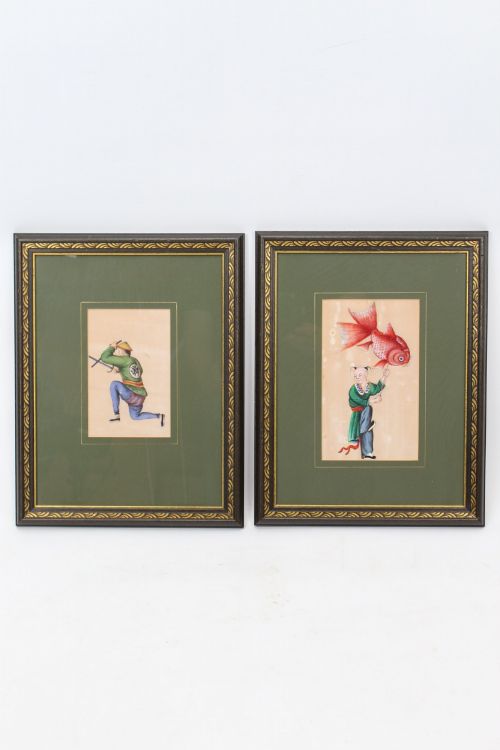
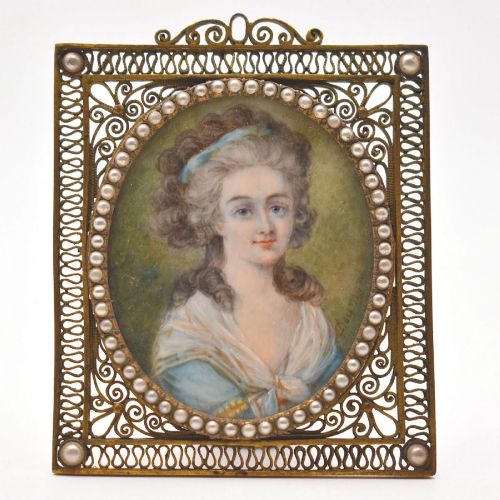


Small Watercolour Painting
A small watercolour painting offers a concentrated study of historical portraiture and landscape, framed for intimate display.
Small Watercolour Painting
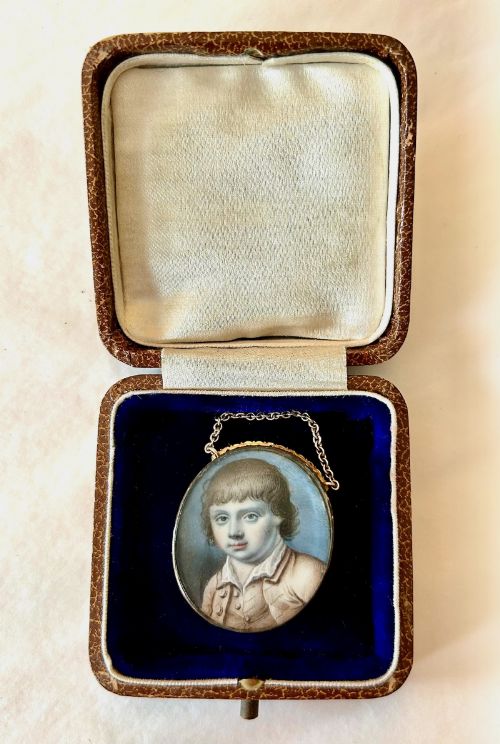
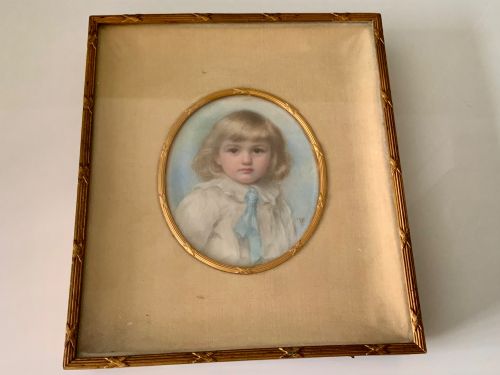
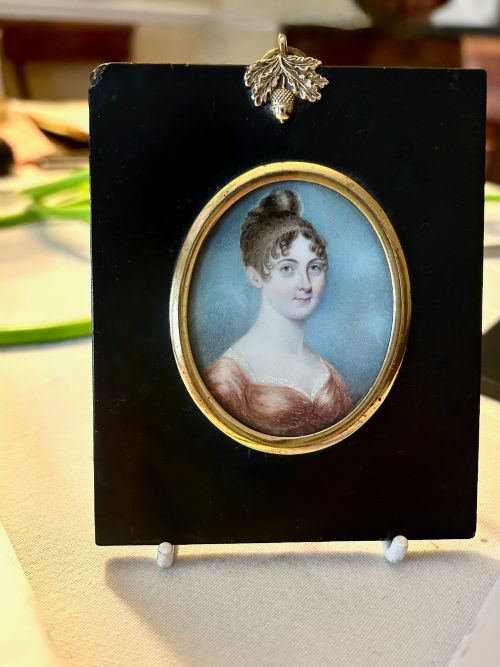
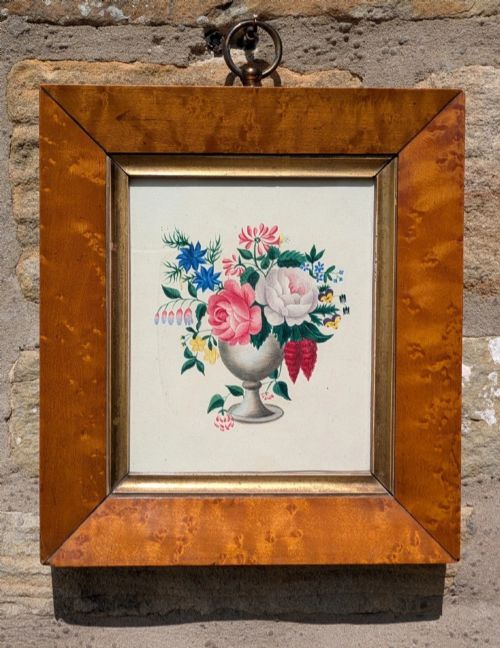
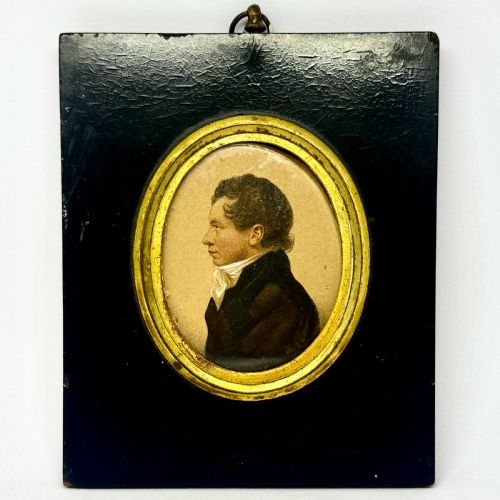
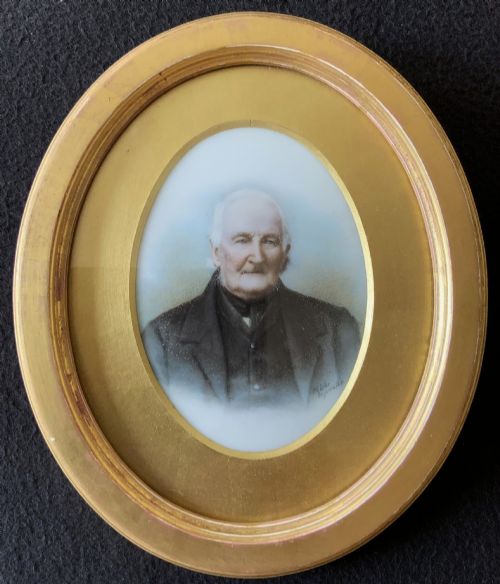
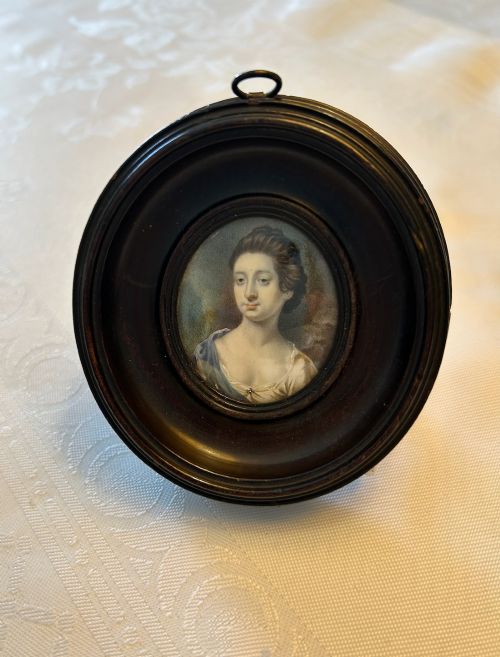
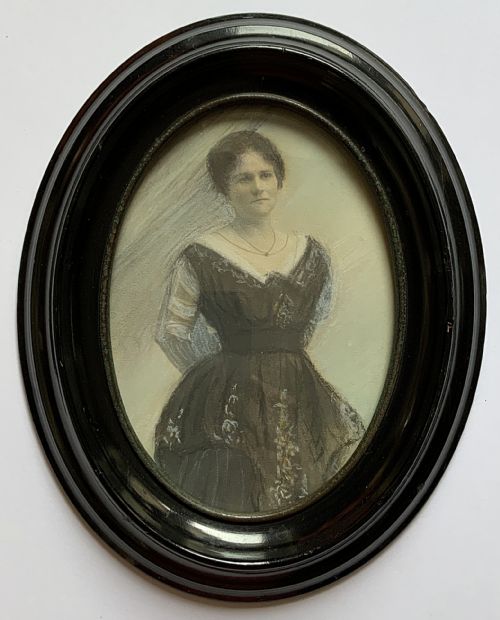
A small watercolour painting is typically encountered on this page as a portrait miniature or a delicate botanical and landscape study spanning the eighteenth and nineteenth centuries. Buyers searching for a small watercolour painting will find works executed on paper, card, or ivory, often housed within period ebonised wood or gilt metal frames.
The selection ranges from Georgian and Regency depictions of gentlemen and ladies to Victorian landscapes and copies after European masters. Portrait miniatures dominate the offerings, frequently rendered in watercolour and gouache with precise attention to costume and facial expression.
How they were made
Many works incorporate secondary materials such as seed pearls or velvet backing inserts within the frame construction. The housing often includes specialised stands or suspension loops designed for wall hanging or desk placement.
Small Watercolour Painting Retail Price Guide 2026
Typical asking prices for small watercolour painting among the pieces listed under this phrase on Sellingantiques today, from the lower quarter to the upper quarter. They describe what is for sale here now, not the wider market.
One miniature carries a personal link to Earl Grey tea and Lord Byron, proving that small watercolours keep grand company.
What varies in quality
Quality is further distinguished by the originality and integrity of the accompanying period frame, whether ebonised wood, gilt metal, or brass. Pieces showing minimal fading and undisturbed seals behind glass preserve the artist's original palette more successfully.
Henri Fradelle·Dumont·George Hargreaves·Emma Kendrick·David Small·Isaac Wane Slater·Cornelius Pearson
The Small Watercolour Painting Glossary
- Portrait miniature
- A small-scale painting, highly detailed, which emerged from manuscript illumination and was traditionally worn or kept in intimate spaces. These works capture likenesses with remarkable economy of scale.
- Ebonised wood
- Timber treated with a dark stain or finish to imitate genuine ebony, frequently utilised for nineteenth-century picture frames. This dark border provides a strong tonal contrast to pale watercolour pigments.
- Gouache
- An opaque watercolour paint made from pigment mixed with a water-binding agent and a white filler material. Artists employ it to add highlights and solid colour passages alongside translucent watercolour.
- Seed pearl
- Very small natural pearls, often pierced and stitched or glued into decorative patterns on jewellery or integrated into portrait miniature frames during the Regency and Georgian periods.
- Gilt metal
- Base metal treated with a thin layer of gold or gold-coloured wash to simulate solid precious metal. It provides a durable and decorative housing for miniature paintings.
Small Watercolour Painting: Frequently Asked Questions
How were small watercolour paintings displayed originally?
These works were designed to be hung closely together in small groupings on domestic walls or placed on desks and tables utilising built-in metal stands. Their intimate scale allowed owners to carry them or keep them in private chambers.
Many featured suspension rings or velvet-lined cases for safe transport and personal viewing.
What subjects appear most frequently in these watercolours?
Portrait miniatures of named or anonymous sitters form the majority of the works, depicting ladies, gentlemen, children, and historical figures. Botanical studies and coastal landscapes also feature among the offerings.
Artists frequently painted copies after notable oil paintings housed in major European galleries.
How do I care for antique watercolours?
Display these pieces away from direct sunlight to prevent the fading of fugitive watercolour pigments and paper discoloration. Maintaining a stable indoor humidity protects both the paper substrate and the historical frame.
Avoid placing them in damp environments such as kitchens or unheated spaces.
How can I distinguish a Georgian piece from a Victorian one?
Georgian and Regency examples often feature softer facial rendering, specific costume details like high collars or Regency bonnets, and simple ebonised wood frames. Victorian pieces frequently display broader colour palettes and denser background detailing.
Framing styles also shift through the nineteenth century from slender wood surrounds to more ornate gilt metal mounts.