




Small Watercolour Art
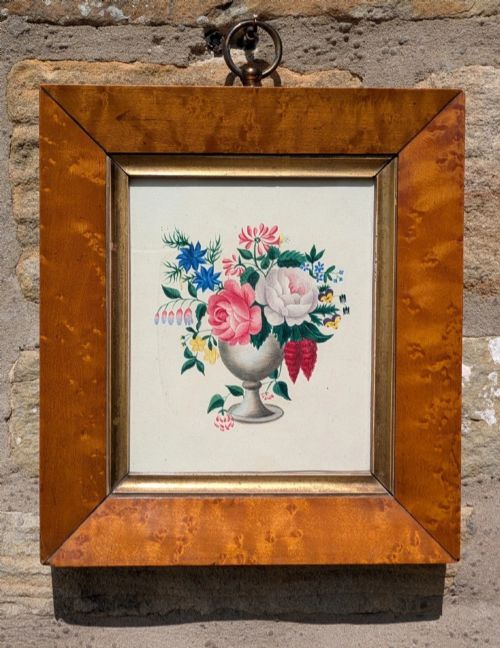
Small watercolour art takes many intimate forms, from delicate Regency botanical studies to detailed 18th-century portrait miniatures.
Small Watercolour Art
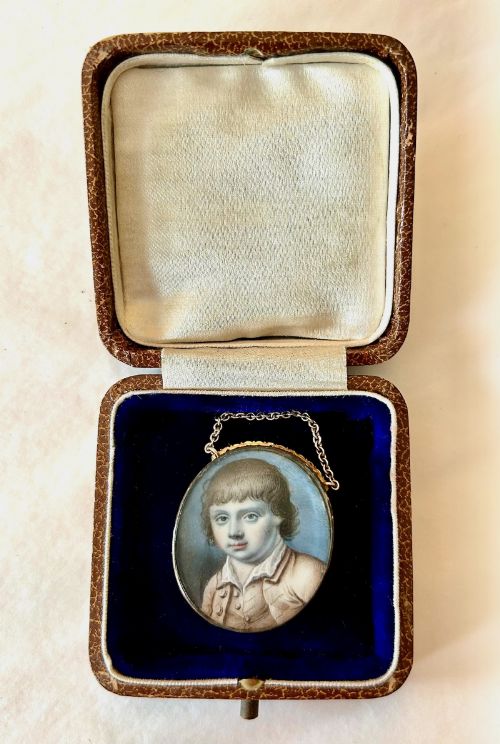
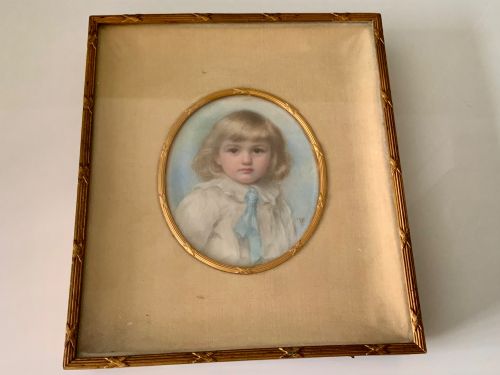
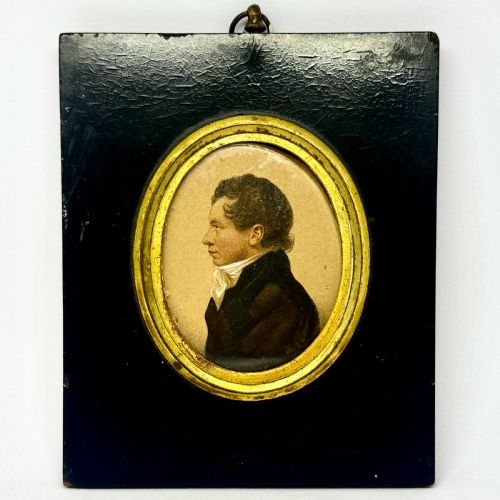
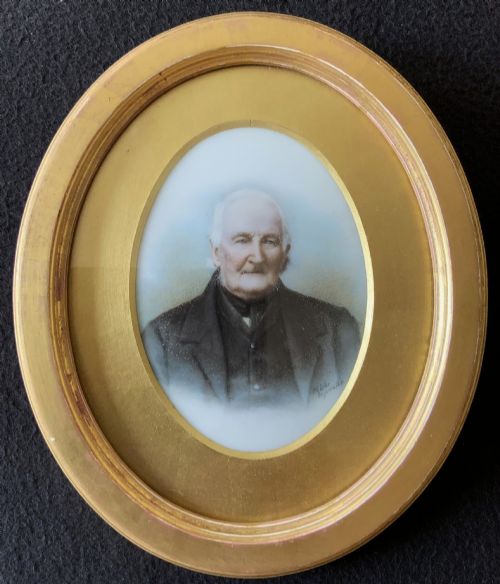
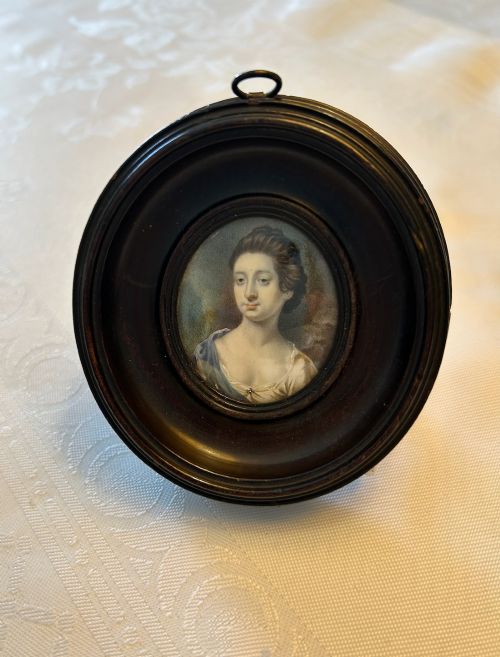
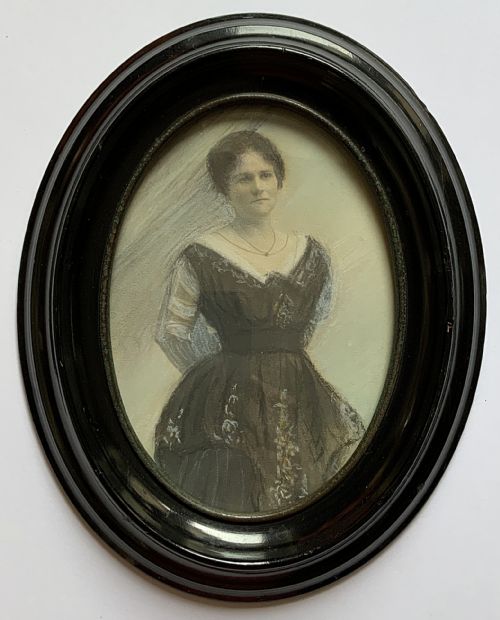
Small watercolour art centres primarily on miniature paintings and portrait miniatures executed on paper, ivory or glass. These works capture subjects ranging from botanical studies and coastal landscapes to detailed likenesses of children, ladies and gentlemen.
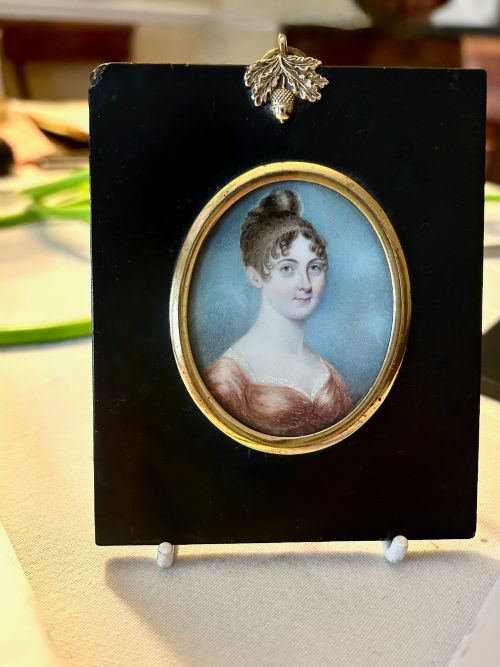
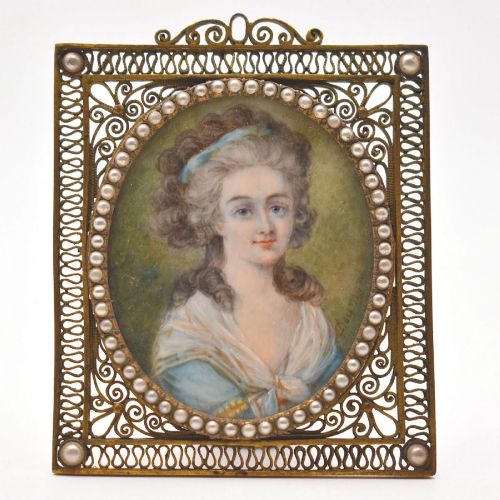
The pieces on this page span the mid-18th century through the Edwardian period, encompassing Georgian, Regency and Victorian aesthetics. Portrait miniatures predominate, often housed in protective ebonised wood or gilt metal frames.
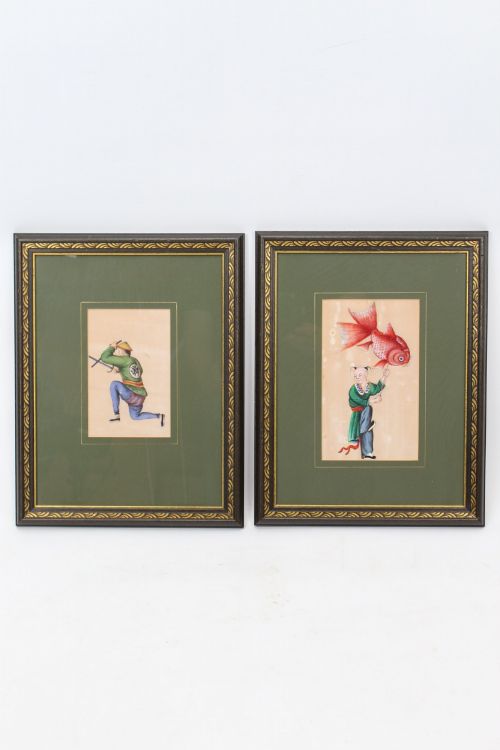
Collectors encounter both British and continental schools, alongside Chinese watercolours and Italian Renaissance revival pieces. Oval formats frequently appear alongside rectangular compositions and paired companion pieces.
Materials and techniques
Artists painted these works predominantly with watercolour and occasionally gouache or pastel upon thin paper, card or delicate slices of ivory. Some 19th-century examples applied pigment directly to glass, creating a distinct luminous depth.
Framing played a vital role in preservation and presentation, utilising ebonised wood, gilt metal, brass and gilt wood. Seed pearls and glass inserts occasionally ornamented the surrounding bezels of portrait miniatures.
Small Watercolour Art Retail Price Guide 2026
Typical asking prices for small watercolour art among the pieces listed under this phrase on Sellingantiques today, from the lower quarter to the upper quarter. They describe what is for sale here now, not the wider market.
Listings feature paper, ivory, glass, and ebonised wood across 18th-century, Regency, and Victorian periods.
What distinguishes finer pieces
Originality of mounting, the condition of the delicate support medium, and the presence of signed attribution or notable provenance elevate certain works above anonymous school pieces.
George Hargreaves·Emma Kendrick·Cornelius Pearson·Isaac Wane Slater
The Small Watercolour Art Glossary
- Portrait miniature
- A small, highly detailed painting of a person, popular from the 16th century onwards and frequently worn or displayed privately. These works required immense skill due to their restricted scale.
- Ebonised wood
- Timber treated to resemble heavy, black ebony wood. This dark finish provided a strong contrasting border for brightly coloured miniatures.
- Gouache
- An opaque water-based paint composed of pigment, water, and a binding agent such as gum. It allowed artists to add solid highlights to watercolour paintings.
- Ivory slice
- A thin sheet of animal ivory used as a painting support in the 18th and 19th centuries. Its smooth, luminous surface gave miniature portraits an inner glow.
Small Watercolour Art: Frequently Asked Questions
How were portrait miniatures displayed?
These small works hung on parlour walls in tight clusters or sat upright on desks using small hinged metal stands. Many owners kept them inside fitted leather cases or wore them as lockets close to the heart.
Their intimate scale suited private spaces rather than grand public reception rooms, allowing family members to carry likenesses of loved ones during long journeys.
Why are some painted on ivory?
Painters utilised thin sheets of ivory because the translucent material imparted a natural, glowing warmth to human skin tones. Pigments sat lightly upon the polished surface, creating a luminous depth impossible to achieve on standard paper.
This technique required exceptional steady control, as watercolour did not easily absorb into the dense, non-porous organic material.
How do I date a miniature painting?
Clothing styles, hairstyles and framing materials provide the most reliable clues for determining the decade of execution. High waistlines point to the Regency era, while elaborate bonnets and lace collars often suggest Victorian or Edwardian tastes.
Convex glass covers and turned ebonised wood frames also shift noticeably in profile and depth across the Georgian and Victorian transitions.
Can I hang watercolours in direct sunlight?
Direct sunlight causes pigments to fade rapidly, particularly botanical greens and delicate flesh tones mixed centuries ago. These fragile works require placement on interior walls away from harsh windows and direct heat sources.
Framing with UV-filtering glass helps protect the paper and water-soluble pigments from environmental degradation over decades of enjoyment.