



Small Walnut Jewellery Chest
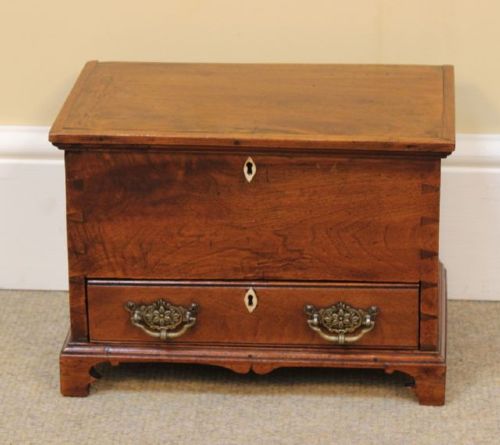
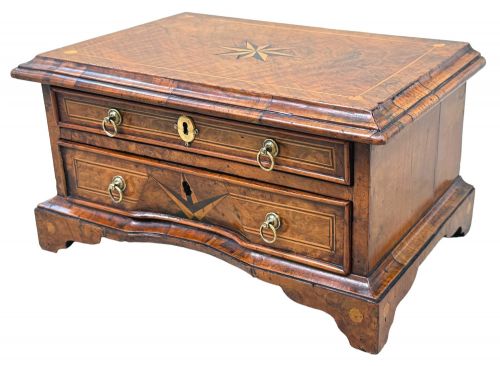
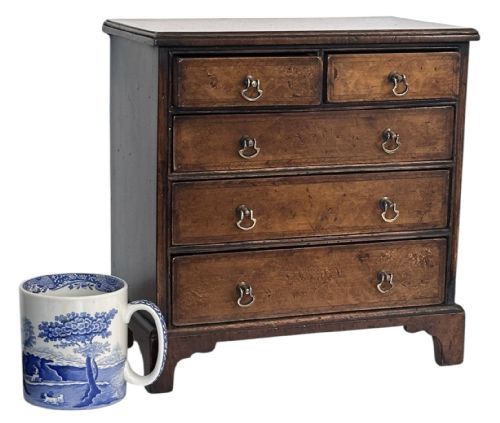
These small walnut jewellery chest examples are compact miniature chests and cabinets in walnut, prized for holding precious trinkets on a dressing table.
Small Walnut Jewellery Chest
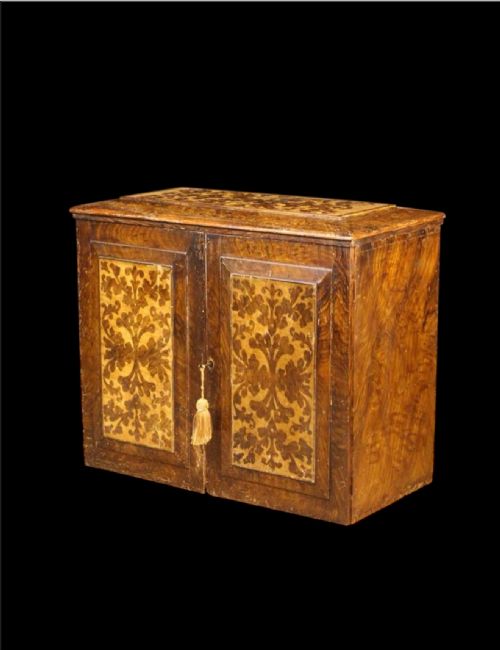
When you search for a small walnut jewellery chest, you encounter miniature chests of drawers, collectors cabinets, and apprentice pieces spanning several centuries.
The pieces on this page draw from periods including the seventeenth, eighteenth, and nineteenth centuries, featuring styles such as Queen Anne, Georgian, and Victorian.
Most items you meet here take the form of miniature furniture, serving both as decorative storage boxes and historical examples of fine cabinetmaking.
How they were made
Maker workshops shaped these miniature chests primarily from walnut and burr walnut, sometimes incorporating secondary timbers like oak, fruitwood, and bone.
Craftsmen applied intricate wood inlay, brass hardware, and wrought iron details to ornament the compact surfaces of each box.
Listings combine walnut and burr walnut materials across nineteenth-century, Georgian, and seventeenth-century periods.
What varies in quality
Quality rests upon the selection of timber figures, such as highly decorative burr walnut veneers, matched against simpler plain walnut construction.
The finesse of the miniature proportions and the precision of historical joinery techniques dictate whether a piece represents standard workshop output or finer cabinet work.
The Small Walnut Jewellery Chest Glossary
- Apprentice piece
- A small cabinet or chest made by a trainee craftsman to demonstrate mastery of woodworking skills to a guild. These items mirror full-scale furniture in miniature.
- Burr walnut
- A prized veneer sliced from growth excrescences on walnut trees, showing swirling knot patterns. This material elevates the decorative appearance of small chests.
- Collectors cabinet
- A specialised miniature piece designed to house small specimens, coins, or trinkets within multiple fitted drawers. They feature secure locking doors or drop-fronts.
- Miniature furniture
- Scale models of larger chests and commodes built by period cabinetmakers. They served as salesman samples, apprentice tests, or luxury desk accessories.
Small Walnut Jewellery Chest: Frequently Asked Questions
What is an apprentice chest?
An apprentice chest is a small-scale model built by a trainee woodworker to prove their skill to master craftsmen.
These pieces faithfully replicate larger furniture designs down to the smallest drawer joints.
How old are these miniature chests?
The examples on this page range from seventeenth-century works up through eighteenth-century Georgian pieces and nineteenth-century Victorian creations.
Stylistic cues and wood types help place each specific chest within its proper historical era.
What wood was used?
Makers constructed these miniature chests primarily using walnut and burr walnut veneers over secondary woods.
Accents in brass, bone, fruitwood, and oak frequently appear across the various periods represented here.
How were they used?
These compact boxes served as miniature storage units for precious trinkets, jewellery, and small collectible items.
Their small footprint allowed them to sit neatly upon tables and desks in period interiors.