




Small Walnut Box
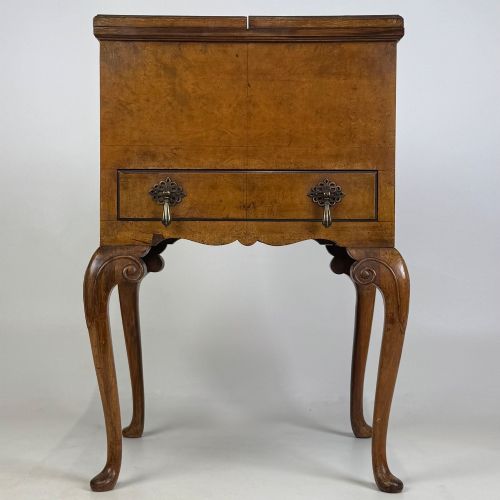
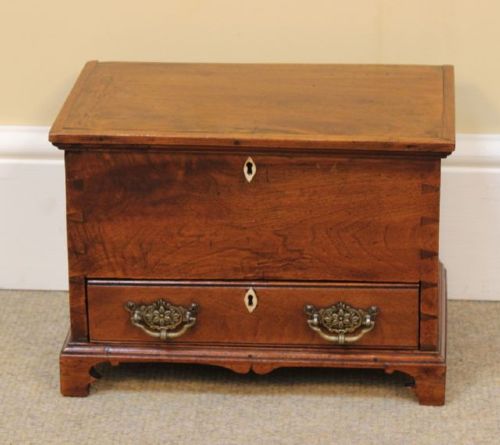
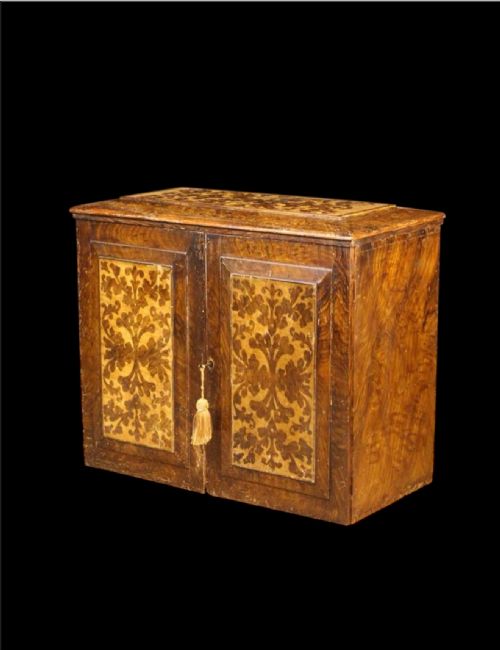
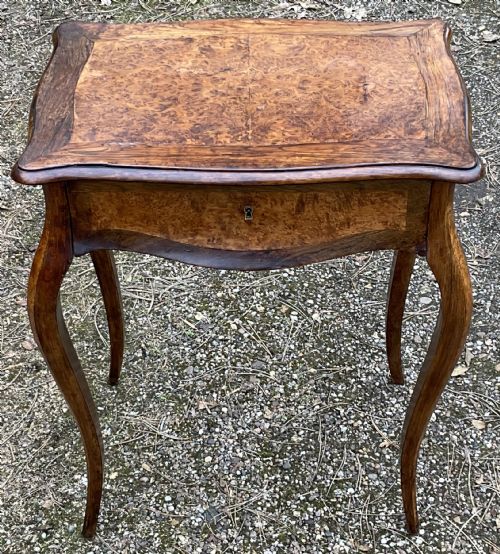
A small walnut box offers neat containment for personal treasures, spanning modest Victorian trinket cases to elaborate collectors cabinets.
Small Walnut Box
When seeking a small walnut box, buyers encounter an array of tabletop storage pieces designed for domestic use. The selection spans 18th century Spanish and English examples up to Edwardian iterations.
Most pieces met on this page take the form of miniature chests, jewellery boxes, stationery holders or collectors cabinets. These items reflect the functional storage needs of past centuries.
Makers utilised figured timbers, burr walnut and plain grains alike to create practical receptacles for documents, letters and precious objects.
Assessing Quality and Execution
Quality rests upon the selection of the timber grain and the precision of the veneer work. Highly figured burr walnut and complex parquetry patterns distinguish finer examples from plain utilitarian containers.
The integration of mounts, brass banding and fitted interiors separates standard production items from exhibition grade pieces. Superior execution shows in the crispness of the joinery and the original state of the hardware.
Listings feature 19th Century, Victorian, Edwardian and 18th Century periods, incorporating walnut, brass, burr walnut, glass, boxwood, mahogany and bone.
Whytock & Reid
The Small Walnut Box Glossary
- Burr walnut
- A prized veneer taken from the knotted growth of a walnut tree, displaying swirling, highly decorative grain patterns. It was favoured by cabinet makers for grander decorative surfaces.
- Parquetry
- A geometric mosaic of wood pieces used for decorative veneer on box lids and panels. It creates contrasting patterns using timbers like boxwood and walnut.
- Apprentice piece
- A miniature item demonstrating the skill of a trainee cabinet maker. These small chests and desks showcase the same joinery techniques as full scale furniture.
- Escutcheon
- A protective plate surrounding a keyhole, frequently fashioned from brass or bone. It prevents the surrounding wood from sustaining damage through repeated use of the key.
- Cellerette
- A small cabinet or box designed to hold bottles. In walnut, these portable or table units served dining rooms and reception spaces.
Small Walnut Box: Frequently Asked Questions
What were small walnut boxes originally used for?
These boxes served multiple domestic purposes, from holding jewellery and letters to storing microscope slides or inkwells. Their compact nature allowed owners to keep personal effects organised on desks and dressing tables.
Over time, specific forms evolved for specific contents, such as stationery boxes with sloping lids or shallow drawers for stamps and pens.
How do I identify the period of a walnut box?
Dating relies upon construction methods, lining materials, and the style of the brass hardware. Earlier pieces often feature hand cut dovetails and simple brasses, whilst Victorian and Edwardian examples may incorporate machine made screws and more elaborate locks.
Design motifs also offer clues, such as Rococo revival scrolls on Victorian items or cleaner lines on Edwardian pieces.
Are these boxes durable for daily use?
Most antique boxes remain robust enough for gentle everyday use, provided they are treated with care. Their original hinges and locks were built for regular operation.
However, delicate veneer surfaces and historical interior fabrics require gentle handling to preserve their condition over time.
What is the difference between burr walnut and plain walnut?
Plain walnut displays a relatively straight, uniform grain pattern across the surface of the timber. Burr walnut comes from a tree growth abnormality, creating dense, swirling patterns that catch the light.
Boxes utilising burr walnut veneer were typically positioned as more decorative, high status items for formal rooms.