





Small Victorian Pine Chest
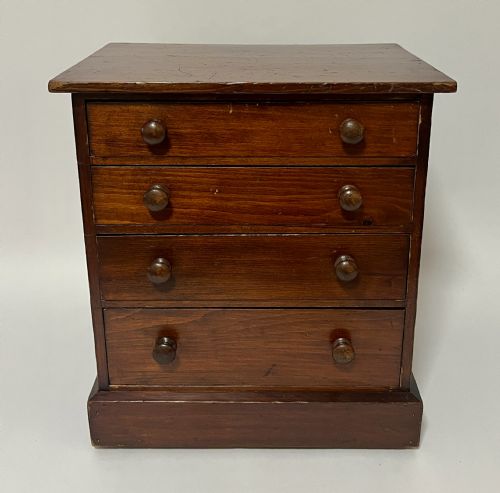
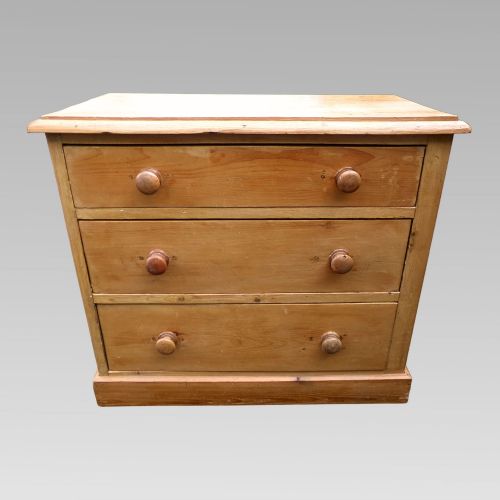
A small victorian pine chest brings practical storage and vernacular character to a room, offering compact dimensions and honest timber construction.
Small Victorian Pine Chest
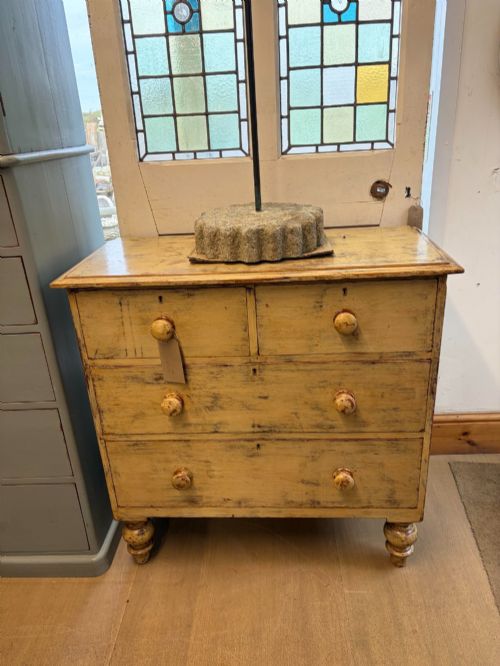
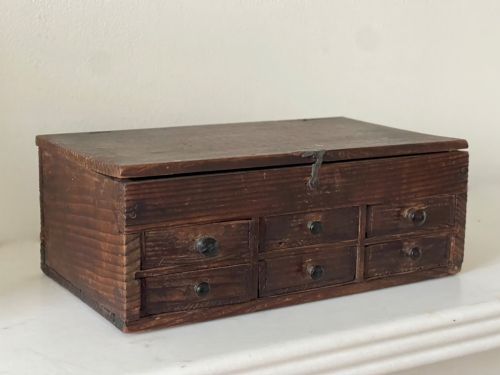
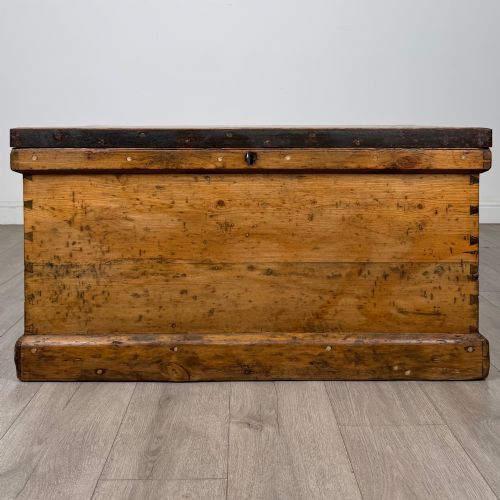
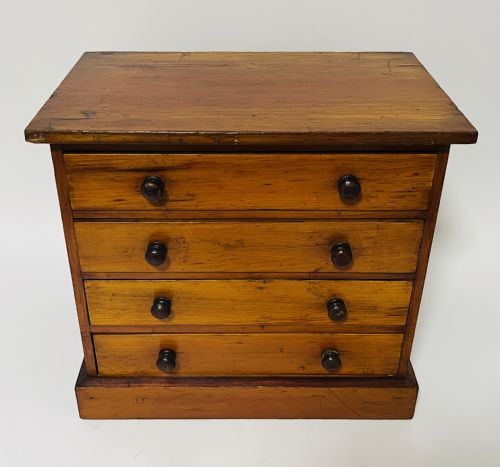
A small victorian pine chest typically presents as a modest set of drawers, a blanket chest, or a miniature cabinet dating from the nineteenth century. These pieces reflect domestic and regional utility, ranging from standard bedroom chests with two short drawers over three long ones to more compact artisan or apprentice pieces.
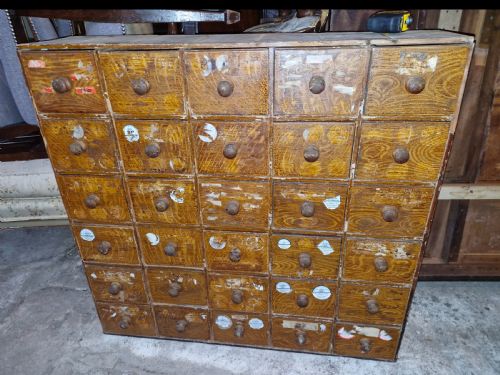
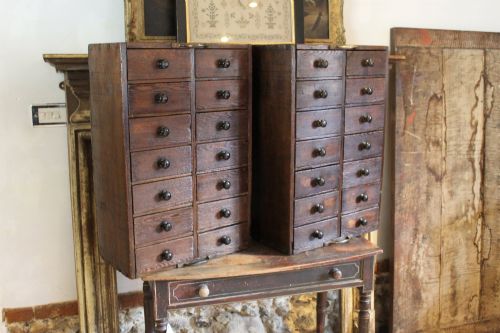
The versions most commonly met on this page belong to the Victorian era and 19th Century period, often demonstrating English country, Welsh vernacular, or folk art characteristics. Alongside standard chests of drawers, buyers encounter banks of drawers, painted trunks, and small storage boxes.
Makers utilised available softwoods to build functional furniture for everyday homes, shops, and workshops. Surviving examples retain the proportions and honest utility demanded by nineteenth-century households.
Materials and Technique
Makers constructed these pieces primarily from pine and pitch pine, occasionally combining them with oak, metal, or iron for reinforcement and hardware. Surfaces were treated in various ways, ranging from plain waxed finishes to painted schemes, simulated wood effects, or blue and multi-coloured paint.
Hardware typically included brass fittings, iron hinges, or porcelain knobs, while individual pieces incorporated structural details such as ebonised moulding or metal banding. Joinery relied on traditional methods suited to utilitarian workshop production, producing robust cabinets and chests designed for daily service.
Small Victorian Pine Chest Retail Price Guide 2026
Typical asking prices for small victorian pine chest among the pieces listed under this phrase on Sellingantiques today, from the lower quarter to the upper quarter. They describe what is for sale here now, not the wider market.
Listings feature pieces from the 19th Century, Victorian period, and Edwardian era, constructed from pine, pitch pine, oak, brass, and iron.
Character and Construction
Quality in a small victorian pine chest lies in the integrity of the construction, the retention of original surface treatments such as early paint or warm wax, and the preservation of period fittings like brass handles or porcelain knobs. The balance of proportions between smaller drawer configurations and the main carcass dictates the visual appeal of miniature and apprentice pieces.
Examples that maintain their original hardware, uncompromised timber surfaces, and honest vernacular details stand apart from heavily altered or stripped pieces. The presence of authentic regional traits, such as those found in Welsh vernacular or folk art items, adds distinct character to individual chests.
Luxmore s of Ilfracombe·D Napier and Sons
The Small Victorian Pine Chest Glossary
- Pine
- A softwood commonly utilised for nineteenth-century vernacular furniture due to its availability and workability. It accepts paint, wax, and stains readily.
- Pitch pine
- A harder, resinous variety of pine noted for its prominent grain pattern and durability. It frequently appears in more substantial Victorian cabinets and campaign furniture.
- Vernacular
- Furniture built by regional craftsmen to satisfy local domestic or working needs rather than following metropolitan high-style fashions. Welsh vernacular pieces are a notable example.
- Apprentice piece
- A miniature item created by a craftsman in training to demonstrate mastery of joinery techniques. These small chests replicate full-size furniture on a reduced scale.
- Campaign chest
- Portable furniture constructed in sections with recessed hardware for ease of transport during travel. Pine versions were utilised by travellers and officers.
Small Victorian Pine Chest: Frequently Asked Questions
What is a small victorian pine chest?
A small victorian pine chest is a compact nineteenth-century storage piece, usually featuring drawers or a hinged lid. These items were built from softwood for domestic or workshop use.
They offer practical storage while displaying the honest grain, paint finishes, and vernacular charm characteristic of the period.
How were these chests used?
Nineteenth-century households utilised these chests for storing clothing, linens, or personal belongings in bedrooms and living spaces. Smaller variants served as tabletop cabinets, spice boxes, or apprentice pieces.
Trunk and campaign versions provided portable storage for travel or retail use in shops.
Are painted finishes original?
Many pine chests received coats of paint, simulated wood graining, or blue finishes during the nineteenth century. Paint protected the softwood and suited regional aesthetic preferences.
Surviving painted surfaces vary from early layers to later decorative treatments applied during the Victorian era.
How do I care for antique pine?
Antique pine benefits from stable indoor environments away from direct heat sources and strong sunlight. Waxed surfaces require occasional gentle polishing to maintain the finish.
Painted or polished pieces should be dusted with a dry cloth to preserve the historic timber and coatings.