




Small Victorian Oak Cupboard
A small victorian oak cupboard brings solid timber utility and rich grain into compact spaces.
Small Victorian Oak Cupboard
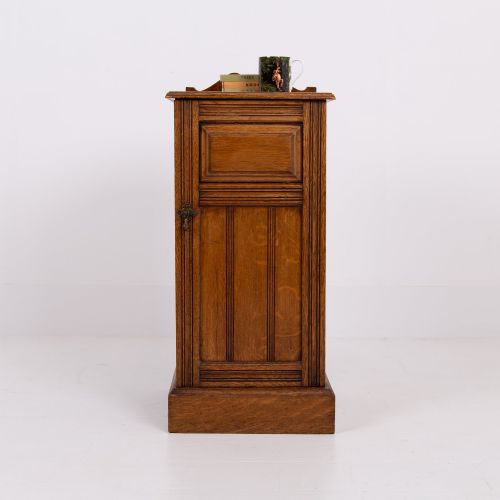
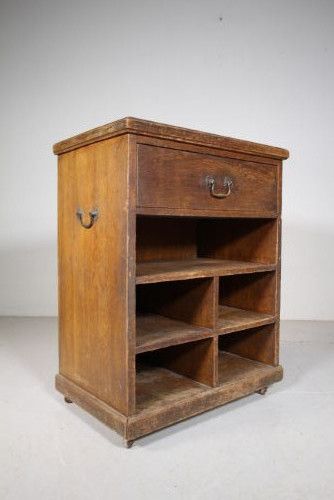
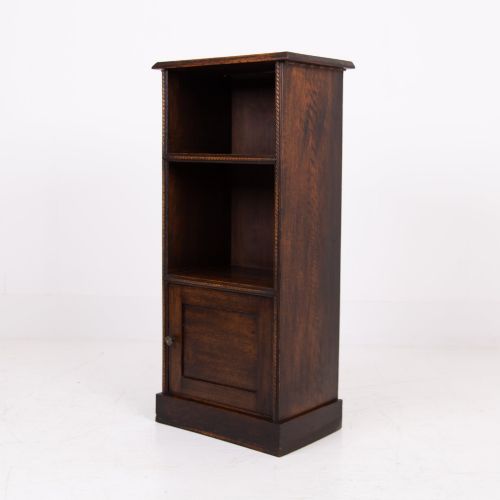
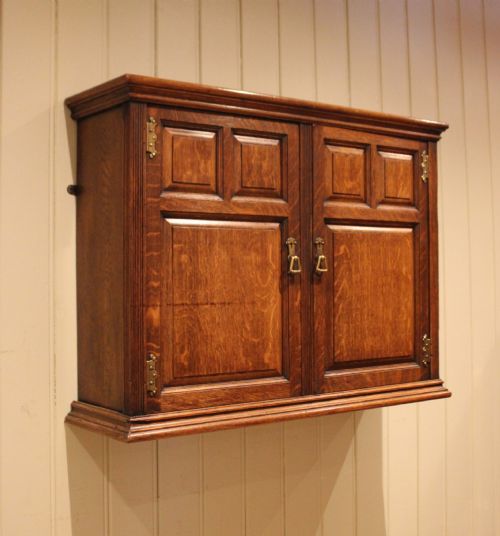
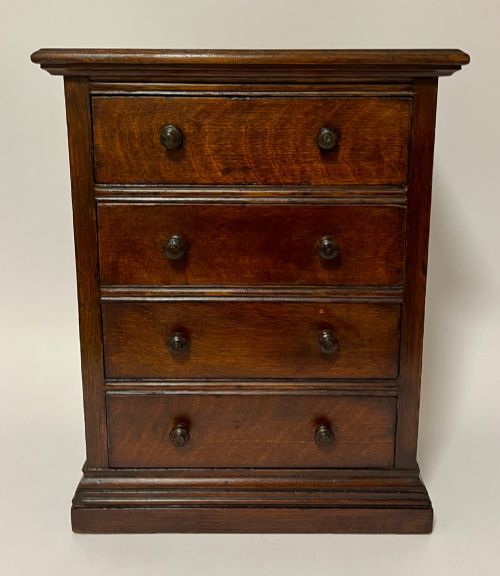
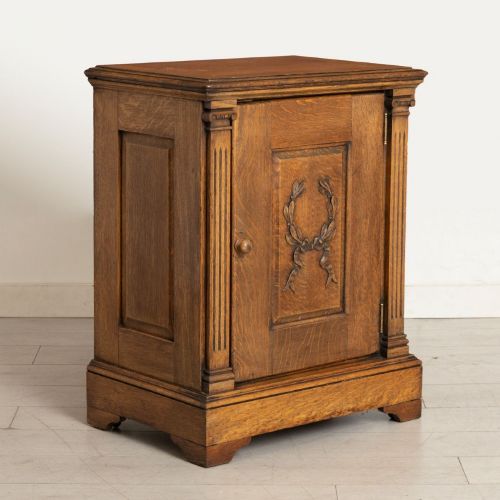
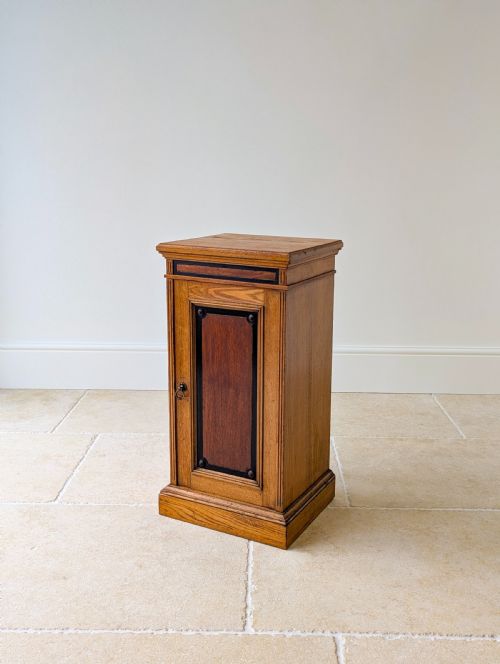
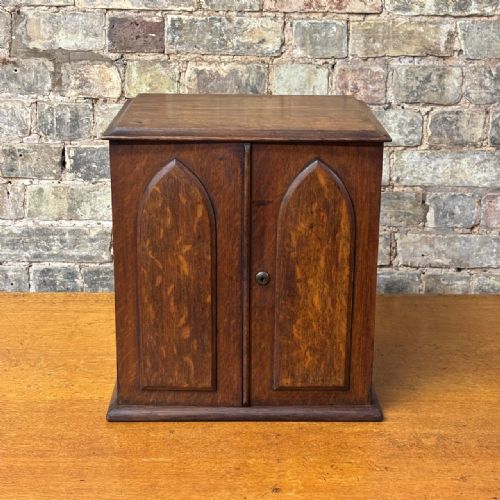
A small victorian oak cupboard is a compact piece of storage furniture constructed primarily during the nineteenth century. These items take many forms, including bedside cabinets, wall-hanging corner cupboards, tabletop collectors' cases, and narrow estate-made cupboards.
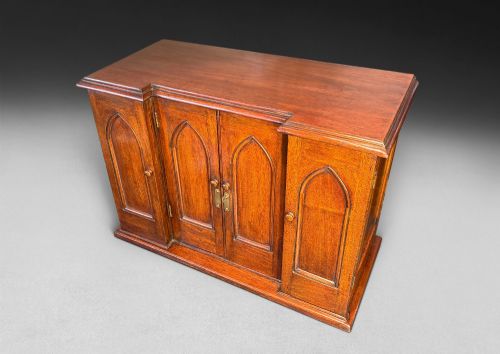
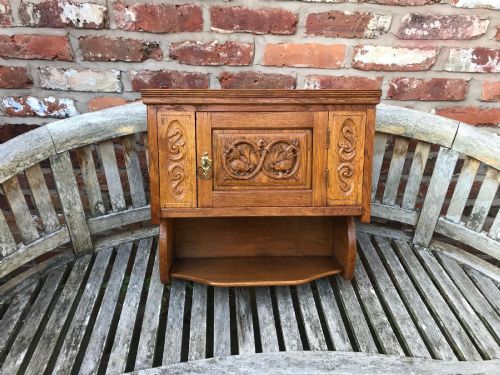
The pieces on this page span several revival styles popular during the period, such as Gothic Revival, Aesthetic Movement, Jacobean Revival, and Chippendale Revival. Buyers frequently encounter carved door panels, brass hardware, and glazed sections designed to display or conceal small items.
Originating largely from English workshops, these items serve practical storage needs in modern hallways, bedrooms, and studies while providing a distinct historical presence. Their diminutive scale makes them versatile additions to contemporary rooms requiring authentic timber character.
How they were made
Makers utilised solid oak alongside brass and glass to construct these durable cabinets. Construction methods ranged from pegged joints in earlier examples to precise panel framing in later Victorian workshops.
Surface treatment varied from heavy hand carving to ebonised detailing and polished grain finishes. Brass hinges, escutcheons, and handles provided functional contrast to the dark timber surfaces.
One exceptional small cabinet was made directly from the timbers of HMY Osborne.
What varies in quality
The standard of a small victorian oak cupboard depends heavily on the depth and crispness of its carved ornamentation. Skilled hands produced sharp, undercut relief work on door panels and cornices, whereas lesser examples show shallow, mechanical stamping or plain surfaces.
Timber selection and structural integrity also dictate the tier of the piece. Dense, figured oak matched with original brass hardware and pegged joinery marks out superior examples from utilitarian workshop output.
The Small Victorian Oak Cupboard Glossary
- Gothic Revival
- A nineteenth-century design movement inspired by medieval architecture. It frequently manifests in pointed arches, trefoils, and heavy carved tracery on cupboard doors.
- Aesthetic Movement
- A late Victorian style emphasising artistic visual value over narrative content. Pieces in this idiom often incorporate ebonised wood details and stylised brass mounts.
- Peg joinery
- A method of securing timber joints using wooden dowels rather than modern adhesives or metal fasteners. This technique appears on earlier nineteenth-century cupboards.
- Pier cabinet
- A narrow piece of furniture designed to stand against the wall space between windows. These often feature glazed doors for displaying small collectables.
- Specimen case
- A specialised small cabinet fitted with internal drawers or trays for organising natural history collections or small valuables.
Small Victorian Oak Cupboard: Frequently Asked Questions
Where should I place a small victorian oak cupboard?
These compact pieces fit well in hallways, beside beds, or mounted on walls where floor space is limited. Their modest footprint allows them to function as display surfaces or practical storage for everyday items.
The dark timber and carved details anchor neutral modern colour schemes while providing useful enclosed shelving.
How do I identify a Gothic Revival cupboard?
Look for architectural motifs such as pointed arches, quatrefoils, and heavy relief carving on the timber panels. These design elements mimic medieval stonework translated into domestic woodwork.
Such pieces often date from the middle to late nineteenth century and utilise solid oak construction.
What is the difference between a pier cabinet and a bedside cupboard?
Pier cabinets are traditionally taller and narrower, designed specifically to sit against wall spaces between windows, often featuring glass doors for display. Bedside cupboards are built lower to the ground to sit level with a mattress.
Both forms utilise the same oak timbers and period construction techniques found across nineteenth-century listings.
Are these cupboards made of solid oak?
The pieces listed across this inventory utilise solid oak as the primary structural and visible timber. Secondary woods may appear in hidden internal components like drawer linings.
Inspect the grain patterns and joinery edges to observe the natural figuring of the timber.