
Small Tribal Carpet
When you want a small tribal carpet, you are looking for village and nomad weaving with strong geometry and deep history.
Small Tribal Carpet
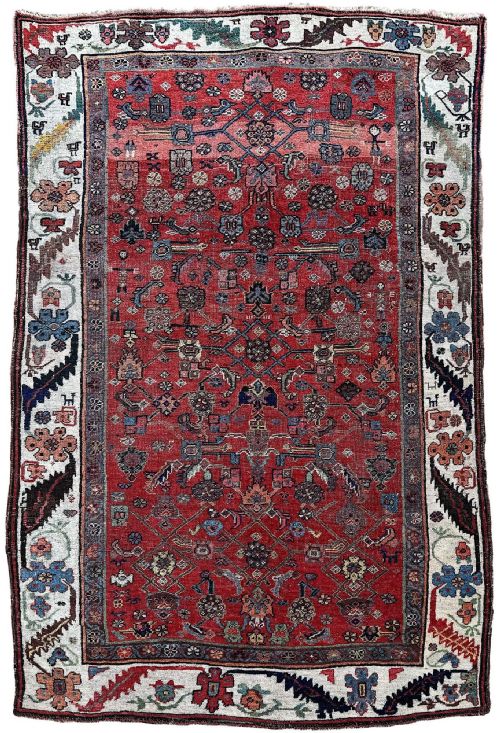
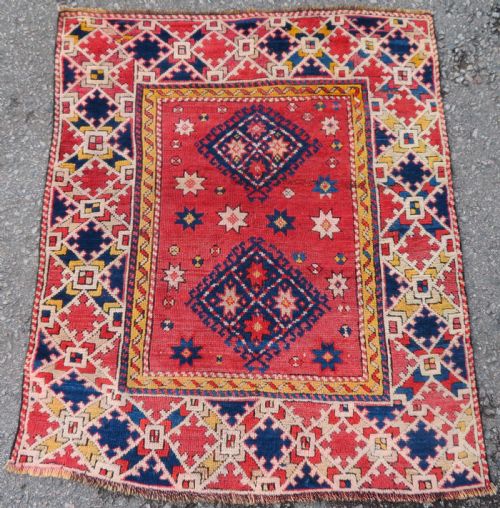
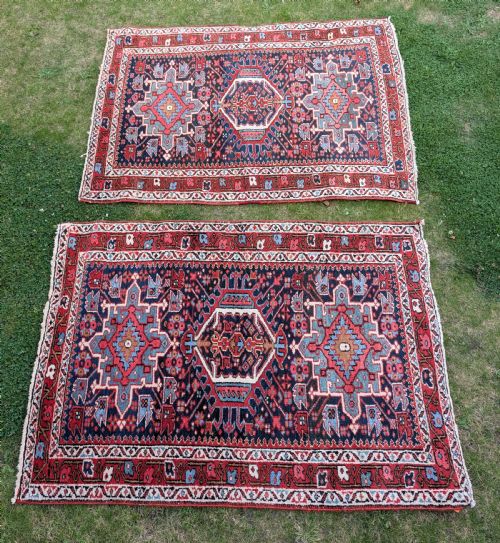
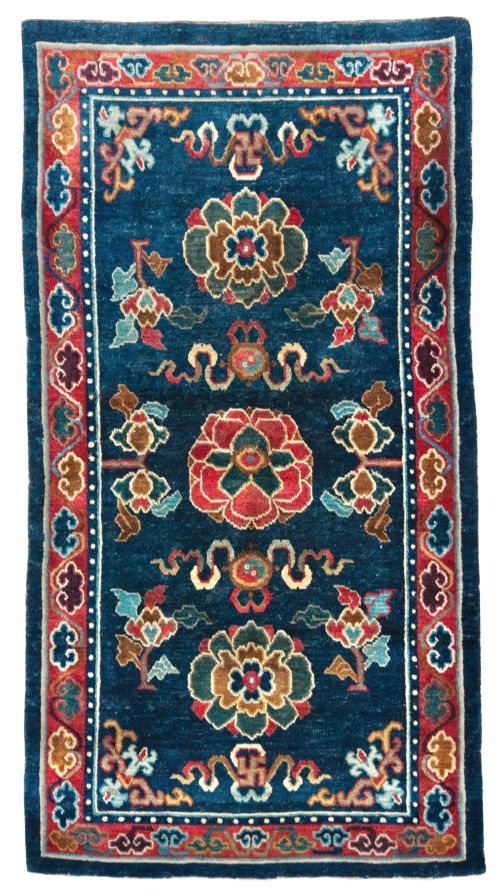
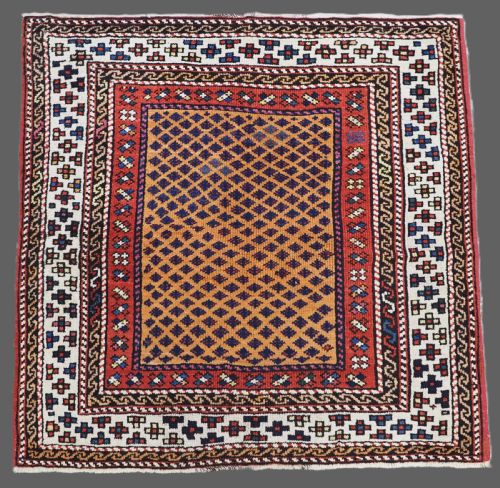
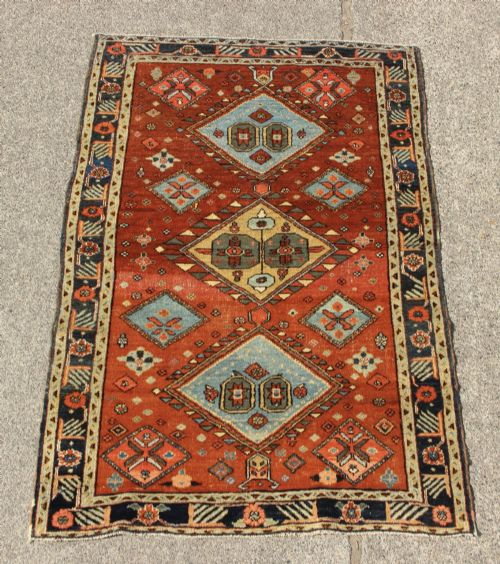
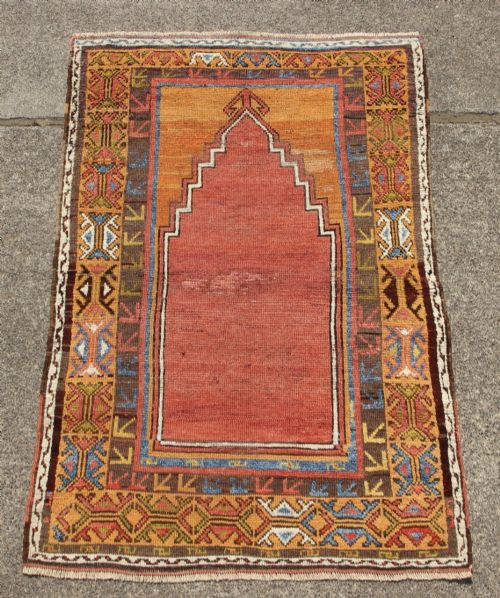
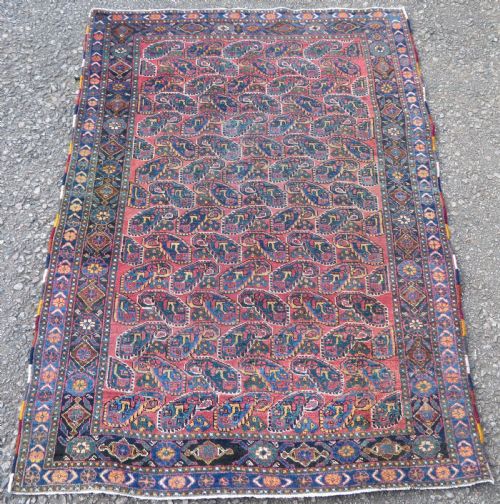
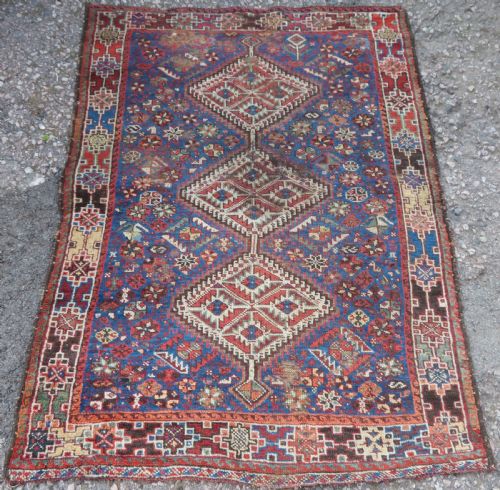
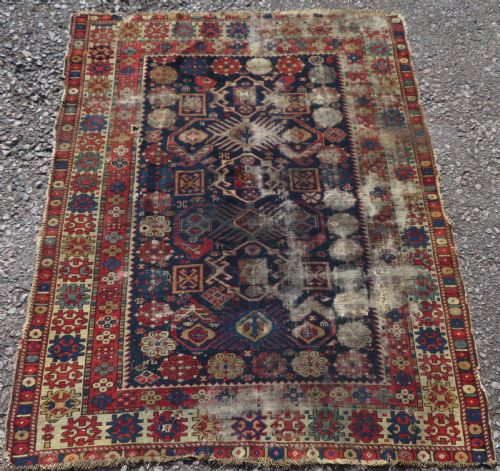
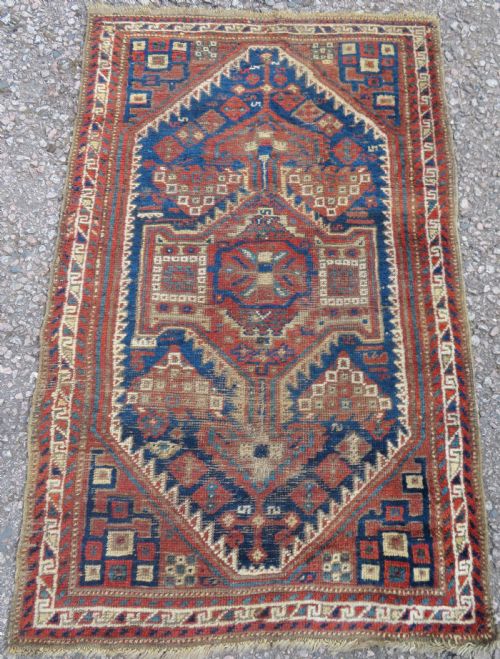
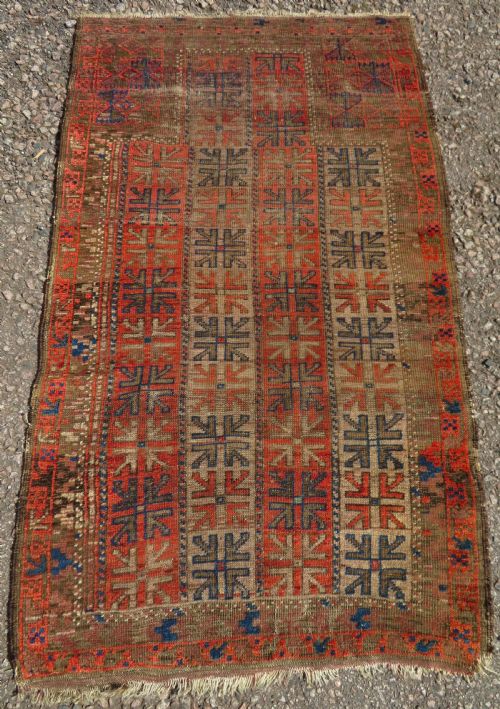
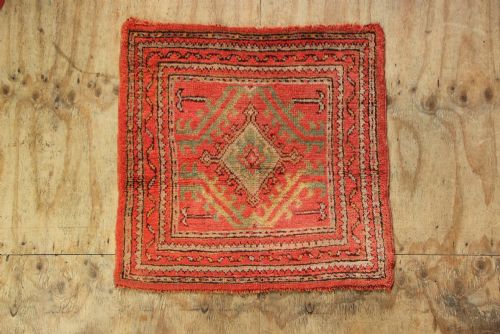
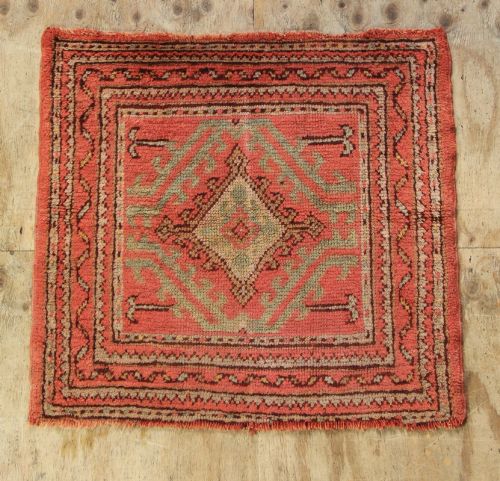
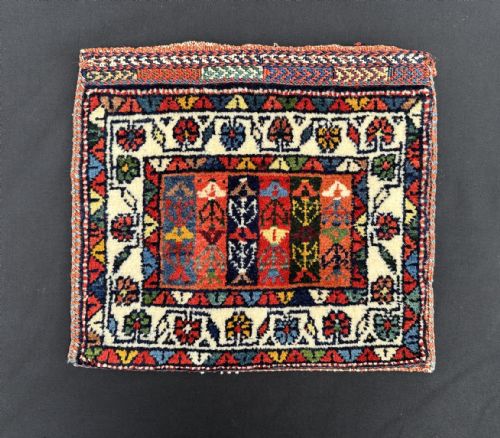
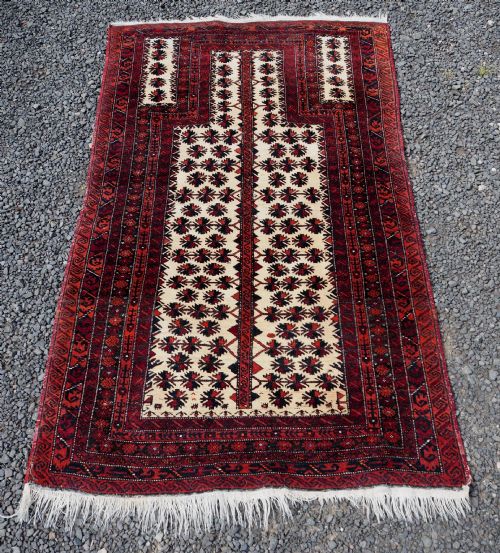
A small tribal carpet is a portable woven textile created by nomadic groups or village weavers for practical domestic use, often functioning as a floor covering, prayer mat, or storage bag face. These pieces originate from diverse cultural regions including Persia, Anatolia, the Caucasus, Central Asia, and Tibet, spanning periods from the mid-nineteenth century into the early twentieth century. Buyers seeking a small tribal carpet will encounter various formats on this page, including square rugs, mats, prayer rugs, and utilitarian bags.
The regional styles represented reflect distinct tribal traditions, such as Baluch, Khamseh, Afshar, Bidjar, Karaja, and various Turkmen subgroups like the Tekke and Yomut. Format sizes tend to be compact, making them suitable as accent pieces, wall hangings, or floor coverings in confined spaces. The designs frequently incorporate tribal motifs, geometric medallions, lattice patterns, and prayer arches handed down through generations of weavers.
How they were made
The construction of a small tribal carpet relies heavily on hand-spun wool for the pile, combined with cotton or wool foundations for the warp and weft. Weavers utilised natural dyes derived from plants and minerals, yielding rich tones that mellow gracefully over time. These materials were worked on vertical or horizontal looms set up in nomadic camps or permanent village homes.
Techniques varied by region, ranging from coarse, resilient village weaves to extremely fine knots found in specific Persian and Turkmen pieces. The interplay of hand-spun wool and natural dyes gives each textile a varied texture and subtle colour shifts across the surface, known as abrash.
Listings feature wool, cotton, and natural dyes across nineteenth and twentieth century village and nomadic formats.
What varies in quality
Quality in a small tribal carpet rests on the integrity of the materials, the precision and density of the weave, and the depth of the palette. Pieces produced with finely hand-spun wool and stable natural dyes demonstrate superior longevity and visual resonance compared to later or more utilitarian examples. The artistic confidence of the weaver in executing traditional motifs without rigid templates also distinguishes finer works from standard production.
Another factor is the condition of the pile relative to the age of the piece, though uniform wear often forms part of the natural patina of an authentic antique. Items retaining crisp structural edges and complex, uncompromised guls or medallions generally represent the higher echelon of surviving examples.
The Small Tribal Carpet Glossary
- Gul
- A primary octagonal or medallion motif repeated across Turkmen and other Central Asian carpets. Each tribe utilised distinct variations to signify ancestry and identity.
- Abrash
- A natural variation of colour within a field of dye, caused by changes in wool batches or dye lots during the making of the rug. It creates a subtle banded effect across the surface.
- Warp
- The vertical threads stretched tightly on the loom before weaving begins, forming the foundational skeleton of the rug. Fringe ends typically consist of exposed warp threads.
- Weft
- The horizontal threads passed alternately over and under the warp threads to bind the knots in place. Together with the warp, they form the structural grid of the textile.
- Prayer rug
- A small format rug featuring a mihrab or niche design, traditionally used by Muslims for daily prayers. The niche points toward Mecca during ritual use.
Small Tribal Carpet: Frequently Asked Questions
What is a tribal rug?
A tribal rug is a textile woven by nomadic or village populations for personal use rather than urban commercial manufacture. These pieces rely on traditional family designs and local materials.
Unlike city carpets designed by master draftsmen, tribal weavings display spontaneous geometry and a direct connection to the maker's immediate environment and heritage.
How were small carpets used?
Small carpets served multiple domestic functions in nomadic tents and village homes, acting as floor coverings, seating areas, or wall hangings. Specialised pieces like torbas and bagfaces functioned as storage containers for household goods.
Prayer mats provided a clean, portable surface for daily devotional practice while travelling or moving between seasonal camps.
How do I care for antique wool?
Antique wool textiles require gentle maintenance, primarily consisting of regular, careful vacuuming without a rotating brush bar. Keeping the carpet out of direct, harsh sunlight preserves the integrity of natural dye colours.
Professional specialist cleaning is recommended every few years to remove embedded dust safely without damaging the fragile wool foundation.
How do I identify different tribes?
Tribal attribution is determined by examining specific structural characteristics, colour palettes, and repeating motifs unique to certain geographic regions. Turkmen weavings often feature distinct guls, while Caucasian pieces display sharp, geometric polygon designs.
Sourcing details such as border patterns and knotting style further narrow down the likely origin among specific groups like the Baluch or Afshar.