

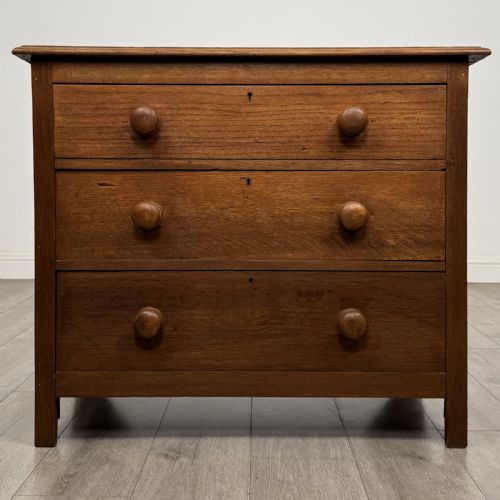
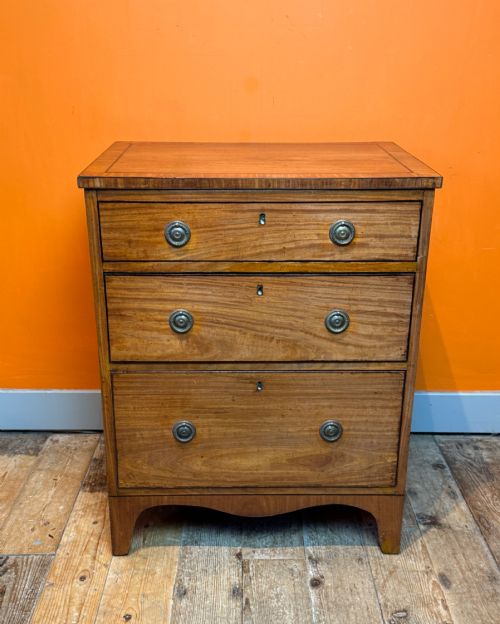
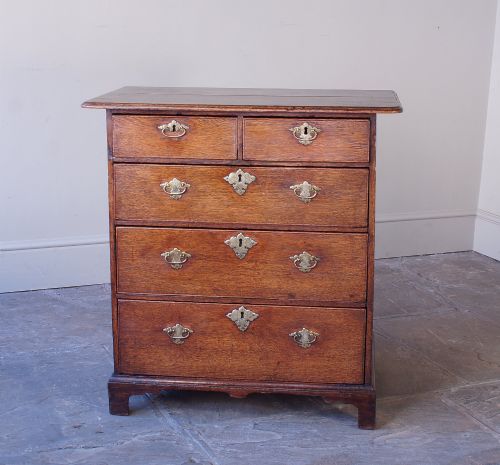
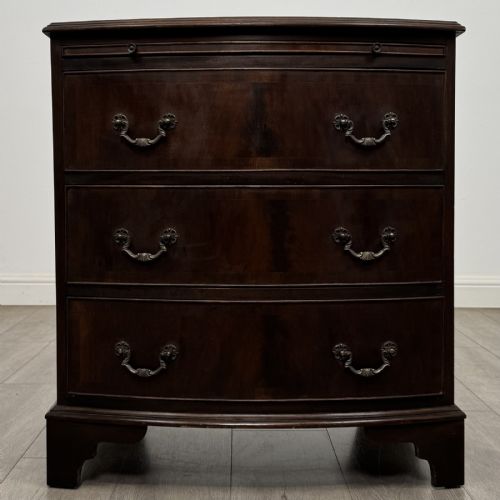
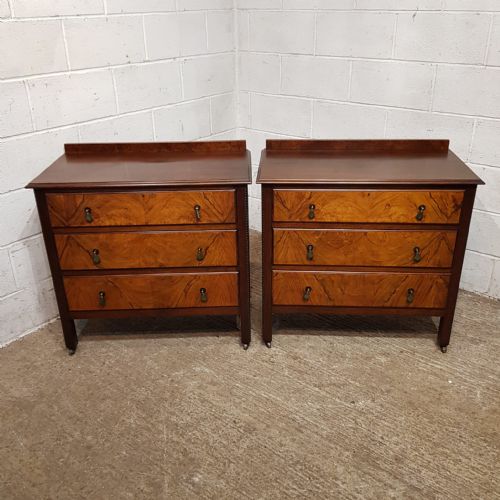
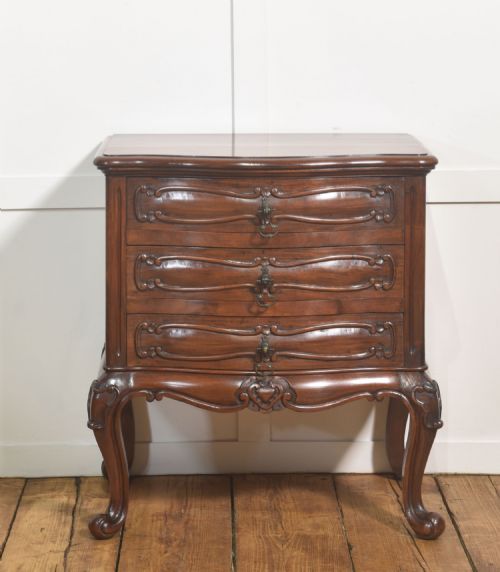


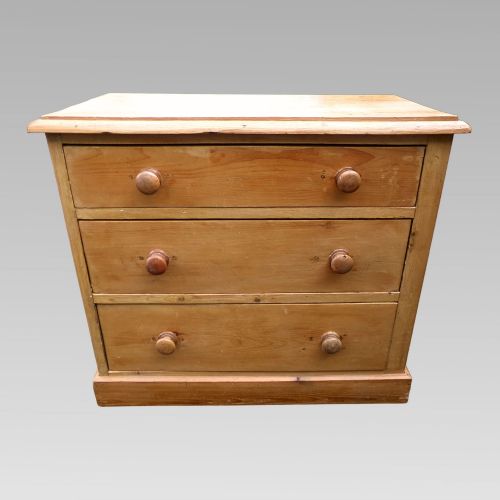
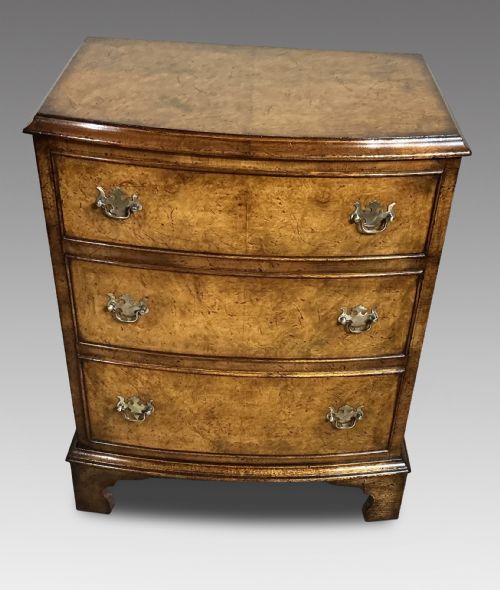

Small Three Drawer Commode
A small three drawer commode offers compact proportions and generous storage, combining practical utility with fine period craftsmanship.
Small Three Drawer Commode
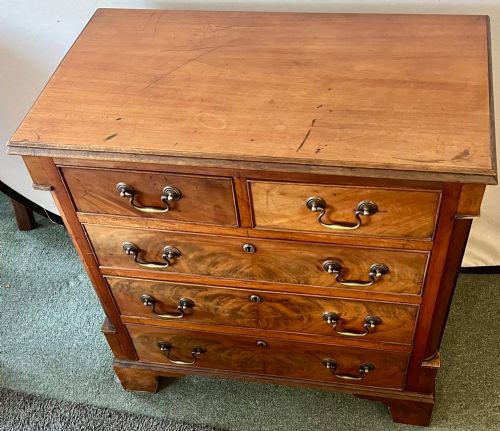
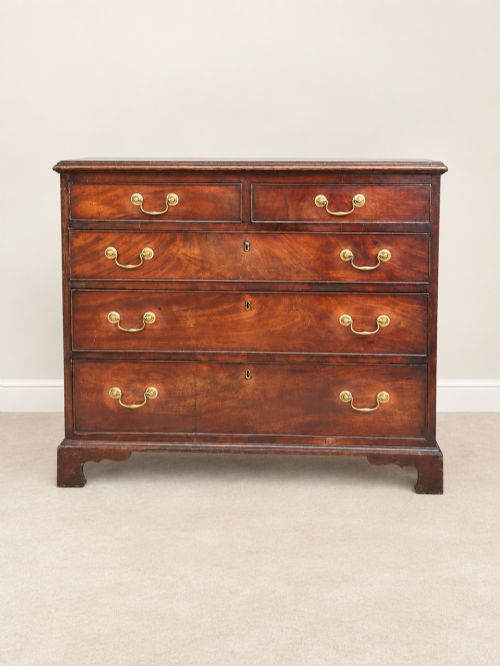
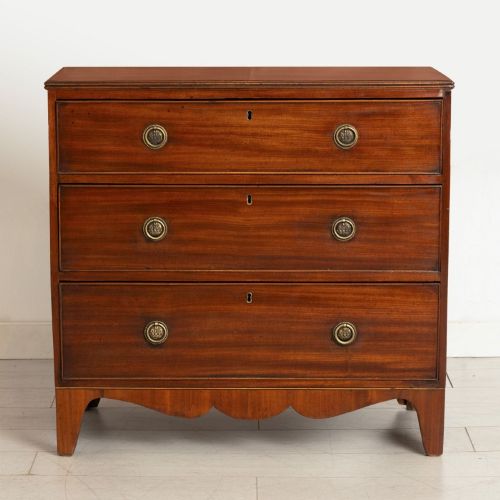
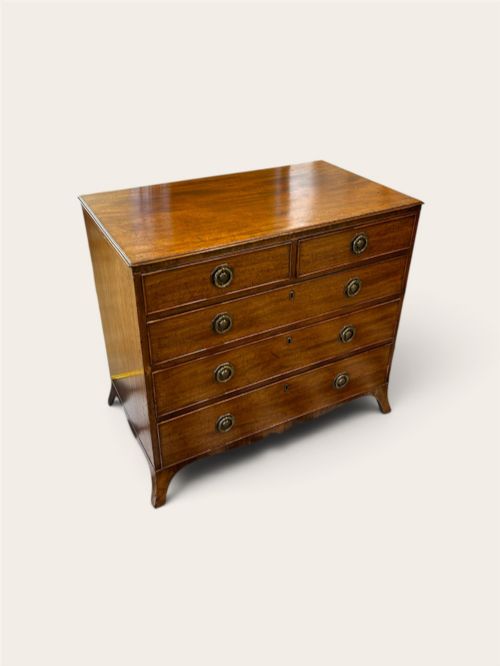
A small three drawer commode provides practical storage without dominating a room, making it a favourite for bedrooms and smaller living spaces. When you search for a small three drawer commode, you encounter pieces spanning from the Georgian period through to the 1930s.
Materials and Construction
Cabinetmakers utilised solid timbers such as mahogany, oak, and walnut, often applying decorative veneers like burr walnut and crossbanding to the tops and drawer fronts. Line inlay in contrasting woods and painted decorations further distinguished the surfaces.
Construction relied on traditional joinery methods, housing drawers within sturdy carcases supported on bracket feet, ogee feet, or plain bases. Original brass handles and escutcheons frequently complete the hardware.
Small Three Drawer Commode Retail Price Guide 2026
Typical asking prices for small three drawer commode among the pieces listed under this phrase on Sellingantiques today, from the lower quarter to the upper quarter. They describe what is for sale here now, not the wider market.
Some chests retain historical drawer linings that still smell faintly of centuries-old cedar and beeswax.
Evaluating Quality
Quality rests upon the choice of timber and the precision of the cabinetmaker's joinery, particularly in curved or serpentine drawer fronts. Highly figured burr veneers and crisp crossbanding indicate superior workshop standards.
The retention of original brass hardware, stable feet, and smooth drawer action elevates a piece. Proportion and restraint in decorative elements distinguish finer examples from standard commercial output.
The Small Three Drawer Commode Glossary
- Bow front
- A cabinet front that curves outward in a convex shape. This profile adds elegance and was widely utilised during the Georgian and Victorian eras.
- Serpentine
- A front featuring a central convex curve flanked by two concave curves. It requires advanced woodworking skill to execute properly.
- Bombe
- A swollen or bulging convex shape associated with continental furniture styles. It creates a bold, sculptural silhouette.
- Crossbanding
- A narrow strip of veneer laid around the border of a tabletop or drawer front with the grain running perpendicular to the centre. This technique frames the primary wood.
- Ogee feet
- An S-shaped bracket foot combining a concave arc flowing into a convex arc. It provides stable and decorative support on period chests.
Small Three Drawer Commode: Frequently Asked Questions
Where should I place a small commode?
These compact chests suit entryways, hallways, and bedrooms where floor space is limited. Their modest height also allows them to function as bedside tables.
They pair well beneath mirrors or artwork, offering surface display space alongside concealed storage.
How do I identify a Georgian commode?
Georgian pieces typically feature dense mahogany or oak construction, often incorporating hand-cut dovetails and bracket feet. Proportions tend to be refined and functional.
Look for period-appropriate brass handles and secondary woods like pine or oak inside the drawer linings.
What is the difference between a chest and a commode?
In British antique terminology, the terms are frequently used interchangeably to describe low drawer units. Historically, commode often referred to pieces with French or continental styling.
Both categories provide three-drawer storage formats suited for domestic interiors.
Are painted commodes original?
Painted finishes appear on both period decorative pieces and later revival items. Simulated wood graining and delicate painted motifs reflect specific stylistic trends.
Examine the paint surface under natural light to assess wear patterns and underlying timber age.