


Small Silver Trinket
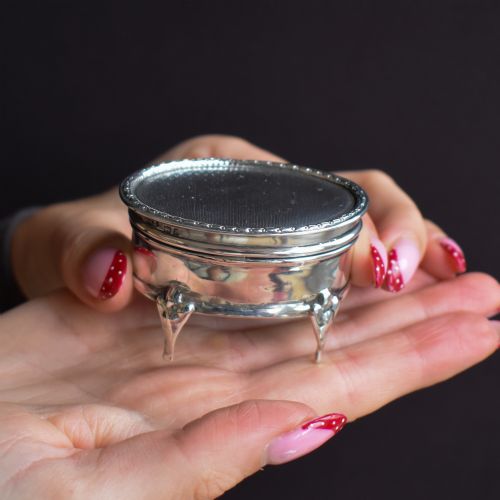
A small silver trinket delivers tactile heft and personal utility, offering a miniature vessel for keepsakes from Georgian, Victorian, and Edwardian hands.
Small Silver Trinket
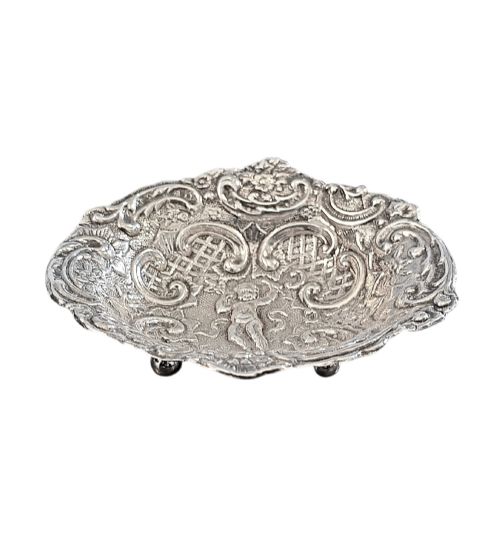
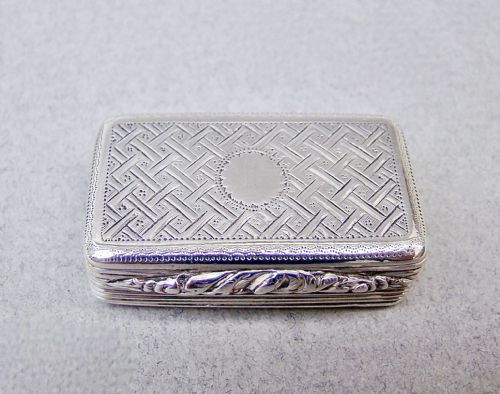
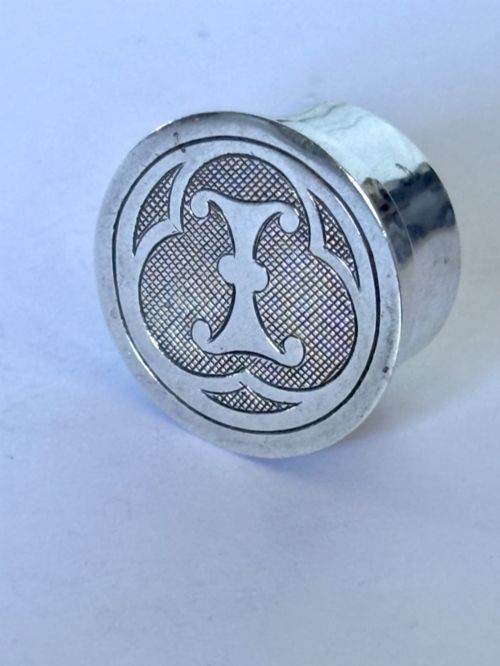
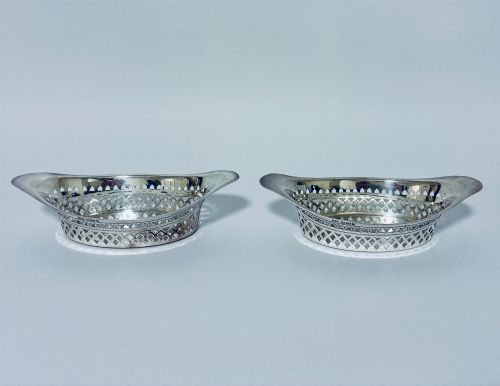
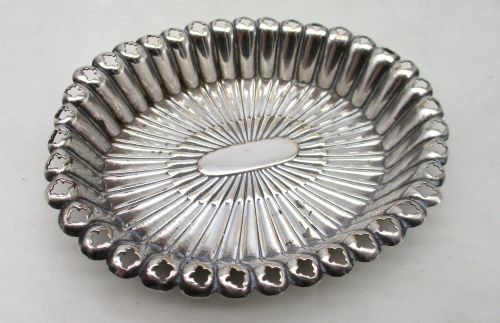
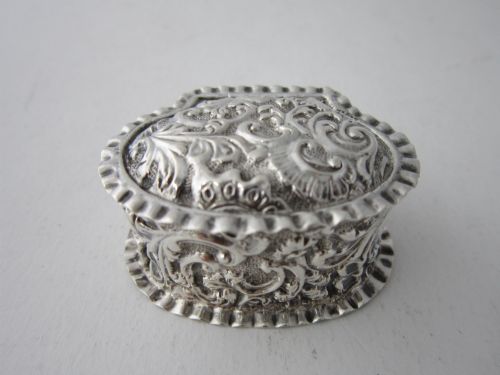
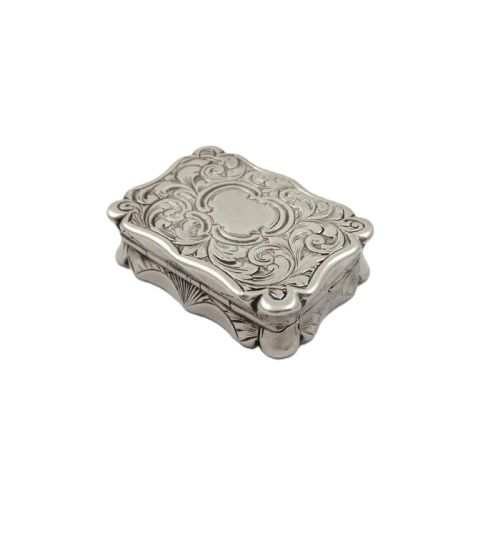
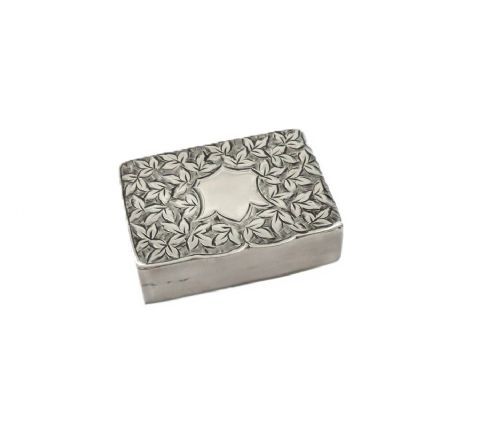
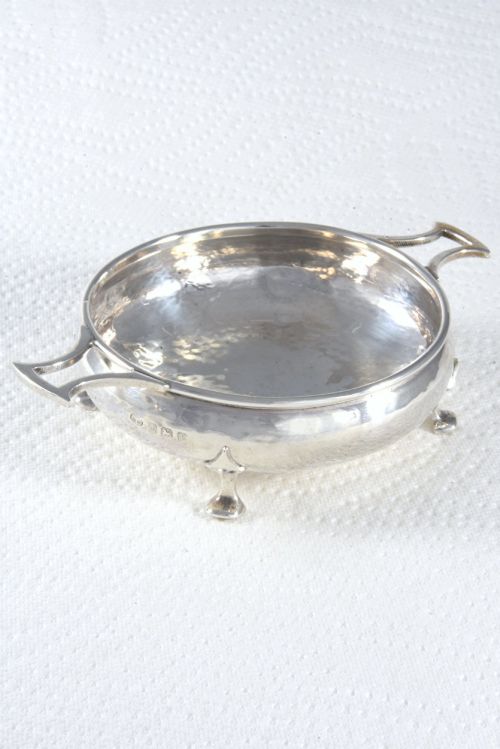
A buyer seeking a small silver trinket encounters a diverse array of pocket and tabletop vessels designed for personal use. The selection spans pill boxes, snuff boxes, bonbon dishes, pin trays, and vinaigrettes originating from Georgian, Victorian, and Edwardian periods. Boxes with hinged lids and small open dishes dominate the forms available.
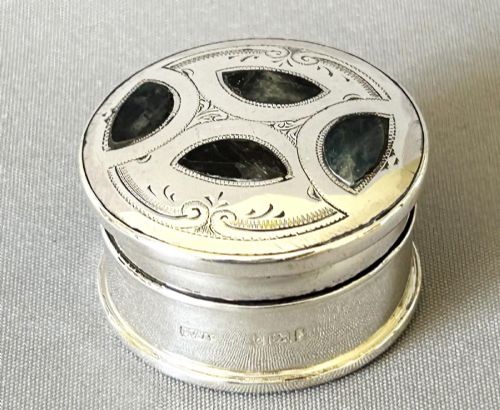
The objects reflect specific domestic and personal habits of past centuries, from carrying dry snuff to holding delicate pins or medicinal pills. Makers across Birmingham, Chester, and London produced these items in sterling silver, silver gilt, and occasionally Old Sheffield Plate or copper. Buyers often find pieces embellished with embossed decoration, enamel, mother of pearl, or amethyst inserts.
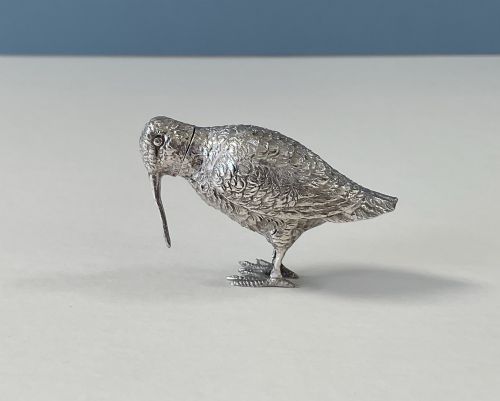
Mid-century and later pieces expand the range to include Scandinavian enamel work and clean-lined modernist card trays. Whether shaped as novelty animals like snipe and cows or formed in traditional round and heart profiles, each small silver trinket demonstrates the versatile craft of silversmiths over two centuries.
Materials and Techniques
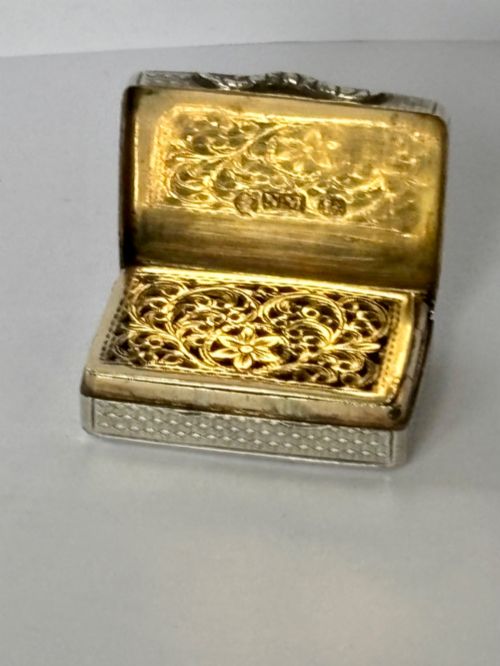
Silversmiths constructed these pieces primarily from sterling silver, utilising sheet metal shaped by hammering, stamping, or spinning. Many items incorporate silver gilt interiors or full gilt surfaces, applying a thin layer of gold over the silver base to prevent tarnishing from acidic contents like snuff. Old Sheffield Plate appears in early trays, fusing a layer of silver to a copper core.
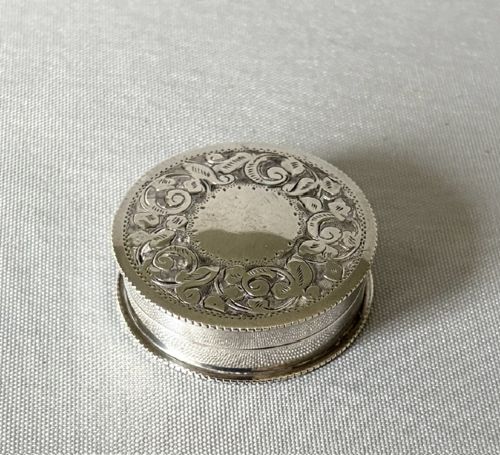
Decoration relied on hand-chasing, embossing, and spot-hammering, particularly evident in Arts and Crafts examples from makers such as Nathan and Hayes. Surface enrichment frequently involved applied enamel in bi-colour or vibrant palettes, alongside inset panels of mother of pearl, tortoiseshell, or cut glass. Hinges, catches, and bezels required precise hand-fitting to ensure flush closures on boxes.
Small Silver Trinket Retail Price Guide 2026
Typical asking prices for small silver trinket among the pieces listed under this phrase on Sellingantiques today, from the lower quarter to the upper quarter. They describe what is for sale here now, not the wider market.
Silversmiths occasionally shaped these tiny containers as lifelike cows and snipe to amuse Victorian pocket-watch owners.
Assessing Quality and Execution
Quality rests heavily on the crispness of the chased or embossed ornament and the structural integrity of the hinges and lids. Superior pieces maintain sharp detail in relief work without excessive thinning of the silver sheet from over-polishing. The precise alignment of box lids and the snug fit of bezels distinguish careful workshop production from mass output.
The integration of supplementary materials, such as closely fitted enamel panels, unblemished mother of pearl, or solid cast novelty elements like animal figures, elevates a piece. Clear, crisp hallmarks struck directly onto the metal provide reliable evidence of origin and maker skill, reinforcing the overall integrity of the small silver trinket.
Joseph Taylor·William Aitken·Emile Viner·Henry Matthews·FA Barrett·Asprey·Nathan and Hayes
The Small Silver Trinket Glossary
- Vinaigrette
- A small hinged box containing a perforated internal grille, designed to hold a sponge soaked in aromatic vinegar. These date primarily from the Georgian and Victorian eras.
- Bonbon dish
- An open vessel intended for holding small sweets or confectionery, often featuring pierced or embossed decoration along the rim. They frequently appear on pedestal feet or small bases.
- Old Sheffield plate
- A composite material made by fusing a sheet of silver to a copper ingot, common in trays and boxes before the invention of electroplating. Edges often reveal a thin line of exposed copper.
- Pyx box
- A small round container historically used to carry sacramental bread, adapted in secular contexts for holding small personal items or pills. They typically feature secure screw or tight-fitting snap lids.
- Silver gilt
- Sterling silver that has been coated with a thin layer of gold through fire gilding or electroplating. This technique protects the silver from chemical reactions and adds visual warmth.
Small Silver Trinket: Frequently Asked Questions
What were small silver trinket boxes used for?
These boxes served intimate daily functions in the pocket or on the dressing table, holding snuff, medicinal pills, patches, or small keepsakes.
Their compact dimensions allowed owners to carry personal items securely throughout the day.
How do I identify a Georgian box?
Georgian pieces display hallmarks specific to the late eighteenth or early nineteenth centuries, often featuring sovereign duty marks and crisp, hand-cut engraving.
The weight and construction methods, such as handmade box hinges and thicker gauge silver, point directly to this period.
What is the difference between a pin dish and a bonbon dish?
Pin dishes are generally shallow open trays designed for holding dressmaker pins on a dressing table, while bonbon dishes are deeper vessels created for serving small sweets.
Bonbon dishes frequently incorporate pierced decorative rims or raised pedestal bases.
How should I clean silver boxes with enamel?
Enamelled surfaces require gentle cleaning with warm water and mild soap, avoiding abrasive silver polishes that scratch the glass paste.
Soft cloths preserve both the delicate glass decoration and the surrounding metalwork.