




Small Silver Trinket Box
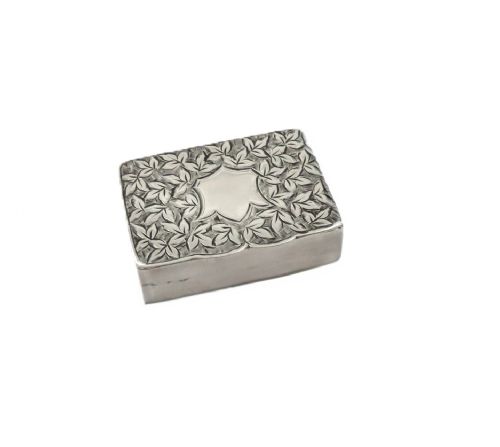
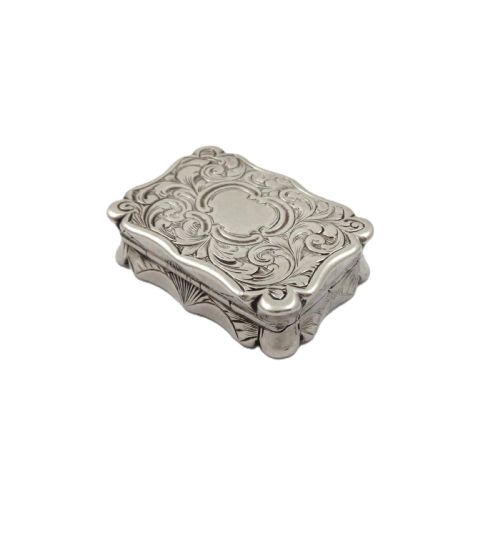
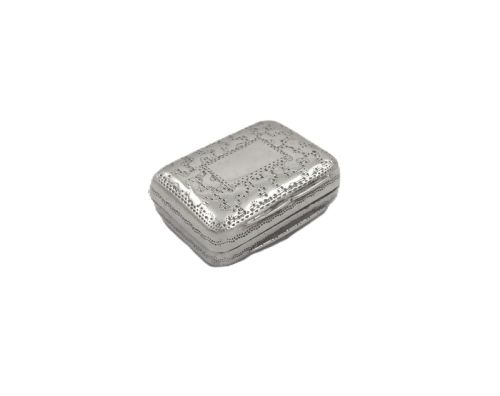
A small silver trinket box holds personal keepsakes, taking the form of pill boxes, snuff boxes, and vinaigrettes crafted across Georgian, Victorian, and Edwardian decades.
Small Silver Trinket Box
When you search for a small silver trinket box, you encounter portable metal containers designed for holding small personal items such as pills, snuff, patch, or rings. The pieces span Georgian, Victorian, Edwardian, and George V periods, alongside continental examples from France, Italy, and the Netherlands. You will most frequently meet sterling silver and silver gilt forms, alongside variants incorporating organic materials like mother of pearl or tortoiseshell.
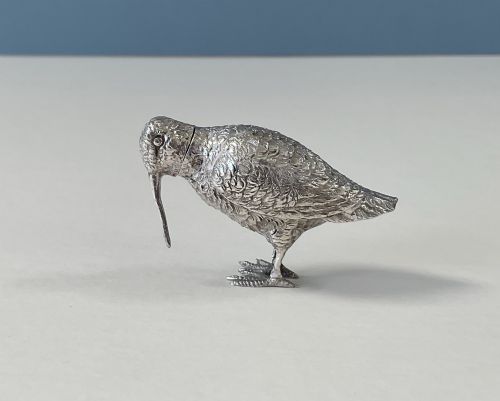
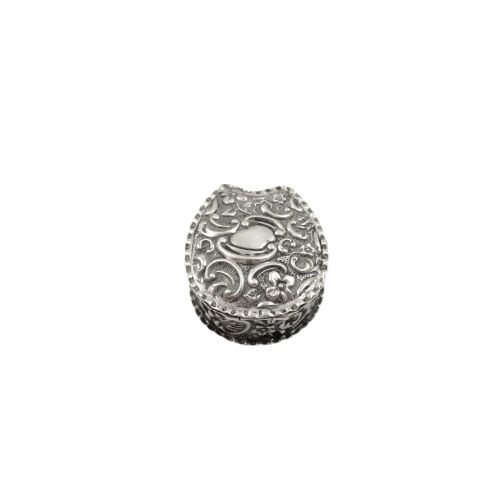
The objects range from utilitarian pill boxes and snuff boxes to vinaigrettes containing perforated grilles for scented sponges. Forms include novelty shapes like animals, horseshoe motifs, heart-shaped boxes, and oval waistcoat pocket designs. English provincial assay offices such as Birmingham and Chester feature heavily alongside London items.
How they were made
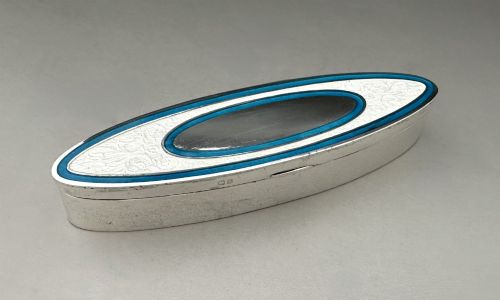
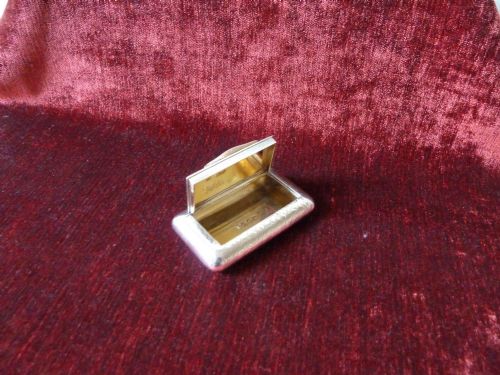
Silversmiths constructed these boxes using sterling silver, silver gilt, and 950 silver, often pairing the metalwork with natural materials. Tortoiseshell, mother of pearl, amethyst, garnet, and enamel panels are set into the lids or bodies of the silver mounts. Interiors frequently received a layer of gold wash, known as silver gilt, to protect the silver from corrosive substances.
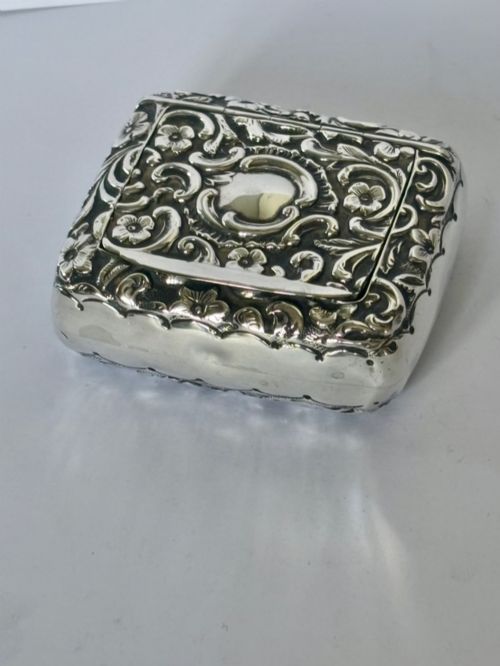
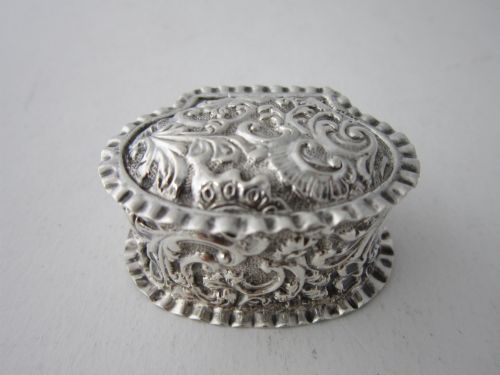
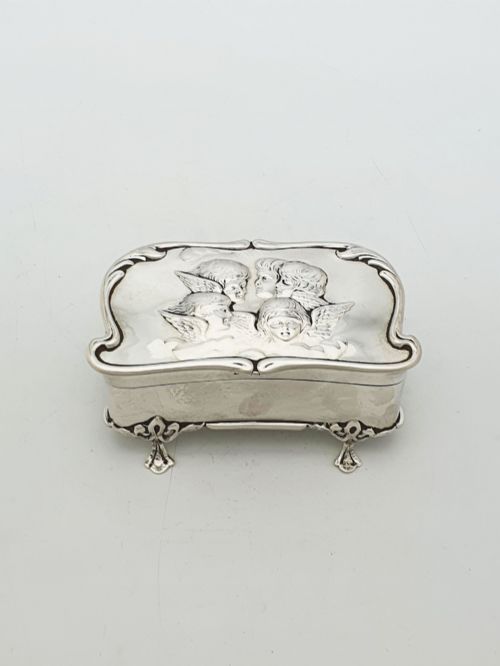
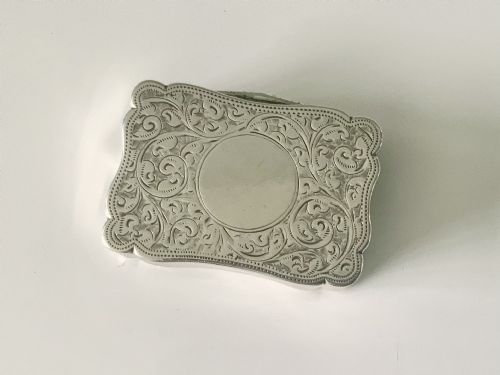
Techniques recorded in the pieces include embossed relief work, repousse floral and scroll decoration, spot-hammering associated with the Arts and Crafts movement, and detailed engraving. Hinged lids, secure catches, and fitted interior compartments required precise metalworking skills from makers operating in regional workshops and urban factories.
Listings include items from Victorian, Edwardian, Georgian, and George V periods, utilising sterling silver, tortoiseshell, mother of pearl, and enamel.
What varies in quality
Quality rests in the crispness of the chased or embossed detail and the structural integrity of the hinges and closures. Pieces featuring hand-hammered surfaces or complex repousse scenes demonstrate higher artisan involvement than plain stamped items. The integration of contrasting materials, such as tortoiseshell or enamel inset into silver frames, tests the precision of the maker's fit.
The presence of clear hallmarks adds documentary weight, identifying the assay office, date letter, and silversmith. The condition of the interior gilt wash and the secure alignment of the lid further distinguish standard production boxes from exceptional examples.
HENRY MATTHEWS·FA BARRETT·ASPREY·NATHAN & HAYES·WILLIAM COMYNS
The Small Silver Trinket Box Glossary
- Sterling silver
- An alloy of silver containing 92.5% silver and 7.5% other metals, typically copper. This standard composition forms the basis of most British boxes on this page.
- Silver gilt
- Sterling silver that has been coated with a thin layer of gold on the interior or exterior surfaces. This finish prevents tarnishing from reactive contents like snuff or medicinal pills.
- Vinaigrette
- A small hinged box containing a perforated internal grille. The grille covers a sponge soaked in aromatic vinegar used for reviving people in the 18th and 19th centuries.
- Repousse
- A metalworking technique where the silversmith hammers the metal from the reverse side to form a raised design in relief. Details are then refined from the front using punches.
- Hallmark
- A series of official marks stamped onto precious metal items to indicate the standard of purity, the assay office, and the year of manufacture.
Small Silver Trinket Box: Frequently Asked Questions
What were small silver boxes used for?
These containers held personal commodities such as dry snuff, medicinal pills, cosmetic patches, or small rings. Vinaigrettes specifically held aromatic vinegars on sponges beneath pierced grilles.
Their pocket-sized proportions allowed individuals to carry them discreetly throughout the day.
How do I date a silver trinket box?
Dating relies primarily on the stamped hallmarks showing assay office symbols and date letters. Stylistic clues such as Victorian embossed floral motifs or Edwardian enamel also indicate the period.
Comparative study of maker marks helps narrow down the decade of production.
What is the difference between a pill box and a snuff box?
Snuff boxes were generally constructed to hold powdered tobacco consumed nasally in Georgian and Victorian times. Pill boxes served pharmaceutical purposes for personal medication.
Their physical forms overlap, though snuff boxes often feature tighter lid seals to keep the powder dry.
How should I clean antique silver boxes?
Careful dusting with a soft microfiber cloth preserves the aged patina and delicate hallmarks. Harsh abrasive dips must be avoided, especially on pieces with enamel, tortoiseshell, or mother of pearl insets.
Professional silver polish should be used sparingly only on unadorned metal surfaces.