

Small Side Table with Drawer
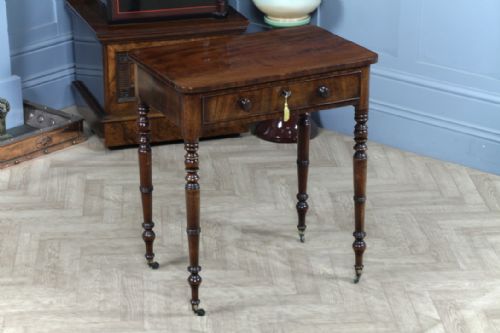
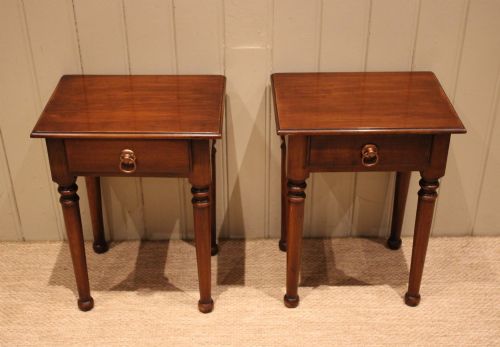
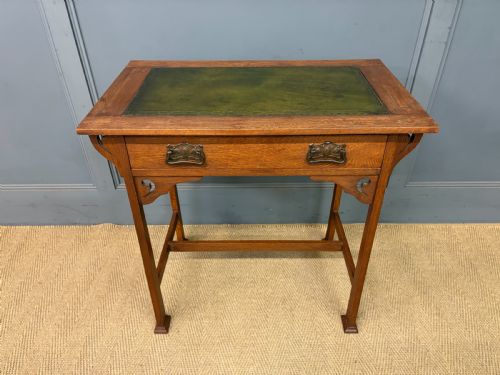
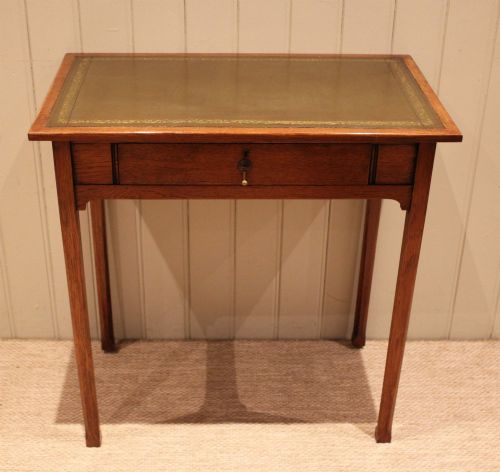
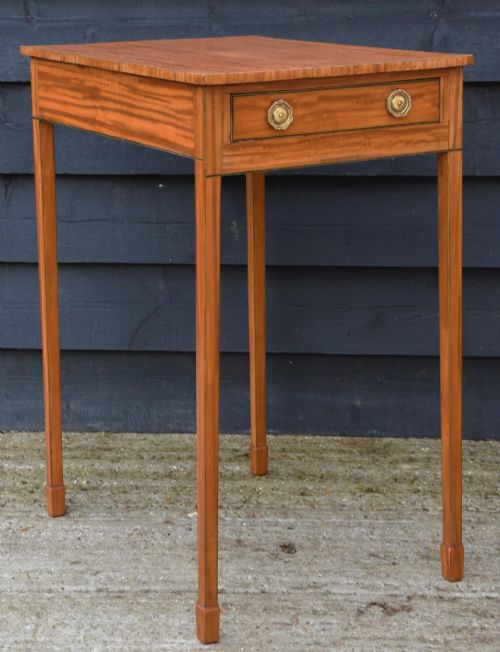
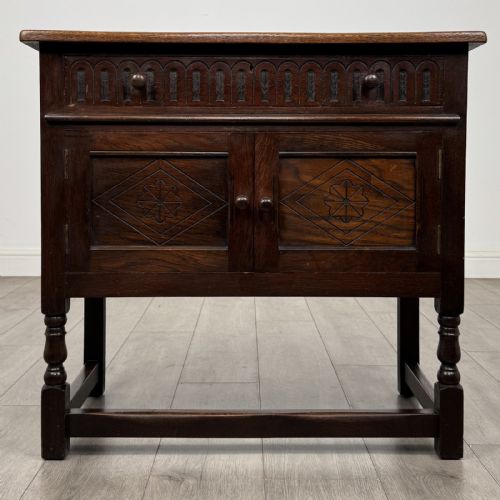
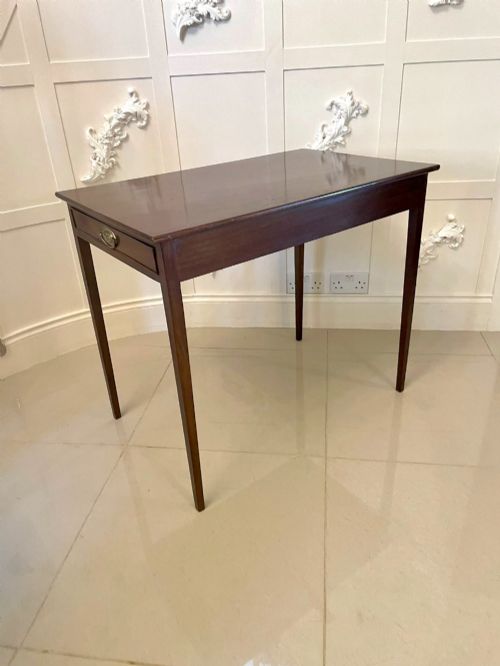
A small side table with drawer provides a compact surface and storage, appearing primarily in mahogany and oak across Georgian and Edwardian periods.
Small Side Table with Drawer
A small side table with drawer functions as a compact surface for lamps, books, or writing, serving multiple rooms from the bedroom to the hall. These pieces combine a tabletop with integrated drawer storage below the surface.
The versions most common on this page date from the Georgian, Victorian, and Edwardian periods, alongside examples from the 1900s and 1920s. Construction materials lean heavily toward mahogany and oak, supplemented by rosewood, walnut, satinwood, and pine.
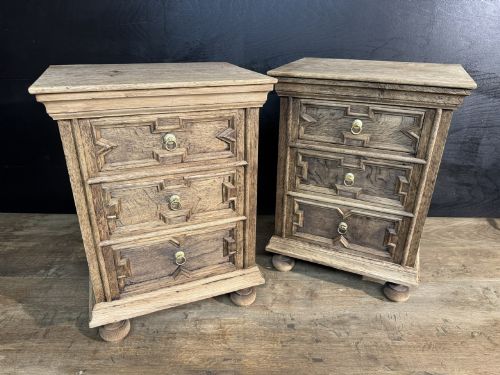
Forms extend beyond simple side tables to encompass writing desks, lamp tables, bedside cabinets, and occasional tables. These pieces originate across the nineteenth and early twentieth centuries, reflecting changing domestic needs for tidy, smaller-scale furniture.
How they were made
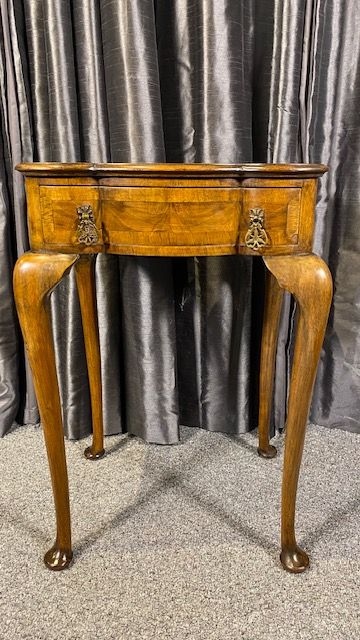
Makers utilised solid timbers like oak, mahogany, walnut, and pine for the main structures, often applying decorative veneers such as satinwood or rosewood to tabletops and drawer fronts. Grain patterns and timber selection dictated the visual character of each piece.
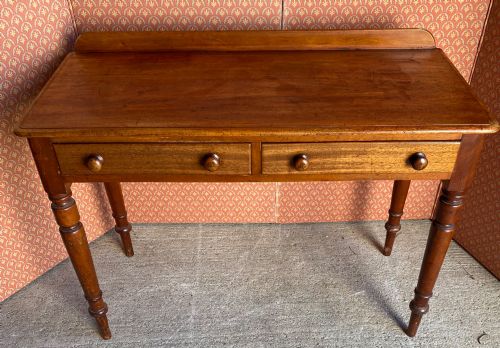
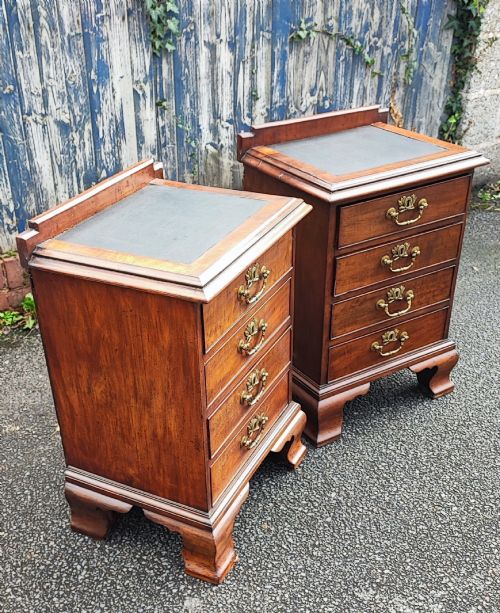
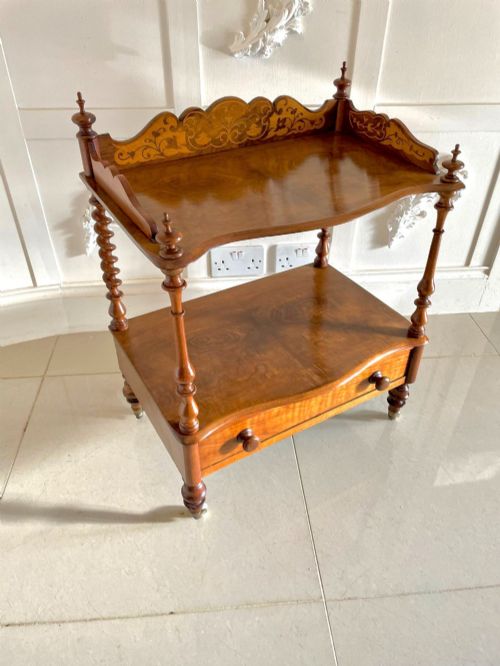
Joinery techniques involved traditional framing and drawer construction, sometimes paired with turned legs, tapered legs, or bamboo-turned supports. Brass handles and pulls frequently furnished the drawers, while occasional examples incorporated leather inserts for writing surfaces.
Small Side Table with Drawer Retail Price Guide 2026
Typical asking prices for small side table with drawer among the pieces listed under this phrase on Sellingantiques today, from the lower quarter to the upper quarter. They describe what is for sale here now, not the wider market.
Listings feature woods such as mahogany, oak, rosewood, walnut, satinwood, and pine across periods from the Georgian era through the 1920s.
What varies in quality
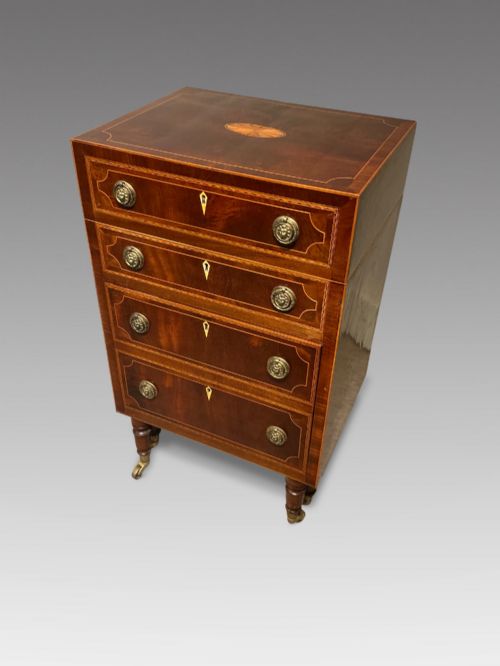
The refinement of timber selection and decorative detail separates everyday utilitarian items from finer examples, such as the use of figured mahogany, satinwood inlay, or well-executed carved ornamentation. Superior pieces demonstrate crisp moulding profiles and carefully fitted drawers that operate smoothly within their housings.
Proportion and structural integrity also define the upper tier of the range, where balanced dimensions and thoughtful details like tapered legs or brass hardware elevate the piece from basic utility to accomplished cabinet work.
Gillows of Lancaster·Druce and Co
The Small Side Table with Drawer Glossary
- Lamp table
- A compact occasional table designed specifically to hold a lighting fixture beside a chair or sofa. These typically feature a small top surface and often include a single drawer for small items.
- Lowboy
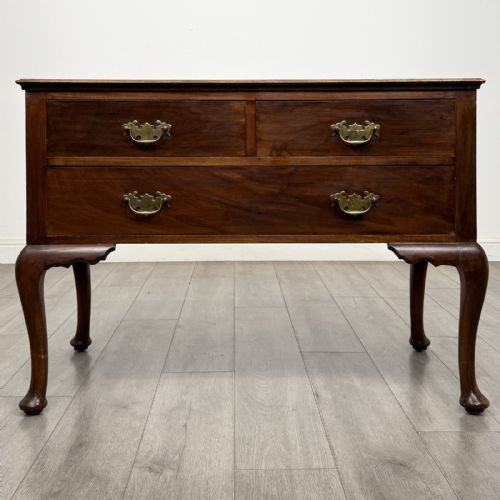
- A small eighteenth-century dressing or side table featuring one or more rows of drawers supported by relatively tall legs. They are frequently constructed from walnut or mahogany.
- Writing table
- A freestanding desk designed for correspondence, usually fitted with one or more drawers beneath the writing surface. The top is sometimes inset with leather.
- Pembroke table
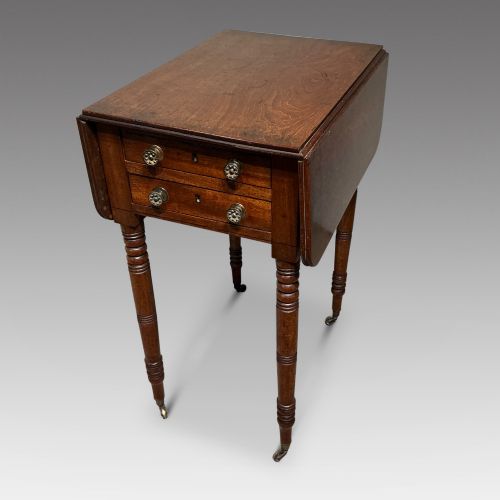
- A drop-leaf table with hinged flaps on either side and a drawer incorporated into the frieze. These versatile pieces expand when extra surface area is required.
- Occasional table
- A general term for a small, moveable table intended for intermittent use around a room. They appear in various timber forms throughout the nineteenth and early twentieth centuries.
Small Side Table with Drawer: Frequently Asked Questions
What is a small side table with drawer used for?
These tables provide a convenient surface for lamps, books, or decorative objects while offering enclosed storage in a single drawer for smaller household items. They suit bedrooms, hallways, and living spaces where floor space is limited.
Historically, similar tables also functioned as compact writing desks or chamber tables for correspondence and private accounts.
How do I identify a Georgian side table?
Georgian pieces generally display classic proportions, understated lines, and quality timber selections such as mahogany, walnut, or satinwood. Construction details often reflect hand-cut joinery and traditional cabinet-making standards of the eighteenth and early nineteenth centuries.
They tend to focus on timber grain and subtle carving rather than heavy ornamentation.
Where should I place a bedside cabinet?
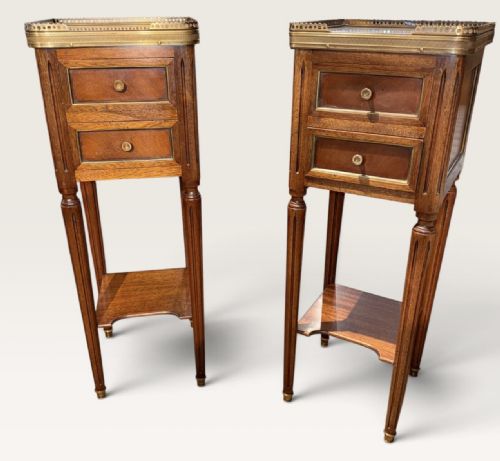
Bedside cabinets fit naturally beside a bed to hold a reading lamp, clock, and nighttime essentials within arm's reach. The enclosed cupboard or drawer keeps clutter hidden from view.
In smaller bedrooms, a narrow Edwardian or Victorian bedside table maximises floor space while maintaining storage.
What distinguishes Edwardian tables from Victorian ones?
Edwardian tables generally exhibit lighter proportions, simpler lines, and occasional inlay work reflecting a shift toward airier domestic interiors around the turn of the twentieth century. Woods like mahogany and oak remain common.
Victorian tables often present heavier construction, darker finishes, and more robust turned legs or carving.