
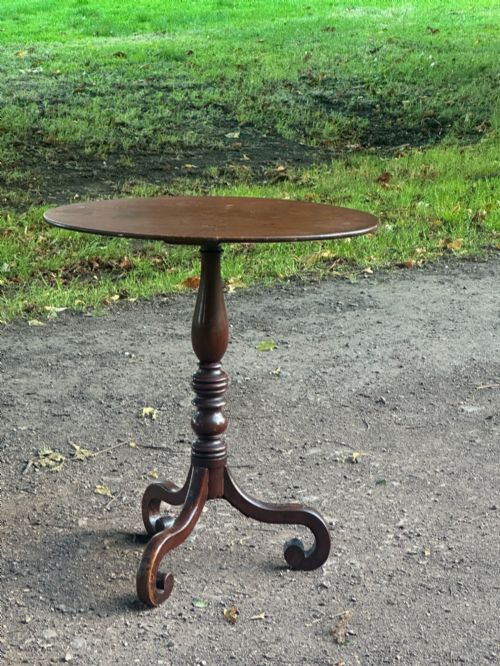
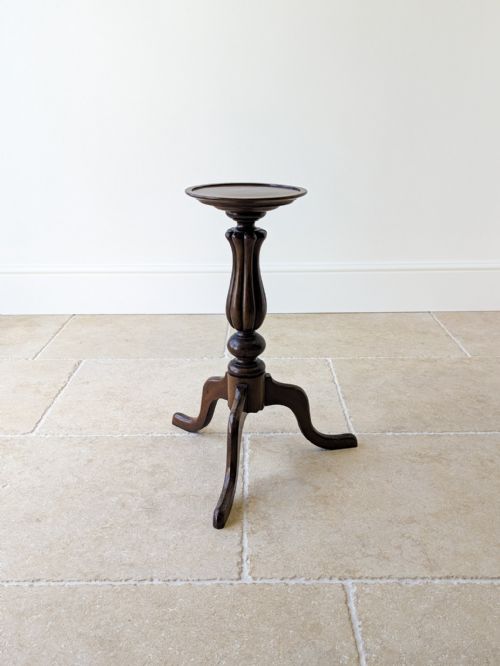
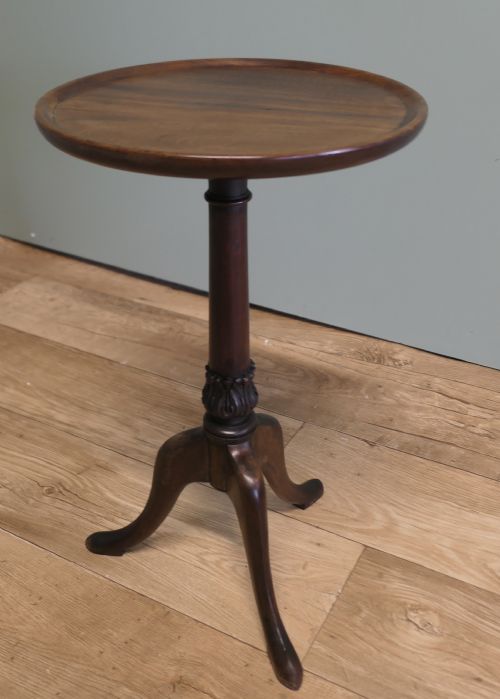
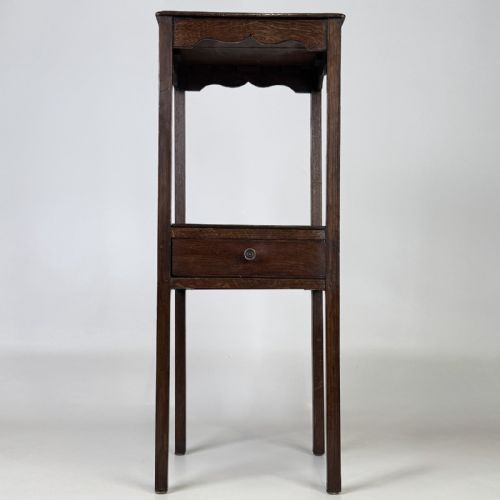
Small Side Table Dark Wood
These small side table dark wood pieces offer compact surfaces for lamps and drinks, combining period timber with practical domestic utility.
Small Side Table Dark Wood
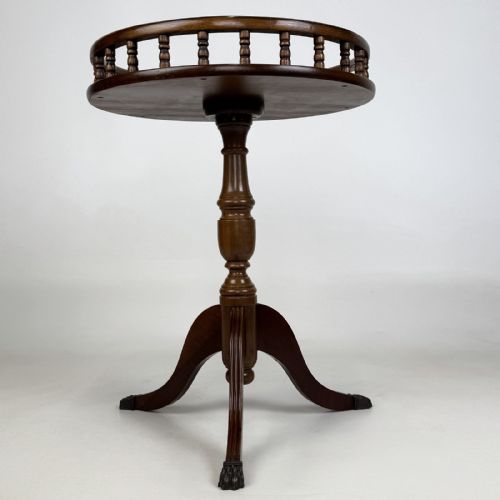
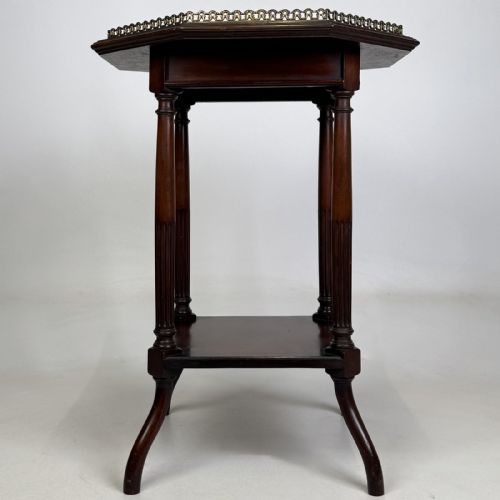
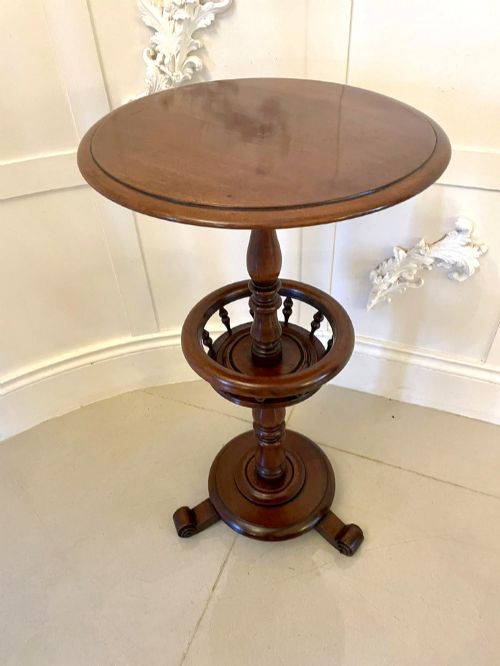
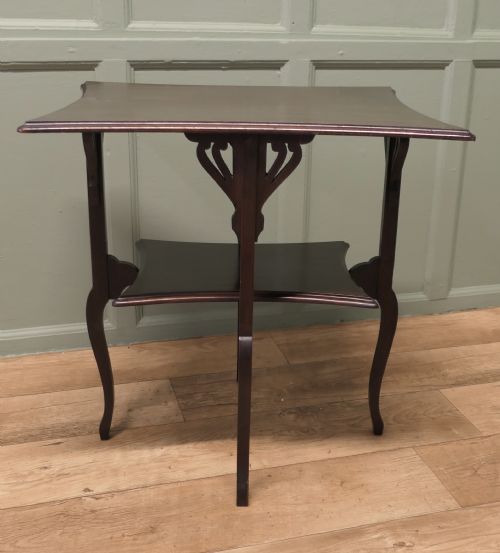
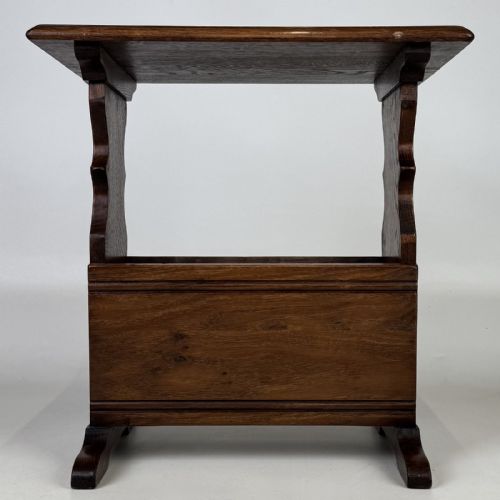
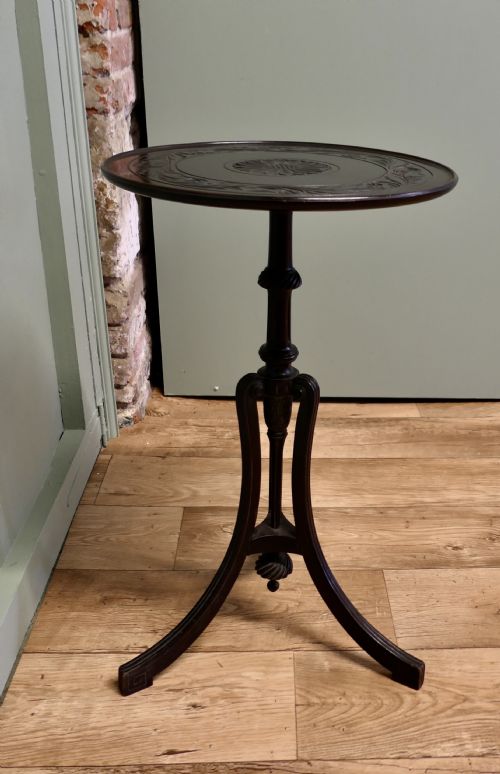
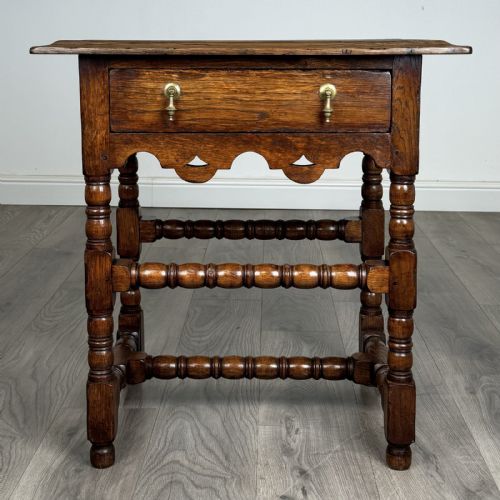
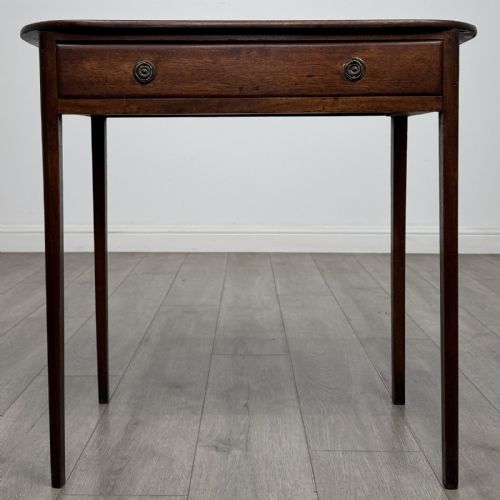
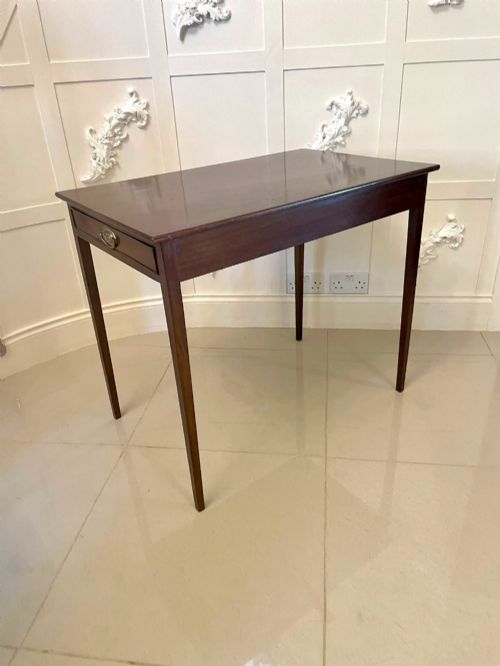
A small side table dark wood piece serves as a compact surface for lamps, books, or drinks in sitting rooms and bedrooms. These items appear in forms ranging from tripod wine tables to occasional tables and bedside chests.
The pieces on this page span several eras, with Edwardian and Victorian examples appearing alongside Georgian, Regency, and eighteenth-century items. Mahogany and oak dominate the selection, supplemented by walnut, rosewood, and fruitwood.
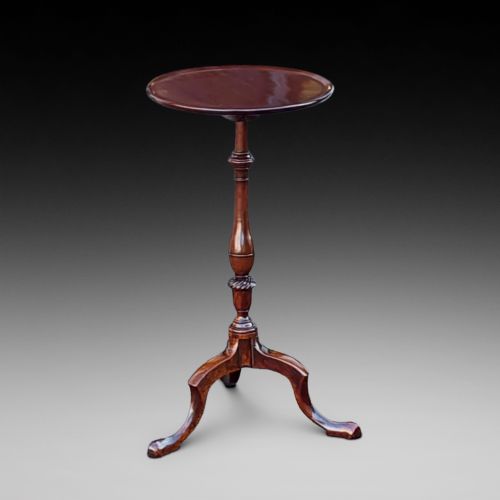
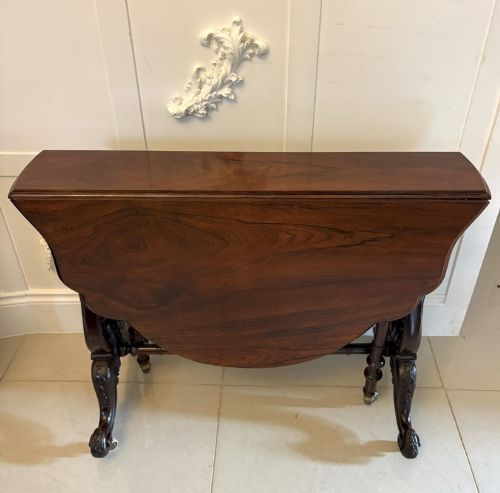
Buyers frequently encounter occasional tables and wine tables set on tripod bases or pedestals. Drop-leaf formats and nests of tables also provide flexible surfaces for smaller interiors.
Construction and Materials
Cabinet makers utilised dense timbers such as mahogany, oak, walnut, and rosewood for durability and rich surface grain. Secondary woods and fruitwoods also appear in smaller structural components and tabletops.
Joining methods rely on traditional cabinet-making techniques, including dovetail joints for drawers and mortise and tenon connections for frames. Turned elements such as barley twist legs and pedestal columns demonstrate lathe work from various periods.
Tilt-top tables let your furniture pretend to be a wall hanging when the evening drinks are finished.
Assessing Quality
The refinement of timber selection and natural grain figure defines the upper tier of these tables. Well-matched veneers and solid construction indicate superior workshop standards.
Carved ornamentation, such as pie crust rims or chip carving, reveals the skill of the artisan. Crisp detailing in turnery and joinery separates standard domestic items from finer examples.
The Small Side Table Dark Wood Glossary
- Tripod base
- A table support comprising three legs radiating from a central pillar. This form provides stable footing on uneven floors.
- Tilt-top
- A tabletop hinged to swing into a vertical position when not in use. This mechanism allowed tables to be stored flat against walls.
- Pembroke table
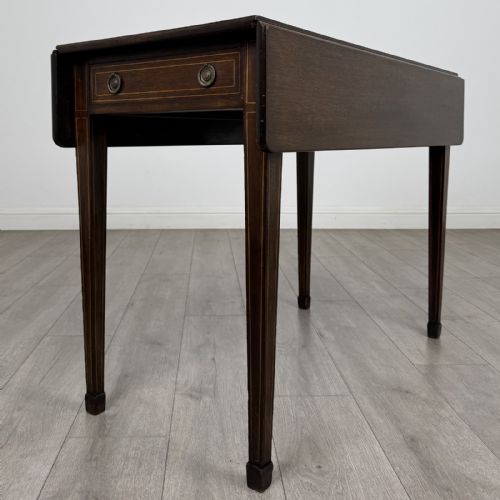
- A small rectangular table featuring two hinged drop leaves on opposing sides. It often includes one or more small drawers.
- Barley twist
- A decorative turning technique resembling a spiralling rope. This motif appears frequently on table legs and supports.
- Pie crust rim
- A raised, scalloped edge carved around the perimeter of a circular tabletop. It prevents small items from rolling off the surface.
Small Side Table Dark Wood: Frequently Asked Questions
Where do people place these tables?
These pieces fit easily beside seating arrangements in living rooms to hold lamps, cups, or books. They also serve as bedside stands or hallway surfaces.
Their compact footprints allow them to occupy awkward corners or small wall spaces without crowding a room.
How do I identify a wine table?
Wine tables typically feature a small circular or oval top supported by a central pillar and three legs. They were originally designed to hold glasses or bottles during evening gatherings.
Many examples include tilt-top mechanisms so the surface can be stored upright when space is tight.
What is a nest of tables?
A nest consists of several graduating tables designed to slide neatly underneath one another. This format provides multiple surfaces while occupying the floor space of just one small table.
They appear frequently in Edwardian formats made from oak or mahogany.
How should I care for dark wood surfaces?
Maintain timber surfaces by dusting regularly with a dry cloth and avoiding direct sunlight that can fade rich tones. Periodic application of appropriate wax nourishes the grain and protects the finish.
Keep these tables away from direct heat sources to prevent timber splitting or warping.