
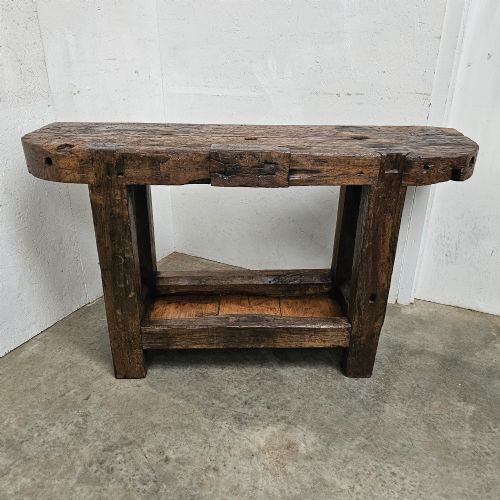


Small Rustic Console Table
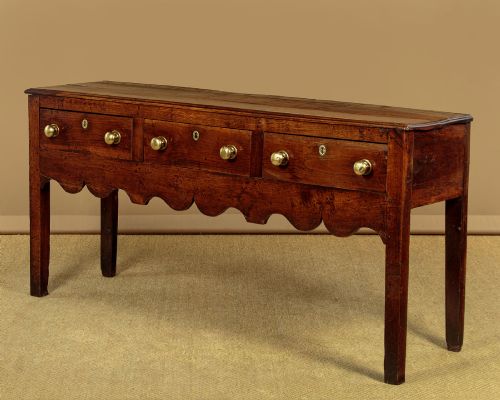
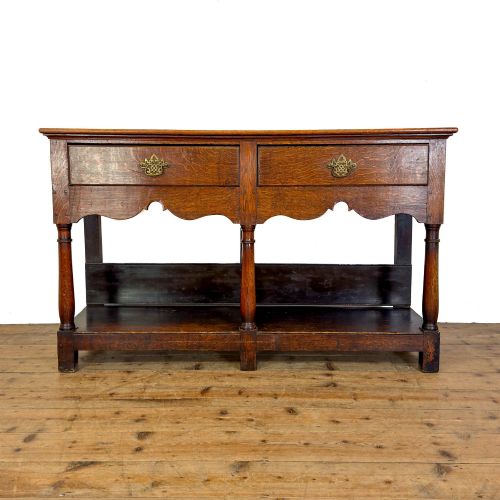
A small rustic console table brings warmth and utility to a hallway or living space through honest timber construction and regional character.
Small Rustic Console Table
When buyers search for a small rustic console table, they encounter a focused selection of practical wooden furnishings suited for compact rooms. These pieces originate from various eras, including the eighteenth century, the Victorian period, and the early twentieth century.
Geographic influences span English, Welsh, and French rural workshops. Each item offers a distinct profile shaped by provincial cabinet-making methods and domestic utility.
How they were made
Construction relies heavily on durable hardwoods and softwoods such as oak, elm, pine, and general timber. Craftsmen selected these local woods for their resilience in everyday domestic and working environments.
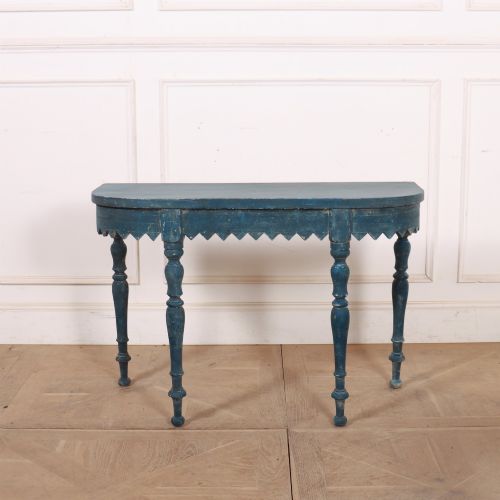
Metal elements appear in functional fixtures, utilising brass and iron for hinges, pulls, and structural reinforcement. Painted surfaces also feature on selected provincial pieces to protect the timber and add colour.
A French elm workbench finds new life as a console table, bearing the deep groove marks of historic manual labour on its top.
What varies in quality
Quality in these rural tables rests on the integrity of the timber and the honesty of the construction. Superior examples display thoughtful proportions and substantial wood thickness that withstand centuries of daily use.
The degree of original surface patination and the restraint shown in past repairs dictate the standing of a piece within its type. Tables retaining their unpretentious working character command greater appreciation than heavily restored items.
The Small Rustic Console Table Glossary
- Console table
- A wall-mounted or freestanding table designed for placement against a vertical surface in a hallway or principal room. These tables offer narrow depths suitable for compact spaces.
- Dresser base
- A lower storage unit featuring drawers or cupboards, often used historically for food preparation or serving in country kitchens. They frequently serve as sturdy console surfaces in modern homes.
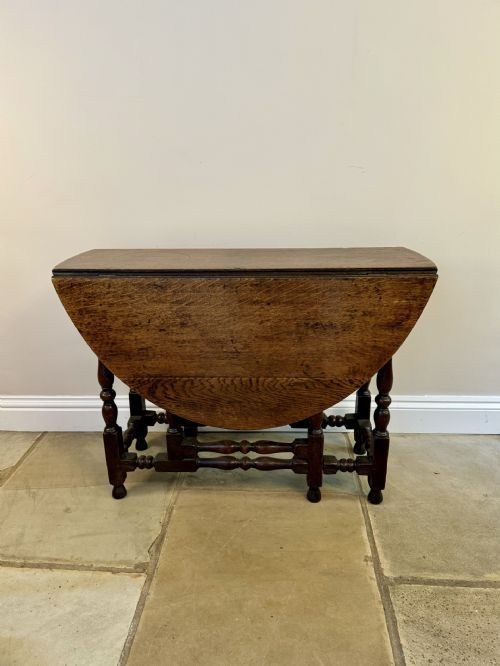
- Drop-leaf table
- A table with hinged flaps on one or two sides that fold down to save floor space. This mechanism allowed rural households to adjust surface areas according to daily needs.
- Patina
- The surface sheen and texture developed on wood over decades of handling, polishing, and natural ageing. This characteristic provides a visual record of the object's history.
- Primitive
- A descriptive term for furniture made outside urban guild traditions, prioritising straightforward utility over academic ornamentation. These items derive charm from direct, unpretentious joinery.
Small Rustic Console Table: Frequently Asked Questions
Where should I put a small rustic console table?
These compact tables fit naturally into narrow hallways, entryways, or behind living room sofas where floor space is limited. Their modest footprints provide a convenient surface for lamps and everyday items without crowding the room.
Because many examples originate from rural traditions, they complement both traditional period interiors and modern rustic decors. The variety of woods, from warm oak to pale pine, allows them to anchor an empty wall effectively.
How do I care for antique pine and oak tables?
Maintenance requires little more than dusting with a soft, dry cloth and avoiding excessive moisture on the bare wood surfaces. Natural waxes can be applied sparingly to nourish the timber and preserve the historic finish.
Positioning the table away from direct heat sources and strong sunlight prevents the wood from drying out or splitting over time. Allowing the timber to breathe ensures the continued stability of the original construction.
How can I tell if a table is from the eighteenth century?
Eighteenth-century tables typically display hand-cut joinery marks, peg construction, and distinct tool signatures left by regional makers. The timber often shows deep, natural patination accumulated over generations of use.
Examining the underside and drawer linings reveals construction methods characteristic of Georgian craftsmanship. These physical details help differentiate older vernacular pieces from later reproductions.