

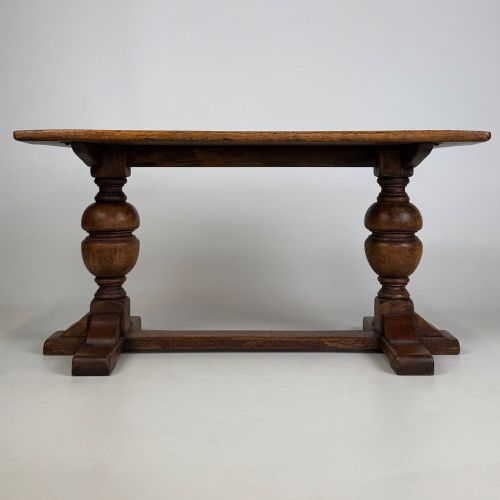
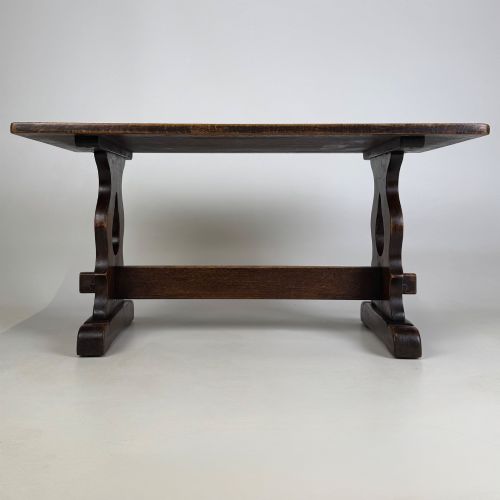
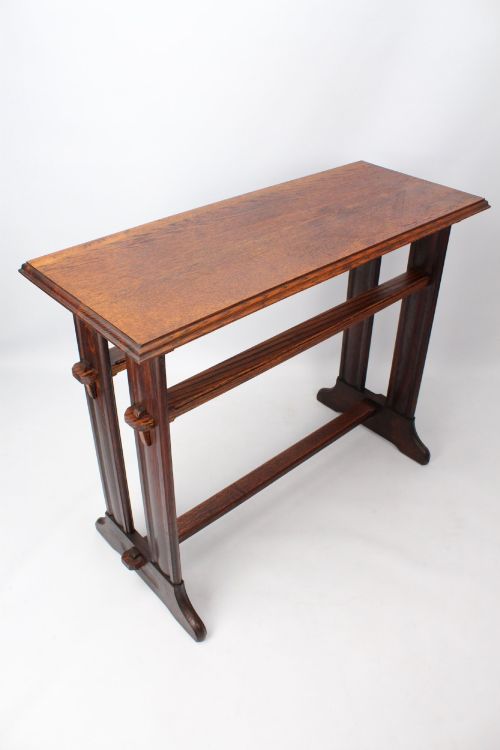
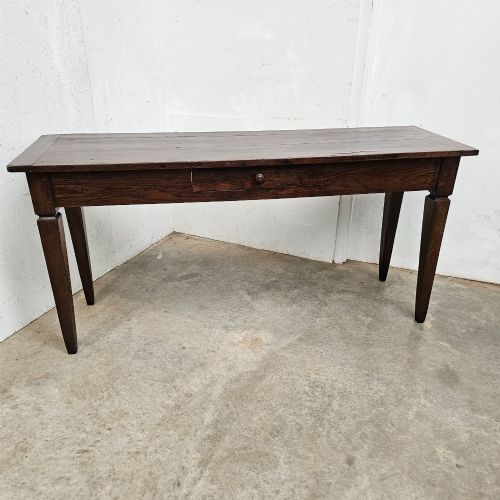
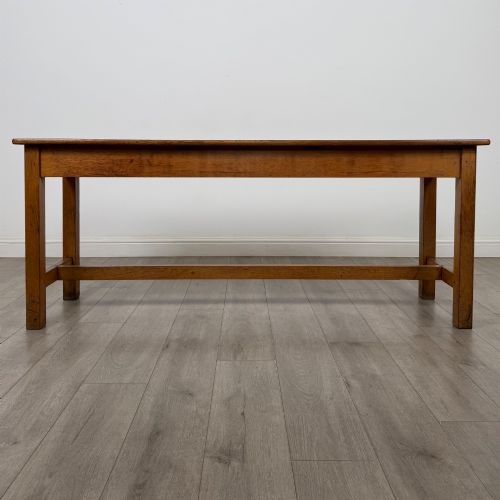
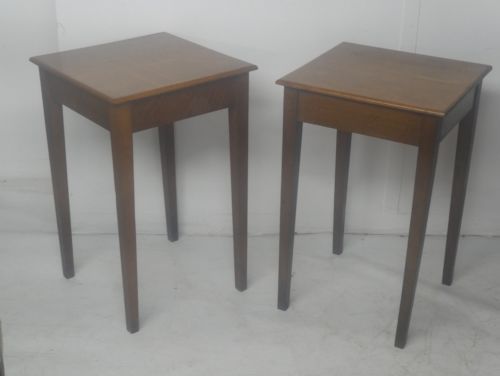
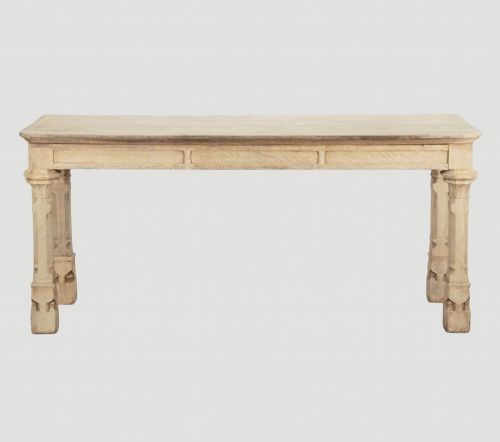
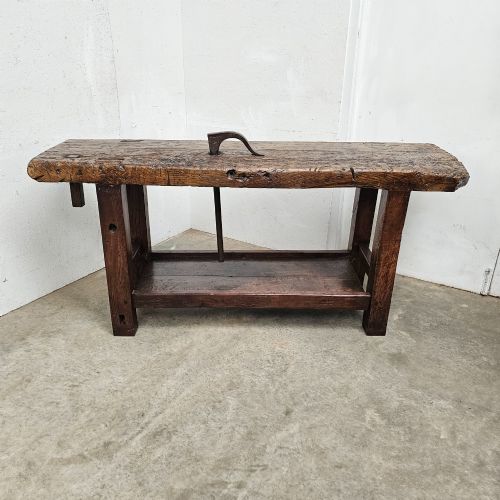



Rustic Sofa Table
A rustic sofa table brings warm timber and honest utility to a room, offering surface space with plenty of historic character.
Rustic Sofa Table
A rustic sofa table unites practical surface space with simple, unpretentious construction, drawing on centuries of vernacular furniture design. Buyers searching for a rustic sofa table encounter various forms including narrow console tables, occasional tables, and low coffee tables.
The pieces available span multiple periods from the seventeenth century through to the Edwardian era, with nineteenth-century examples appearing frequently. Regional influences emerge strongly, with French provincial and Scandinavian country styles sitting alongside English and Scottish oak pieces.
Makers utilised available timbers, shaping them into functional items such as side tables, serving tables, and workbenches that now find new purpose behind sofas or along hallways.
Assessing Quality and Character
The depth of patination on a bleached or painted surface dictates visual success, distinguishing genuine age from modern distressing. Proportions matter greatly; narrow profiles and balanced trestle or console bases elevate a piece above standard utility furniture.
Listings feature timbers including oak, pine, walnut, ash, elm, and mahogany, spanning the seventeenth century through to the Edwardian period.
The Rustic Sofa Table Glossary
- Console Table
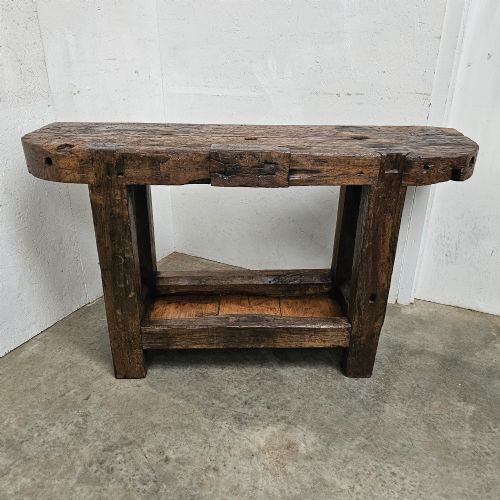
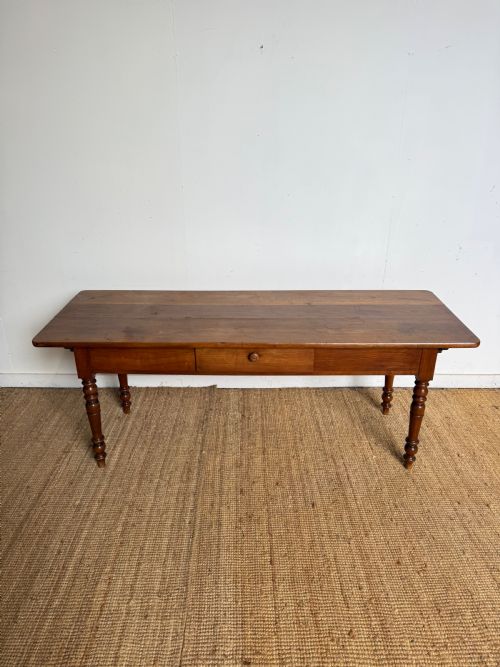
- A table designed to stand against a wall, often featuring a narrow profile suitable for hallways or behind seating. These pieces frequently incorporate single drawers or trestle supports.
- Trestle Table
- A table consisting of two or more supports connected by a horizontal beam, providing sturdy footing. This construction appears often in French provincial and country dining or serving tables.
- Potboard
- A lower shelf fitted beneath a table or dresser, historically used for storing pots and pans. In surviving tables, this open platform adds lower display space.
- Pembroke Table
- A small table with hinged drop flaps on either side, allowing the surface area to expand when needed. George III examples show refined craftsmanship within domestic vernacular forms.
- Patina
- The surface sheen and colour acquired by timber and paint through decades of handling, light, and use. A rich patina signals genuine age and careful preservation.
Rustic Sofa Table: Frequently Asked Questions
What is a rustic sofa table used for?
A rustic sofa table provides a convenient surface behind a low sofa for lamps, books, or drinks. Its narrow footprint makes it equally useful along a hallway wall or in a tight space.
These pieces adapt easily to modern rooms while adding historic texture through exposed grain, painted finishes, or weathered timber.
How do I date an antique wooden table?
Dating relies on examining the timber species, tool marks, joinery methods, and overall style of the piece. Oak and walnut dominate earlier periods, while pine and pitch pine become common in Victorian examples.
Hardware such as iron braces or brass fittings also offers clues to the era of manufacture, alongside regional construction traits.
Are painted pine tables authentic antiques?
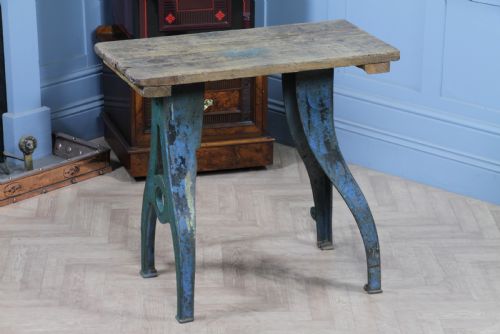
Painted pine tables frequently date from the Victorian and Edwardian periods, serving as practical domestic furniture in country homes. Many retain original layers of grey, green, or neutral paint that have aged naturally over time.
Layers of historic paint contribute to the decorative character valued by collectors of country and provincial styles.
What is the difference between a console and a side table?
Console tables are specifically designed to stand flat against a wall, often featuring decorative legs or brackets at the front. Side tables are generally freestanding and can be moved around a room to sit beside seating.
Both forms overlap significantly in vernacular furniture, where narrow proportions suit placement behind sofas or in entryways.