
Small Regency Occasional Table
A small regency occasional table offers neat proportions and refined timber work, bringing a functional surface into a modern sitting room.
Small Regency Occasional Table
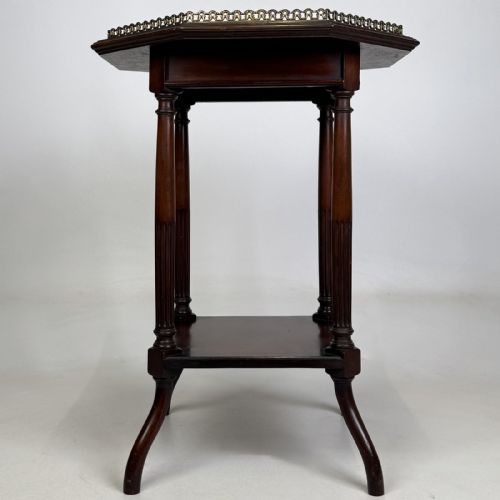
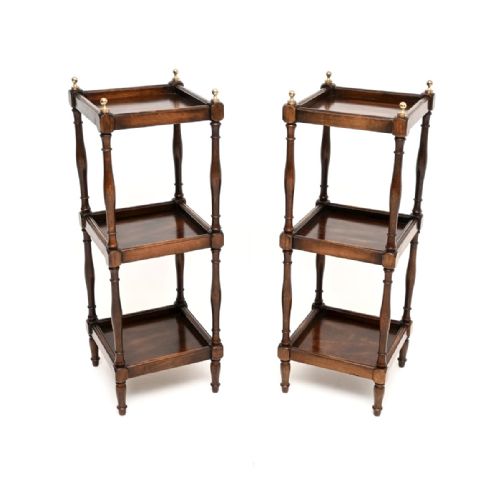
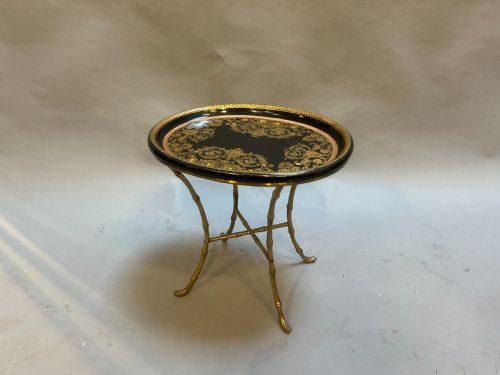
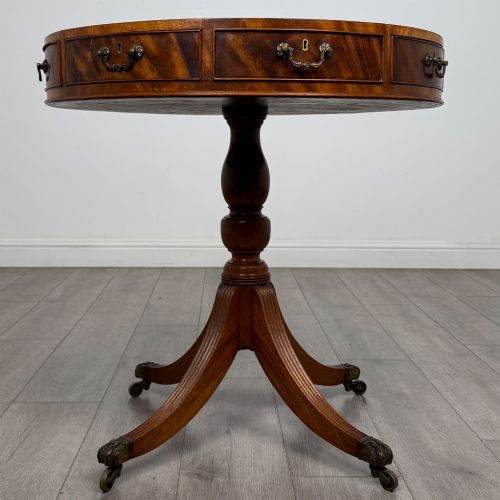
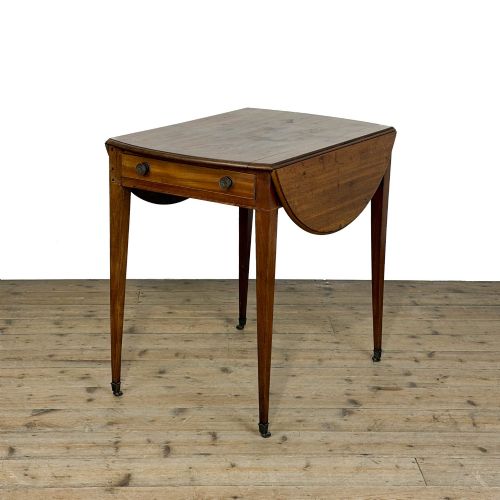
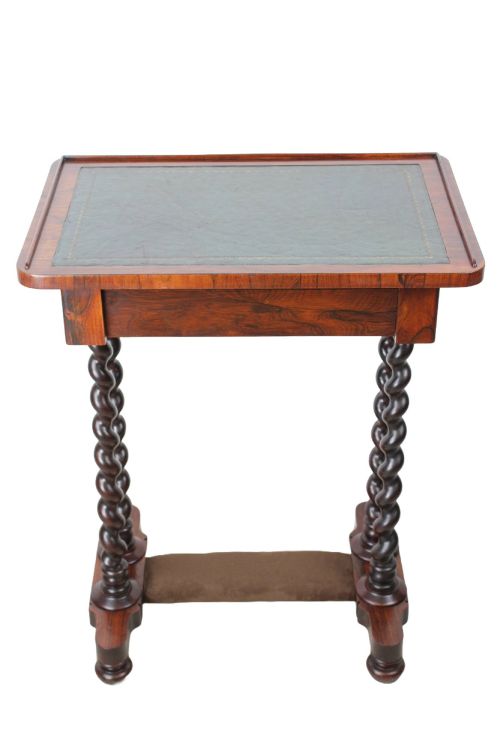
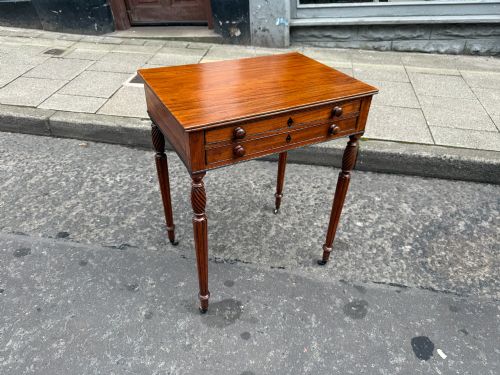
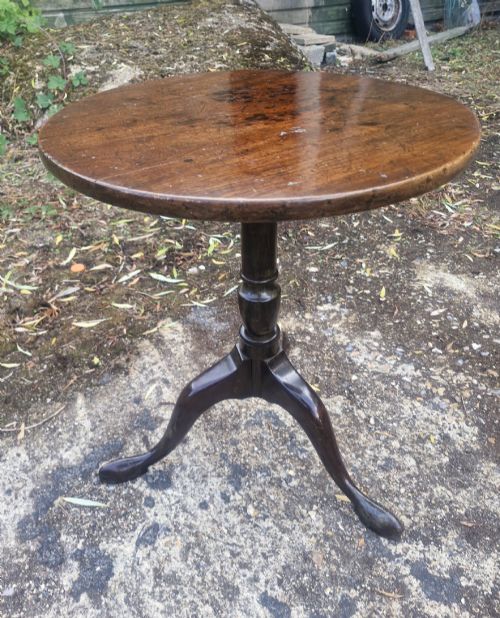
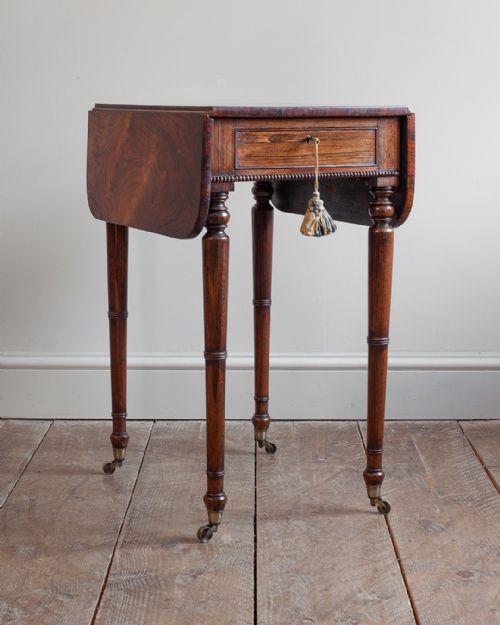
When searching for a small regency occasional table, a buyer meets a variety of compact freestanding furniture pieces designed for specific domestic tasks in nineteenth-century interiors. The selection spans pedestal wine tables, tripod lamp stands, pembroke drop-leaf tables, and satinwood work tables originating primarily from the Regency and Georgian periods.
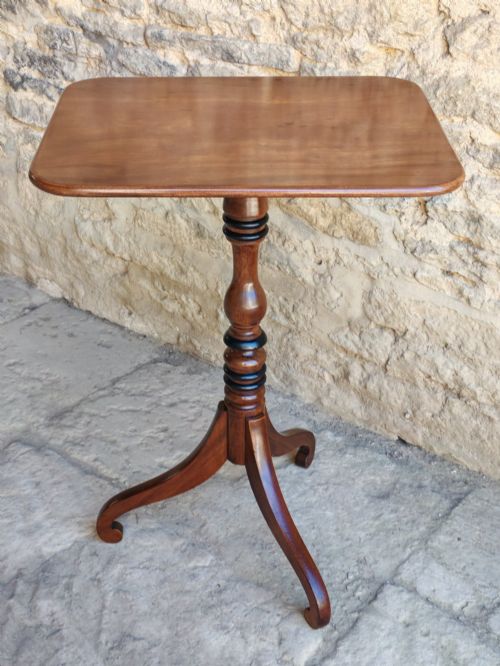
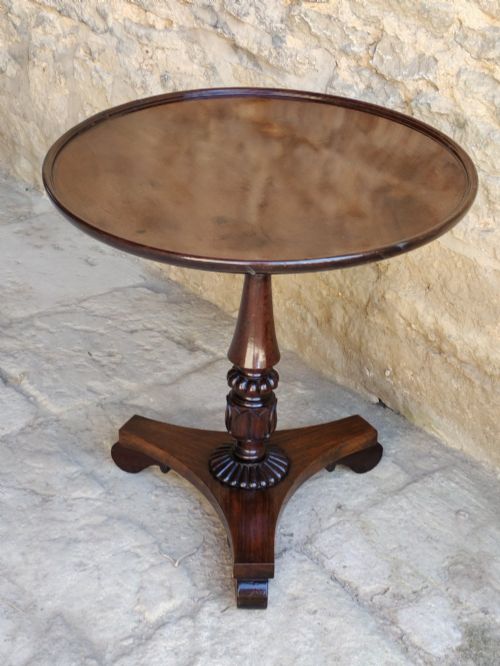
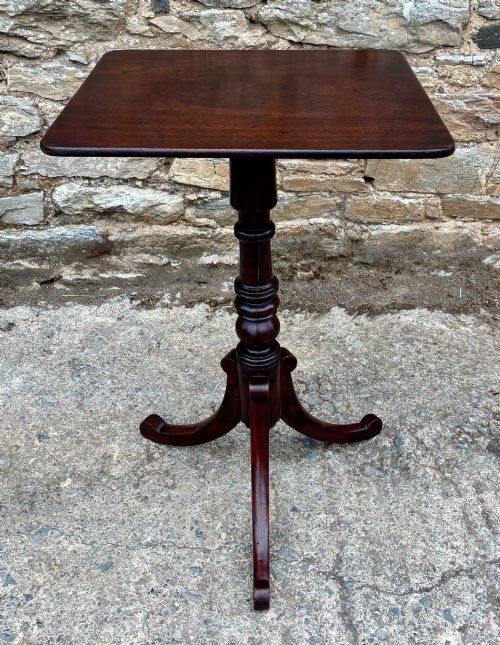
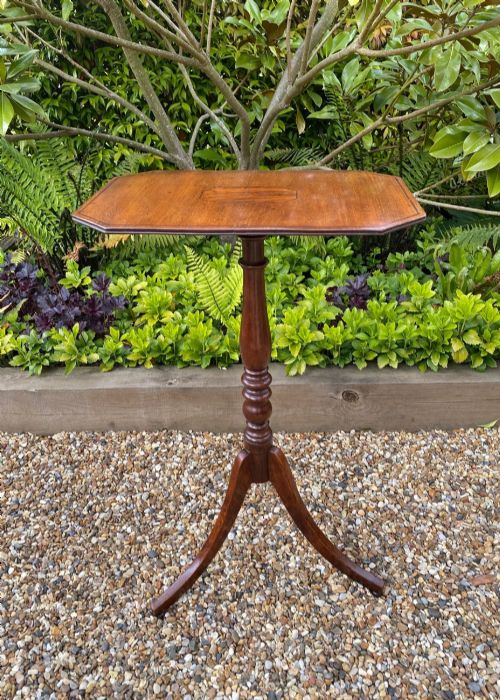
The version most frequently encountered on this page is the mahogany tripod occasional table, often featuring a tilt-top mechanism or subtle brass inlay. Alongside these, rosewood and yew wood variants appear regularly, alongside later nineteenth-century interpretations and twentieth-century revival pieces modelled on earlier forms.
Materials and construction
Cabinet makers utilised dense hardwoods such as figured mahogany, rosewood, and satinwood, frequently selecting timber with deep natural grain patterns for table tops. Solid sections were combined with turned pillars and splayed tripod legs to maintain stability without bulk.
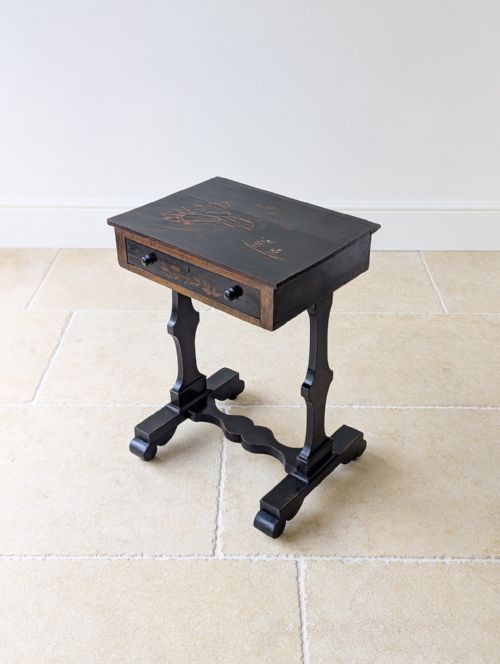
Decorative detailing relied on contrasting boxwood inlay, ebonised elements, penwork, and brass stringing rather than heavy carving. Drop-leaf actions on pembroke tables and pivoting mechanisms on tilt-top variants required precise joinery to function smoothly over generations.
Some nineteenth-century makers concealed clever drop leaves and tiny velvet-lined compartments inside work tables for secret letters.
Distinctions in quality
Quality rests on the selection of the timber and the crispness of the turning on the central pedestal. Superior examples display carefully matched veneer grains and stable pillar joints that prevent wobble.
Refinement shows in the delicacy of the leg spread and the precision of any inlaid stringing or boxwood banding. Lesser pieces exhibit heavier proportions and coarser secondary woods beneath the polished exterior.
Gillows·Donald Ross
The Small Regency Occasional Table Glossary
- Pembroke table
- A small rectangular table with hinged drop leaves on two opposing sides designed for versatility in smaller rooms. It often includes a single drawer fitted to the frieze.
- Tripod table
- A freestanding small table supported by a central pillar resting on three splayed legs. This construction prevents rocking on uneven historical floorboards.
- Tilt-top
- A hinged table top mechanism allowing the surface to fold vertical when not in use. This clever design enabled tables to be stored flat against a wall.
- Wine table
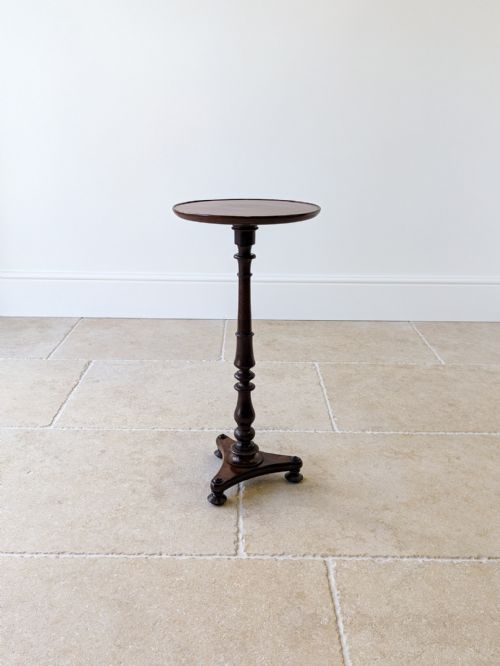
- A compact occasional table originally intended for holding glasses or bottles beside seating. They frequently feature a circular top and a slender pedestal base.
- Satinwood
- A pale, lustrous exotic hardwood prized for fine cabinet work. Its smooth golden tone made it a favourite for decorative crossbanding and inlay.
Small Regency Occasional Table: Frequently Asked Questions
What is a small regency occasional table used for today?
These compact surfaces suit modern rooms as lamp stands, bedside tables, or display spaces for books and decorative objects. Their modest footprint allows them to fit easily beside armchairs or in narrow hallways.
Historically, they served similar domestic functions, holding tea equipment, sewing materials, or lighting candles during evening gatherings in morning rooms and lounges.
How do I distinguish genuine Regency from revival pieces?
Examining the secondary timbers beneath the table and inside drawer constructions reveals the age of the piece. Period items utilise older conversion marks, hand-cut dovetails, and native woods appropriate to the early nineteenth century.
Revival pieces from later decades often display uniform machine finishing, modern fixings, or lighter internal construction methods that differ from original workshop standards.
Are tripod tables stable on modern floors?
Three-legged pedestals naturally balance on uneven surfaces because all three feet maintain continuous contact with the ground. This makes them surprisingly steady despite their slender appearance.
Care should be taken not to overload one edge of a tilt-top mechanism, as the pivoting catch is designed for balance rather than heavy vertical weight.
Which woods were most common in Regency tables?
Mahogany remained the dominant timber throughout the period, valued for its rich colour and reliable strength in turned pedestals. Rosewood also appeared frequently on finer pieces, offering a darker grain with distinctive figuring.
Satinwood, yew, and fruitwood were utilised for specialised work tables and decorative inlay, adding contrasting lighter tones to the tabletop borders.