

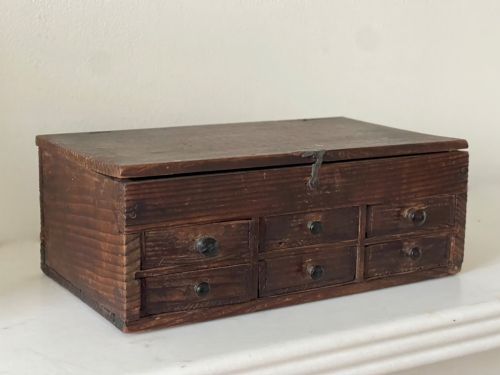
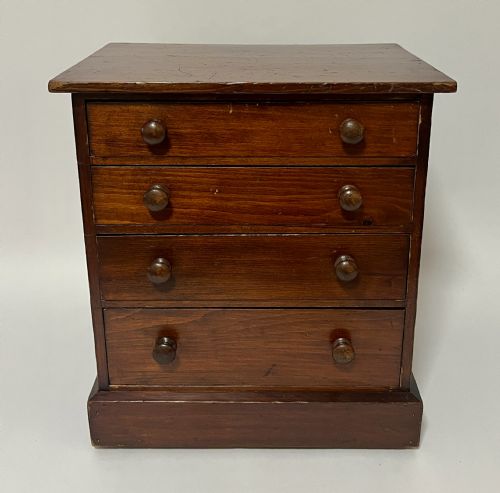
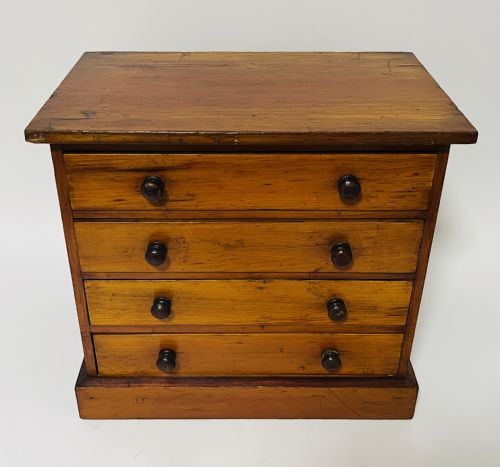
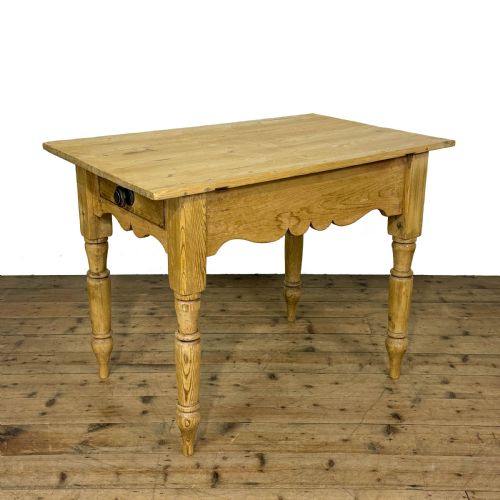
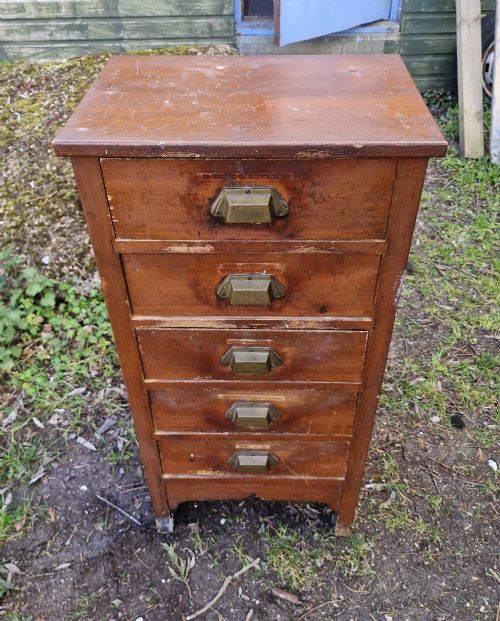


Small Pine Desk
These small pine desk examples span Georgian, Victorian, and later eras, offering practical writing surfaces built from resilient softwood.
Small Pine Desk
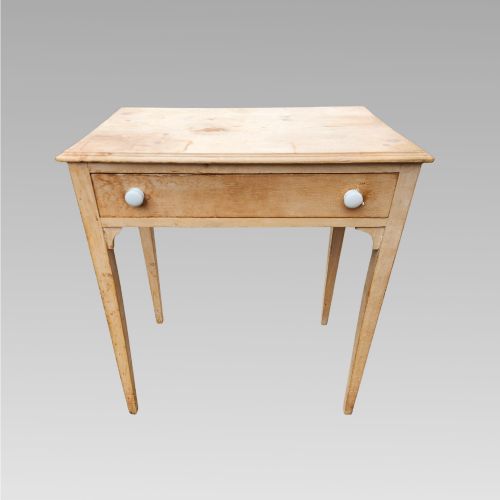
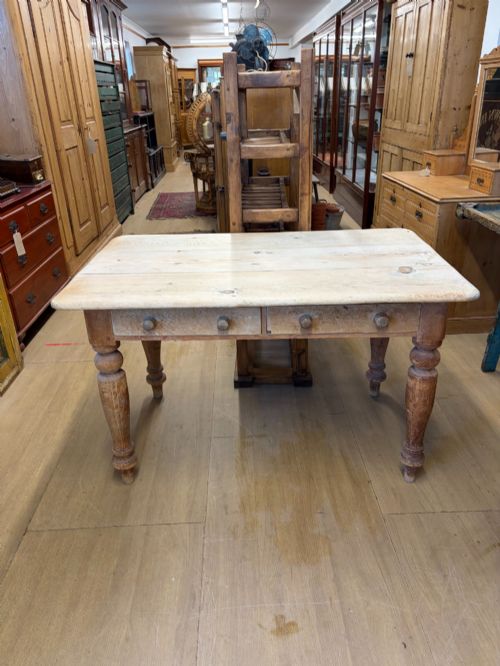
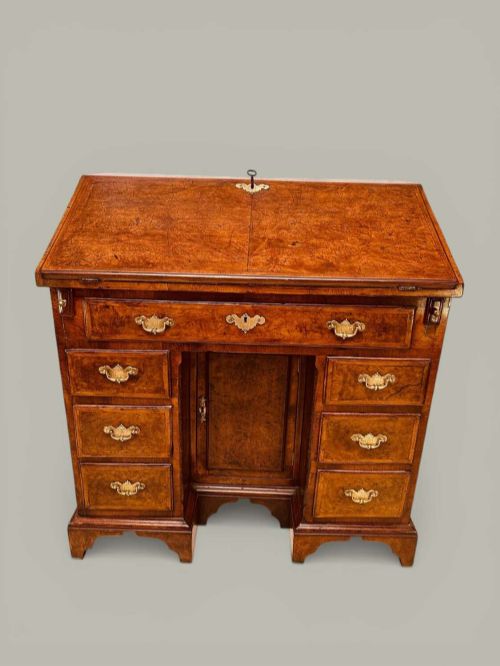
A small pine desk provides a compact surface for writing and administrative tasks, appearing across periods from the eighteenth century through to the early twentieth century. The evidence on this page shows pieces ranging from Georgian kneehole formats to Victorian pedestal and writing tables.
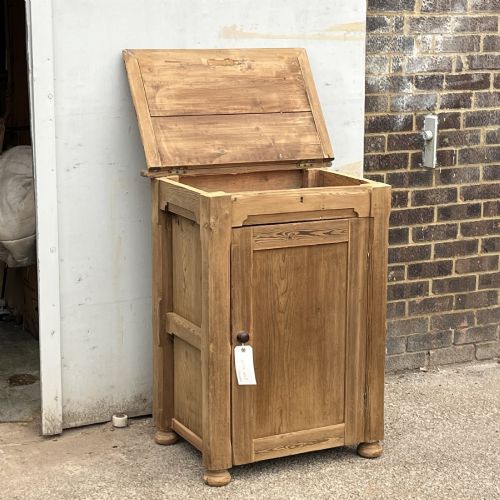
Buyers seeking a small pine desk encounter various forms including primitive Spanish tables, drop leaf side tables, and specialised writing desks. These items combine utility with the distinct character of softwood timber.
The materials recorded in these listings extend beyond simple pine to include pitch pine, brass, bone, oak, and iron hardware. This variety reflects the utilitarian origins and subsequent adaptation of these tables for domestic and office use.
How they were made
Construction relies primarily on pine and pitch pine timbers, often joined with traditional methods suited to everyday furniture. Workshops utilised accessible regional woods to build sturdy carcasses for domestic and workspace environments.
Hardware details such as brass handles and iron fittings add functional contrast to the wooden structures. Surviving examples demonstrate how simple joinery and durable materials served practical daily requirements.
Small Pine Desk Retail Price Guide 2026
Typical asking prices for small pine desk among the pieces listed under this phrase on Sellingantiques today, from the lower quarter to the upper quarter. They describe what is for sale here now, not the wider market.
Site listings and archives record small pine desk examples from Georgian, Victorian, and Edwardian periods, constructed in pine, pitch pine, and oak.
What varies in quality
The grade of timber and the integrity of the original construction differentiate examples within this category. Dense pitch pine and well-preserved structural joins indicate superior durability compared to heavily worn or altered carcasses.
Original hardware, such as period brass handles and intact drawer configurations, elevates the character of a piece. Finer examples retain their original surface treatments and functional stability without extensive modern intervention.
The Small Pine Desk Glossary
- Pitch pine
- A resinous softwood known for its durability and prominent grain pattern, frequently utilised in nineteenth-century furniture.
- Kneehole desk
- A writing desk featuring a central recess for the user's legs, flanked by pedestals of small drawers.
- Pedestal desk
- A freestanding desk supported by two banks of drawers or cabinets reaching down to the floor.
- Drop leaf
- A hinged tabletop section that folds down to reduce the footprint of the table when not in use.
Small Pine Desk: Frequently Asked Questions
What periods do these desks cover?
The recorded items span from the eighteenth century through the Georgian and Victorian eras up to the early twentieth century. This timeline demonstrates consistent domestic and workspace production in softwood.
Buyers encounter various stylistic influences ranging from primitive farmhouse forms to structured office furniture.
How were these desks used originally?
They served as practical writing surfaces, administrative stations, and domestic dressing tables in homes and offices. Their compact dimensions suited them to smaller rooms and private studies.
Fittings like brass handles and multiple drawers accommodated stationery, documents, and personal items.
Are pitch pine and standard pine different?
Pitch pine contains a higher resin content, which gives the wood greater density and a more pronounced grain than standard pine. This material offered increased strength for heavy-use furniture.
Listings distinguish between standard softwood pine and pitch pine based on these timber characteristics.
How do I identify a Georgian pine desk?
Georgian examples often display specific architectural proportions, traditional joinery techniques, and period-appropriate hardware configurations. Characteristic forms include kneehole formats and bowfront cabinetry.
Comparison with Victorian and later pieces highlights shifts in structural emphasis and decorative restraint.